
A 285-SNP Model Distinguished Red Junglefowl, Domestic Chickens and Hybrids
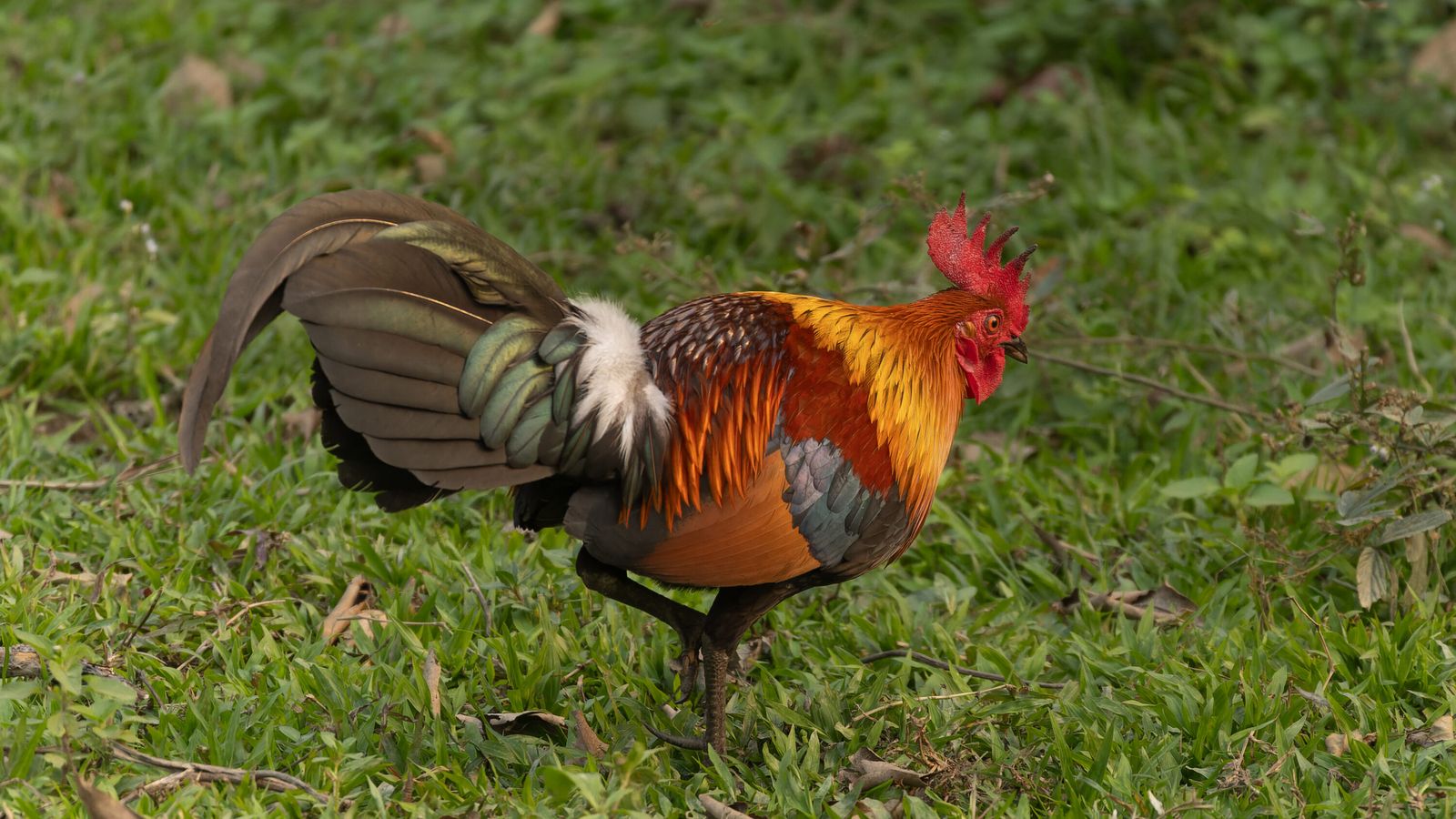
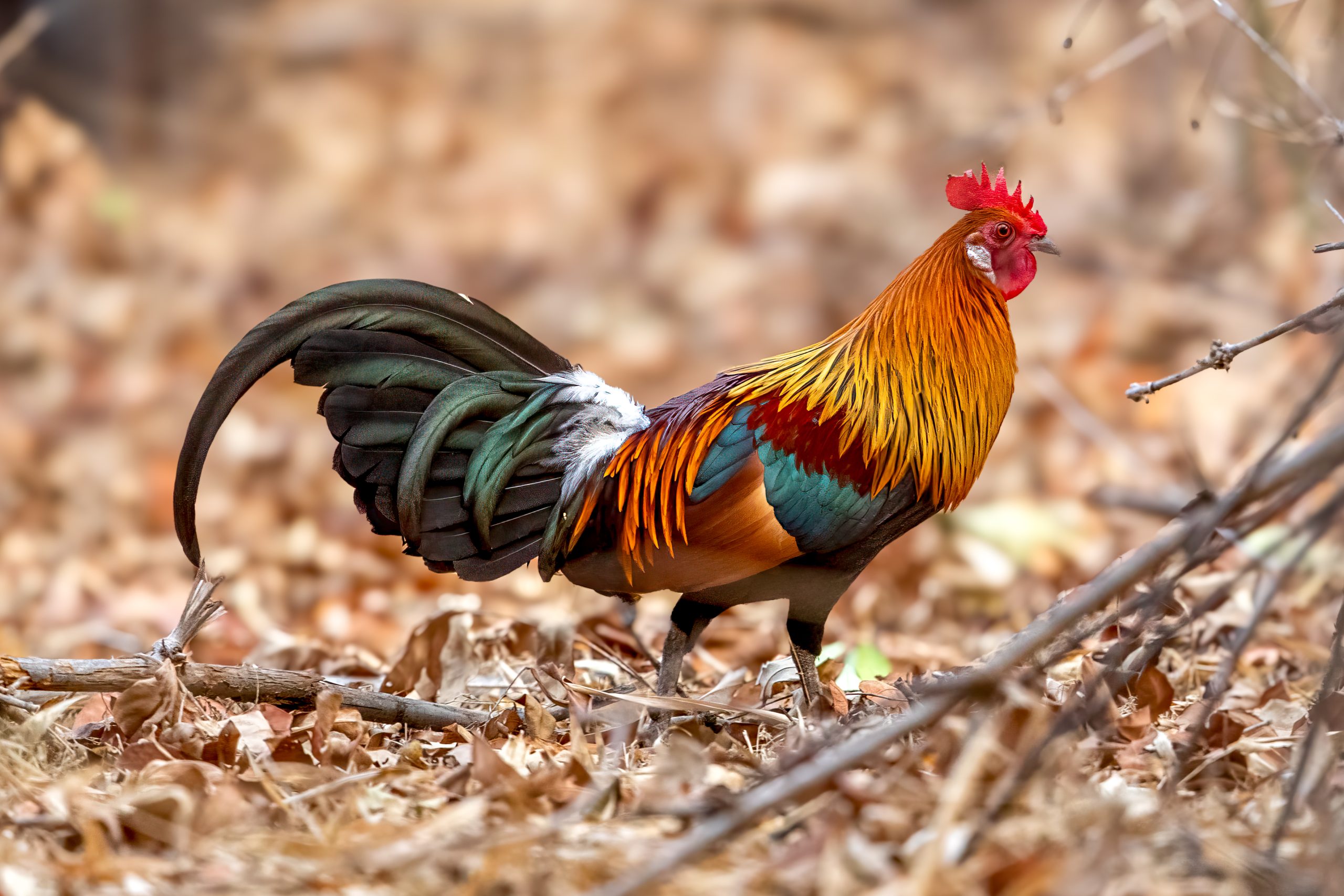
A genomic study published in 2026 developed a deep-learning model for distinguishing Red Junglefowl (Gallus gallus) from domestic chickens and hybrids. Rather than relying on one diagnostic gene, the model learned combinations of DNA markers that distinguished known wild and domestic reference birds. The researchers built it from 1,960 genomes, including 164 Red Junglefowl and 1,796 domestic chickens. After first identifying thousands of DNA positions that differed between the groups, the pipeline reduced the information to a panel of 285 single-nucleotide polymorphisms, or SNPs. A SNP is a specific position in the genome where individuals can carry different DNA bases; together, these 285 positions contained enough ancestry information for the model to separate the groups. A model score above 95% was treated as strong support for Red Junglefowl ancestry, below 5% as domestic chicken, and intermediate scores as hybrid. The percentages are classification scores from the model, not a literal measurement of how many percent of a bird is wild.
The model was then tested on independent genomic datasets containing contemporary birds and historical museum specimens. It was able to classify Red Junglefowl, domestic chickens and hybrids, and reached 97.8% accuracy in the historical set even though some specimens lacked genotype data at part of the 285-marker panel. In practical terms, incomplete DNA information did not usually prevent the model from recognising the historical Red Junglefowl.
A reduced SNP panel retained useful discriminatory power
The researchers compared the approach with several existing tools for detecting hybrid ancestry and found that the reduced SNP panel retained useful discriminatory power while requiring far less genomic information than whole-genome sequencing. They also applied the same pipeline to wild boar, domestic pigs and hybrids as an independent validation of the method.
Hybridisation with domestic chickens is a major challenge when identifying genetically wild Red Junglefowl populations. The authors present the model as a tool for monitoring wild relatives of domestic animals and for conservation work where historical specimens or modern samples may contain incomplete genomic data.
Genetics & genomics
Related news
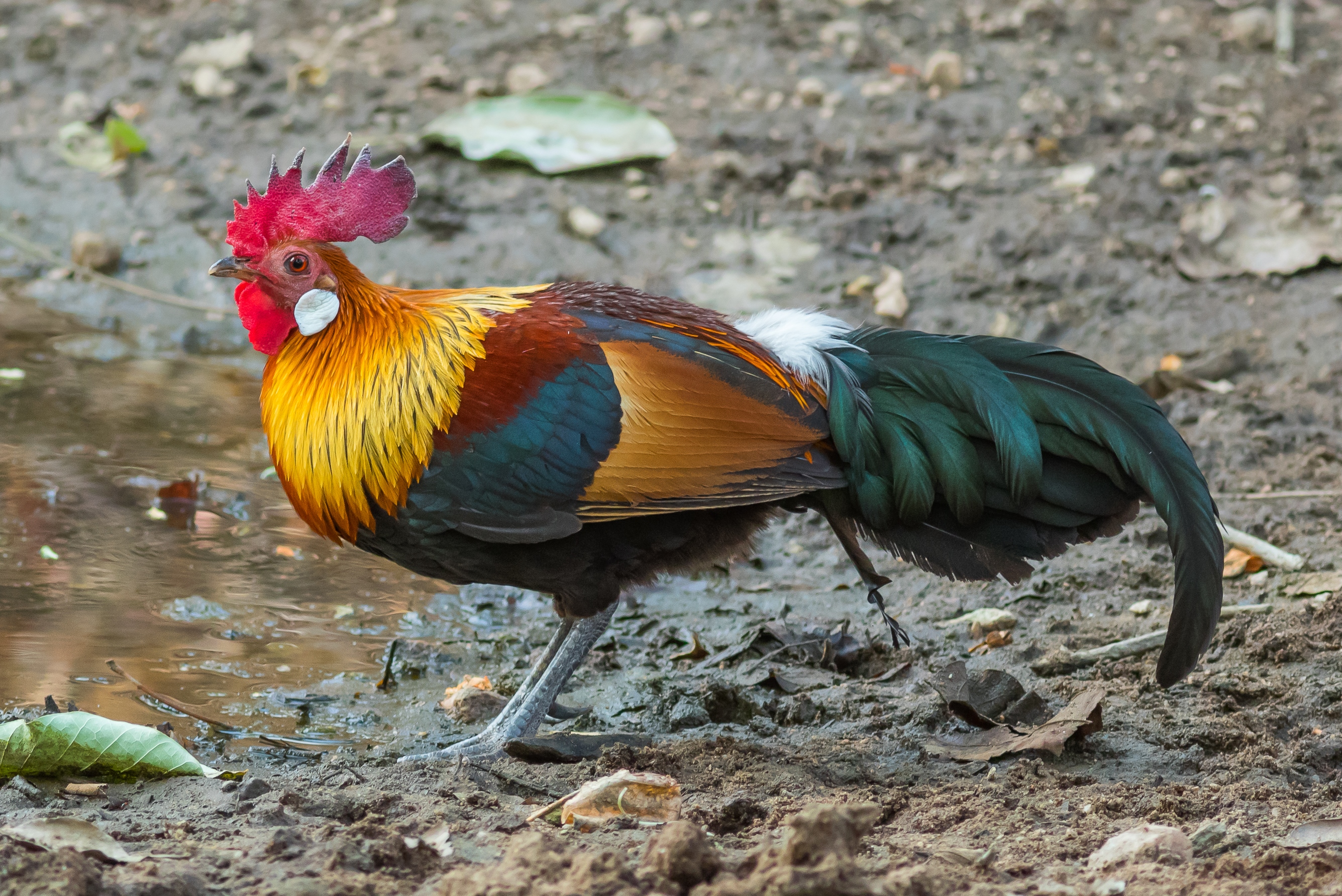
Three Lactic Acid Bacterial Strains From Wild Red Junglefowl Were Selected as Probiotic Candidates
Researchers recovered 39 presumptive lactic acid bacterial isolates from three wild red junglefowl in southeastern Bangladesh. After sequencing…
Read story →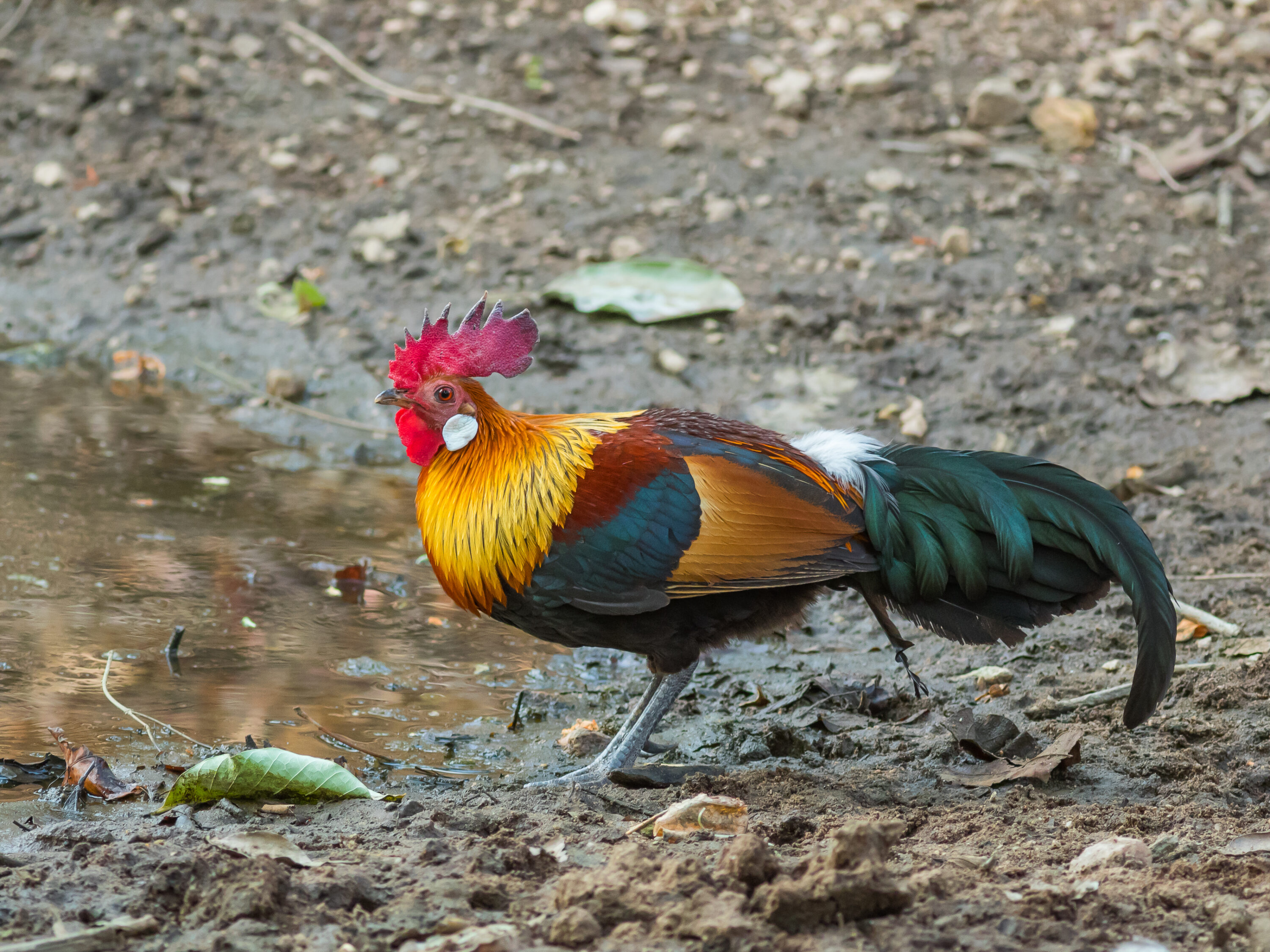
Play Stimulation Increased Later Exploration in Red Junglefowl and White Leghorn Chicks
A controlled experiment with 32 Red Junglefowl and 31 White Leghorn chicks found that early play stimulation increased…
Read story →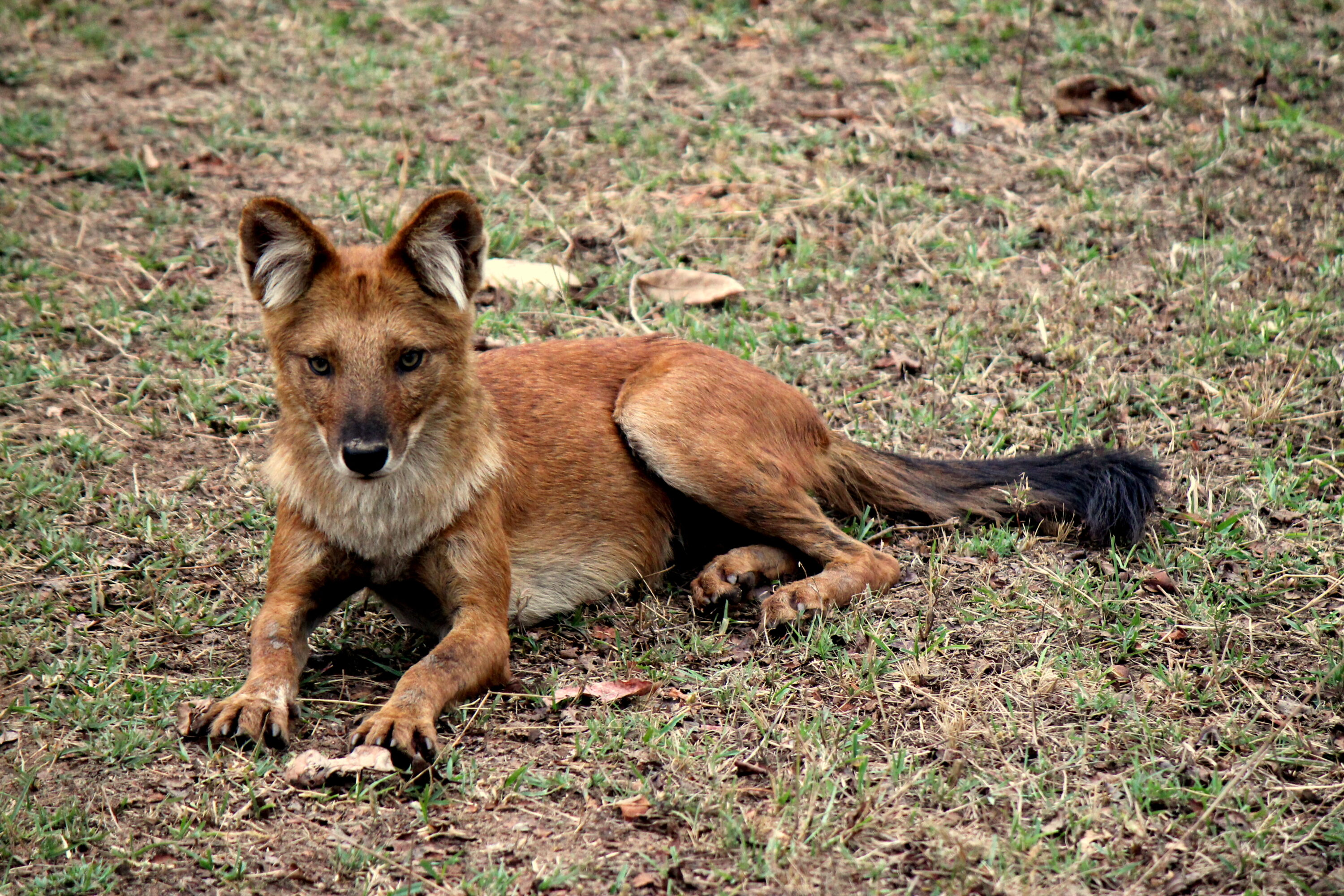
Dhole Gets Its First Chromosome-Level Genome Assembly
Researchers assembled a 2.42-billion-base genome for the dhole, anchoring 97.0% of its sequence to 39 chromosomes. The resource…
Read story →SPECIES IN THIS STORY
Species in this story
Independent research and conservation news archive
Did you find this information useful?
Wildlife Vagabond is independently built and maintained. Voluntary support helps cover source verification, hosting and continued work on research and conservation news.
Support Wildlife VagabondThe news archive will remain freely available.