
Aardvark Calves Born in Nashville, Chester and Berlin in 2026
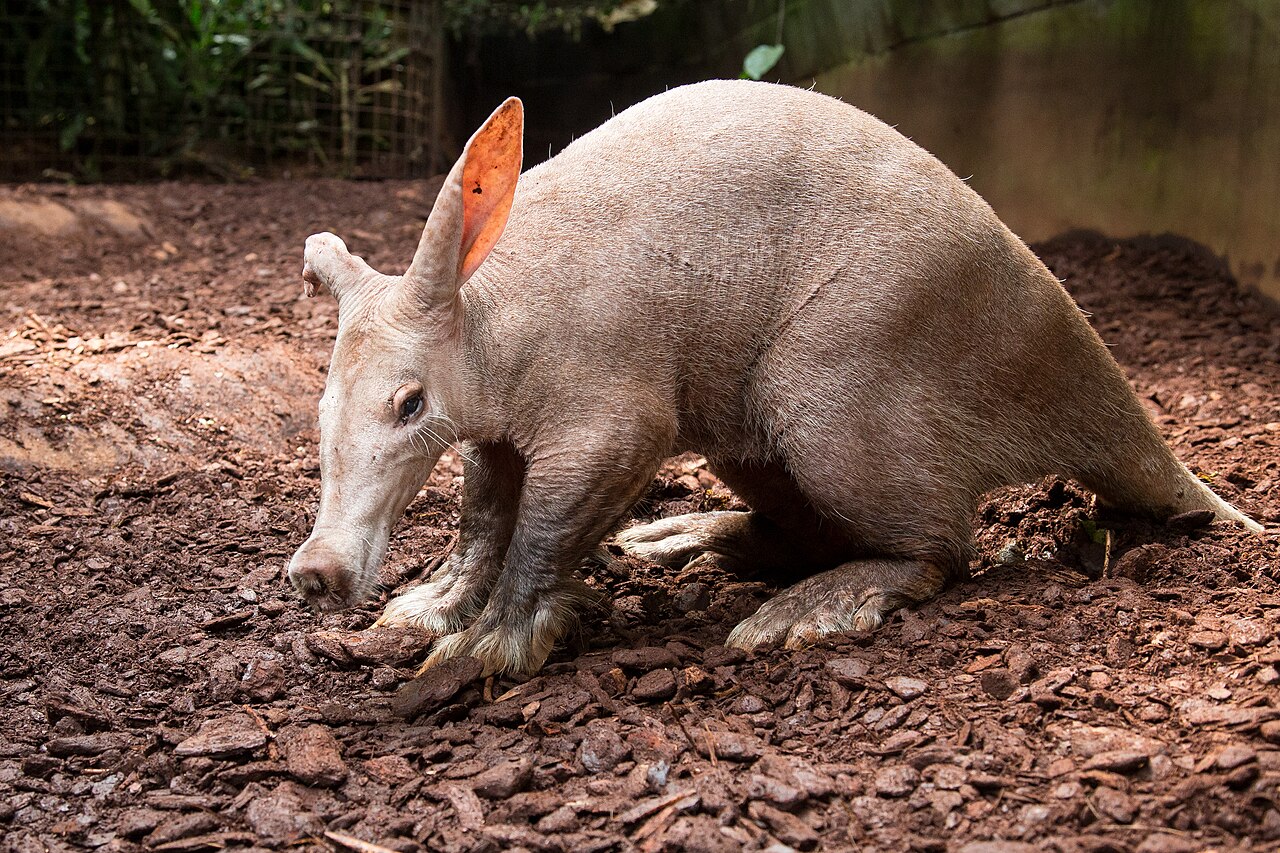
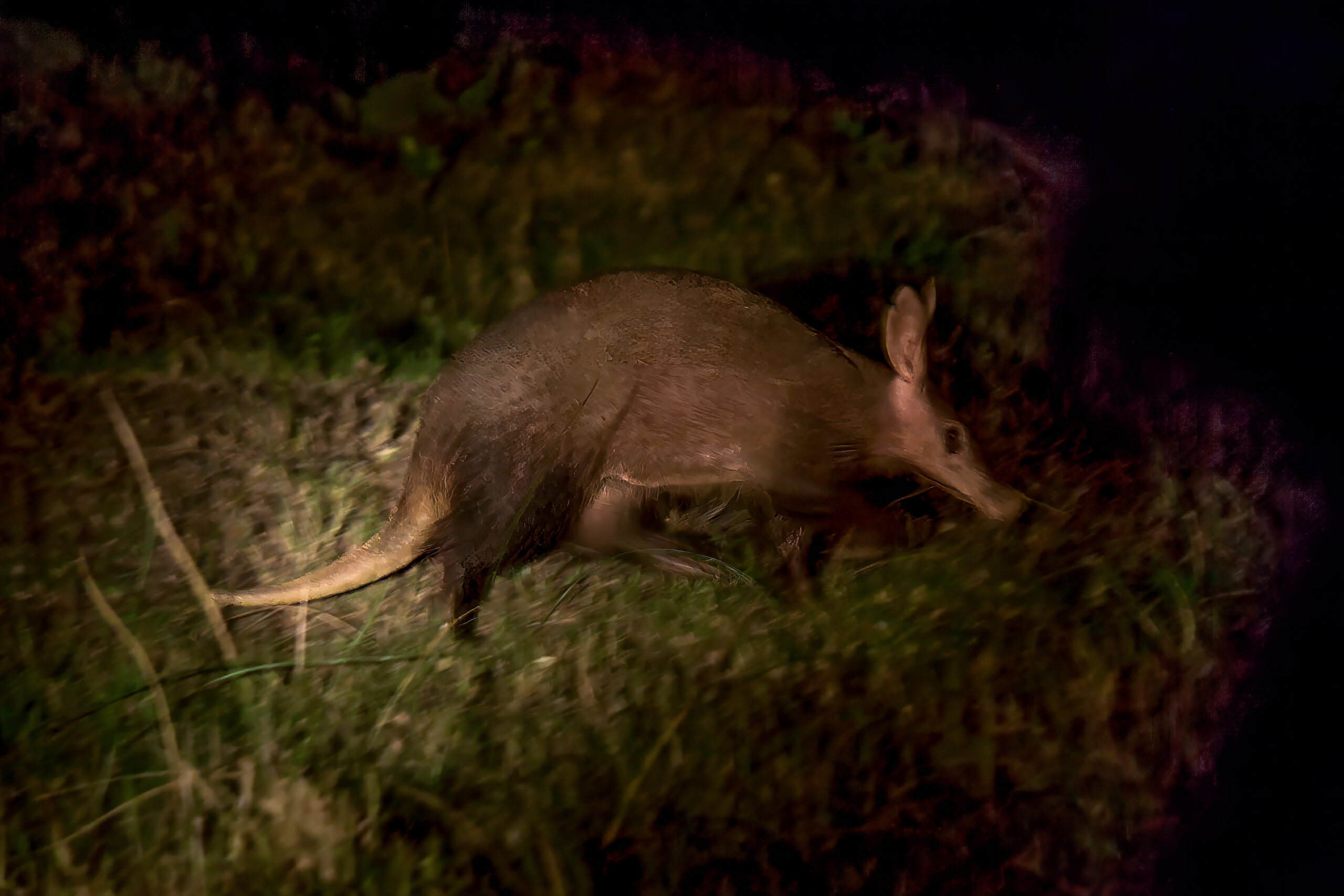
Three zoos reported aardvark (Orycteropus afer) calves in 2026. The births in Nashville, Chester and Berlin involved a species kept at relatively few zoos, and the calves received very different forms of care during their first weeks.
Nashville: routine monitoring after the zoo’s first aardvark birth
Nashville Zoo announced on 12 January that Karanga had given birth on New Year’s Day. The four-pound calf was the first aardvark born at the zoo. Nashville reported that it became the 34th aardvark living in a zoo accredited by the Association of Zoos and Aquariums and the first calf born in that network since 2024. Mother and calf were monitored in a behind-the-scenes area.
Chester: supplementary feeding was needed
At Chester Zoo, keepers had to intervene when Oni did not produce enough milk for her calf. The youngster, nicknamed Womble and announced on 20 May, spent the first weeks in an incubator during the night and received warm milk from a bottle every few hours while its nocturnal mother foraged. It was reunited with Oni each morning and was living with her full-time by the time of the announcement. This was only the second aardvark birth in the zoo’s 94-year history. Chester reported that 68 aardvarks lived in European zoos and 114 in zoos worldwide.
Berlin: minimal disturbance in the first weeks
Zoo Berlin announced a third calf on 23 July. Memphis had given birth on 11 July to her second offspring with Kito after their first calf was born in April 2025. The new calf had reached about three kilograms. During the sensitive early period, the keepers gave mother and calf as much quiet as possible and approached them only briefly for health and weight checks. Zoo Berlin noted that despite a gestation of about eight months, aardvark calves are born relatively small and not yet very independent, and normally continue nursing for around six months.
Together, the three announcements provide concrete examples of early management in aardvarks: routine monitoring in Nashville, supplementary feeding followed by reunion in Chester, and minimal disturbance with short checks in Berlin.
Management
Related news
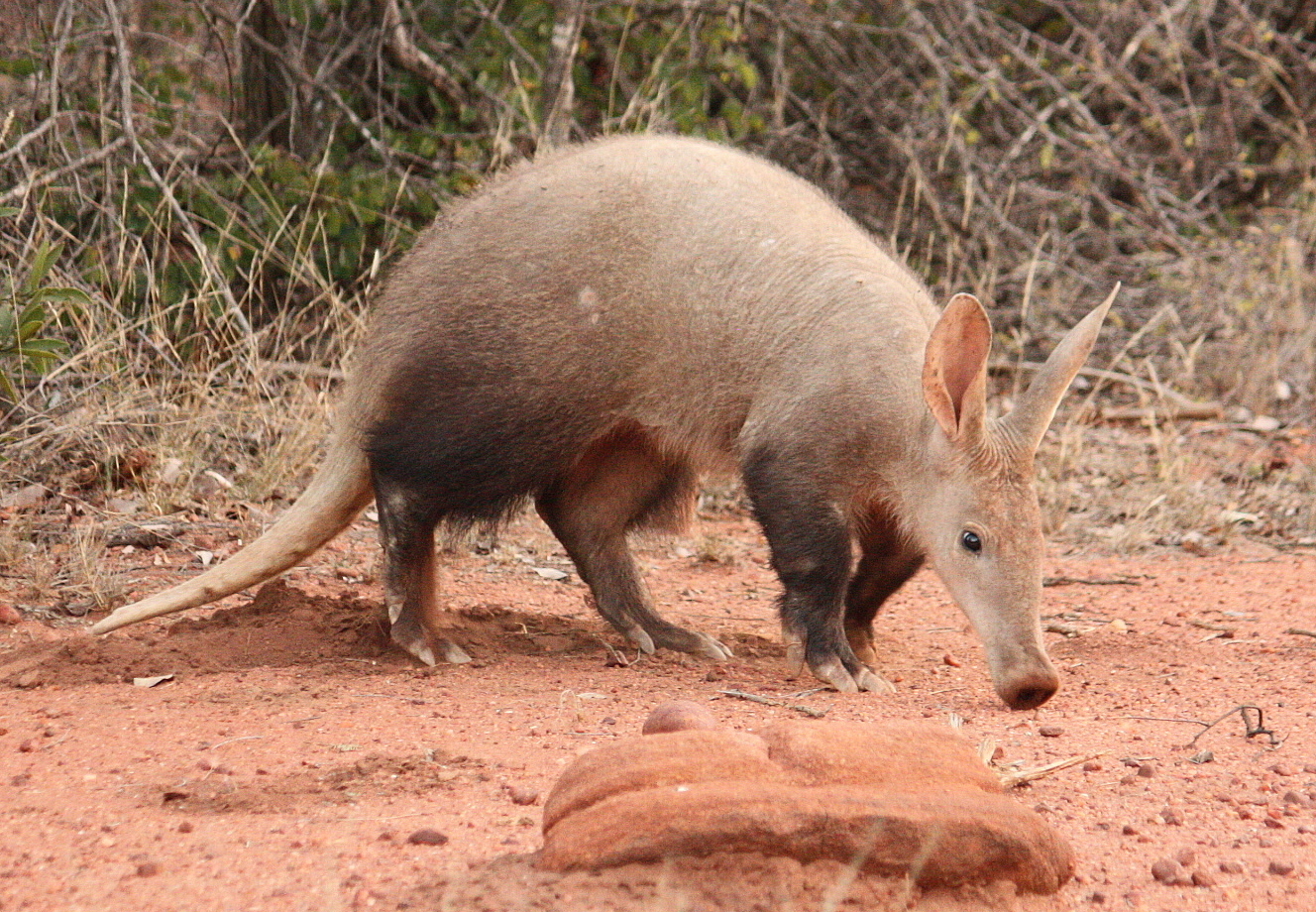
Aardvarks are selective about which termite mounds they dig into
A study of 2,284 termite mounds in Zimbabwe found that aardvarks forage selectively, with mound size, spacing and…
Read story →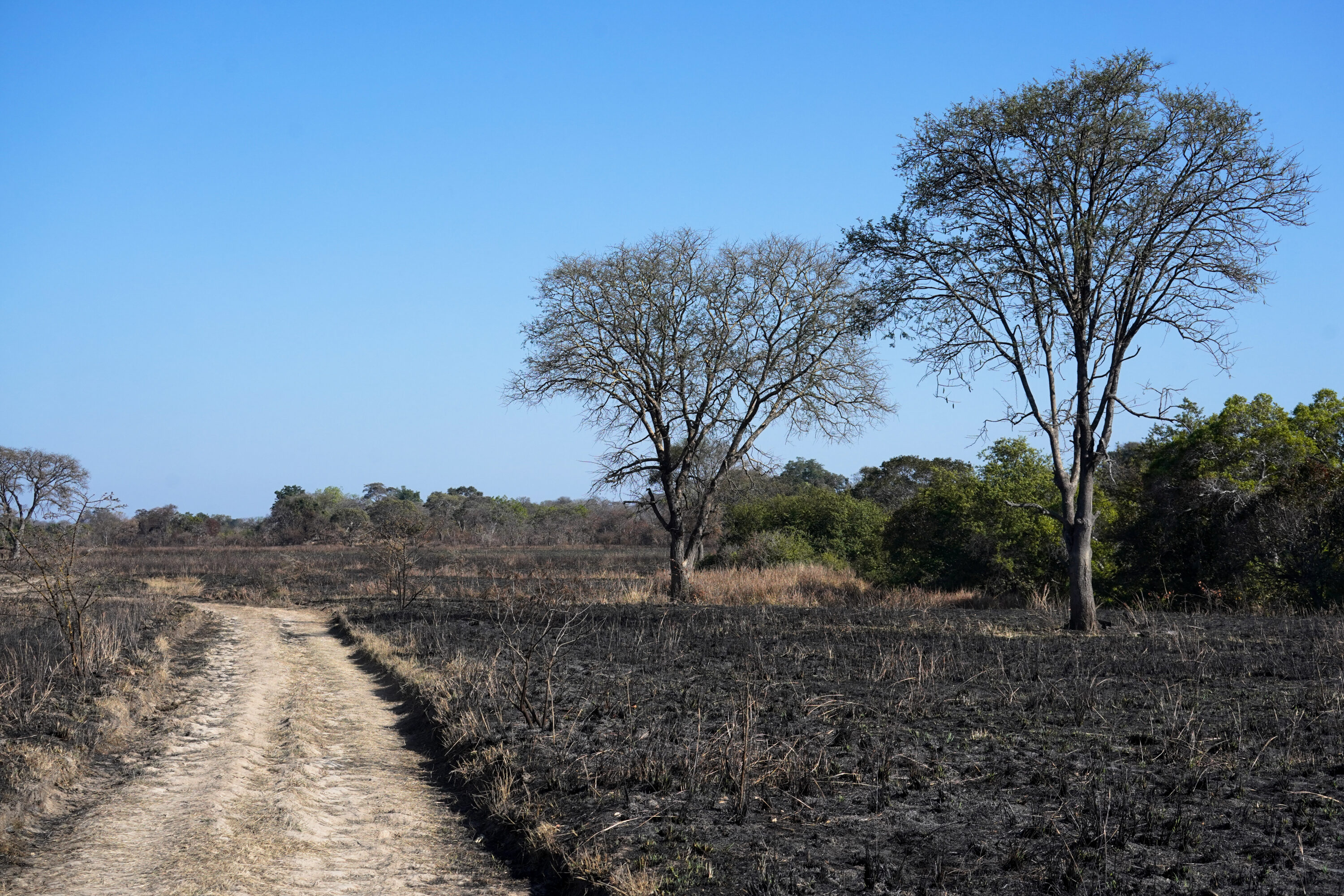
Local Mammal Site Use Fell in Burned Namibian Savanna During the First Five Months After Wildfire
Camera traps following 31 medium- and large-sized mammal species in eastern Namibia found that local site use in…
Read story →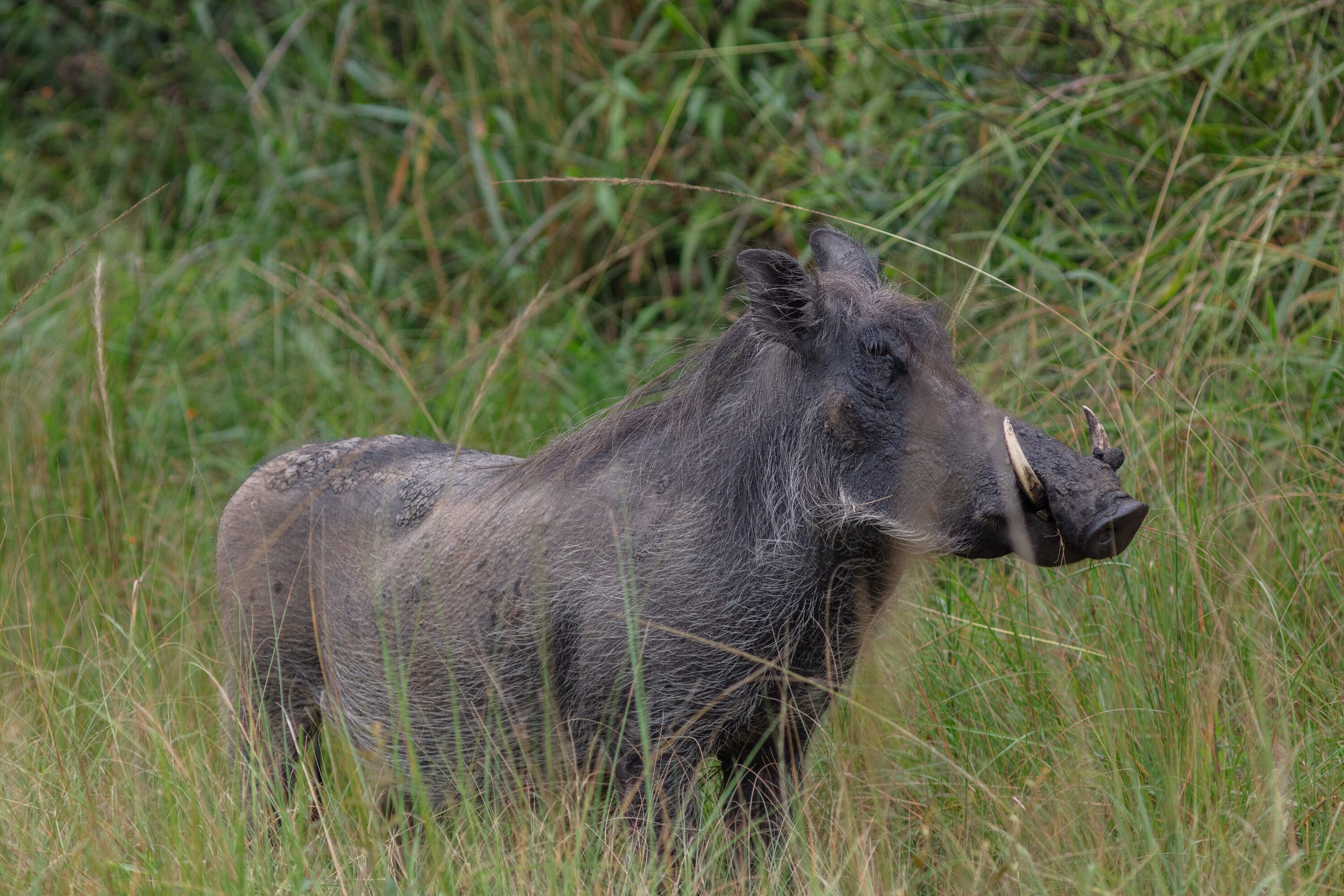
Common Warthogs, Spotted Hyenas and Aardvarks Shared the Same Den Sites in Uganda
Camera traps at 20 active den sites in Murchison Falls National Park showed common warthogs, spotted hyenas and…
Read story →SPECIES IN THIS STORY
Species in this story
Independent research and conservation news archive
Did you find this information useful?
Wildlife Vagabond is independently built and maintained. Voluntary support helps cover source verification, hosting and continued work on research and conservation news.
Support Wildlife VagabondThe news archive will remain freely available.