
Aardvark Moved to Near Threatened in South Africa–Lesotho–Eswatini Red List
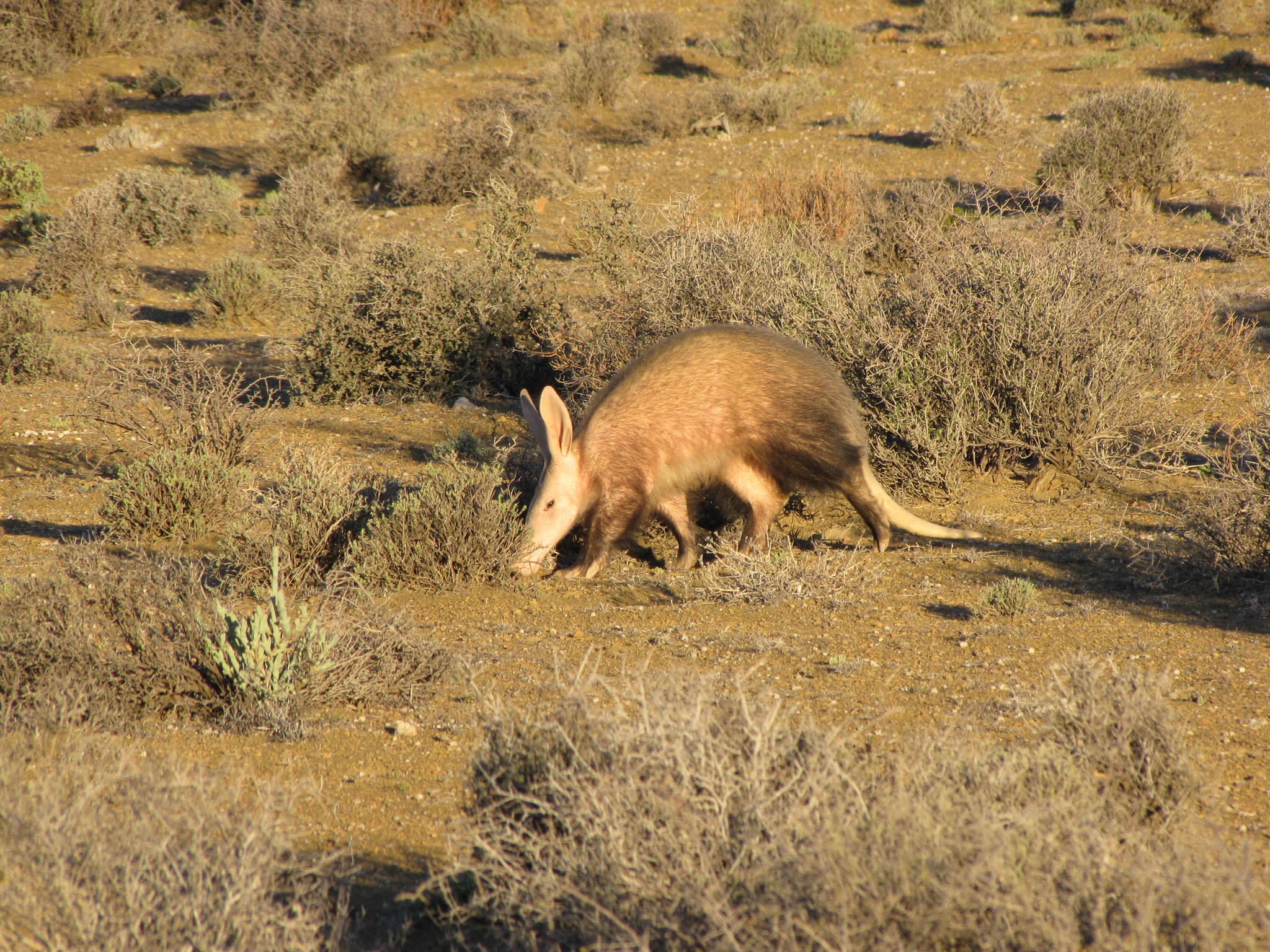
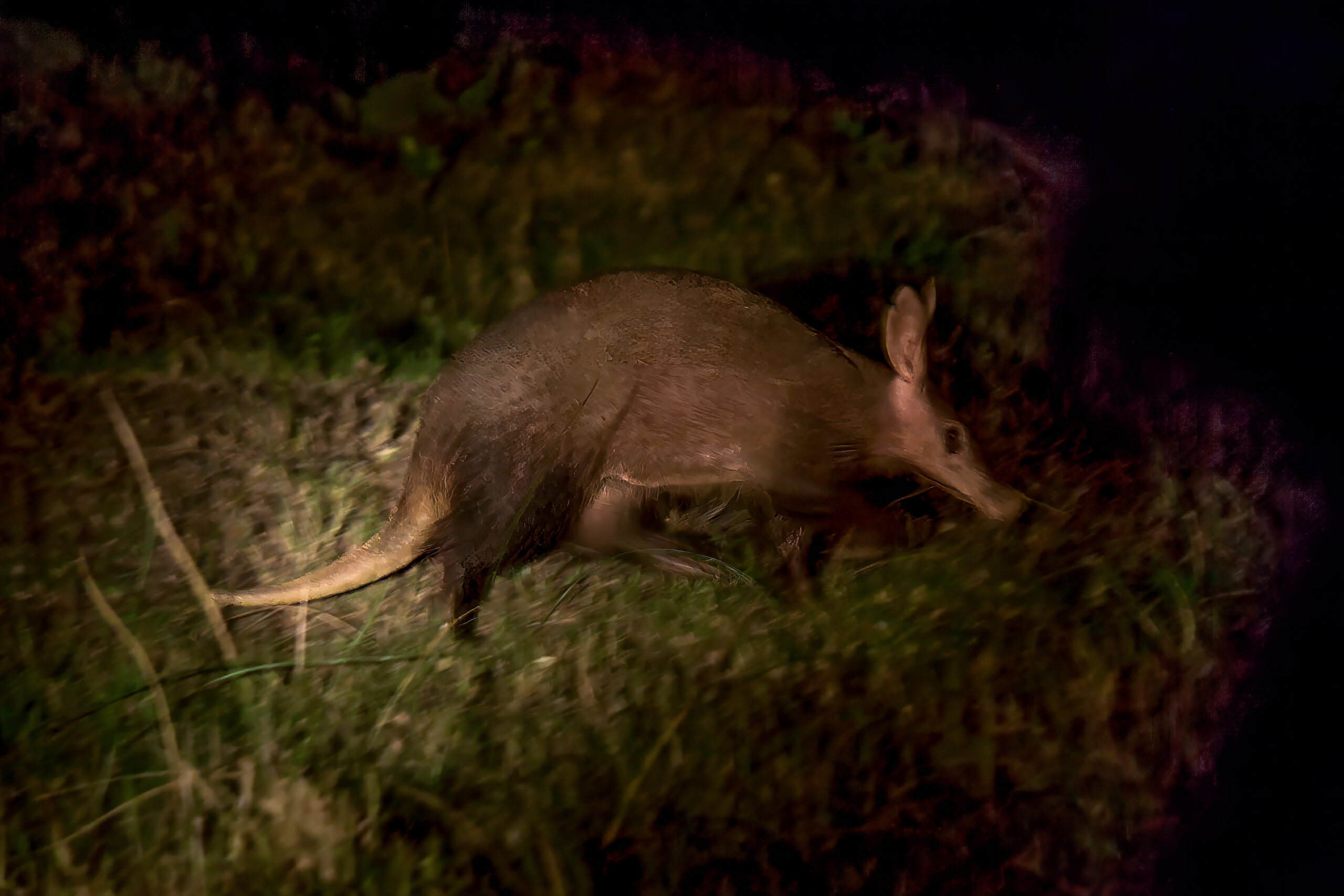
The aardvark (Orycteropus afer) has been moved from Least Concern to Near Threatened in the 2025 Regional Mammal Red List for South Africa, Lesotho and Eswatini, launched on 21 January 2026. The category applies only within those three countries and does not represent a change to the species’ global IUCN Red List status.
The revised list assessed 336 mammal taxa, with 11 moved to higher risk categories. For aardvark, the category change is based on an inferred population reduction: evidence that the species’ overall distribution has declined and its habitat quality has deteriorated. The assessment links this to climate change and climate-related droughts that have reduced the availability of insect prey. It does not report a new regional census or a measured percentage decline in aardvark numbers.
Climate-related local declines drove the concern
This concern is consistent with the previous regional assessment, which already noted growing evidence that climate change was contributing to local declines and warned that the species could qualify as Near Threatened if those pressures continued. Aardvarks depend heavily on ants and termites, so prolonged drought can affect them indirectly by reducing the prey base on which they rely.
Near Threatened is not one of the IUCN categories classified as threatened with extinction, but it indicates that the species is close to meeting the criteria for a threatened category within the regional assessment area. The 2025 reassessment therefore represents a clear worsening of the regional conservation picture without implying that aardvark is globally Near Threatened.
Population & status
Related news
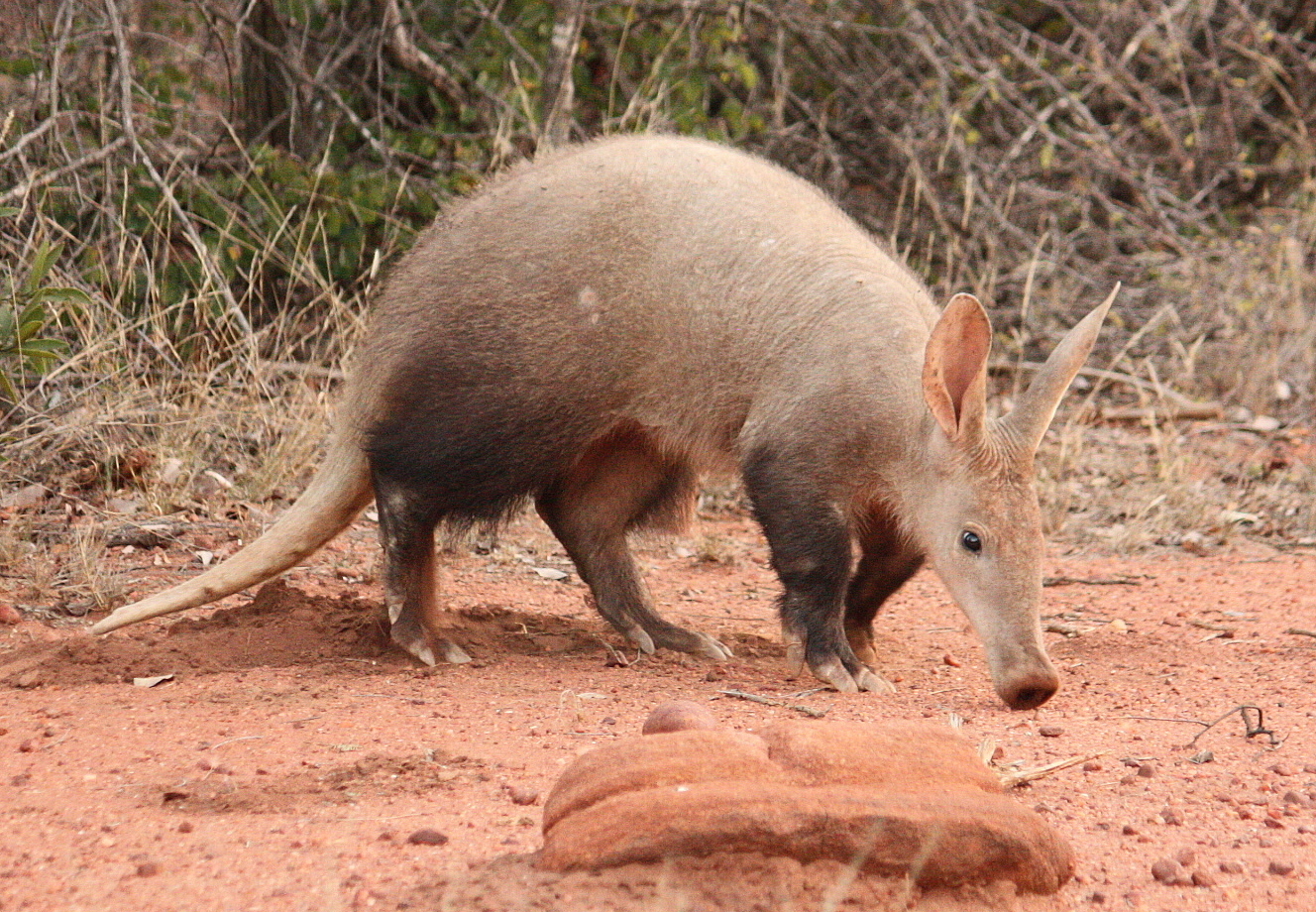
Aardvarks are selective about which termite mounds they dig into
A study of 2,284 termite mounds in Zimbabwe found that aardvarks forage selectively, with mound size, spacing and…
Read story →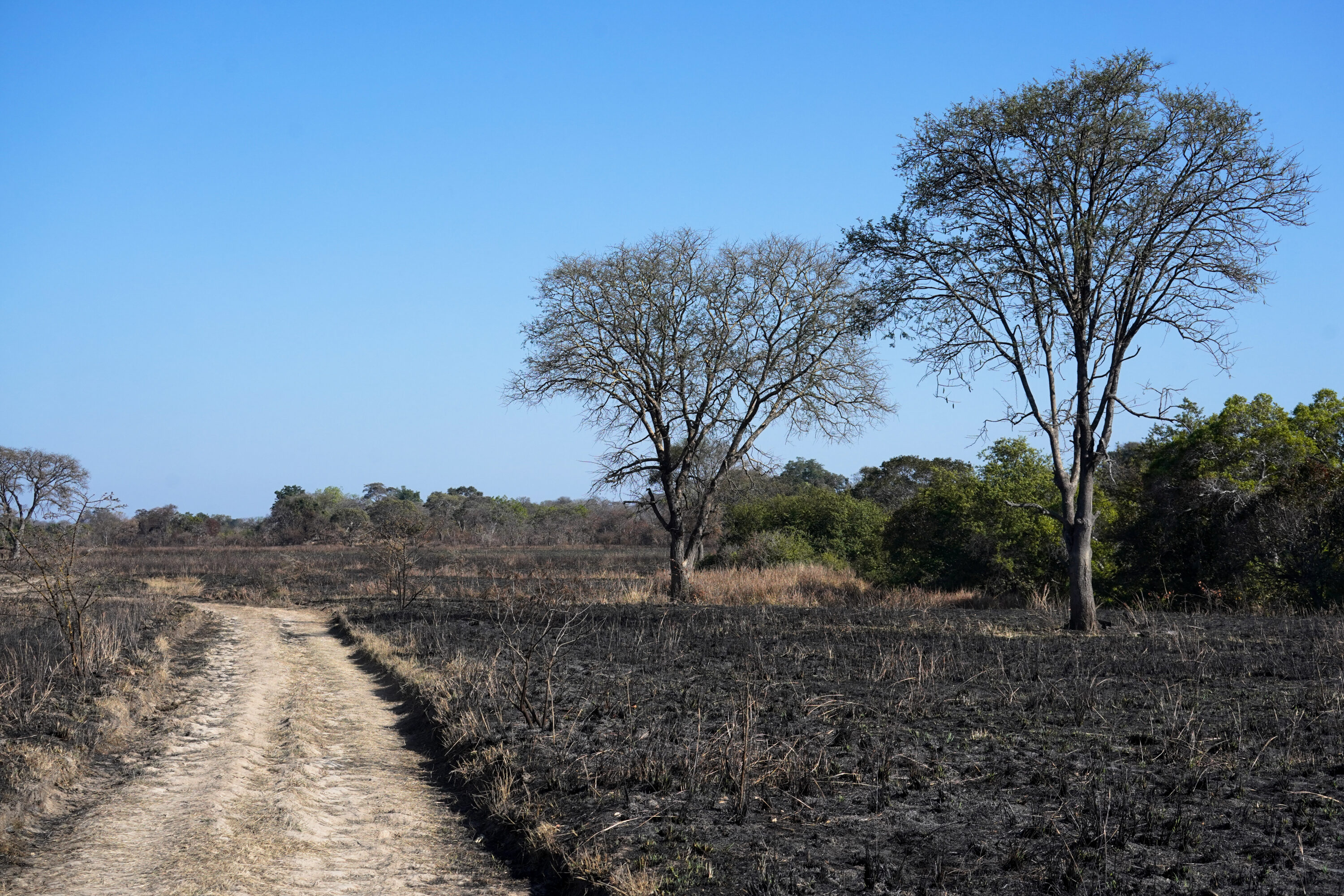
Local Mammal Site Use Fell in Burned Namibian Savanna During the First Five Months After Wildfire
Camera traps following 31 medium- and large-sized mammal species in eastern Namibia found that local site use in…
Read story →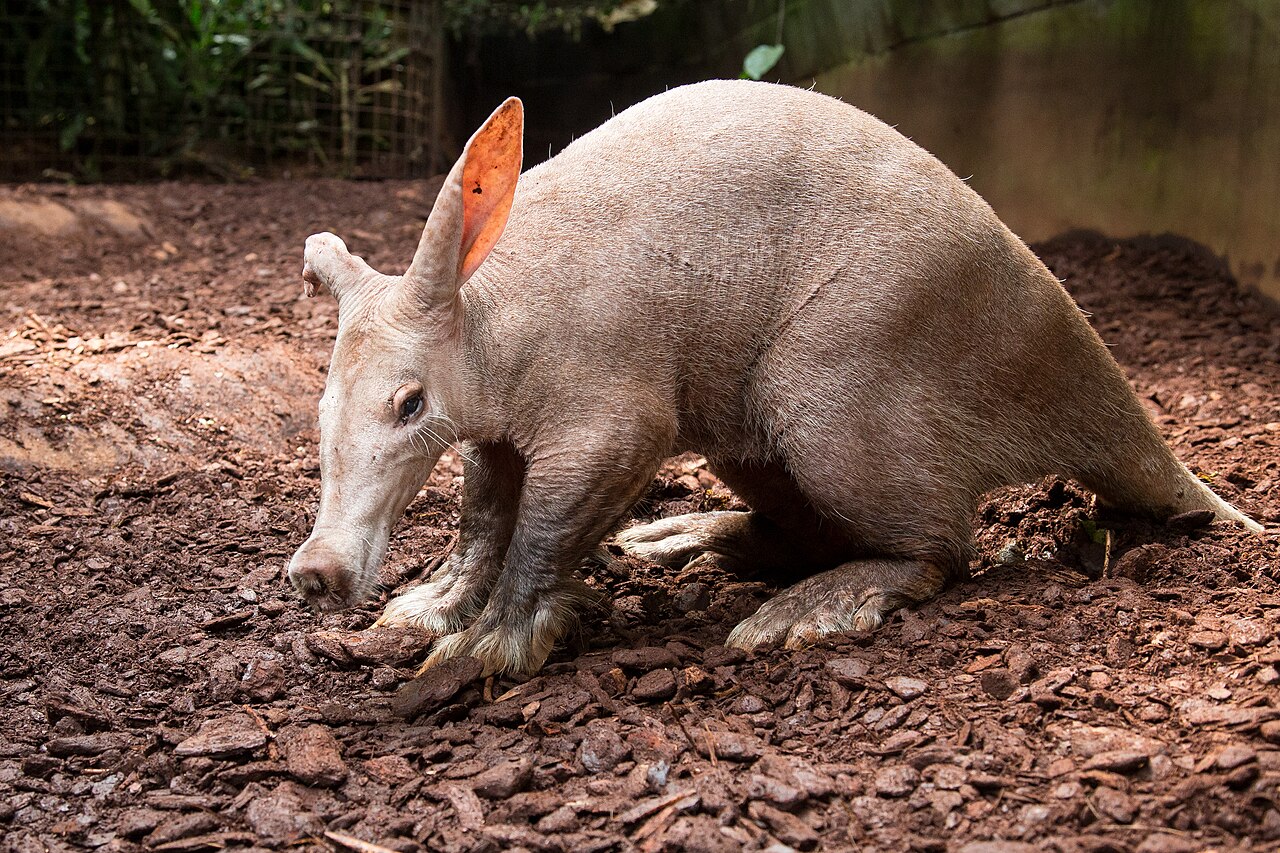
Aardvark Calves Born in Nashville, Chester and Berlin in 2026
Three zoos reported aardvark calves in 2026, with early care ranging from close monitoring and minimal disturbance to…
Read story →SPECIES IN THIS STORY
Species in this story
Independent research and conservation news archive
Did you find this information useful?
Wildlife Vagabond is independently built and maintained. Voluntary support helps cover source verification, hosting and continued work on research and conservation news.
Support Wildlife VagabondThe news archive will remain freely available.