
Estimated Adult Tree Sparrow Survival Was Lower in Intensively Managed Madrid Parks
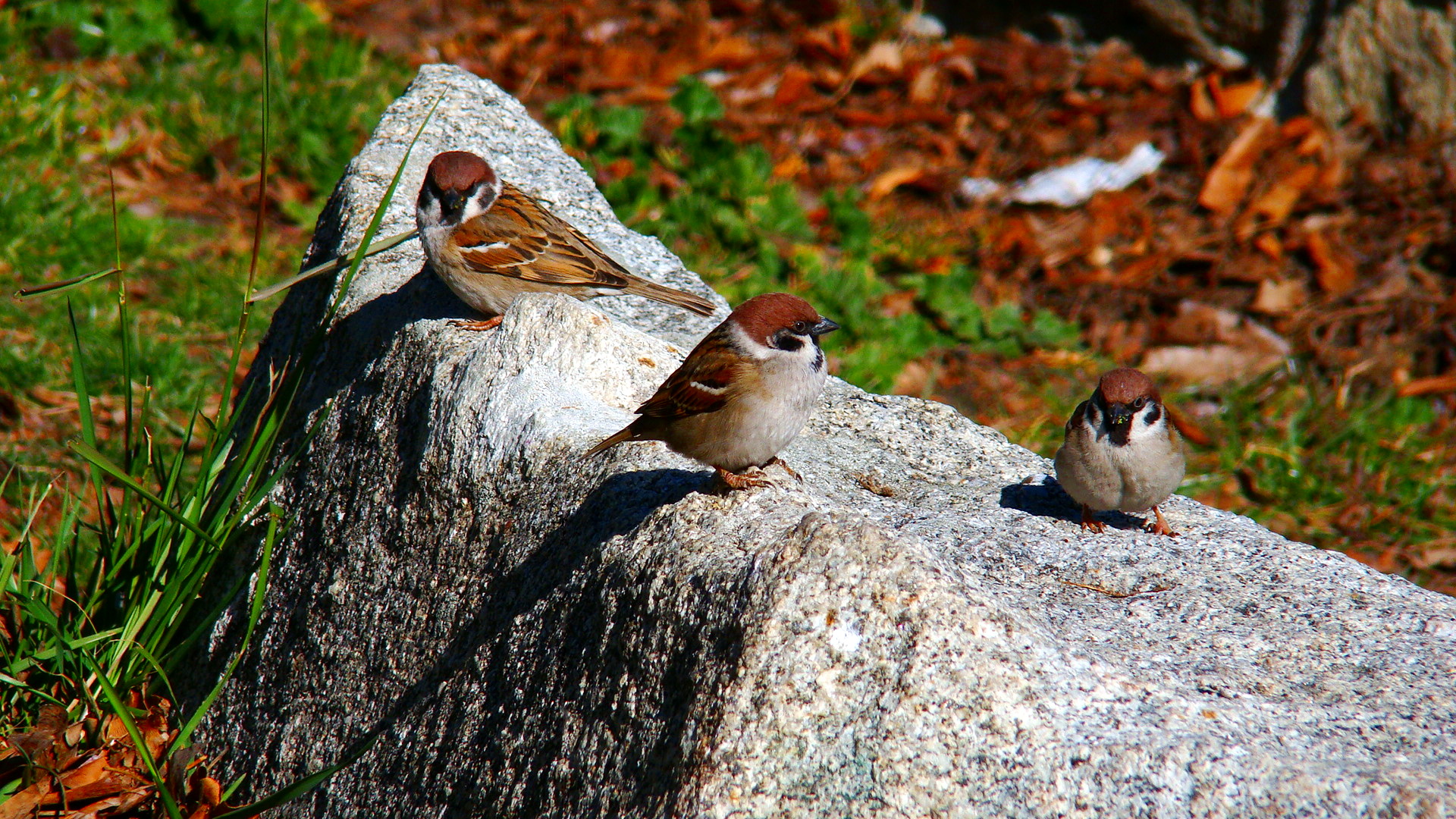
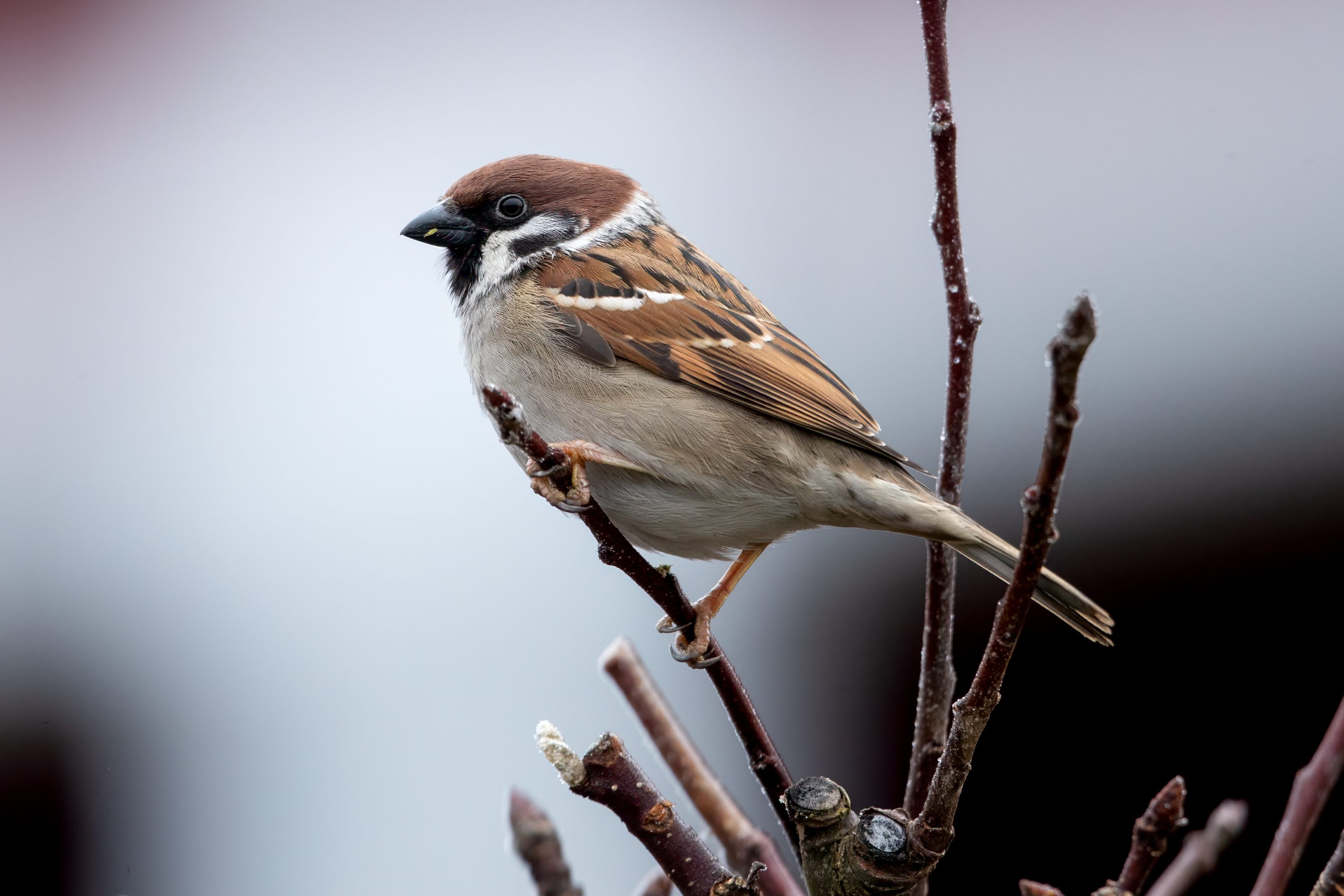
Adult Eurasian tree sparrows had lower estimated survival in intensively maintained green spaces than in less intensively managed areas of Madrid. The finding comes from a study published on 25 April 2026 in Urban Science, which followed both survival and reproduction over 19 years.
The researchers monitored Eurasian tree sparrows (Passer montanus) at five urban and suburban sites from 2004 to 2022. They checked around 400 nest boxes annually from April to August and operated standardised ringing stations. They marked 8,510 birds in total; the survival analysis used capture histories of 7,546 individuals first ringed as juveniles. By following whether marked birds were encountered again in later years, the models estimated the probability that a bird was still alive and remained within the monitored population.
Survival under different maintenance regimes
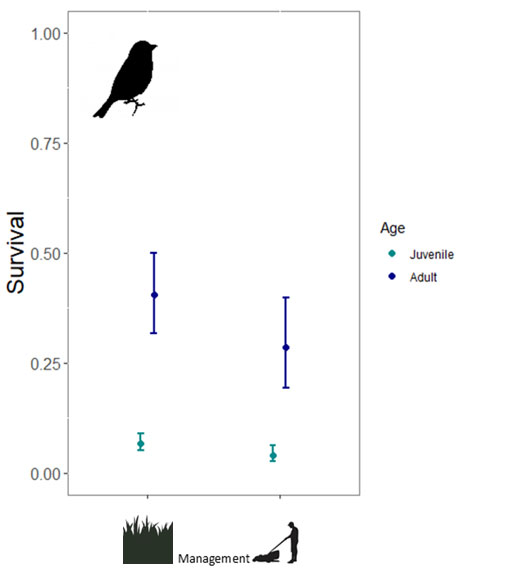
Three sites received intensive maintenance: frequent mowing, summer irrigation, heavy pruning, fertiliser and the upkeep of bare soil. At two less intensively managed sites, maintenance was limited to mowing wild grasses in August to reduce fire risk, without irrigation or fertiliser.
Estimated adult survival was 40.5% in low-management areas and 28.5% in high-management areas. The corresponding estimates for the model’s first-year/transient class—young birds together with individuals that may only have been present temporarily—were 6.8% and 4.1%. These very low values should not be read as direct juvenile mortality. They are estimates of local or apparent survival: a bird that permanently disperses away from the study area is indistinguishable from one that dies.
Different breeding effort, similar final success
Intensively maintained sites had more nests built without subsequent egg-laying, fewer eggs and fewer broods per season. However, the numbers of nestlings and fledglings did not differ significantly between management levels, and neither did overall breeding success. The authors interpret this as different patterns of breeding effort leading to similar final breeding outcomes.
The researchers discuss reduced availability of high-quality natural food as a possible explanation for poorer survival, but did not measure food availability in this study. They also call for studies in other cities to assess how widely the results apply.
Their management proposals include less frequent mowing, retaining patches of natural grassland, encouraging wildflowers for pollinators and increasing structural variety in green spaces.
Ecology
Related news
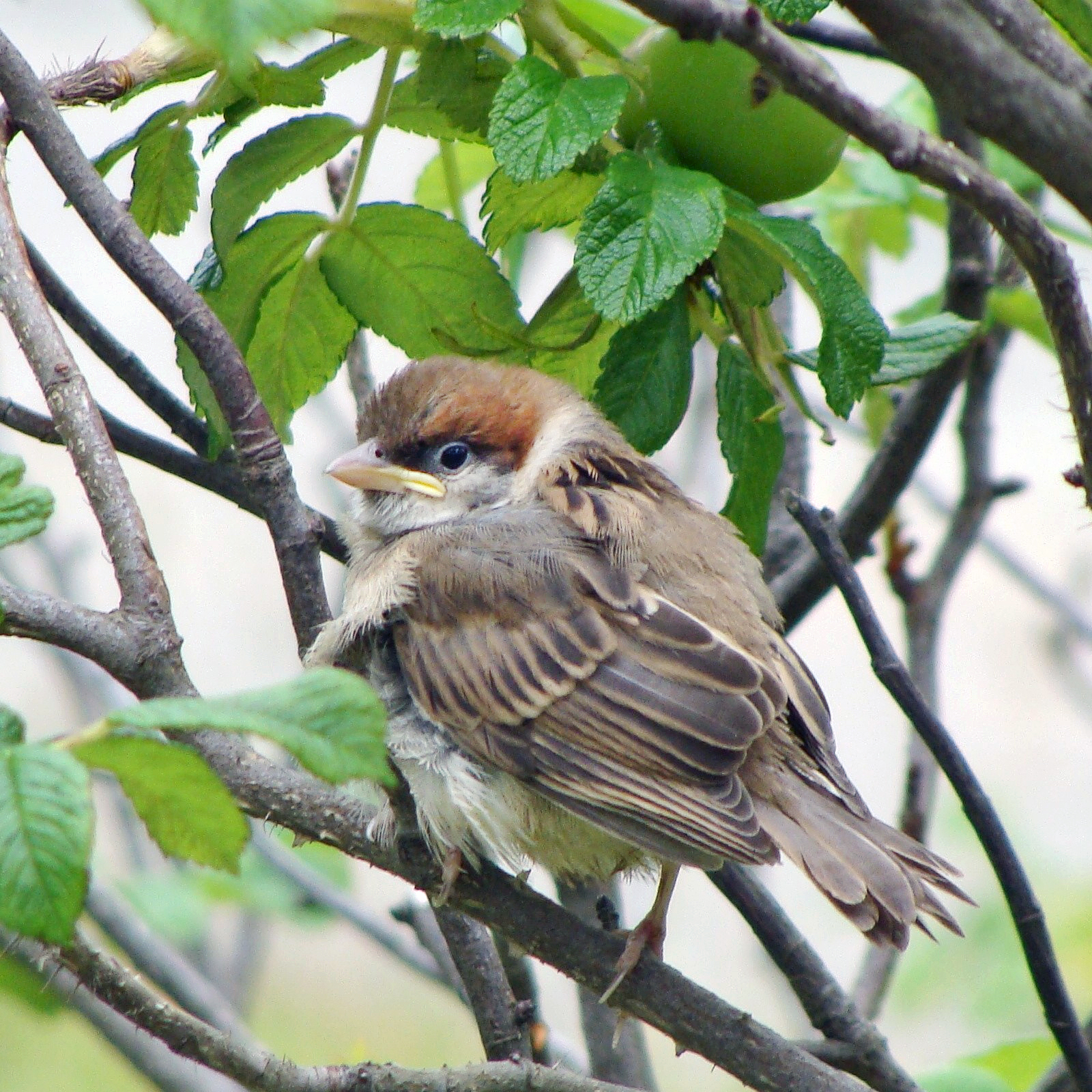
Ground Beetles Dominated the Diet of Eurasian Tree Sparrow Chicks
DNA metabarcoding of 59 faecal samples from Eurasian tree sparrow chicks at three sites in southern England detected…
Read story →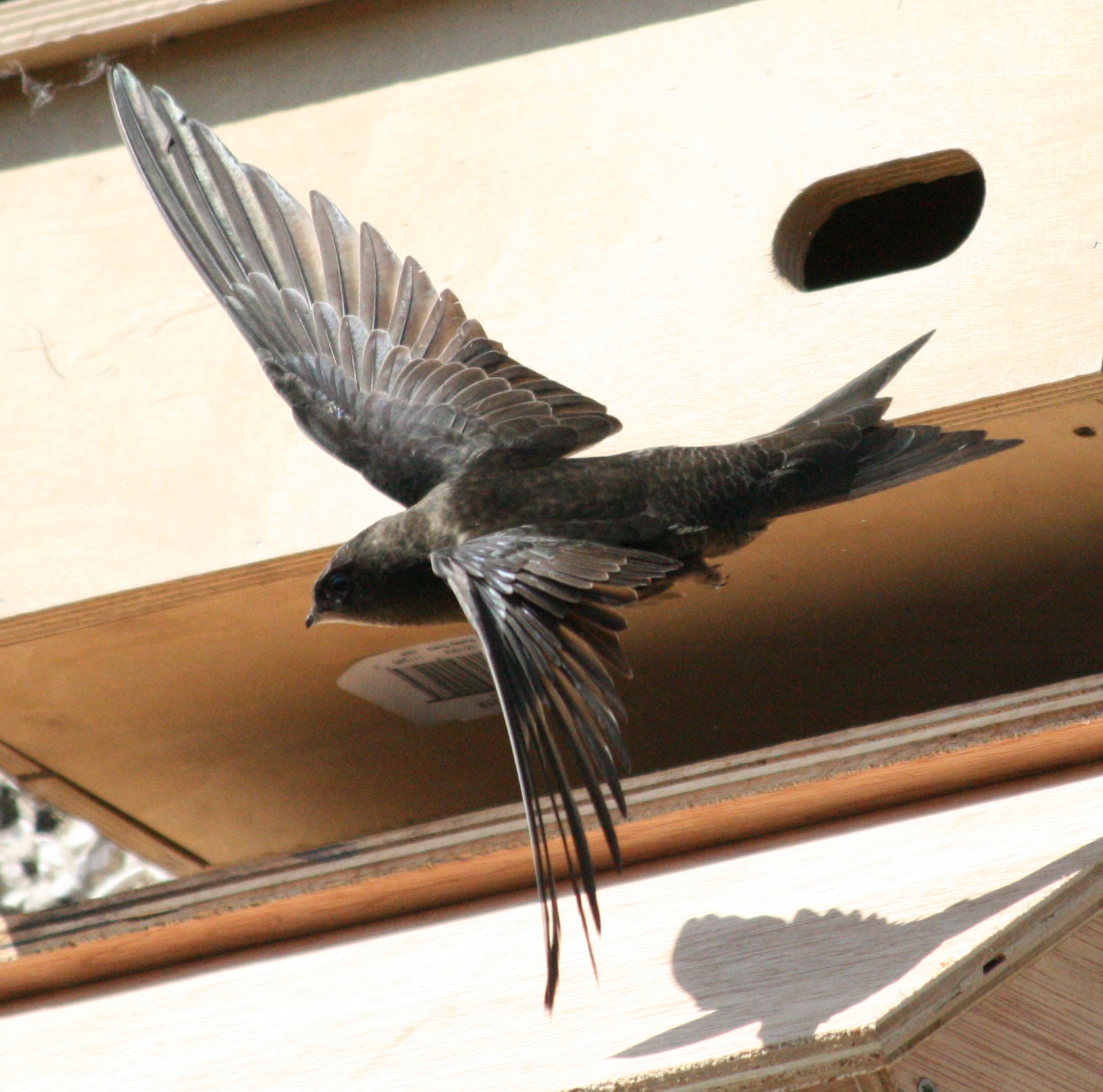
2023 Survey Found Eurasian Tree Sparrows in 7.8% of a Beijing Swift Tower’s Usable Boxes
A 2023 breeding-season survey found Eurasian tree sparrows in 137 of 1,763 usable boxes in a Beijing tower…
Read story →
Tree and House Sparrows Divided Assam’s Urban Landscape
Surveys across five towns found tree sparrows most strongly associated with green suburban zones, while house sparrows concentrated…
Read story →SPECIES IN THIS STORY
Species in this story
Independent research and conservation news archive
Did you find this information useful?
Wildlife Vagabond is independently built and maintained. Voluntary support helps cover source verification, hosting and continued work on research and conservation news.
Support Wildlife VagabondThe news archive will remain freely available.