
All 40 Lisbon Feral Pigeons Carried Haemoproteus columbae
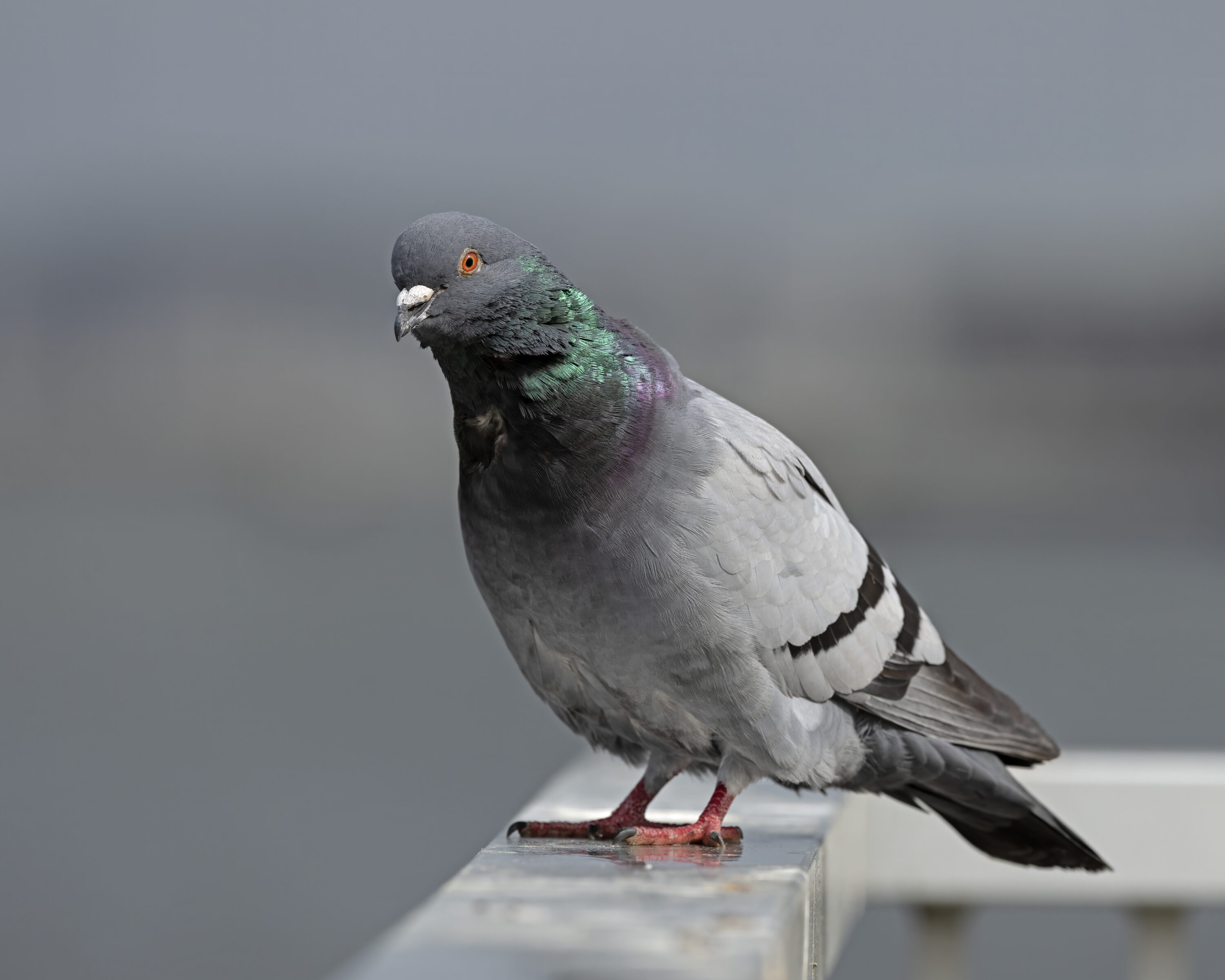
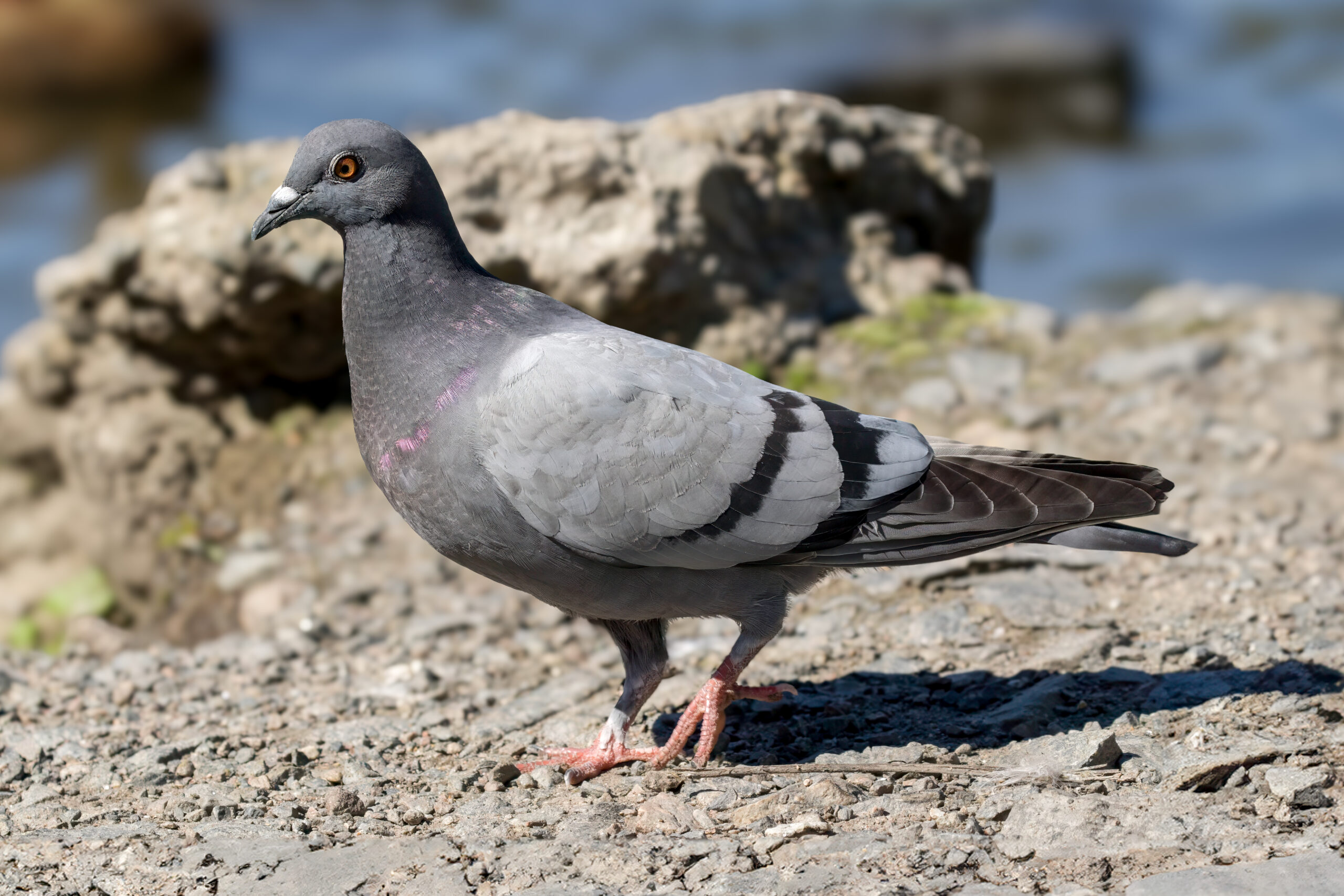
All 40 feral pigeons examined at two sites in Lisbon were infected with the blood parasite Haemoproteus columbae, according to a study published on 3 April 2026. Feral pigeons are the domestic-derived form of rock dove (Columba livia), and the researchers combined microscopy with DNA analysis to investigate parasite prevalence and diversity.
H. columbae is a haemosporidian blood parasite. Haemosporidians are widespread in birds and can affect health and fitness even when infection is not obviously lethal, which makes both prevalence and parasite diversity biologically relevant.
The birds came from Alameda Afonso Henriques and Jardim da Estrela and had been captured as part of Lisbon City Council’s existing pigeon-control programme. They were not collected specifically for the research.
Four genetic parasite lineages were detected
Microscopy and molecular analysis identified four lineages of H. columbae: HAECOL1, COLIV03, COQUI05 and CXNEA02. HAECOL1 dominated, occurring in about 85% of the successfully genotyped birds.
All four lineages were new geographic records for Portugal. COLIV03, COQUI05 and CXNEA02 were reported in Europe for the first time, and the combined morphological and genetic evidence allowed CXNEA02 to be assigned to H. columbae for the first time. No Plasmodium or Leucocytozoon infections were detected.
Double gametocyte infections were linked to poorer condition
The researchers also recorded double gametocyte infections in 19 of the 40 birds (47.5%), where two parasite gametocytes — the sexual blood stages that can continue the parasite’s life cycle in its insect vector — occupied the same red blood cell. Parasitaemia — the proportion of red blood cells carrying parasites — ranged from 0.05% to 8.11%. Birds with double gametocyte infections had higher parasitaemia and lower body-condition scores than birds without them. Male–female double infections were found only within the dominant HAECOL1 lineage, a pattern the authors suggest may be relevant to transmission dynamics.
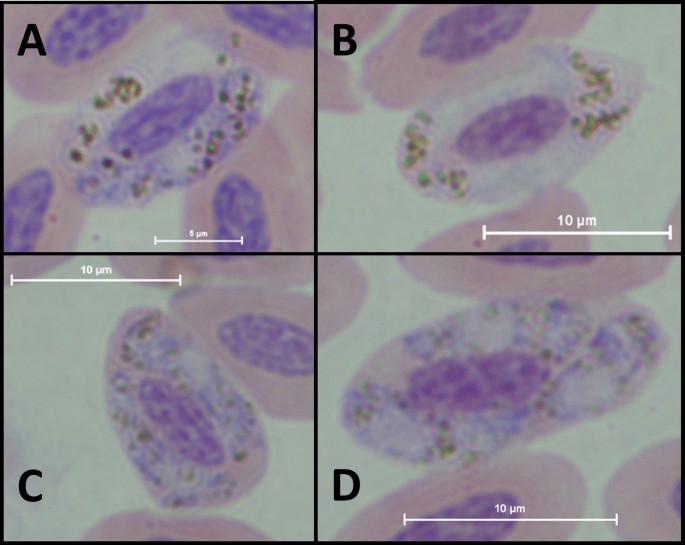
When the researchers analysed body condition using both parasitaemia and the presence of double gametocyte infections, the double infections remained associated with poorer body condition, whereas parasite density itself did not show a clear independent relationship. The authors therefore highlight infection complexity, rather than parasite density alone, as an important feature of this system.
Disease, parasites & microbiology
Related news
Rock Doves Preferred Predictive Information Despite a Lower Food Payoff
Seven rock doves preferred an informative option that paid on 20% of trials over a non-informative option that…
Read story →
Rotavirus A Antibodies Were Common in Feral Pigeon Samples but Rare in Wood-Pigeon Samples in Germany
A German study detected rotavirus A-reactive antibodies in 79.2% of free-ranging feral pigeons and 77.0% of domestic pigeons,…
Read story →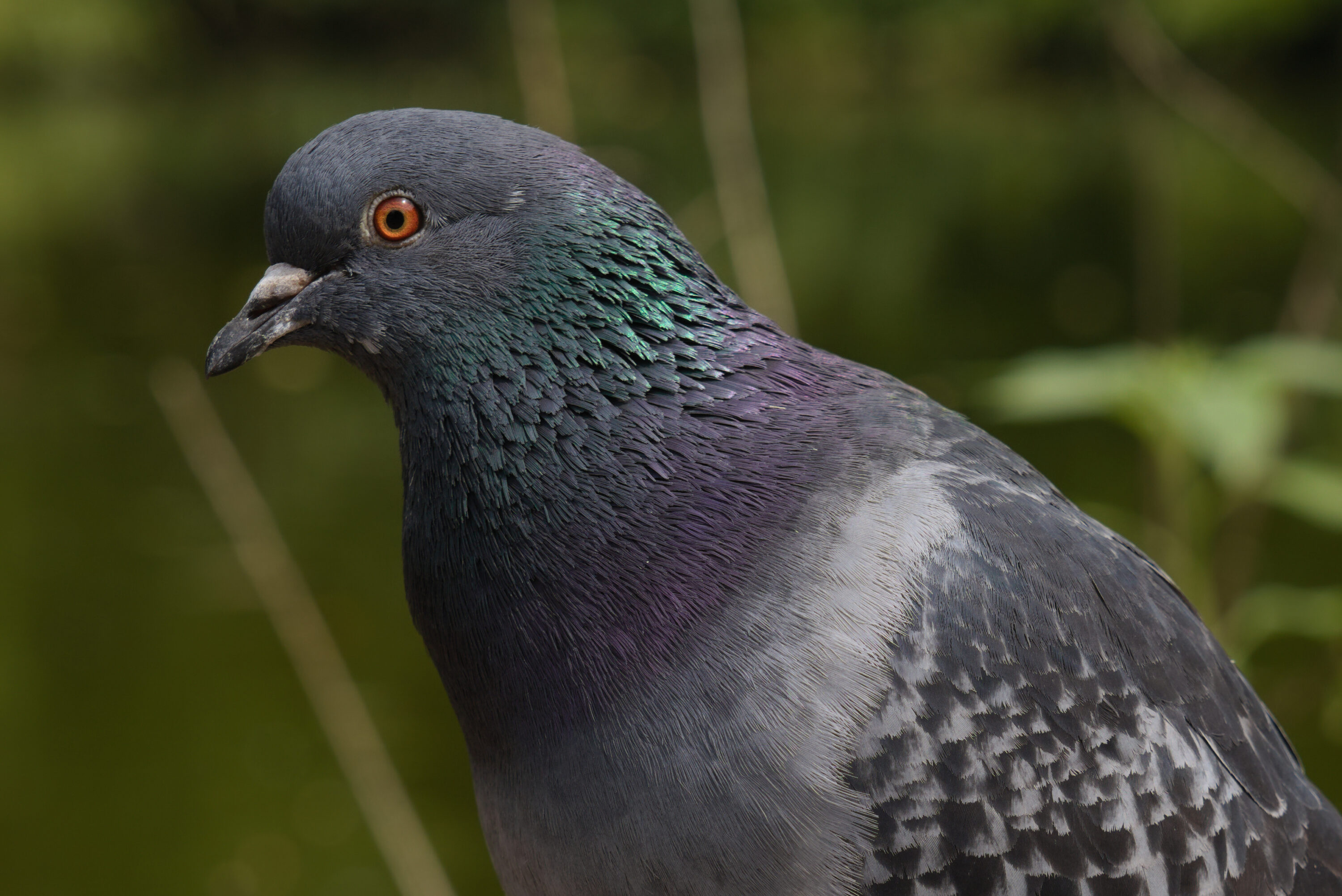
New Shiqi Pigeon Genome Placed 97.8% of Its Sequence on 41 Chromosomes
A chromosome-level genome from a female Shiqi pigeon in Zhongshan, China spans about 1.24 billion DNA bases, places…
Read story →SPECIES IN THIS STORY
Species in this story
Independent research and conservation news archive
Did you find this information useful?
Wildlife Vagabond is independently built and maintained. Voluntary support helps cover source verification, hosting and continued work on research and conservation news.
Support Wildlife VagabondThe news archive will remain freely available.