
Amur leopard density nearly tripled in a decade
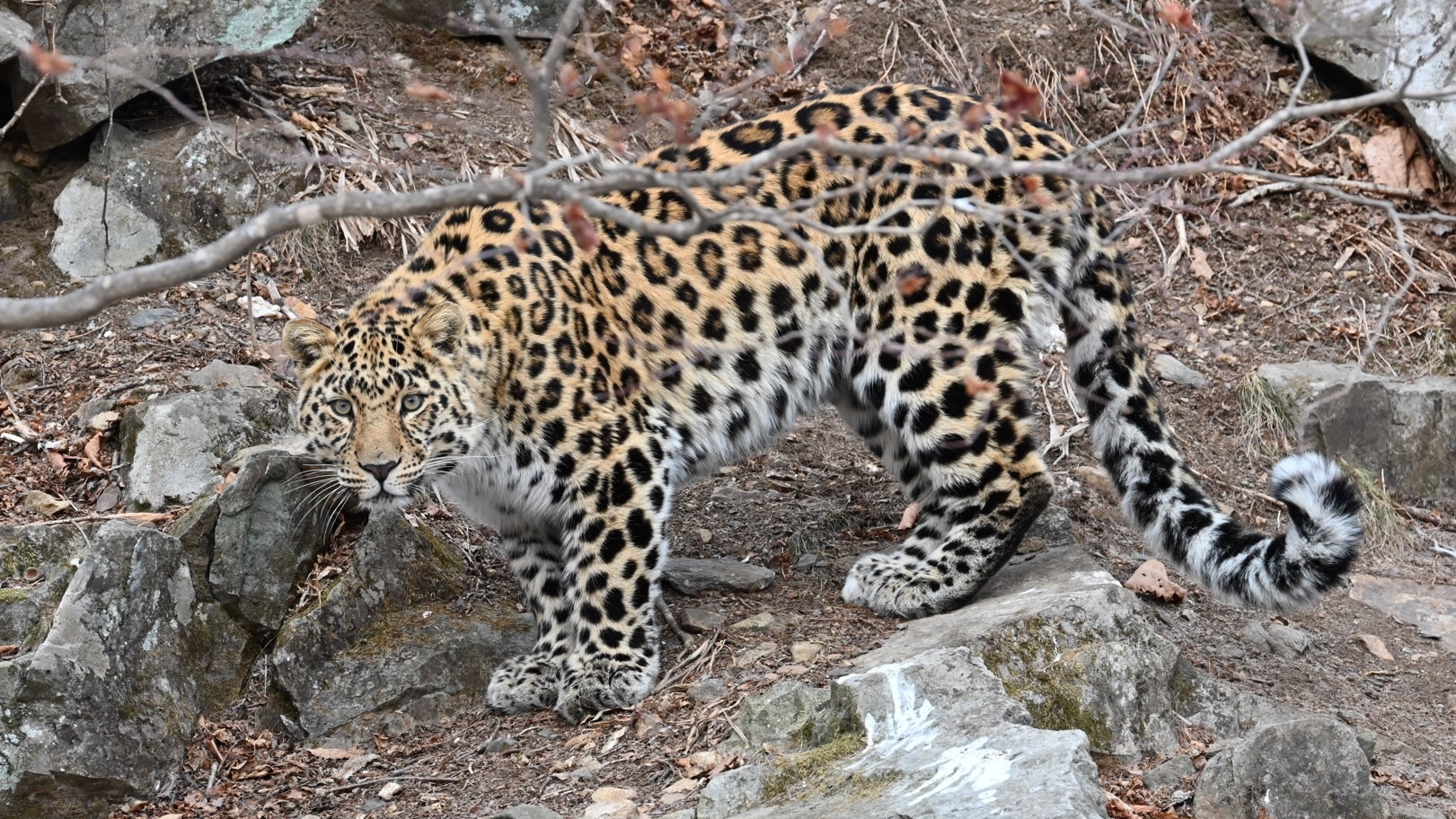
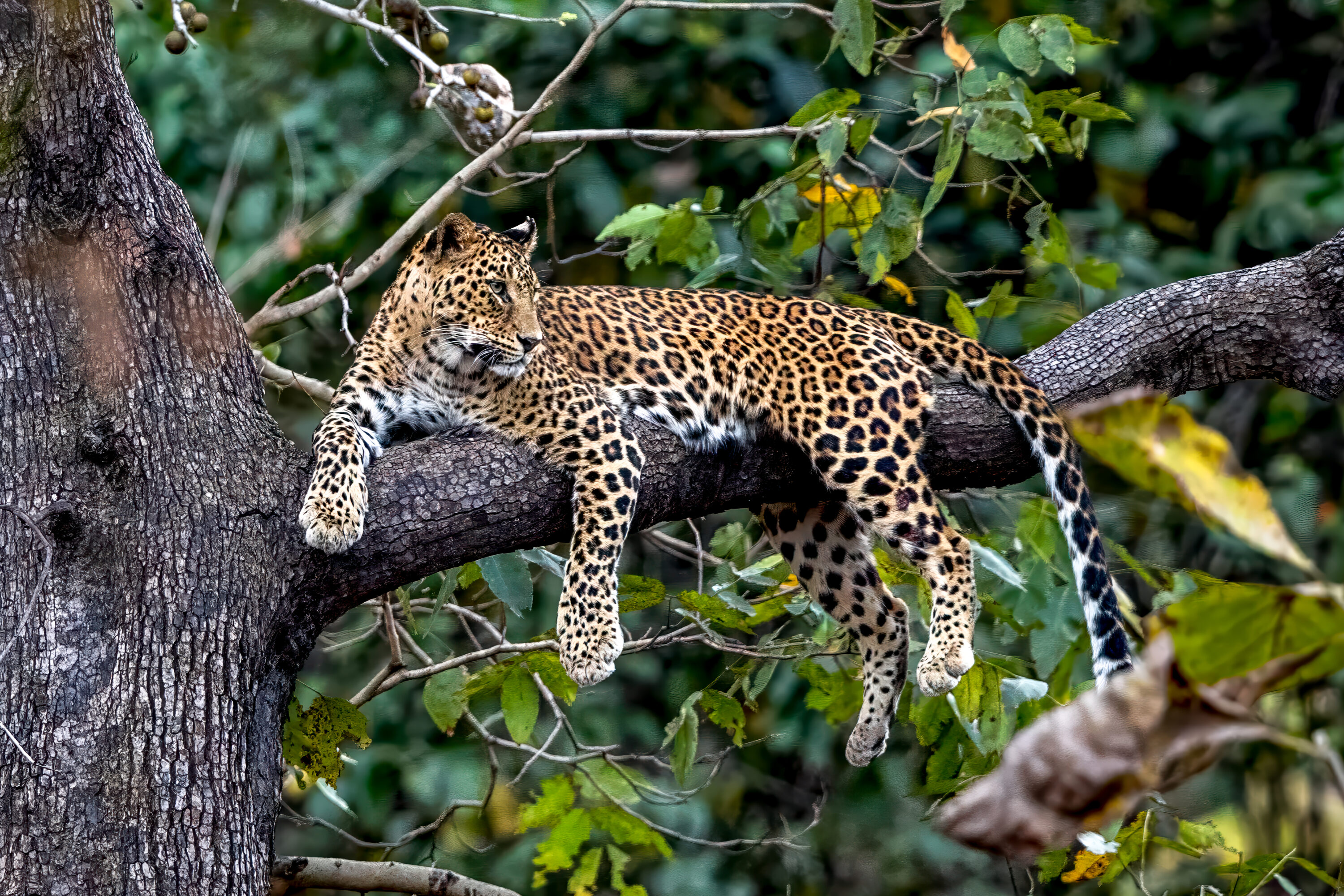
A decade of camera-trap monitoring in Russia’s Land of the Leopard National Park shows that Amur leopard (Panthera pardus orientalis) density increased from about 0.89 to 2.64 animals per 100 km² between 2014 and 2023 — close to a threefold increase.
The study did more than count leopards. By following individually recognisable animals through time, the researchers estimated survival, recruitment and reproduction. Annual apparent survival among adult leopards was estimated at about 79–91% and was the strongest demographic factor behind the population growth, while reproduction made a much smaller contribution. Apparent survival describes the proportion of known animals that survived and remained in the monitored population from one year to the next; permanent emigration can therefore be indistinguishable from death. The authors link the high adult survival to strengthened protection in the landscape.
The average annual population growth rate within the study area was about 12%. At the same time, the researchers found signs that the recovering population may be approaching the carrying capacity of the protected area: estimated home ranges became smaller as density increased, and the mean observed litter size of about 1.5 cubs declined over the study period.
The figures refer to density and demography inside Land of the Leopard National Park and should not be read as a new estimate of the entire global Amur leopard population.
Population & status
Related news
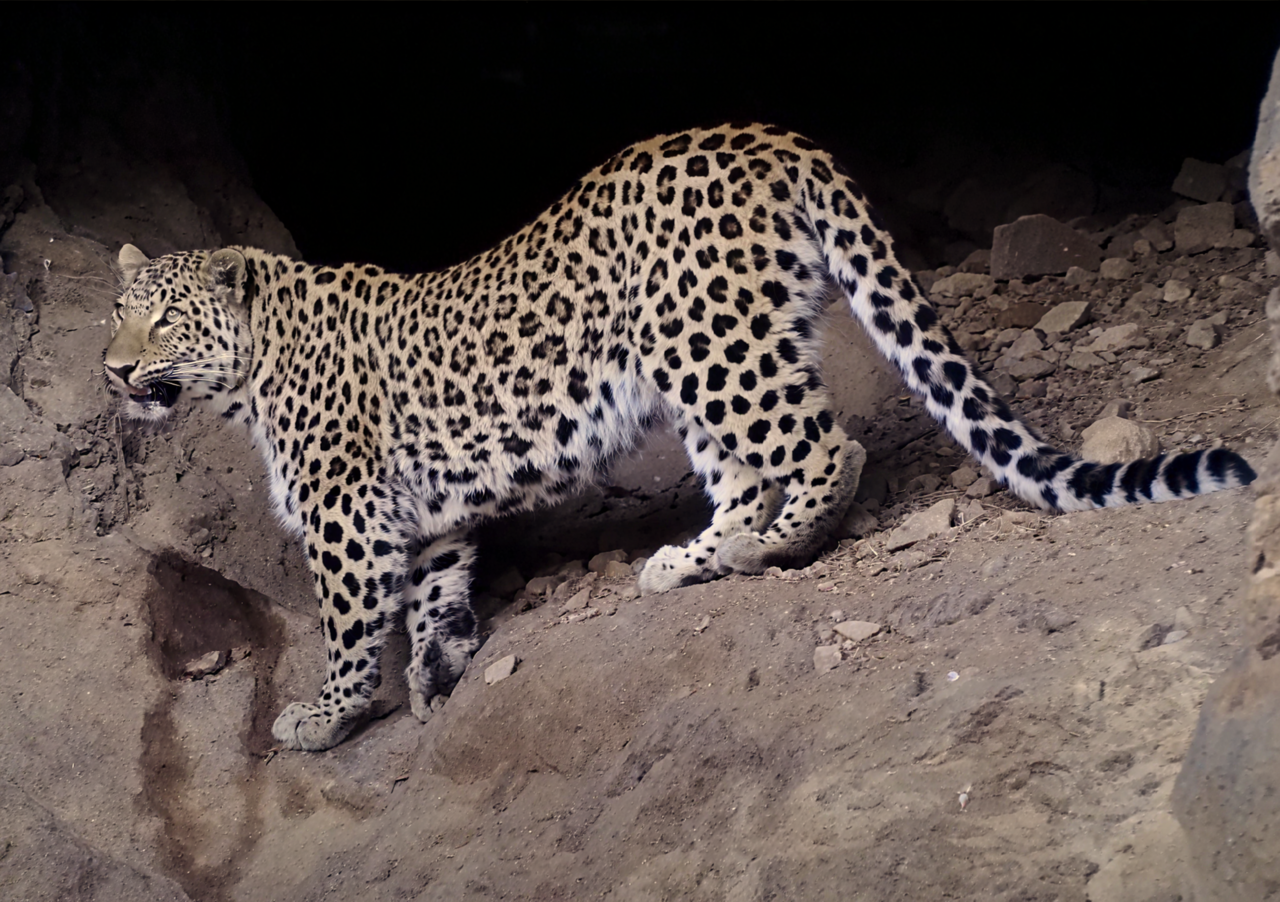
Living With Carnivores Is About More Than Livestock Losses
Near Iran’s Golestan National Park, researchers explored what was associated with people’s willingness to accept leopards, wolves and…
Read story →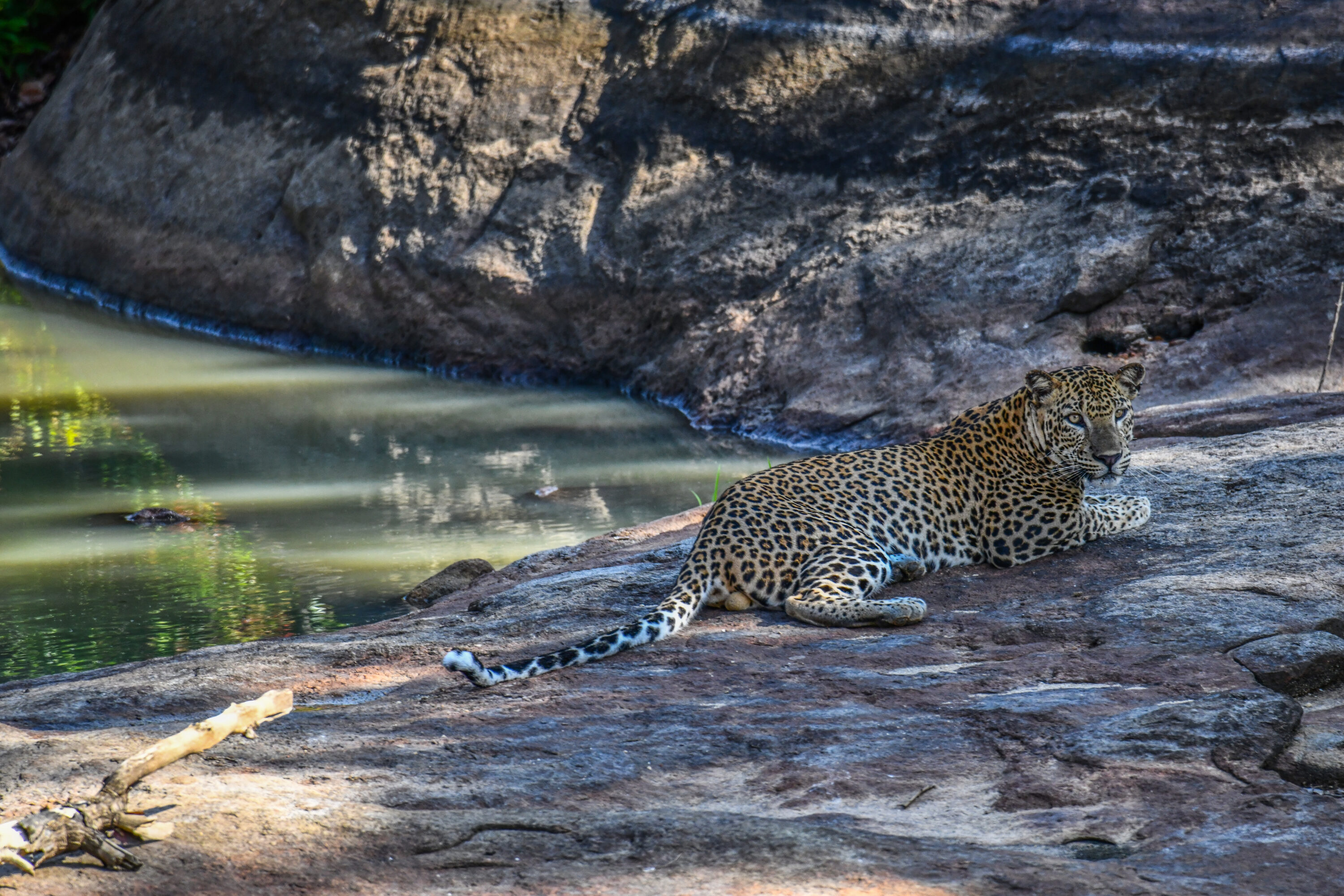
Sri Lankan Leopards in Tea Landscape Were Less Active by Day and More Active at Dusk
In Sri Lanka’s Central Highlands, only 4.4% of leopard records in an unprotected tea landscape were diurnal while…
Read story →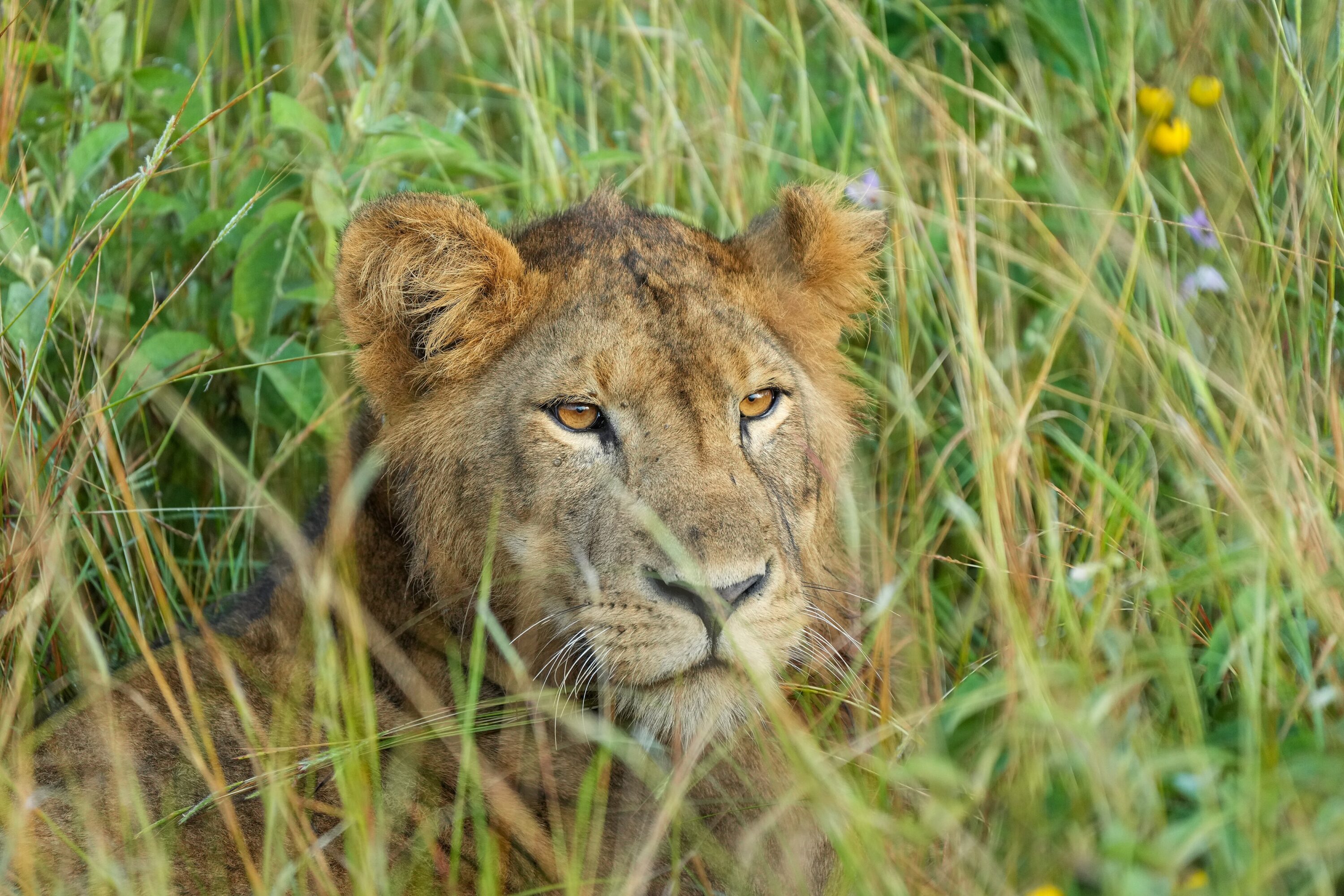
Livestock conflict with large carnivores is widespread across Queen Elizabeth National Park
Researchers documented 139 confirmed livestock-depredation events involving lions, leopards and spotted hyenas across 11 communities in Queen Elizabeth…
Read story →SPECIES IN THIS STORY
Species in this story
Independent research and conservation news archive
Did you find this information useful?
Wildlife Vagabond is independently built and maintained. Voluntary support helps cover source verification, hosting and continued work on research and conservation news.
Support Wildlife VagabondThe news archive will remain freely available.