
Sri Lankan Leopards in Tea Landscape Were Less Active by Day and More Active at Dusk
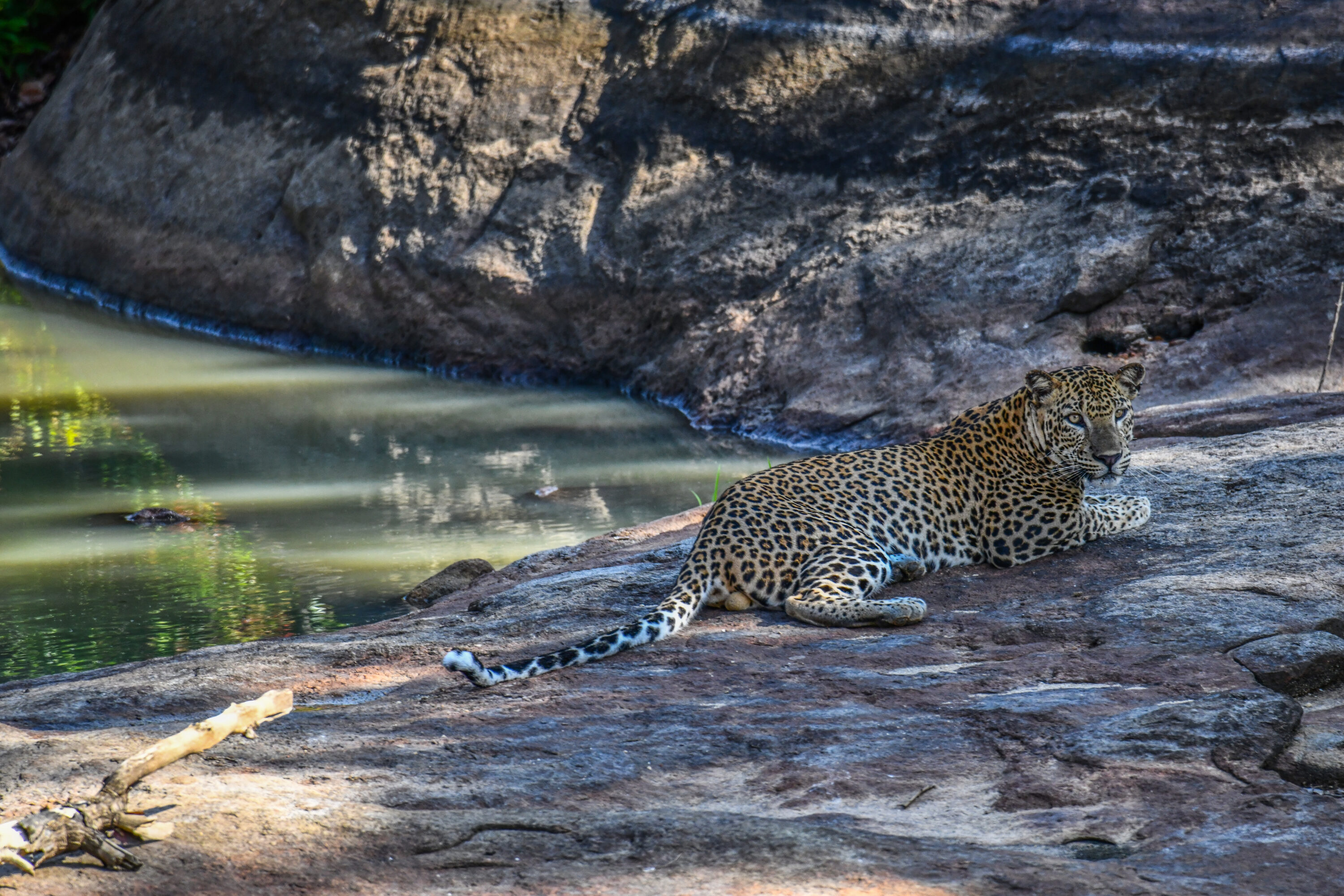
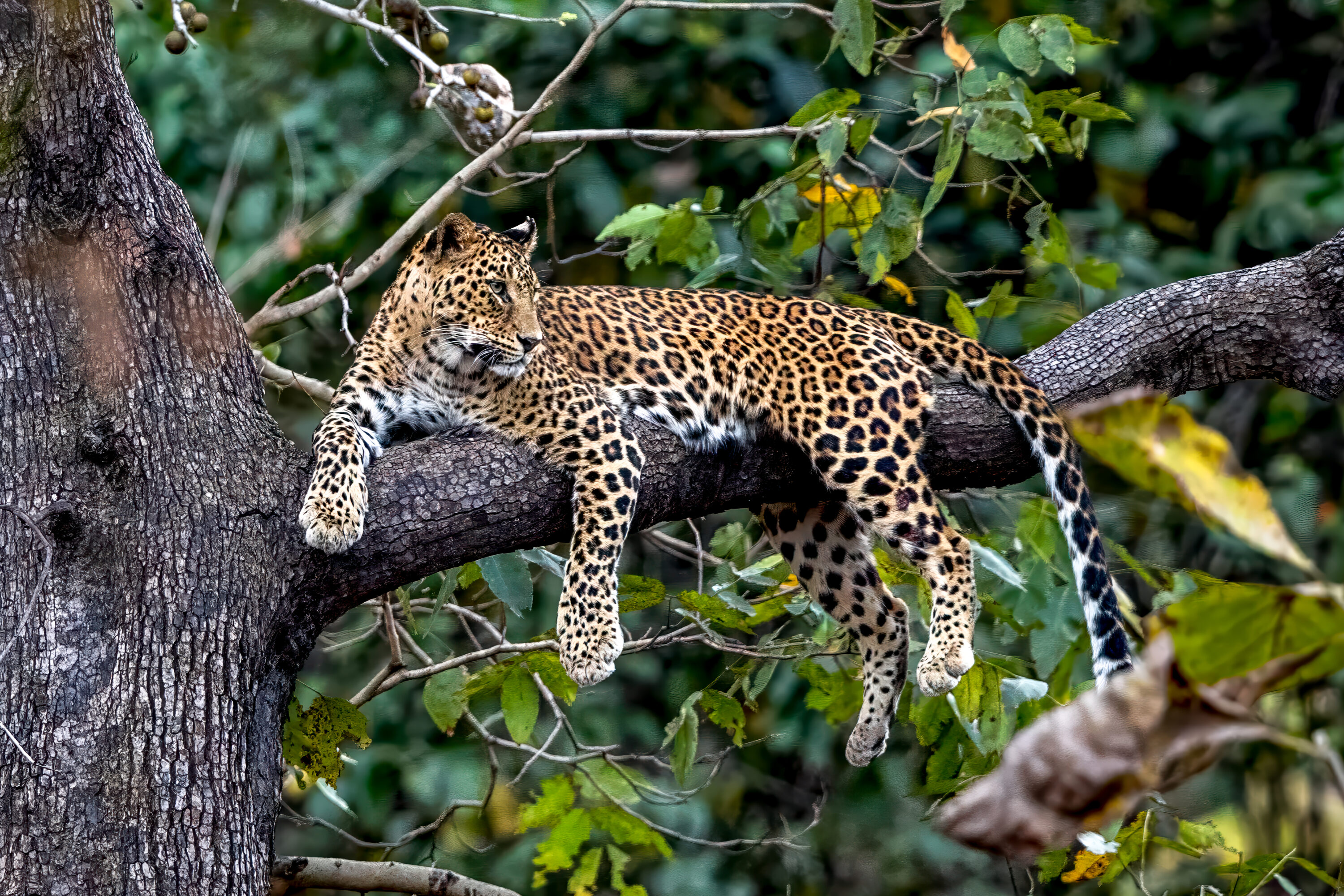
Sri Lankan leopards (Panthera pardus kotiya) living in the tea-estate landscape of the Central Highlands were much less active during the day and much more active around dusk than leopards in two protected areas. The authors interpret this as temporal partitioning: people and leopards share much of the same landscape, but reduce encounters by concentrating their activity at different times.
Leopards did not simply avoid human-used places
The study combined several aspects of leopard ecology outside protected areas. Forty remote-camera stations were used around the Moussekelle reservoir to estimate density and investigate space use in a landscape of tea estates, settlements, forest fragments and plantations. Adult density was estimated at 8.82 leopards per 100 km². This was lower than comparable estimates from major Sri Lankan national parks, but the uncertainty was too large to establish a clear difference.
Sites with intermediate levels of human and dog activity were disproportionately used. Male space use was highest at intermediate distances from settlements, while females were more strongly associated with sites where natural prey was common. The authors interpret the female pattern in the context of the energetic demands of provisioning cubs.
Daytime detections fell while dusk detections increased
The activity analysis used 90 independent leopard records from the unprotected tea landscape, compared with 183 from Wilpattu National Park and 214 from Gal Oya National Park. In the tea landscape, 4.4% of independent records were diurnal, compared with 14.2% in Wilpattu and 13.0% in Gal Oya. Dusk accounted for 23.3% of records in the tea landscape, compared with 11.5% and 8.8% in the two parks. Nocturnal records, however, were very similar: 67.8% in the tea landscape, 68.3% in Wilpattu and 72.1% in Gal Oya. These percentages describe the timing of independent camera detections rather than a direct measurement of the proportion of each day that individual leopards were active.
The result is therefore not a simple shift toward greater nocturnality. Daytime activity became almost negligible, while activity increased sharply at dusk as estate workers and other people largely withdrew to settlements. This temporal partitioning appears to be a behavioural mechanism that helps leopards coexist with dense human activity without abandoning the wider agricultural landscape.
Temporal separation does not remove every risk
The authors emphasise that maintaining natural prey is important so that leopards do not become increasingly dependent on domestic animals, and that wire snares are a particular threat because they remain active after people have left. Snares therefore decouple persecution risk from direct human presence and can bypass the protection that temporal partitioning otherwise provides.
Behaviour
Related news
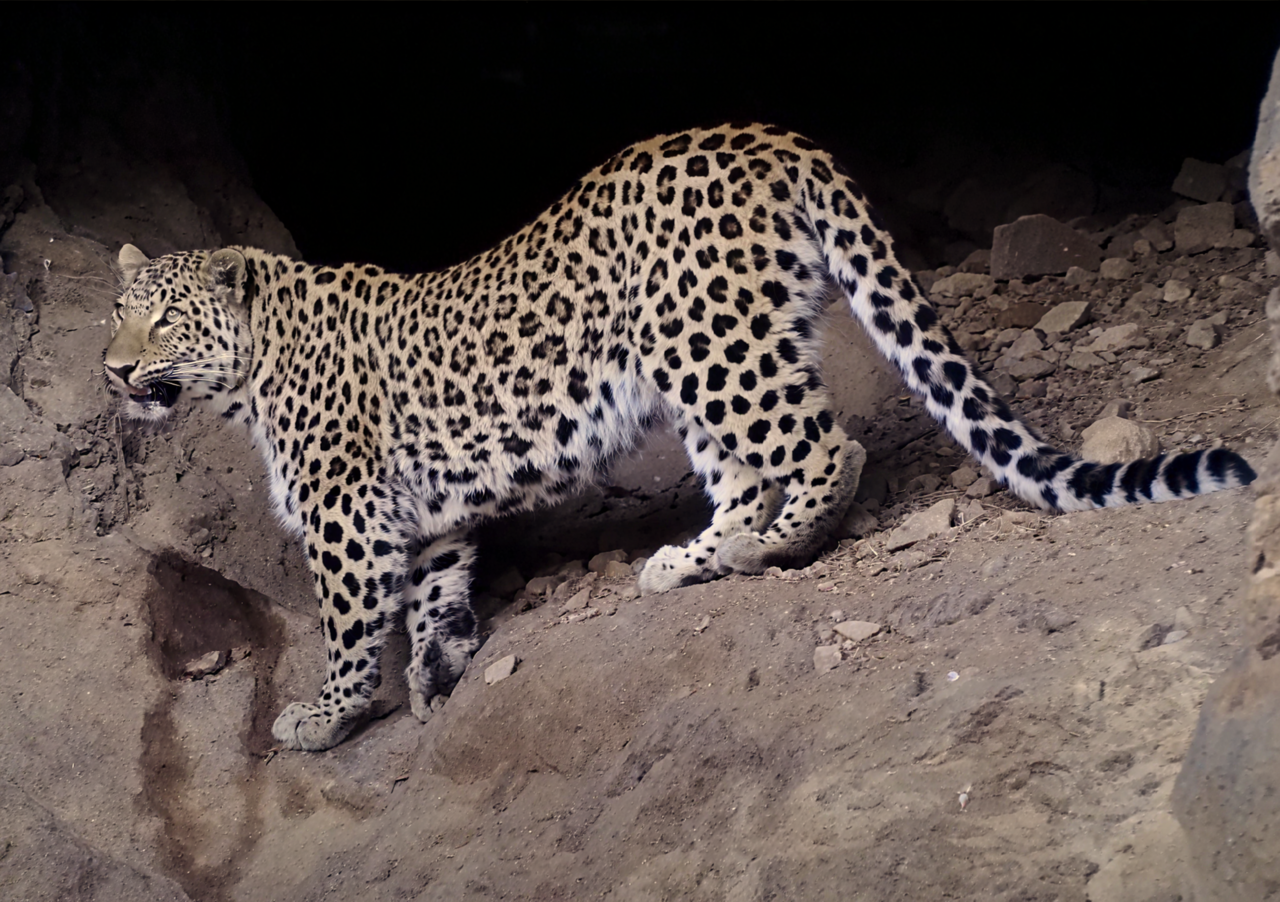
Living With Carnivores Is About More Than Livestock Losses
Near Iran’s Golestan National Park, researchers explored what was associated with people’s willingness to accept leopards, wolves and…
Read story →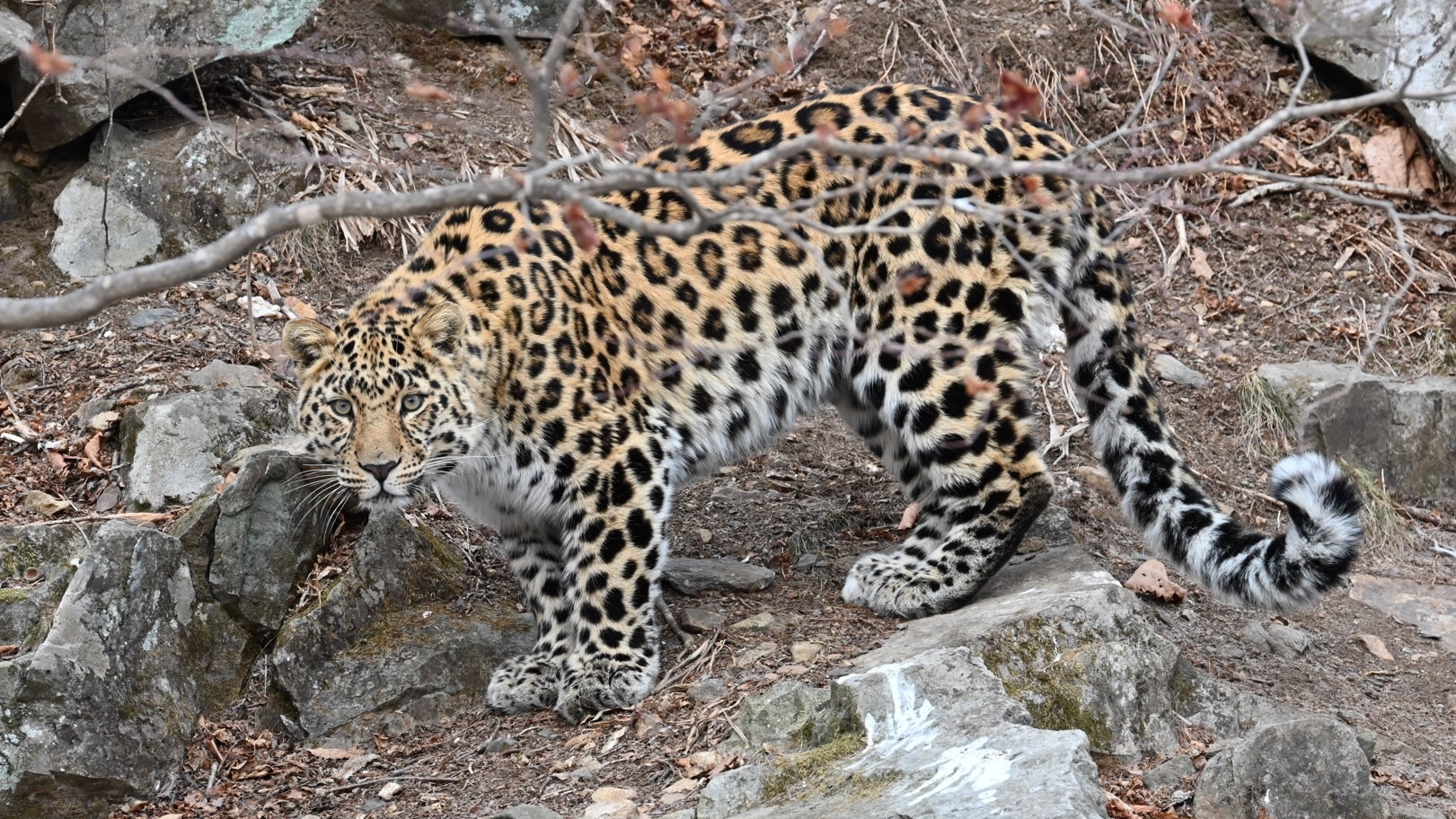
Amur leopard density nearly tripled in a decade
Ten years of camera-trap data from Russia’s Land of the Leopard National Park show a strong recovery in…
Read story →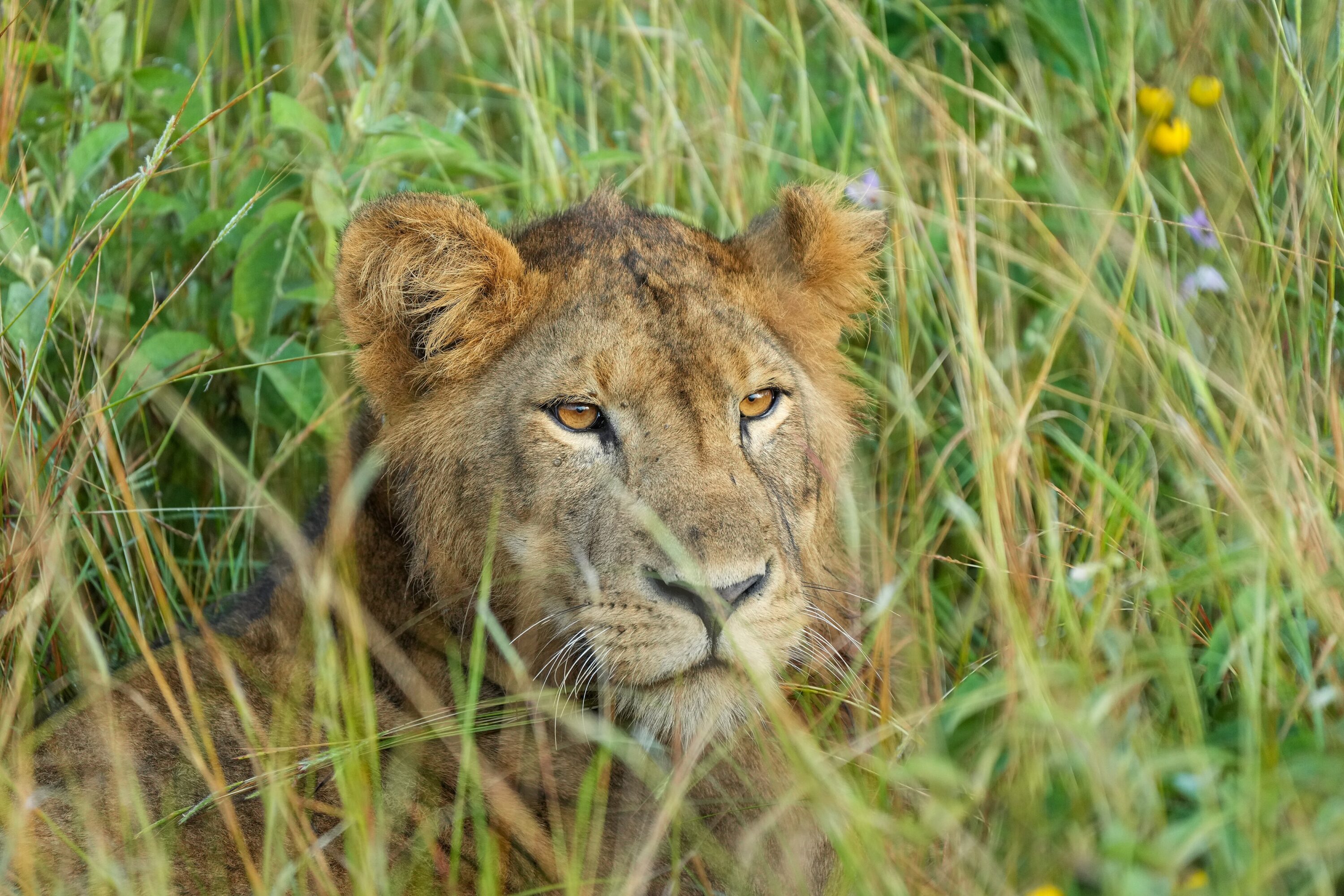
Livestock conflict with large carnivores is widespread across Queen Elizabeth National Park
Researchers documented 139 confirmed livestock-depredation events involving lions, leopards and spotted hyenas across 11 communities in Queen Elizabeth…
Read story →SPECIES IN THIS STORY
Species in this story
Independent research and conservation news archive
Did you find this information useful?
Wildlife Vagabond is independently built and maintained. Voluntary support helps cover source verification, hosting and continued work on research and conservation news.
Support Wildlife VagabondThe news archive will remain freely available.