
Arizona Quail Initiative Expands Habitat and Water Work in Its First Year
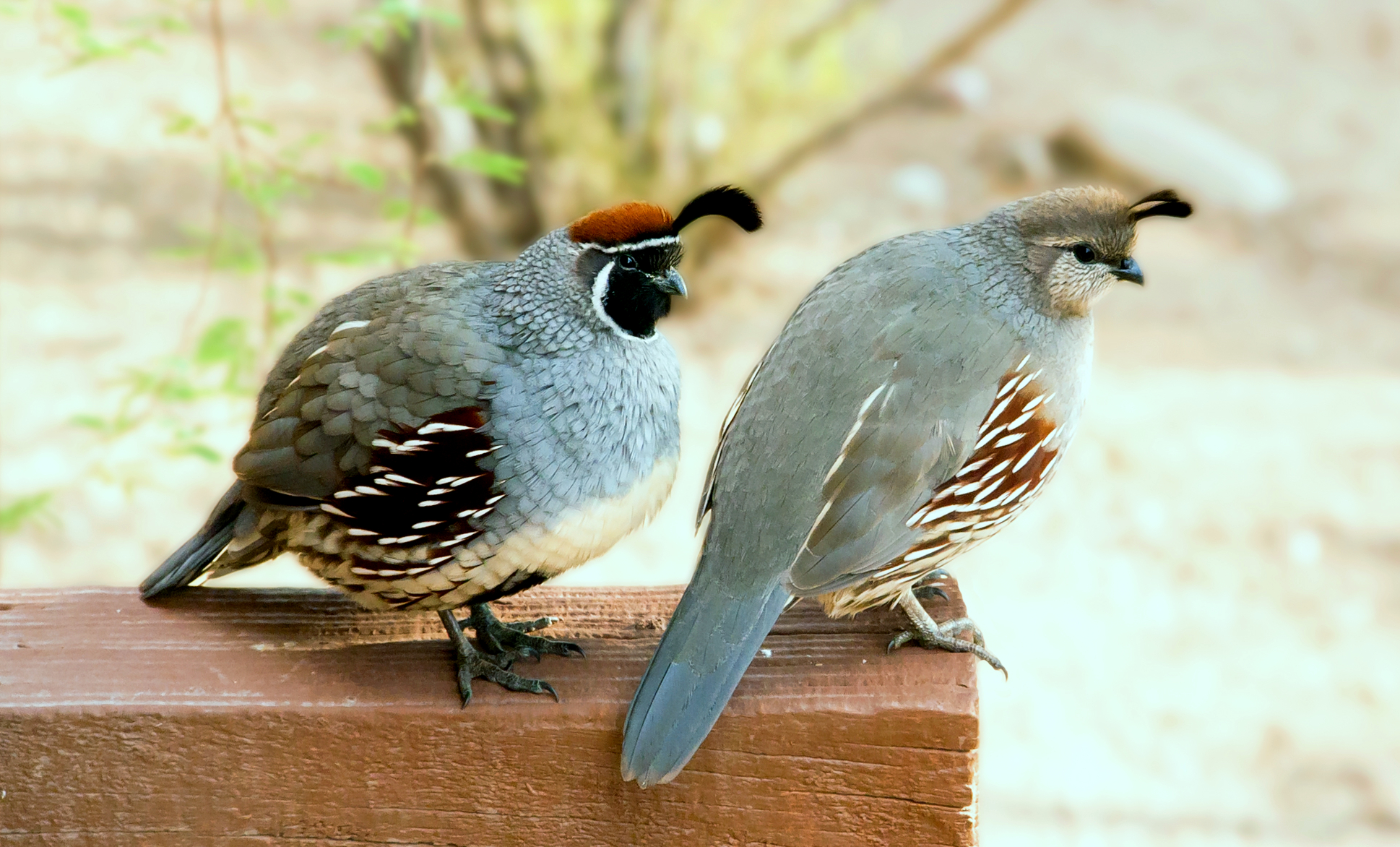
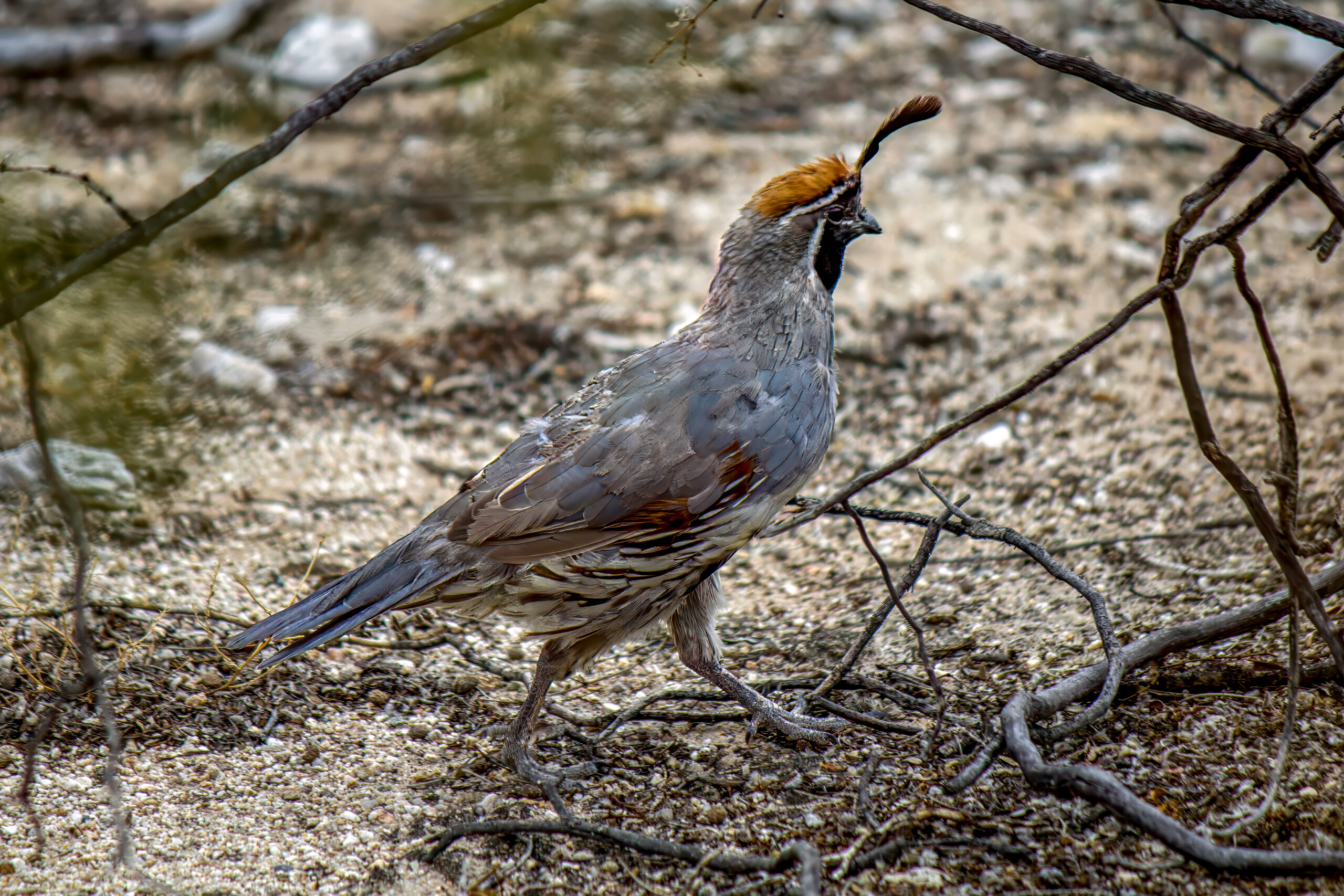
The Arizona Quail Initiative in the United States has completed its first year of habitat and water work for Gambel’s quail (Callipepla gambelii) and other native quail. The five-year programme was launched in December 2024 with goals covering grassland restoration, wildlife water, water retention, grazing management and access.
Initiative staff and partners treated about 1,100 acres by removing encroaching pinyon-juniper and mesquite. The work benefits Gambel’s, scaled and Mearns’ quail. Federal planning has been completed for another 2,750 acres scheduled for treatment in 2026, supported in part by more than $650,000 in state and federal grants secured by the initiative.
Larger restoration proposals are still pending
\n\n
A separate $24.5 million Regional Conservation Partnership Program award is intended to expand restoration in the Colorado River Basin. The first application round closed in January 2026 with 204 proposed projects covering more than 200,000 acres across four priority areas. Project ranking is continuing through 2026, so these applications should not be treated as completed restoration.
Five neighbouring landowners submitted proposals that, if funded, would restore more than 18,000 acres of Gambel’s quail habitat by removing encroaching junipers. The same area is also an important pronghorn migration corridor. Three virtual-fencing proposals covering more than 50,000 acres would help manage grazing in priority Mearns’ quail habitat.
Water work combined monitoring, new catchments and deliveries
The initiative installed more than 250 remote water-level sensors on wildlife catchments, helped build three new catchments and maintained existing systems. During the driest periods, staff delivered more than 250,000 gallons of water. Quail Forever reports that the first year’s water work affected 72,000 acres.
Small rock structures are also being built in washes to slow runoff, retain seasonal moisture, reduce erosion and encourage forage growth. Implementation of the larger partnership projects is expected to begin late in 2026 or early in 2027. The programme has not yet demonstrated an increase in quail abundance; the reported results describe conservation work completed or moving toward implementation.
Restoration
Related news
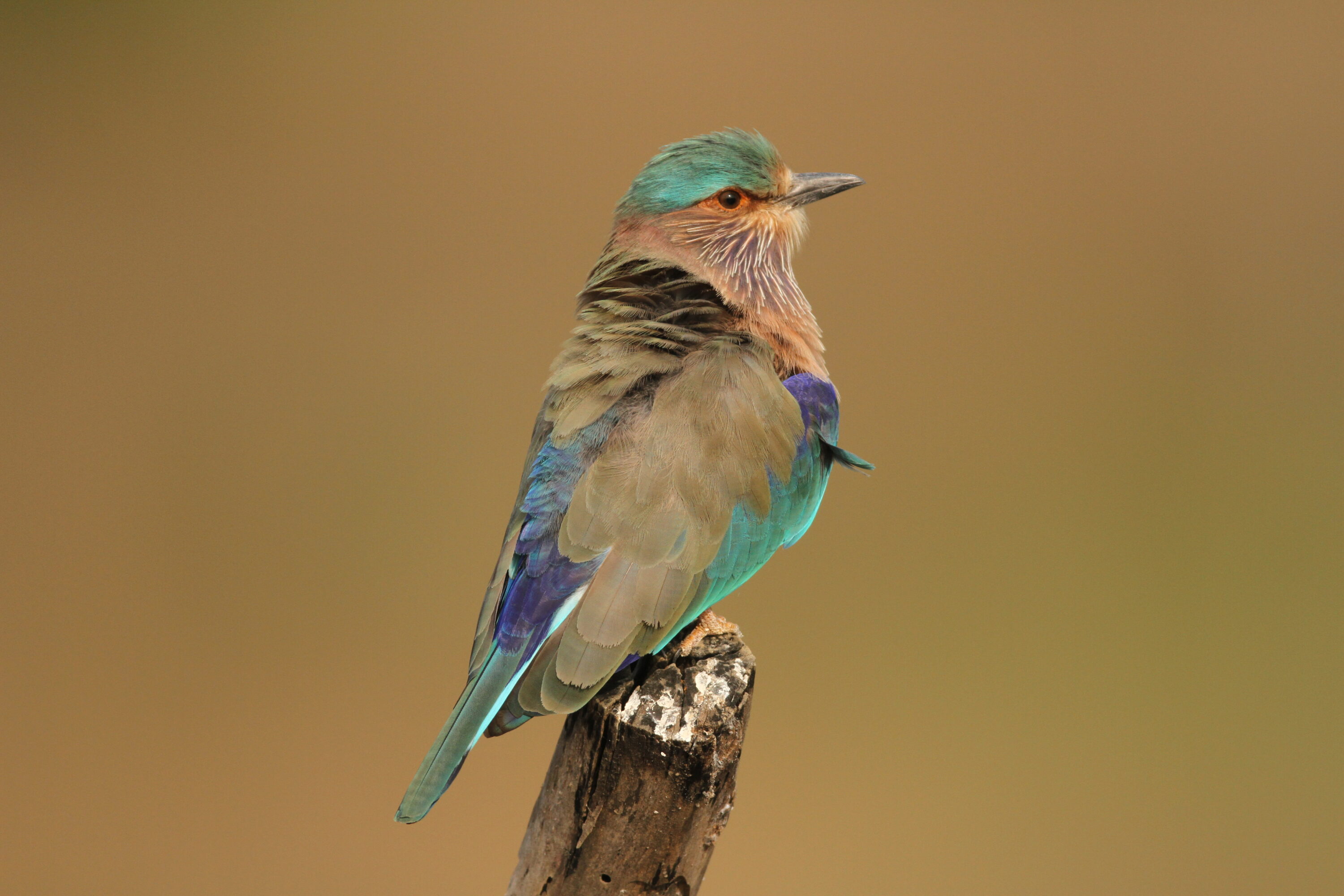
Six Cavity-Nesting Bird Species Bred Successfully in Artificial Nests in Punjab
Punjab Agricultural University reported successful breeding in artificial nests by six cavity-nesting species, including Indian roller, spotted owlet…
Read story →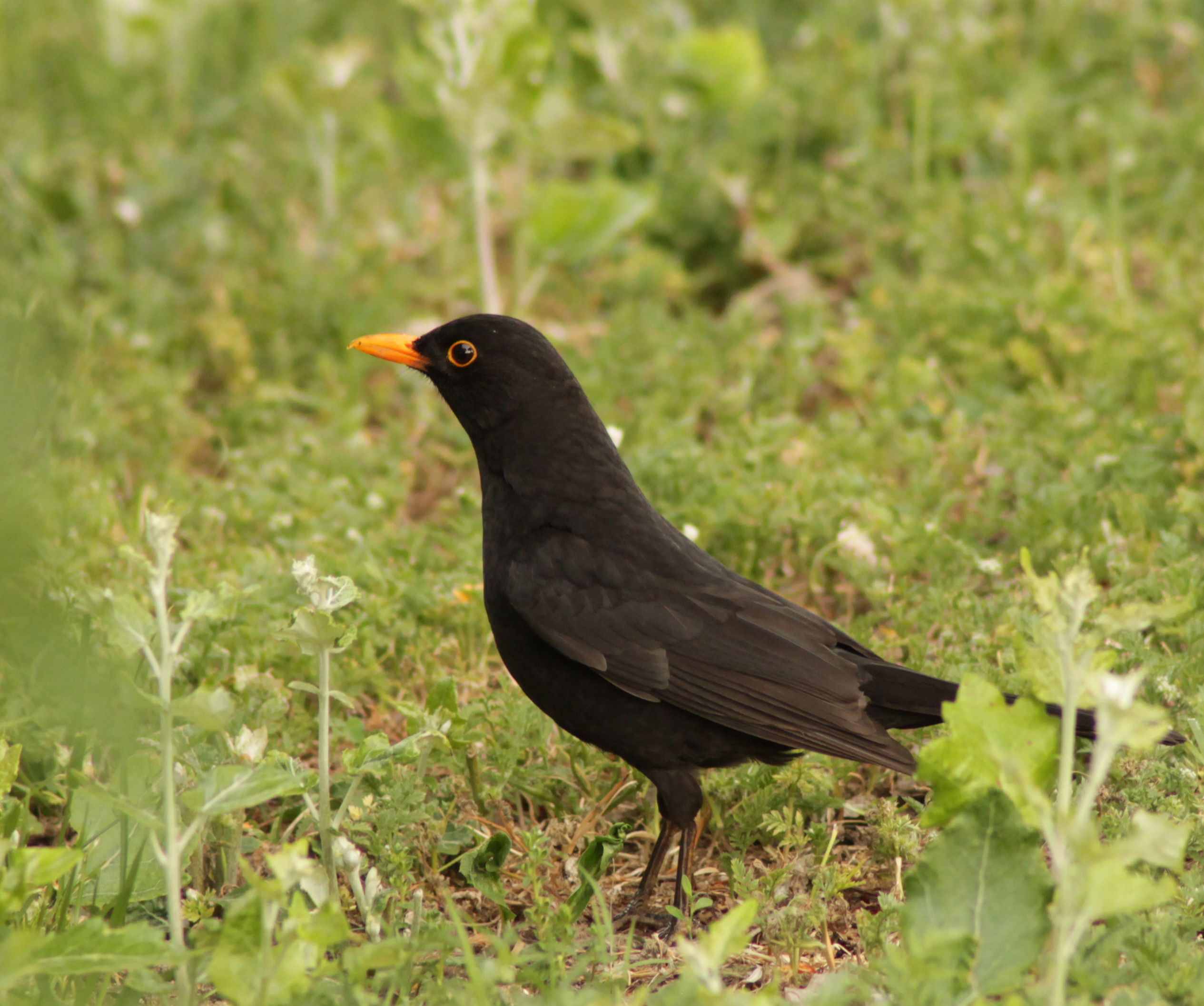
Targeted Restoration Raised the Modelled Share of Functionally Connected Blackbird Breeding Habitat to 90.8% in Gijón
VHF telemetry from 13 adult Eurasian blackbirds in Gijón was used to model breeding habitat and connectivity. Under…
Read story →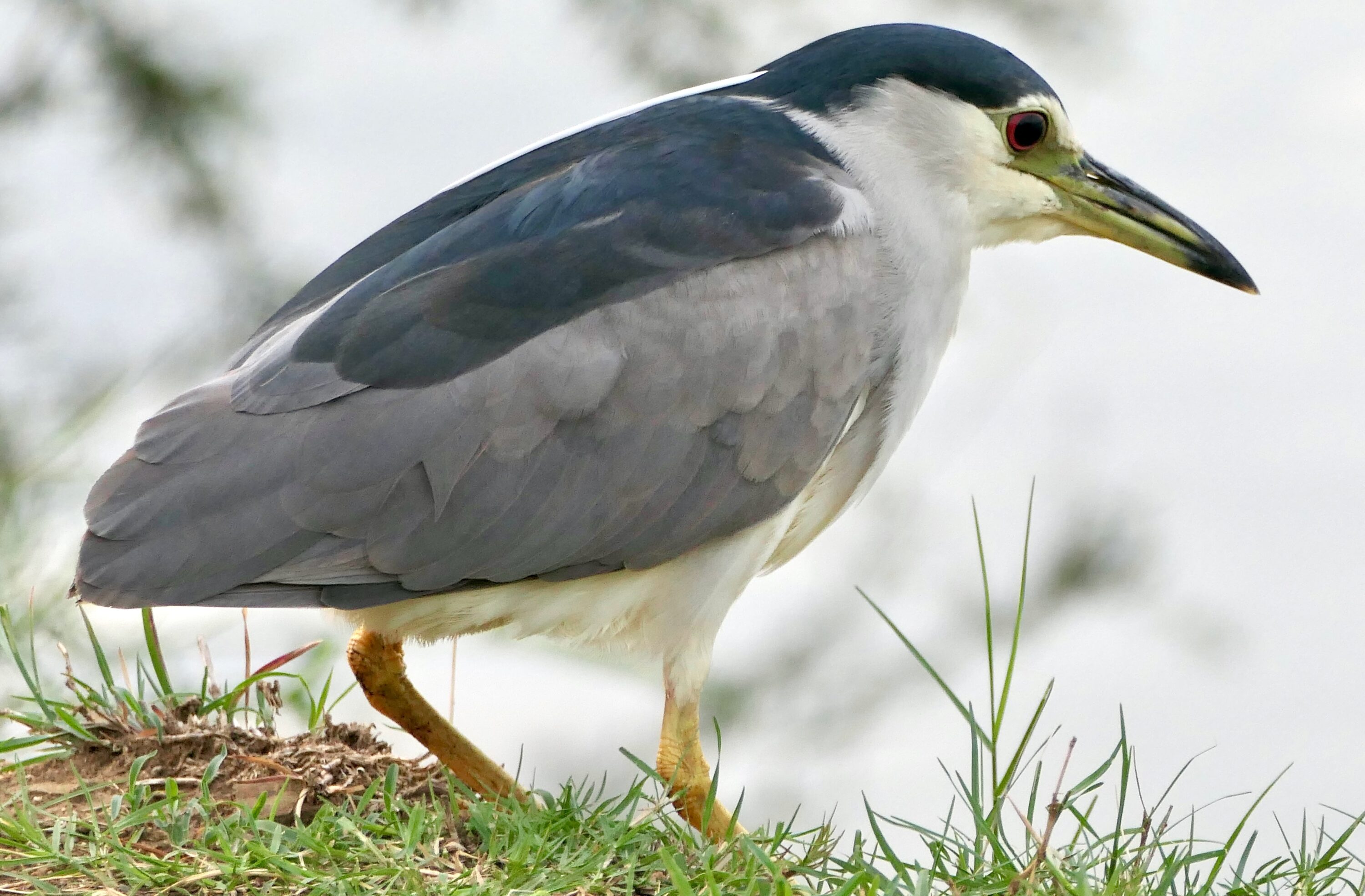
Rare Black-crowned Night Heron Recorded for Three Days at Restored Holnicote Wetlands
National Trust cameras recorded a scarce black-crowned night heron on three consecutive days at Holnicote, where wetland restoration…
Read story →SPECIES IN THIS STORY
Species in this story
Independent research and conservation news archive
Did you find this information useful?
Wildlife Vagabond is independently built and maintained. Voluntary support helps cover source verification, hosting and continued work on research and conservation news.
Support Wildlife VagabondThe news archive will remain freely available.