
Targeted Restoration Raised the Modelled Share of Functionally Connected Blackbird Breeding Habitat to 90.8% in Gijón
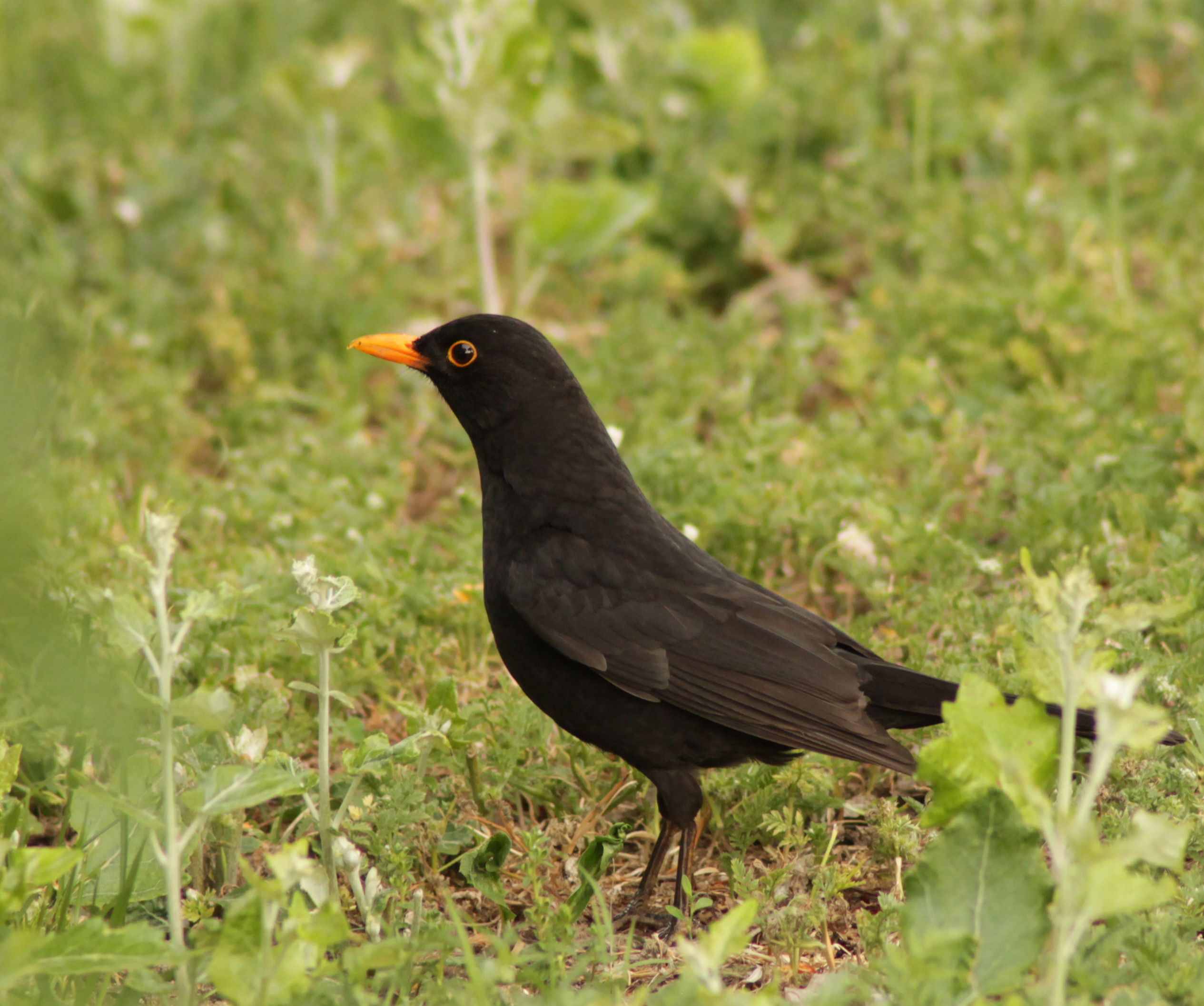
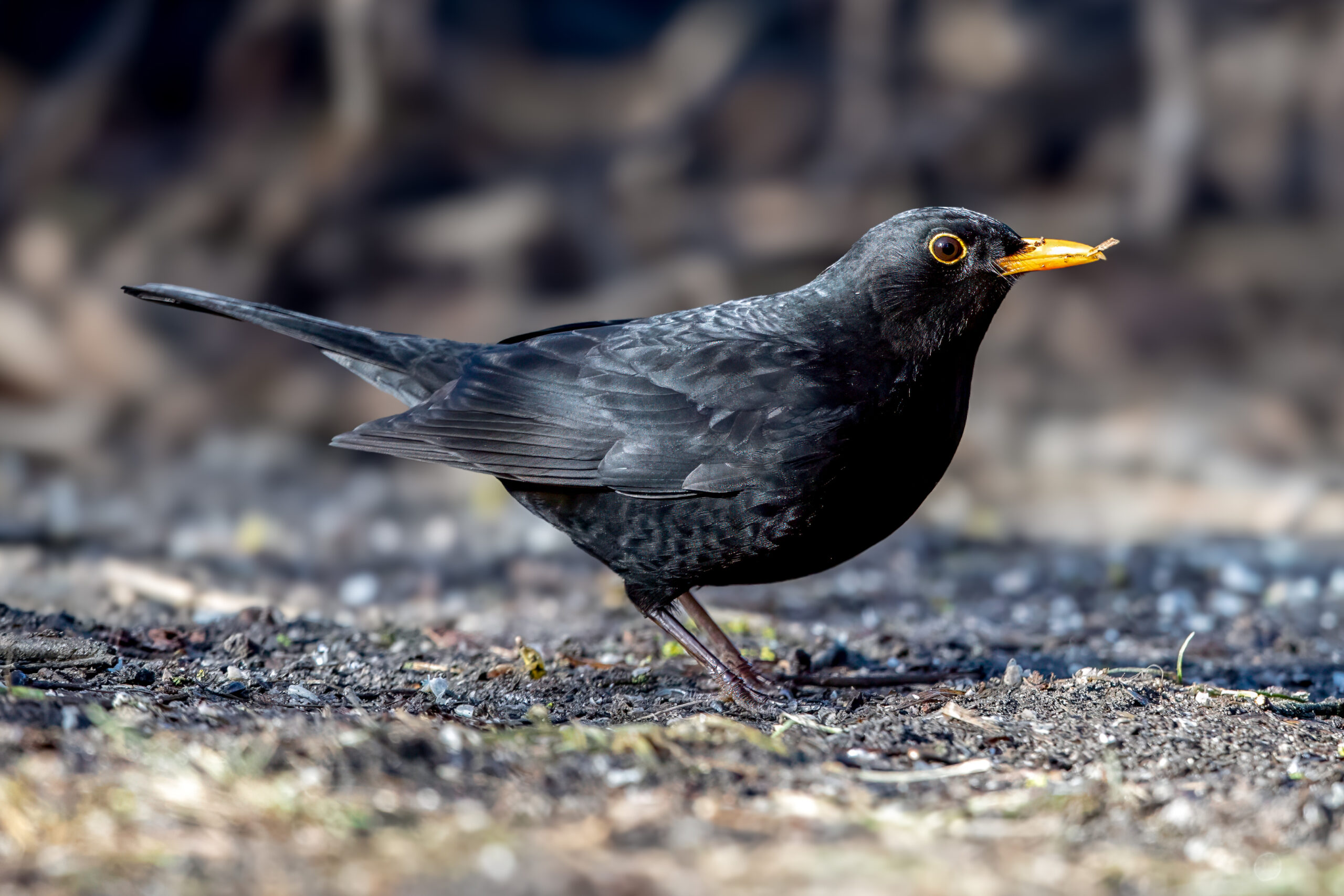
Researchers used VHF radio telemetry from 13 adult Eurasian blackbirds (Turdus merula) in Gijón, northwestern Spain, to model breeding habitat and functional connectivity across the city. The birds were followed from March to May 2025 in three pilot areas, producing 714 independent locations. Each bird carried a small VHF radio transmitter, and researchers repeatedly located the signal with receivers to map where the bird moved and used the city. Functional connectivity describes how readily animals can move among habitat patches through the actual landscape, rather than simply how close those patches appear on a map.
Vegetation shaped both habitat use and the baseline network
Blackbirds were more likely to use cells with greater woody and herbaceous vegetation cover and less likely to use areas with more buildings or heavier traffic. Under current conditions, the model identified 146.9 ha of suitable breeding habitat, but only 47.7 ha—32.5%—was functionally connected.
Targeted restoration gave the largest gain per intervention
The researchers then modelled three restoration scenarios. Adding 25 km of small vegetated connectors along streets did not increase the total amount of suitable breeding habitat, but raised the connected share to 82.2%. A targeted scenario combining those connectors with restoration of 50 ha of strategically selected public green areas increased suitable breeding habitat to 169.6 ha, of which 90.8% was connected, and produced the highest connectivity gain relative to the extent of intervention.
Restoring 250 ha of public green infrastructure produced the largest absolute gains: 286.5 ha of suitable breeding habitat, with 91.4% functionally connected. Its efficiency was nevertheless lower than in the targeted scenario, indicating diminishing returns as restoration expanded. The authors therefore argue that the spatial placement of urban restoration can matter as much as its total extent. These are modelled outcomes based on blackbird movement data, not measurements of connectivity following actual implementation of the restoration scenarios.
Restoration
Related news
Urban Bird Diversity Was More Strongly Linked to Forest Structure Than the Surrounding City
Across 12 urban forests in three Italian cities, researchers recorded 2,035 birds from 52 species. Local forest structure…
Read story →
Older Female Blackbirds Built More Debris Into Their Nests
Plastic strips, strings and other human-made materials appeared especially in the bases of Blackbird nests in a Polish…
Read story →
Fieldfare and Song Thrush Confirmed as New Intermediate Hosts of Sarcocystis turdusi
Across 72 dead thrushes from Lithuania and Russia’s Kaliningrad region, DNA confirmed fieldfare and song thrush as new…
Read story →SPECIES IN THIS STORY
Species in this story
Independent research and conservation news archive
Did you find this information useful?
Wildlife Vagabond is independently built and maintained. Voluntary support helps cover source verification, hosting and continued work on research and conservation news.
Support Wildlife VagabondThe news archive will remain freely available.