
Artificial Islands Became Poland’s Only Permanent Pied Avocet Breeding Site
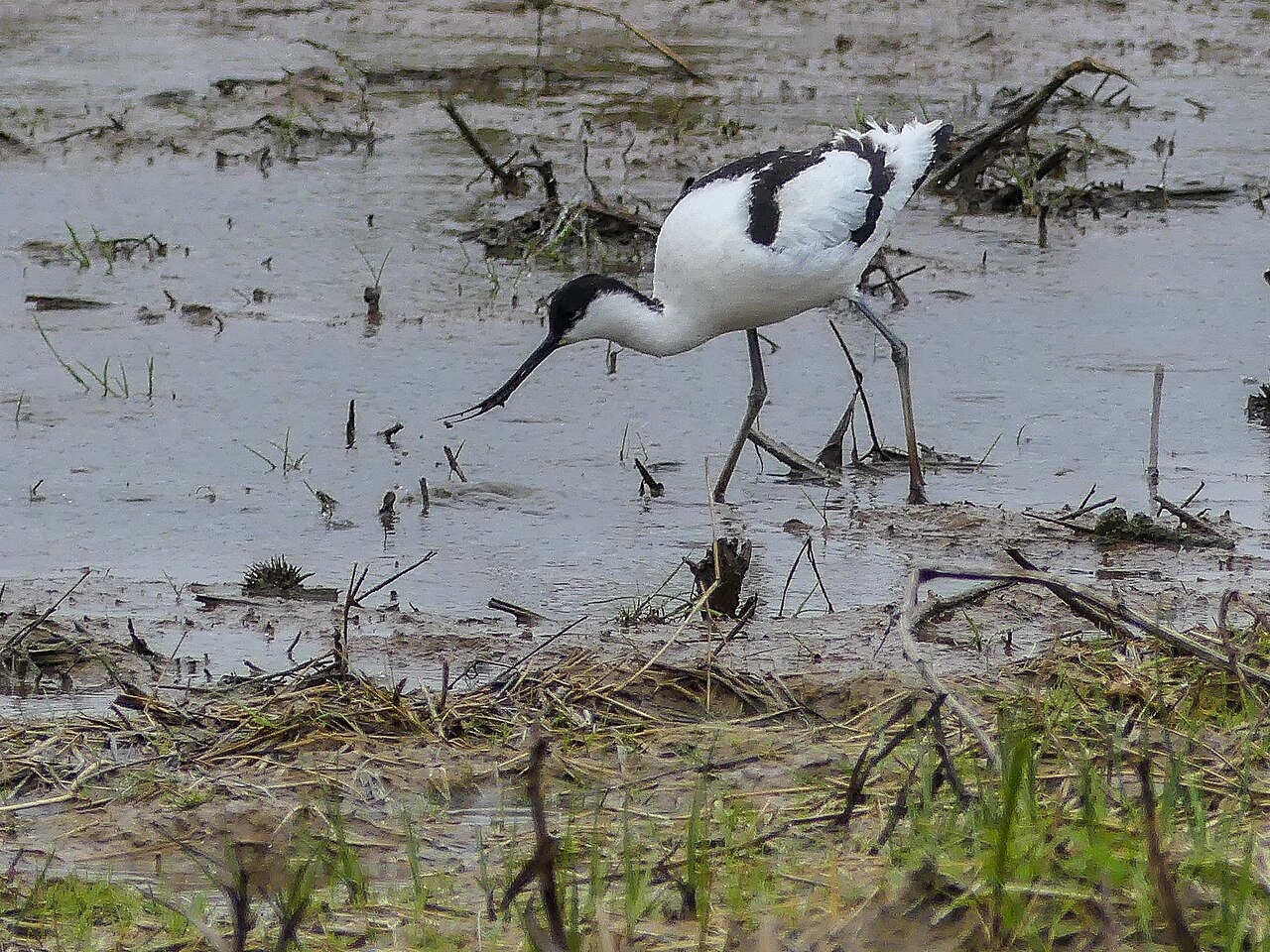
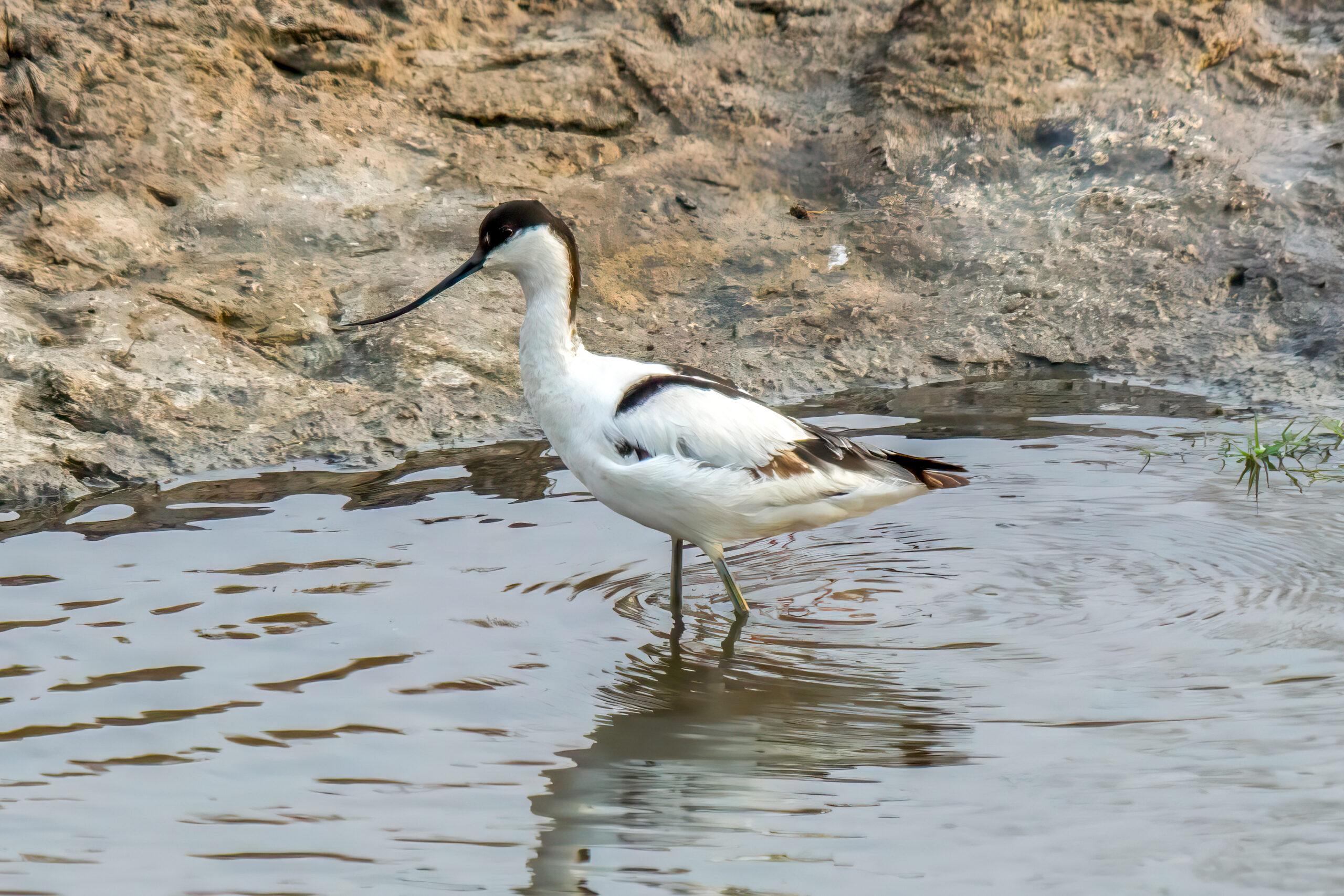
Two artificial islands built from dredged sediment in Poland’s Szczecin Lagoon became the country’s only permanent breeding site for pied avocets (Recurvirostra avosetta) within five years. A study published on 29 May 2026 recorded 85 breeding pairs on islands W22 and W28 in 2025, but also found that the open habitat on which the birds depend was closing rapidly as reeds and willows spread.
The researchers followed breeding birds and vegetation from 2021 to 2025. They used complete breeding surveys, mapped nesting distributions, deployed camera traps and analysed drone photographs. The two islands cover about 3.7 square kilometres when surrounding water is included, with roughly two to three square kilometres of land. Despite this small area, ground-nesting waterbirds colonised immediately and several nationally rare or regionally scarce species established breeding populations.
By 2025, 85 Pied Avocet pairs were breeding on the islands
Pied avocets showed one of the clearest responses. By 2025, 85 pairs were breeding on the islands. The authors describe the sites as the only permanent breeding location for the species in Poland, meaning an established site used repeatedly rather than a guarantee that the habitat itself will remain suitable without management.
Together with black-winged stilts and several other rare waterbirds, the avocets made the islands disproportionately important: for some species, W22 and W28 held almost all breeding pairs in the Pomeranian region and a large share of the Polish population.
Rapid vegetation growth could close the open nesting habitat
The benefit may be temporary without active management. On the completed island W22, tall vegetation formed by common reed and willow increased from less than one per cent cover in 2021 to 23 per cent in June 2025. When lower grasses were added, vegetation covered about half the island. A no-intervention model projected that tall vegetation could approach full cover around 2028, removing much of the bare or sparsely vegetated ground required by avocets and other early-successional specialists.
The projection is not a precise forecast. The authors emphasise that disturbance, vegetation removal, new sediment work or hydrological change could produce a different trajectory. Camera traps did not record terrestrial mammal predators during the 2023–2025 breeding seasons, although otter tracks were found on both islands later in 2025. This supports continued predator surveillance rather than assuming the islands will remain inaccessible.
The study concludes that beneficial use of dredged sediment can create high-value refuges very quickly, but construction alone is not enough. To keep the Szczecin Lagoon islands suitable for pied avocets, long-term plans need to include vegetation control, continued bird monitoring and predator checks. The rapid arrival of 85 breeding pairs demonstrates the opportunity; the equally rapid habitat succession shows why that opportunity can disappear.
Management
Related news
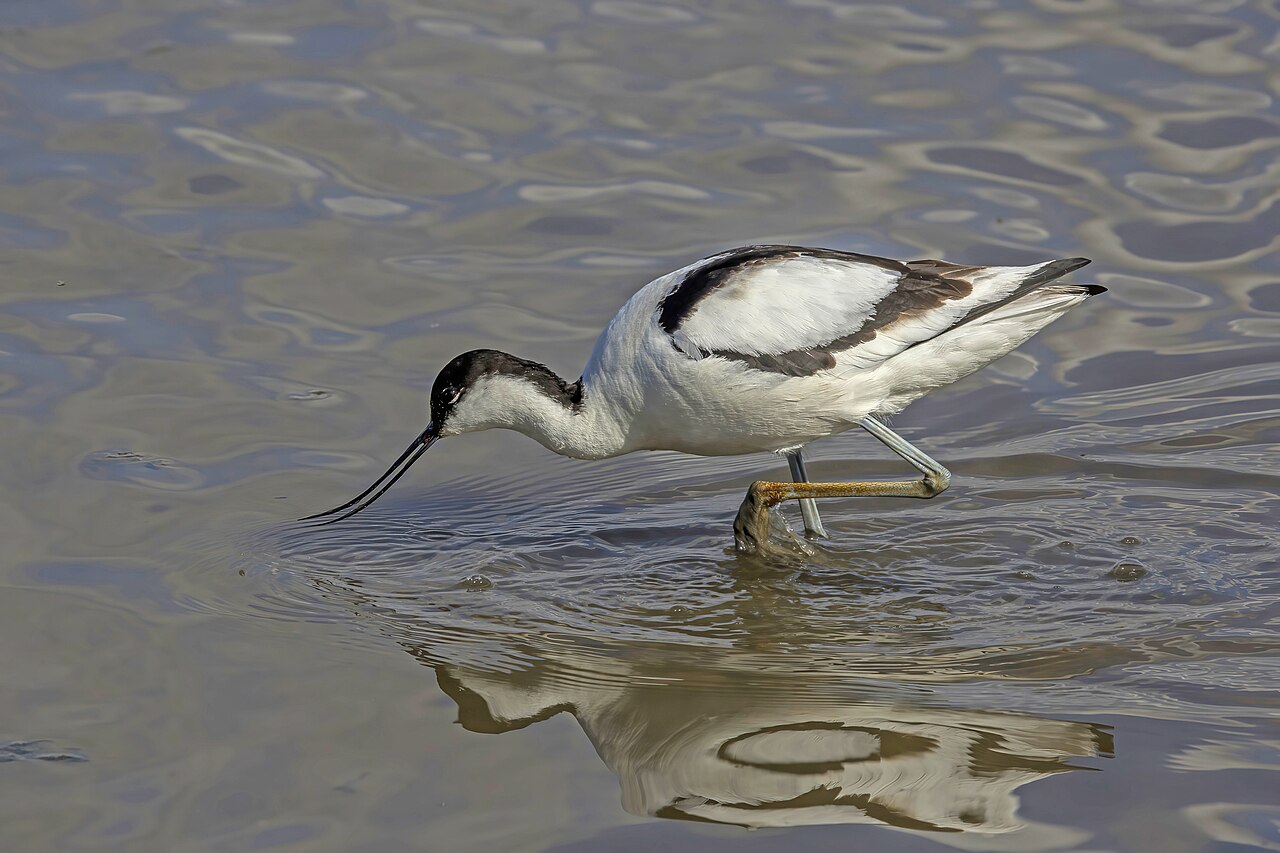
Ringed Pied Avocet Set a UK Longevity Record at 36 Years
A Pied Avocet ringed as a nestling at Titchwell Marsh on 2 July 1990 was identified alive at…
Read story →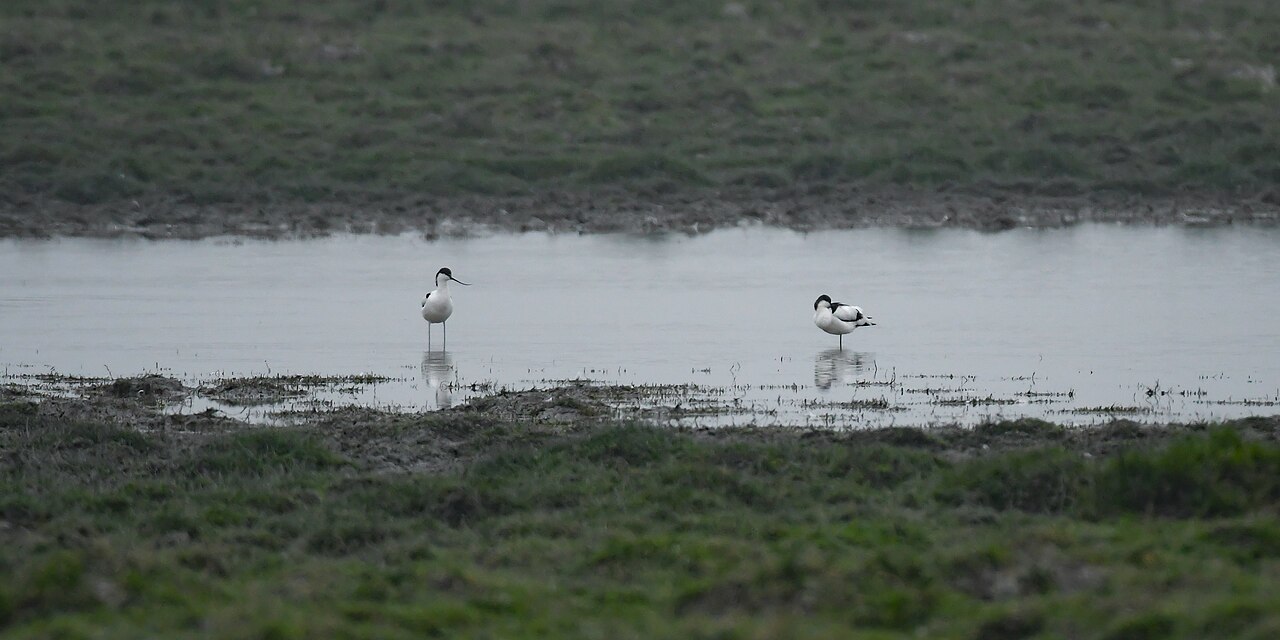
Fungal Communities Differed Across Pied Avocet Breeding Substrates
Around ten Pied Avocet nest sites in China's Yellow River Delta, researchers detected 9,980 fungal DNA variants but…
Read story →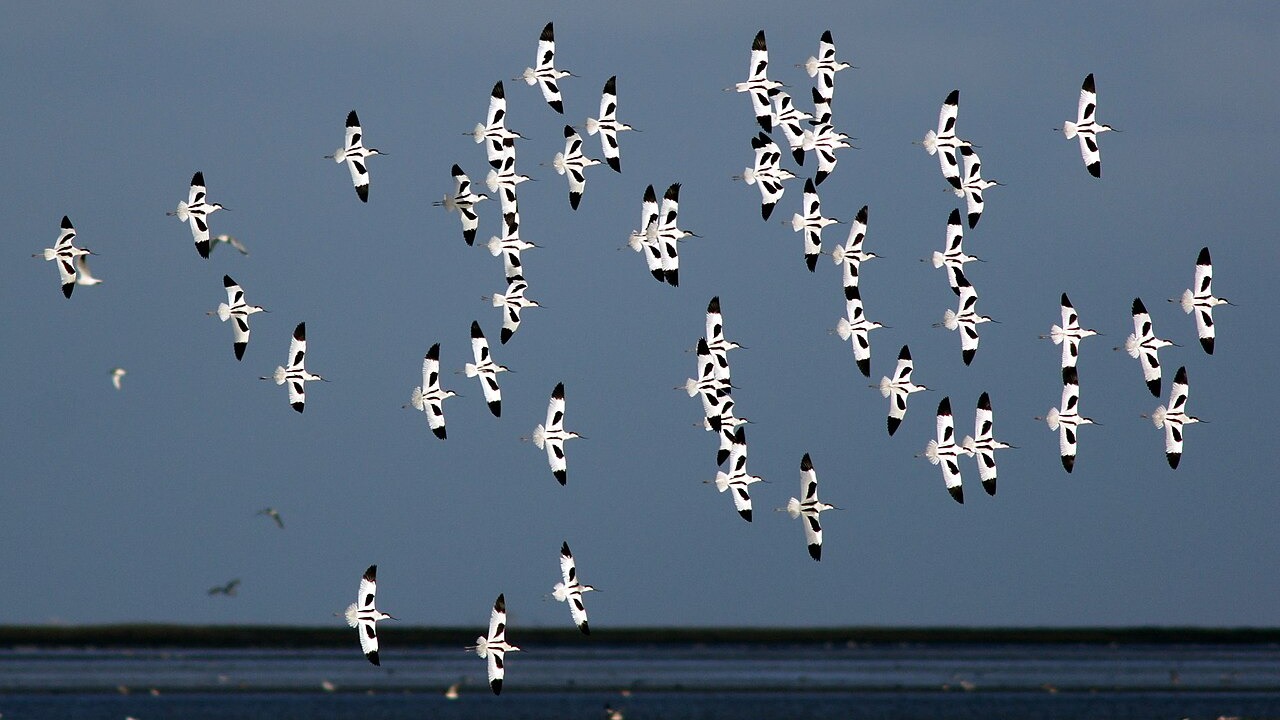
Female Pied Avocets Migrated Farther Than Males
The standardized migration-distance measure averaged 1,928 kilometres for GPS-tracked female pied avocets and 1,277 for males; females also…
Read story →SPECIES IN THIS STORY
Species in this story
Independent research and conservation news archive
Did you find this information useful?
Wildlife Vagabond is independently built and maintained. Voluntary support helps cover source verification, hosting and continued work on research and conservation news.
Support Wildlife VagabondThe news archive will remain freely available.