
Reduced Inbreeding Could Increase Population Growth in Invasive European Fallow Deer, Simulations Suggest
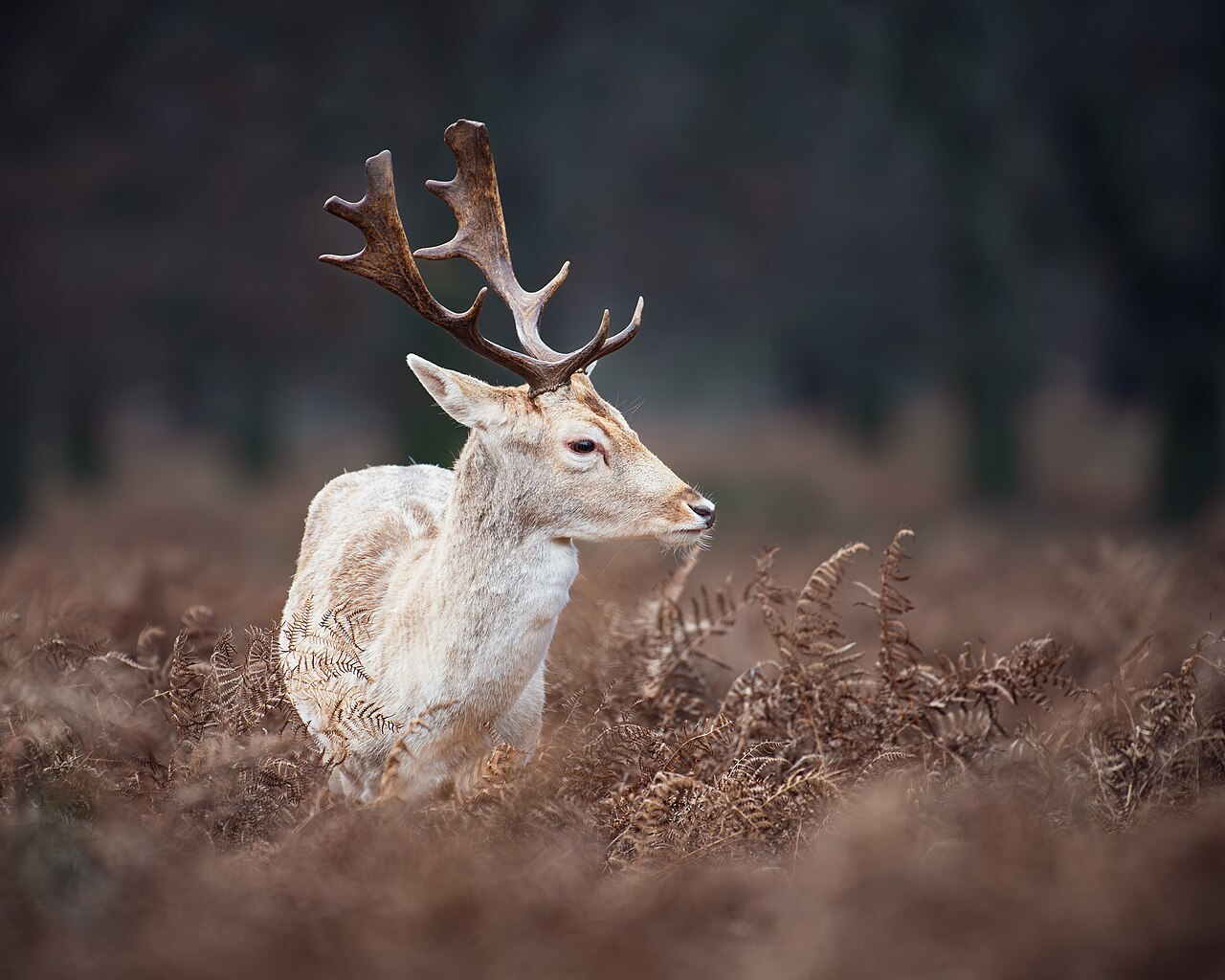
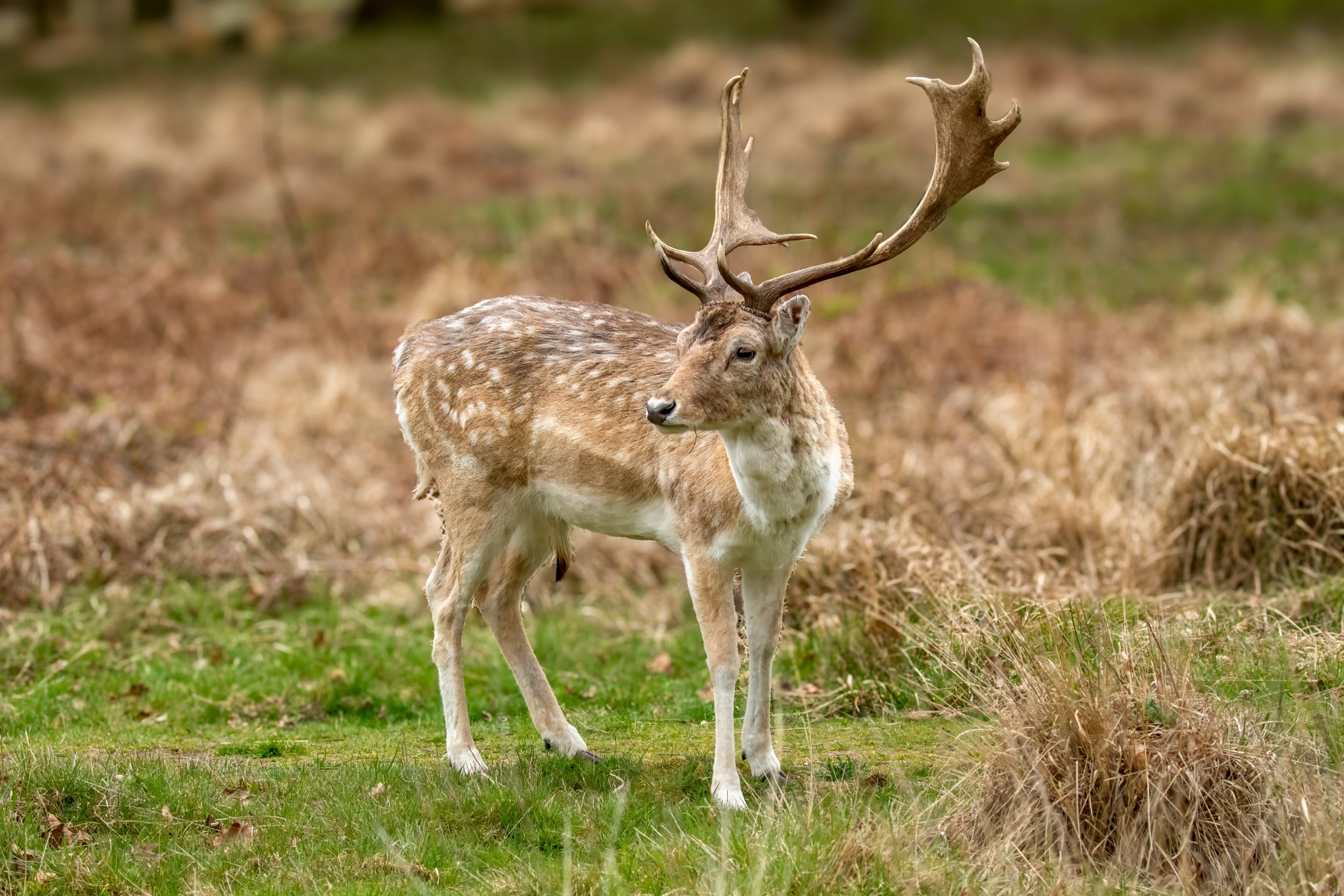
A population-genomic study of 346 invasive European fallow deer (Dama dama) in south-eastern Australia found generally low genetic diversity and elevated inbreeding, while a small number of populations were more genetically diverse and less inbred. The researchers asked whether gene flow from these more diverse populations could reduce inbreeding elsewhere and unintentionally increase population growth.
The study used single-nucleotide polymorphisms (SNPs) — differences in individual DNA bases at particular positions in the genome — to examine genetic diversity, inbreeding, population structure and connectivity. The authors hypothesise that some of the unusually diverse populations may descend from deer lineages imported for farming and selective breeding, followed by escapes or releases into the wild. The study does not establish that history directly; it is the authors’ proposed explanation for the genetic pattern.
Genetic rescue could be undesirable in an invasive species
Genetic rescue normally refers to gene flow that reduces inbreeding and improves the performance of an isolated population. In an invasive species, the same process can work against control efforts. The authors therefore describe the possibility that genes from the more diverse fallow deer populations could reduce inbreeding elsewhere as “unwanted genetic rescue”.
To test the demographic consequences, the researchers simulated population growth under different levels of inbreeding. The simulations indicated that reducing inbreeding could substantially increase expected population growth. This was a modelled result, not an observed population increase during the study.
The genomic analyses also showed that some populations were genetically connected, providing a potential route for recently introduced genetic variants to spread. The concern is therefore not only that highly diverse populations exist, but that movement among populations could carry that diversity into more inbred deer populations.
The management recommendations focus on movement and containment
The authors recommend considering migration patterns when designing control programmes, containing populations with unusually high genetic diversity, and strengthening containment and biosecurity for farmed and imported deer. Their central argument is that invasive-deer management can be influenced not only by deer abundance, but also by how populations are genetically connected.
Genetics & genomics
Related news
Male and Female Fallow Deer Followed Different Daily Schedules Outside the Rut
In 4,114 sexed camera-trap detections from a Dutch dune reserve, fallow deer favoured twilight and night. Outside the…
Read story →
Estimated M. bovis Seroprevalence Was 26.6% in Exmoor Red Deer
A survey of 432 wild deer in the Exmoor area estimated Mycobacterium bovis seroprevalence at 26.6% in red…
Read story →
Wild Deer Near Farmland Had Greater Strongyle Diversity in Victoria
Metabarcoding of 194 faecal samples from sambar, fallow and hog deer in Victoria detected 11 strongyle taxa. Deer…
Read story →SPECIES IN THIS STORY
Species in this story
Independent research and conservation news archive
Did you find this information useful?
Wildlife Vagabond is independently built and maintained. Voluntary support helps cover source verification, hosting and continued work on research and conservation news.
Support Wildlife VagabondThe news archive will remain freely available.