
Bacterial Culture Was Positive in 51.7% of Tissue Samples from Feral Pigeons in Egypt
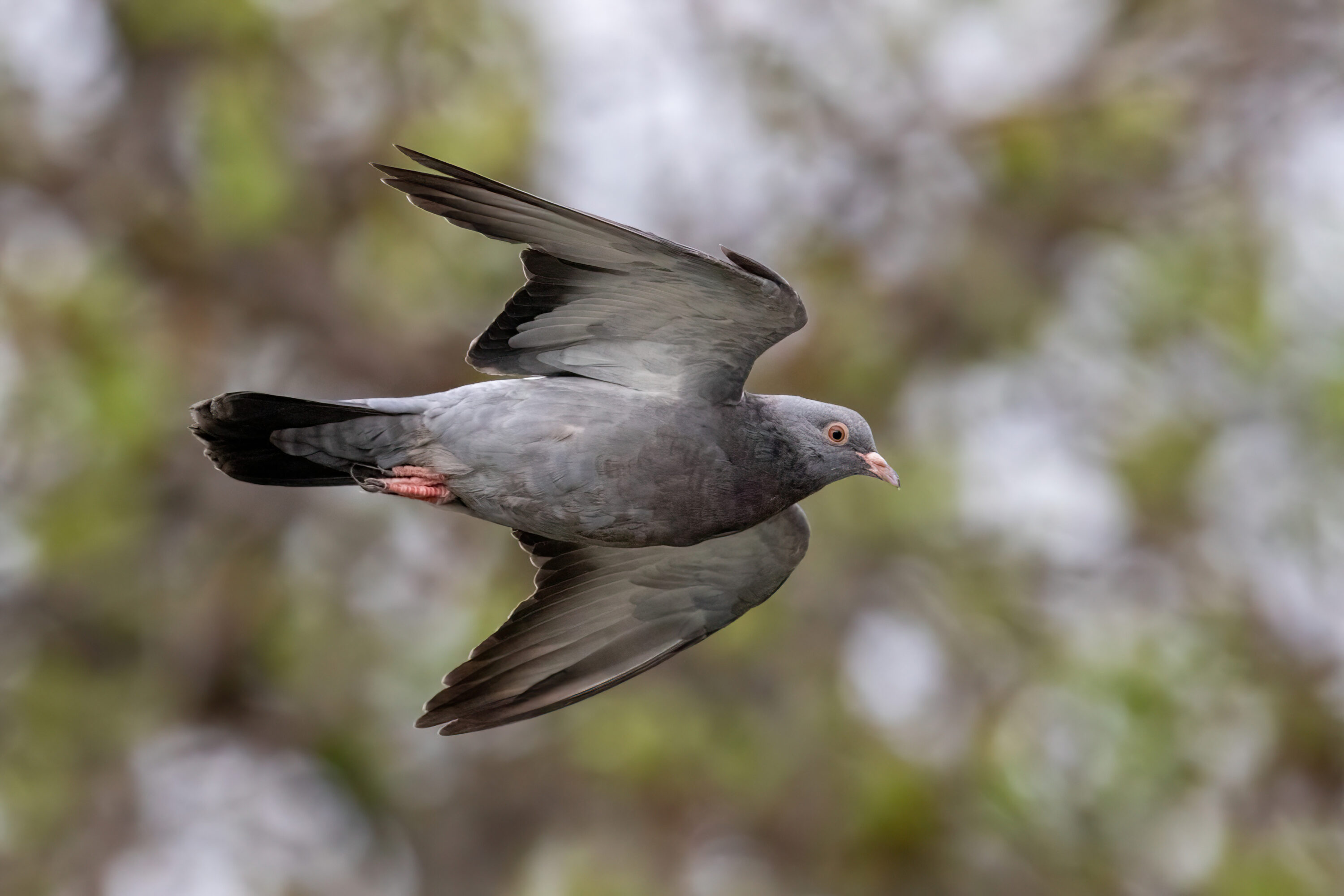
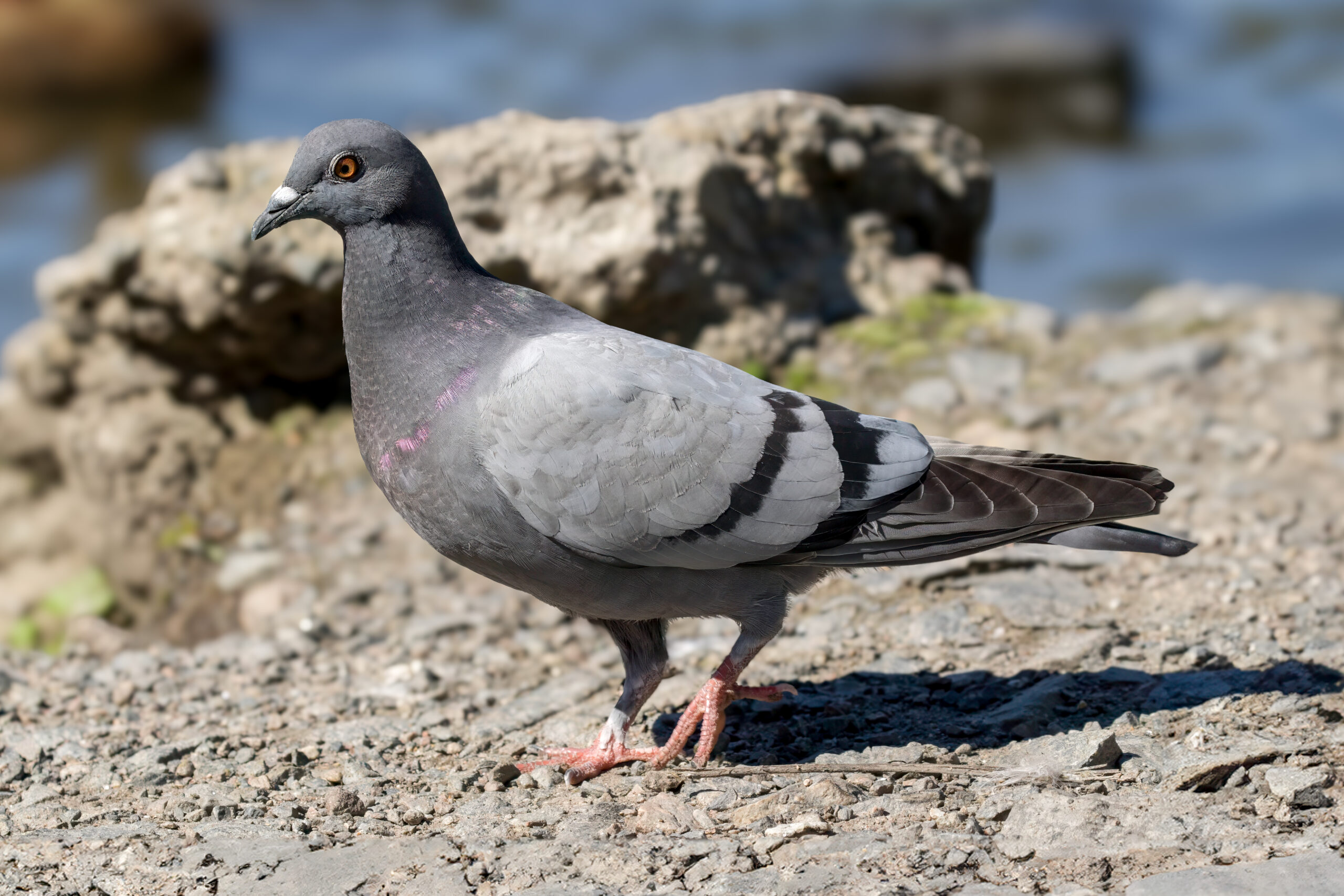
A study of free-living feral pigeons near Ismailia in Egypt found bacterial growth in 124 of 240 tissue samples taken from clinically healthy birds. The pigeons were the domestic-derived form of rock dove (Columba livia), and the researchers examined liver, lung and intestinal tissue to investigate bacterial infections and associated tissue changes.
The study, first published on 27 February 2026 in Veterinary Medicine and Science, used 80 pigeons collected from non-urban areas around Ismailia between October 2022 and July 2023. None showed abnormal clinical signs during 72 hours of observation before examination.
More than Half of the Tissue Samples Yielded Bacteria
Bacterial culture was positive in 124 of the 240 tissue samples, or 51.7%. Escherichia coli was the dominant isolate, accounting for 87 of the positive samples. The researchers also isolated Klebsiella, Enterobacter, Salmonella, Shigella, Proteus, Staphylococcus aureus and Pseudomonas.
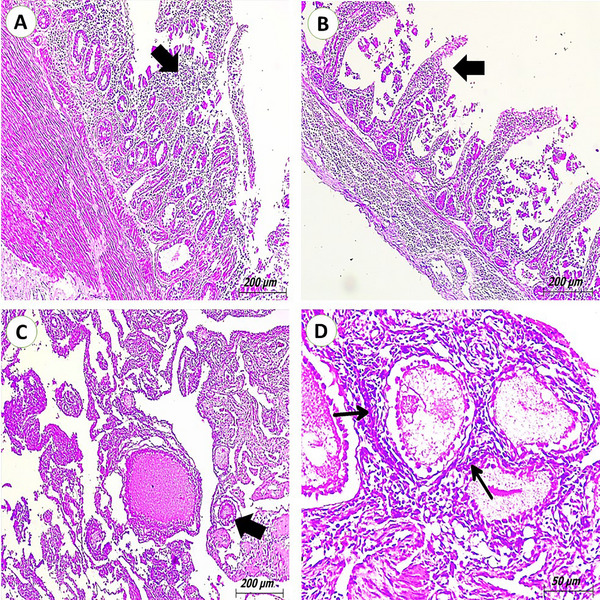
The birds appeared healthy externally, but post-mortem and microscopic examination revealed a range of lesions in different organs. Congestion and focal abnormalities were seen in some lungs and livers, and histological changes were recorded in several tissues. The study therefore documented bacterial isolates alongside tissue pathology in birds that had shown no obvious clinical illness.
The authors investigated feral pigeons because the birds move between natural, agricultural and human-modified environments and may carry bacteria relevant to poultry, livestock and people. They conclude that clinically healthy pigeons can harbour bacterial pathogens of veterinary and zoonotic interest and may contribute to their transmission around farms and settlements.
Disease, parasites & microbiology
Related news
Rock Doves Preferred Predictive Information Despite a Lower Food Payoff
Seven rock doves preferred an informative option that paid on 20% of trials over a non-informative option that…
Read story →
Rotavirus A Antibodies Were Common in Feral Pigeon Samples but Rare in Wood-Pigeon Samples in Germany
A German study detected rotavirus A-reactive antibodies in 79.2% of free-ranging feral pigeons and 77.0% of domestic pigeons,…
Read story →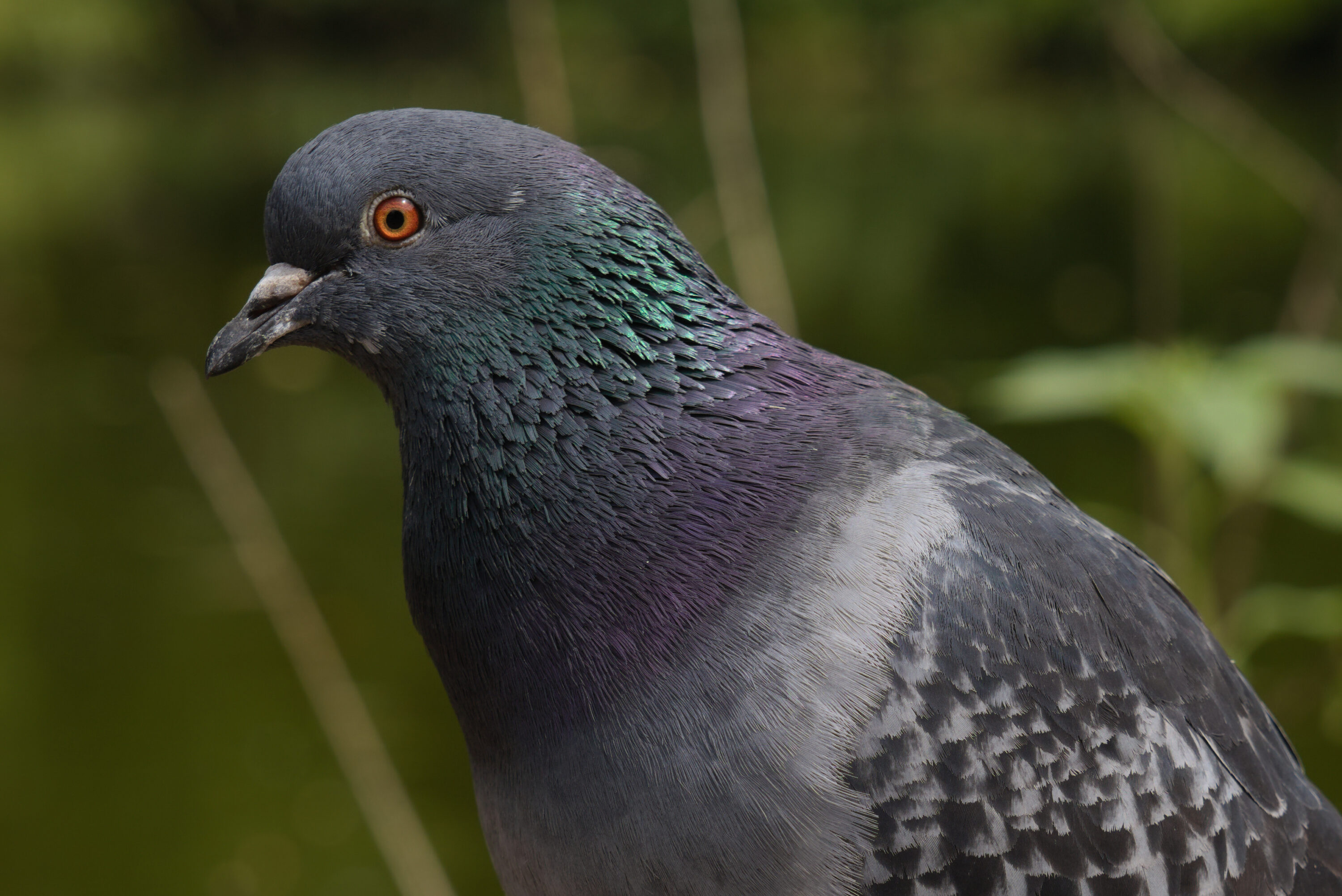
New Shiqi Pigeon Genome Placed 97.8% of Its Sequence on 41 Chromosomes
A chromosome-level genome from a female Shiqi pigeon in Zhongshan, China spans about 1.24 billion DNA bases, places…
Read story →SPECIES IN THIS STORY
Species in this story
Independent research and conservation news archive
Did you find this information useful?
Wildlife Vagabond is independently built and maintained. Voluntary support helps cover source verification, hosting and continued work on research and conservation news.
Support Wildlife VagabondThe news archive will remain freely available.