
Banded mongoose groups show little lasting movement change after simulated rival encounters
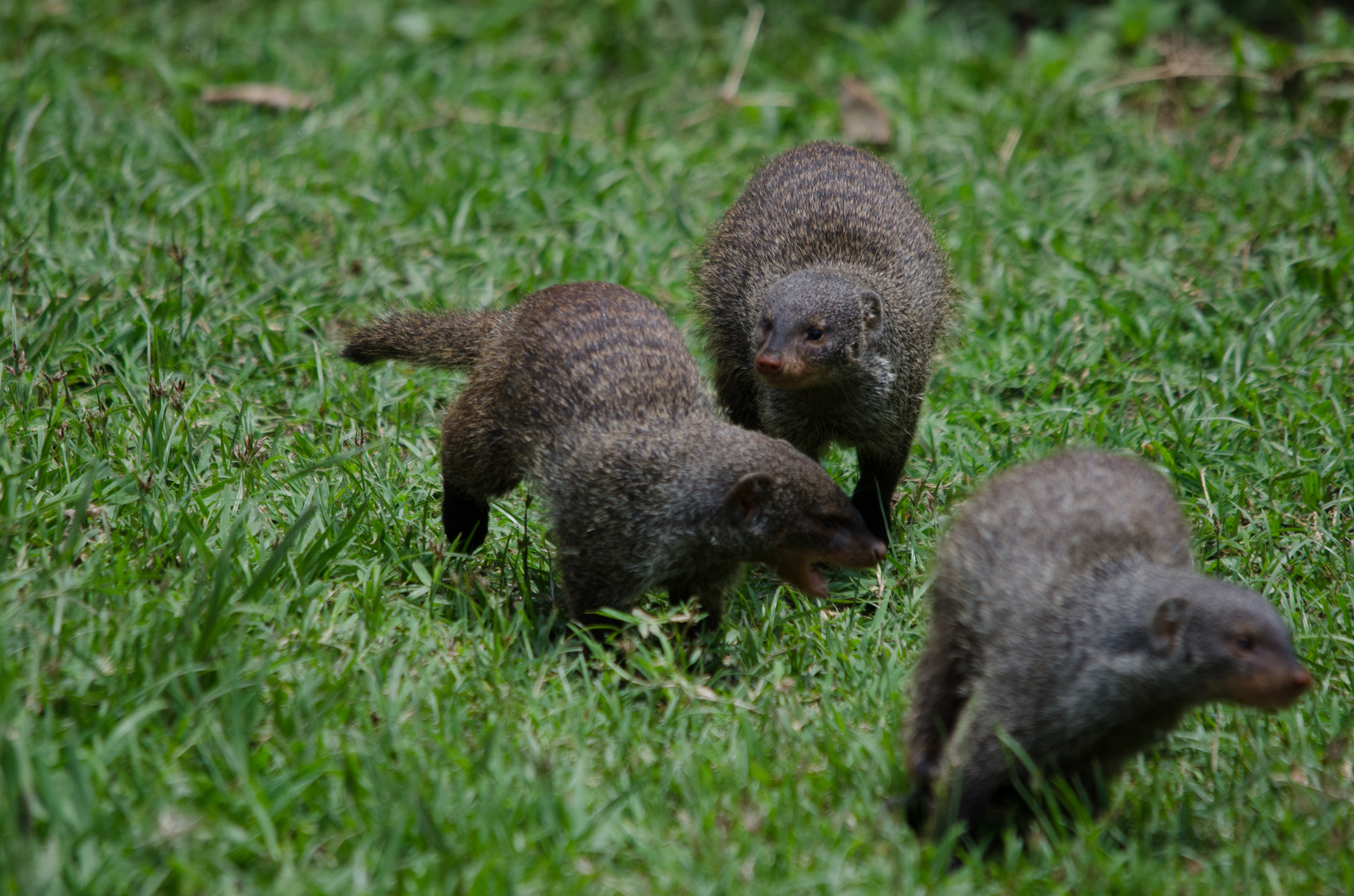
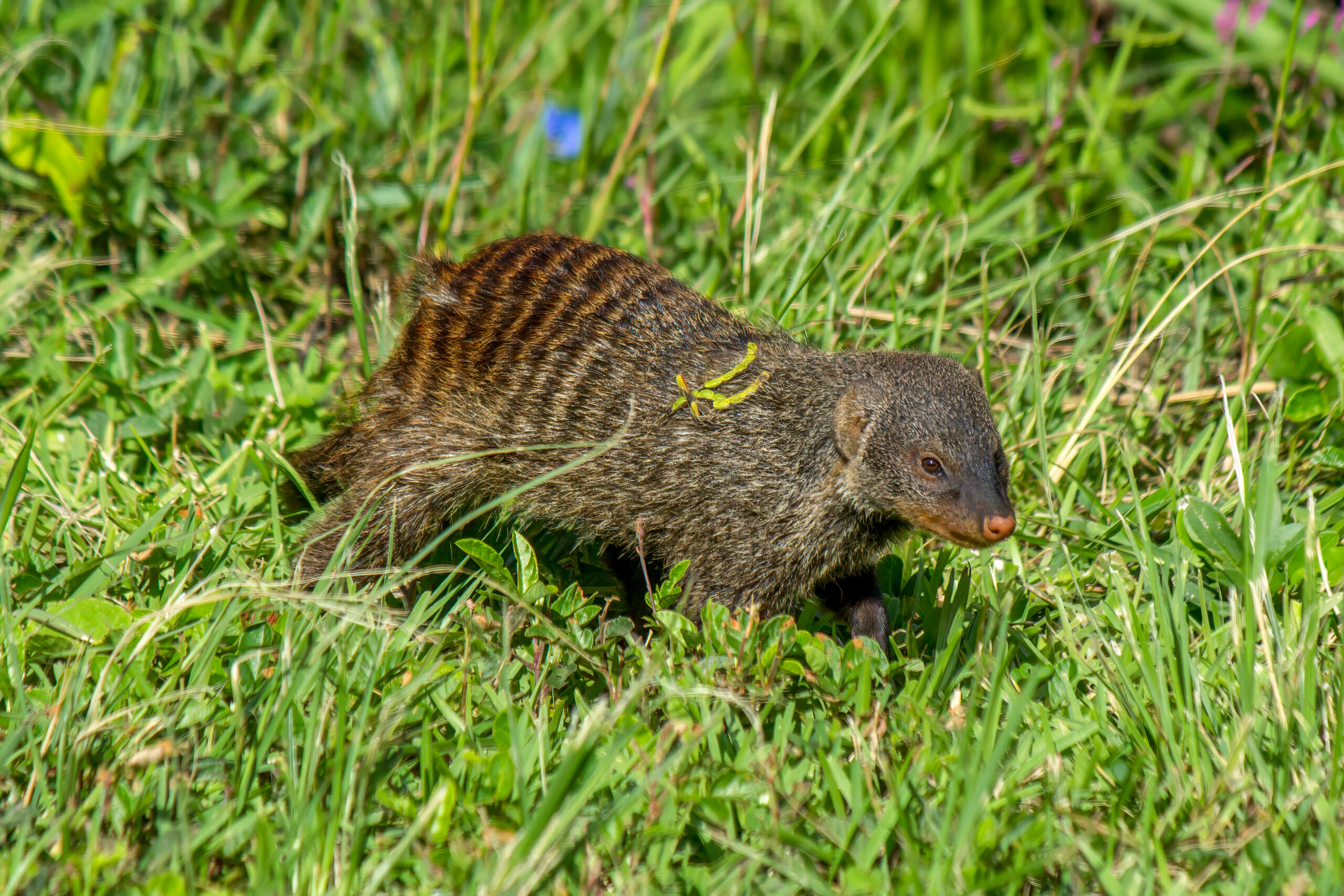
A study published in 2026, based on field experiments conducted in Uganda from January 2016 to May 2017, tested whether the threat of a rival group changes how banded mongooses (Mungos mungo) move through and use their territory. Banded mongooses live in stable social groups and encounters between neighbouring groups can be frequent, highly aggressive and sometimes lethal.
Researchers worked with five habituated groups on the Mweya Peninsula in Queen Elizabeth National Park. They simulated territorial intrusions using fresh scent marks, faeces and urine from a neighbouring group, recordings of the rivals’ aggressive calls and a brief presentation of rival males held safely in covered traps. Control trials used scents, calls and males from the focal group’s own members.
GPS collars and handheld GPS tracking recorded movements before, during and after the presentations. Of 44 trials, 33 had sufficient GPS data for analysis: 15 simulated intrusions and 18 controls. This allowed the researchers to compare both fine-scale movements over hours and broader patterns over the following week.
Movement changed the next day but not across the following week
On the day after the presentations, groups spent more time in the core of their home range. When they did move through peripheral areas, they travelled further and faster. The authors considered whether this pattern reflected avoidance of risky boundary areas after a threat from neighbours. Similar changes, however, also appeared after the control presentations. They therefore suggest that the control stimuli may not have been completely neutral to the mongooses. By the following seven days, there was no clear lasting change in home-range use.
Behaviour
Related news
Age and Individual Identity Shaped Banded Mongoose Scent Chemistry
Anal-gland secretions from wild banded mongooses in Uganda carried individually distinct chemical profiles. Age, season and reproductive status…
Read story →
Scent-marking Networks May Help Disease Spread Between Banded Mongoose Groups
Observations of an uninfected Ugandan population showed far more potential indirect contacts through scent marks than direct contacts.…
Read story →
Banded Mongooses Had Higher Surface Temperatures in Human-Modified Microhabitats
Thermal imaging of a wild group in Uganda found the highest body-surface temperatures on refuse and discarded straw,…
Read story →SPECIES IN THIS STORY
Species in this story
Independent research and conservation news archive
Did you find this information useful?
Wildlife Vagabond is independently built and maintained. Voluntary support helps cover source verification, hosting and continued work on research and conservation news.
Support Wildlife VagabondThe news archive will remain freely available.