
Three Black-headed Ibis Nests With Seven Chicks Found at a New Edavannappara Colony
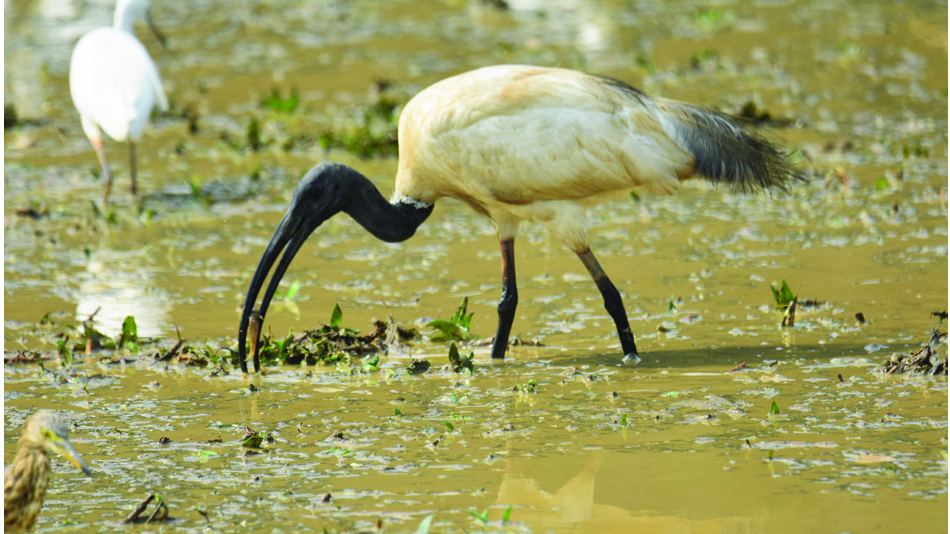
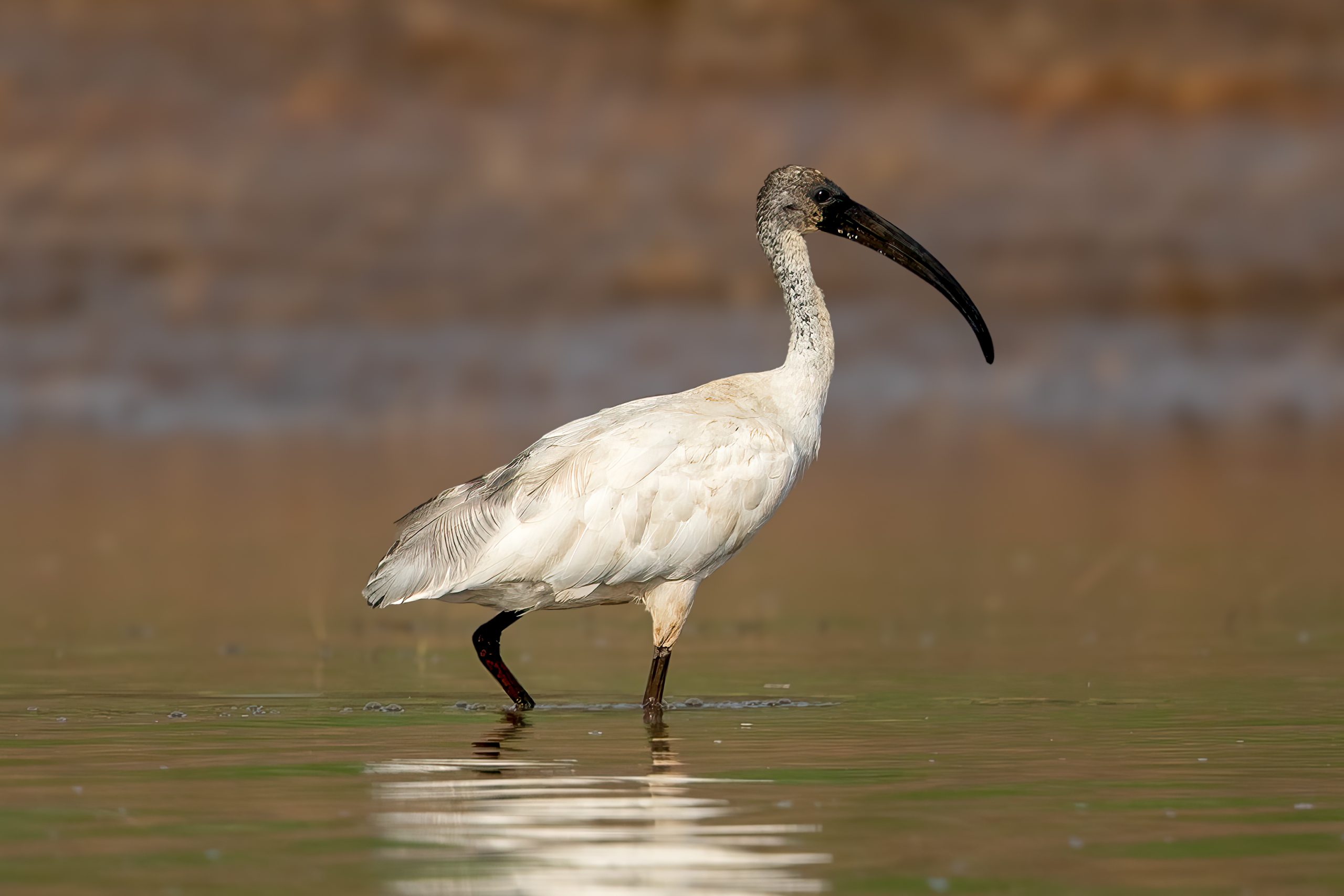
A 2026 field note documents a new breeding colony of black-headed ibis (Threskiornis melanocephalus) at Edavannappara in Malappuram District, Kerala, India. Researchers found three active nests containing seven chicks on 4 November 2025. This was a new breeding locality within Malappuram rather than the district’s first record, because breeding had previously been documented at Thirunavaya Wetlands.
All three nests were high in a mature Alstonia scholaris tree beside a busy road. The researchers measured them at about 14.4 metres above the ground. Earlier Kerala records cited in the paper were generally around 2.6–7 metres, including about 3.2 metres at Thirunavaya, making the Edavannappara nests unusually high. The nests were built mainly from twigs and leaves, with plastic ropes also incorporated into the structures.
The nesting tree stood in a heavily used setting exposed to traffic, construction, human movement, light and noise. Nearby shallow pools, paddy fields and agricultural land provided feeding habitat, and the ibises were frequently observed foraging in surrounding fields. An adult was also seen bringing fresh leafy twigs to one of the nests.
Junaina and Rashiba interpret the colony as evidence that the surrounding agricultural and wetland mosaic still provides suitable feeding and nesting conditions. They emphasise retaining nesting trees and wetland-associated habitat and recommend long-term monitoring to determine whether the colony persists and breeds successfully over time.
Reproduction & development
Related news
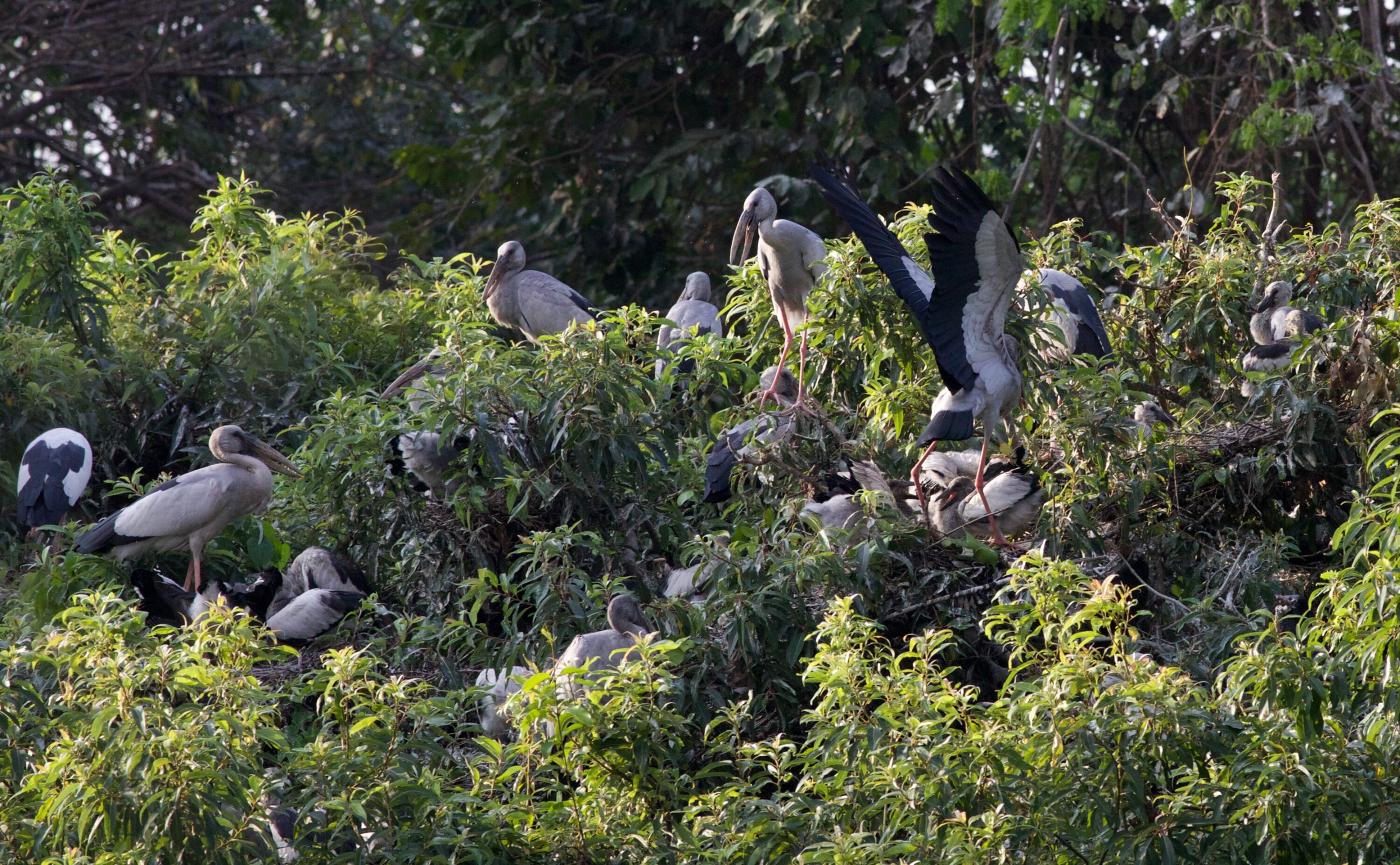
Waterbird Nest Counts Nearly Halved at an Indian Wetland, but Bird Numbers Showed No Clear Decline
At Vettangudi Bird Sanctuary in India, recorded waterbird nests fell from 396 to 190 across eight sampled breeding…
Read story →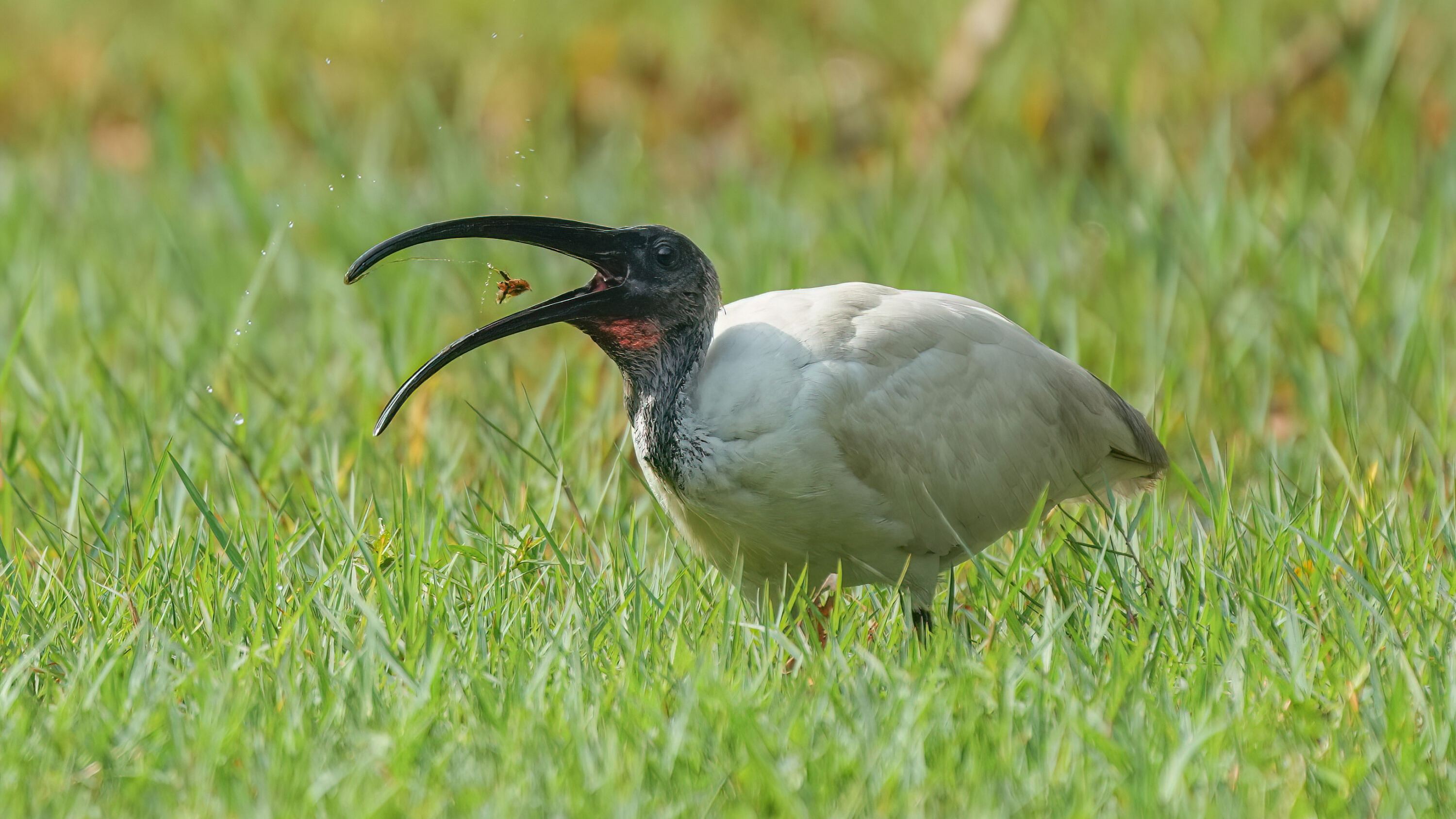
Naxalbari Black-headed Ibis Count Fell to Around 190 in 2026
An annual census in Naxalbari recorded around 190 black-headed ibises in 2026, down from roughly 350 in earlier…
Read story →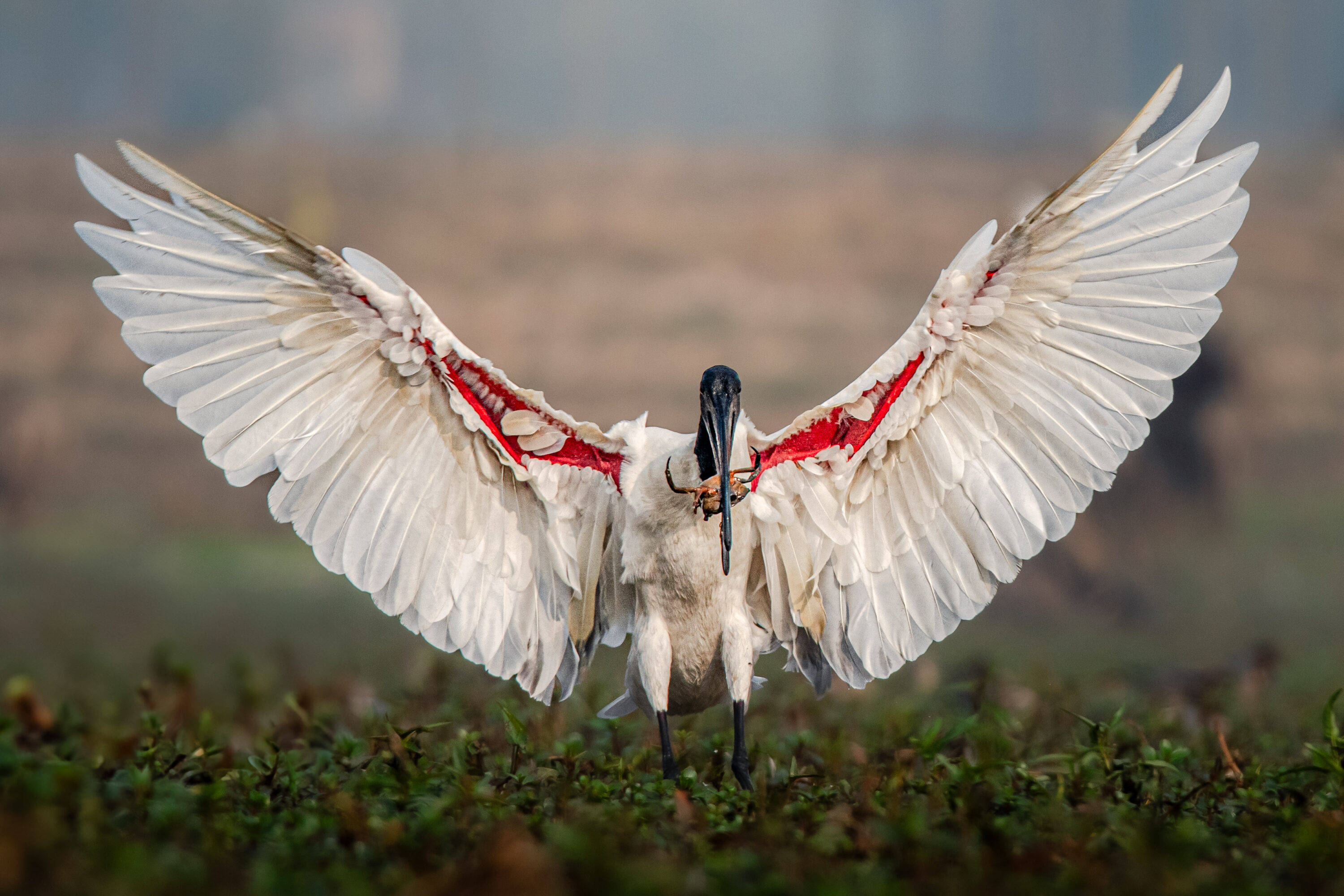
Black-headed Ibis Recolonization Reported in Bangladesh
A 2026 JBNHS note reports recolonization of black-headed ibis in Bangladesh, where the species had shifted from resident…
Read story →SPECIES IN THIS STORY
Species in this story
Independent research and conservation news archive
Did you find this information useful?
Wildlife Vagabond is independently built and maintained. Voluntary support helps cover source verification, hosting and continued work on research and conservation news.
Support Wildlife VagabondThe news archive will remain freely available.