
Eurasian Blackbird Immune Function Stayed Stable Through Moult
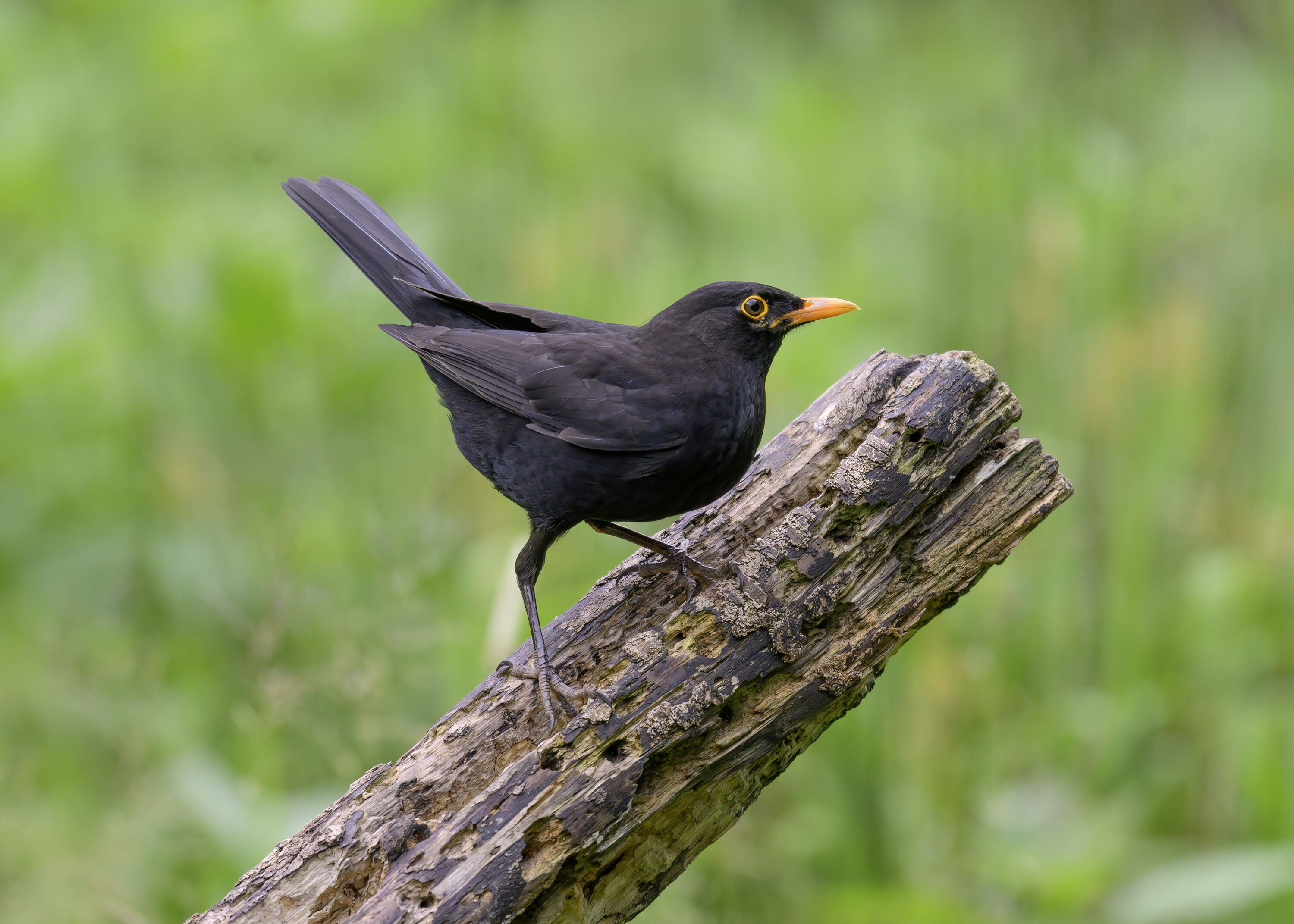
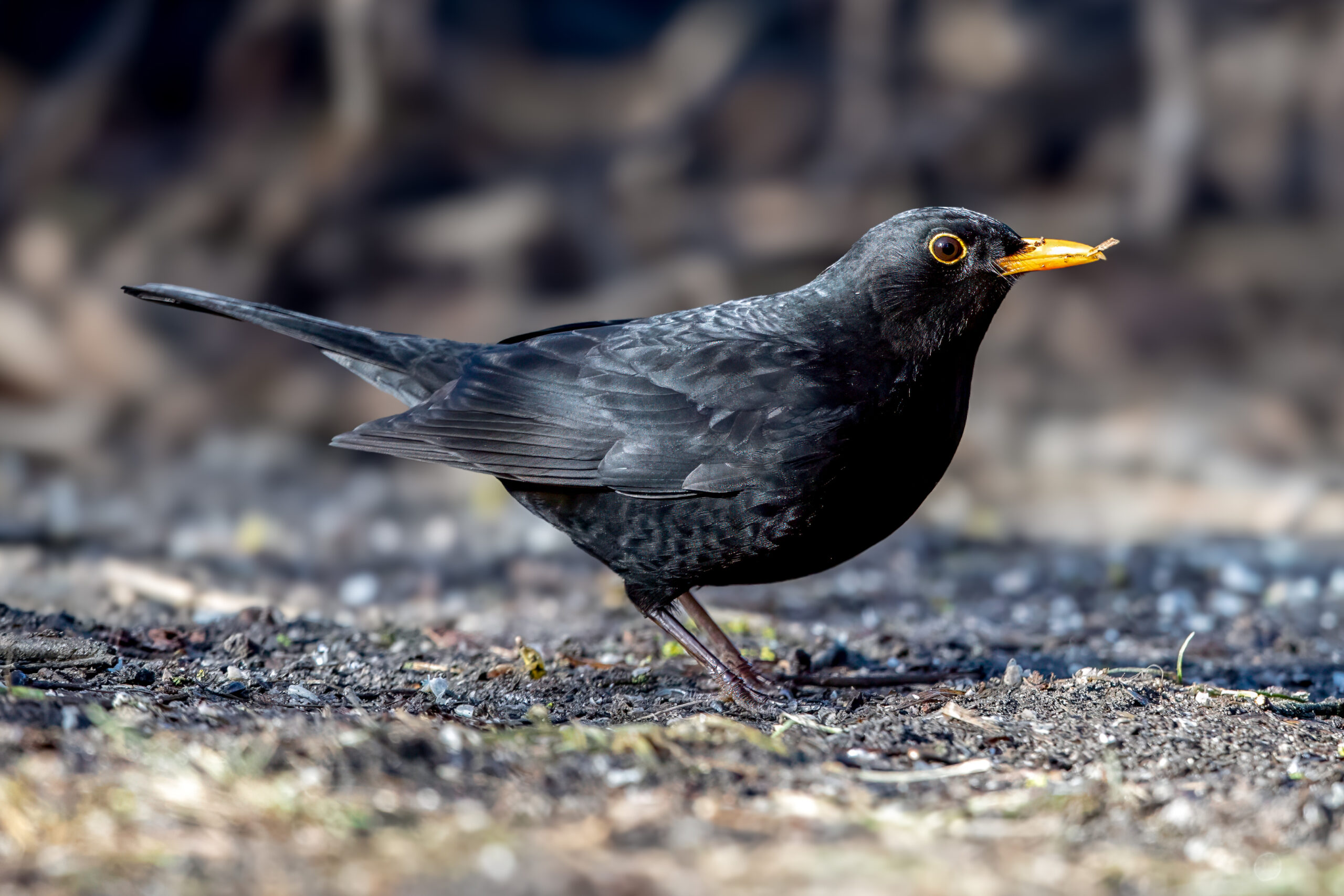
Four measures of baseline innate immune function remained stable as Eurasian blackbirds (Turdus merula) replaced their feathers. A Swedish study of both adults and juveniles found no evidence that the resource demands of moult caused a measurable reduction or redistribution of the immune responses examined.
The study, published in Journal of Avian Biology on 23 January 2026, used data from 72 wild blackbirds caught in Lund between 2019 and 2021. The sample included 46 adults and 26 juveniles, allowing the researchers to compare two different moulting strategies: the complete adult moult, including the flight feathers, and the less extensive post-juvenile moult.
Four parts of innate immunity were measured
The four measures captured different functions rather than four versions of the same response. Bacterial-killing ability tested how effectively blood plasma killed Escherichia coli. Complement activity was measured through lysis, while agglutination reflected natural antibodies that can bind broadly to unfamiliar targets without prior exposure. Haptoglobin provided a different signal: it is an acute-phase protein that is normally present at low concentration but can rise when an immune response begins. Together, the measures gave complementary views of baseline, or constitutive, innate immune function.
The 46 adults and 26 juveniles were sampled at different stages before, during or after moult. In adults, the researchers also quantified progression through the primary flight feathers; in juveniles, they estimated how much of the post-juvenile body moult had been completed. This allowed them to test both whether immunity differed once moult had begun and whether it changed progressively as feather replacement advanced.
No measured immune parameter declined during moult
None of the four immune measures differed clearly between adult blackbirds that were actively moulting and those that had not yet begun. The same measures also remained stable as primary-feather moult progressed in adults and as body-feather moult progressed in juveniles.
The researchers had expected that feather growth might compete with immunity for energy and nutrients. Growing a new plumage is costly, especially for adults replacing both body and flight feathers. The new results provide no evidence for such a trade-off in the baseline immune functions that were measured.
Maintaining immunity may be important while feathers grow
The authors suggest that maintaining immunity during moult may itself be beneficial. Feather loss and regrowth can increase exposure to ectoparasites and create small skin injuries, potentially raising infection risk. In particular, sustained natural-antibody and complement activity could help control bacterial and viral infections, while these components also contribute to clearing damaged cells during tissue renewal. This is the authors’ interpretation of why stable immunity might be advantageous during feather replacement, not a mechanism directly tested in the study.
The similar pattern in adults and juveniles is notable because their moults differ considerably in extent. Adults replace the complete plumage, including the primary and secondary flight feathers, whereas young birds replace mainly body feathers and some wing coverts during their first post-juvenile moult.
The result is limited to the four baseline innate immune measures examined. The study cannot rule out smaller effects, changes in other parts of the immune system or physiological costs of moult that were not measured.
Physiology
Related news

Inland Mute Swans Had Higher Winter Body Condition Despite Harsher Winters and Supplemental Feeding
A study of 853 mute swans from four Polish wintering regions found higher body condition inland than on…
Read story →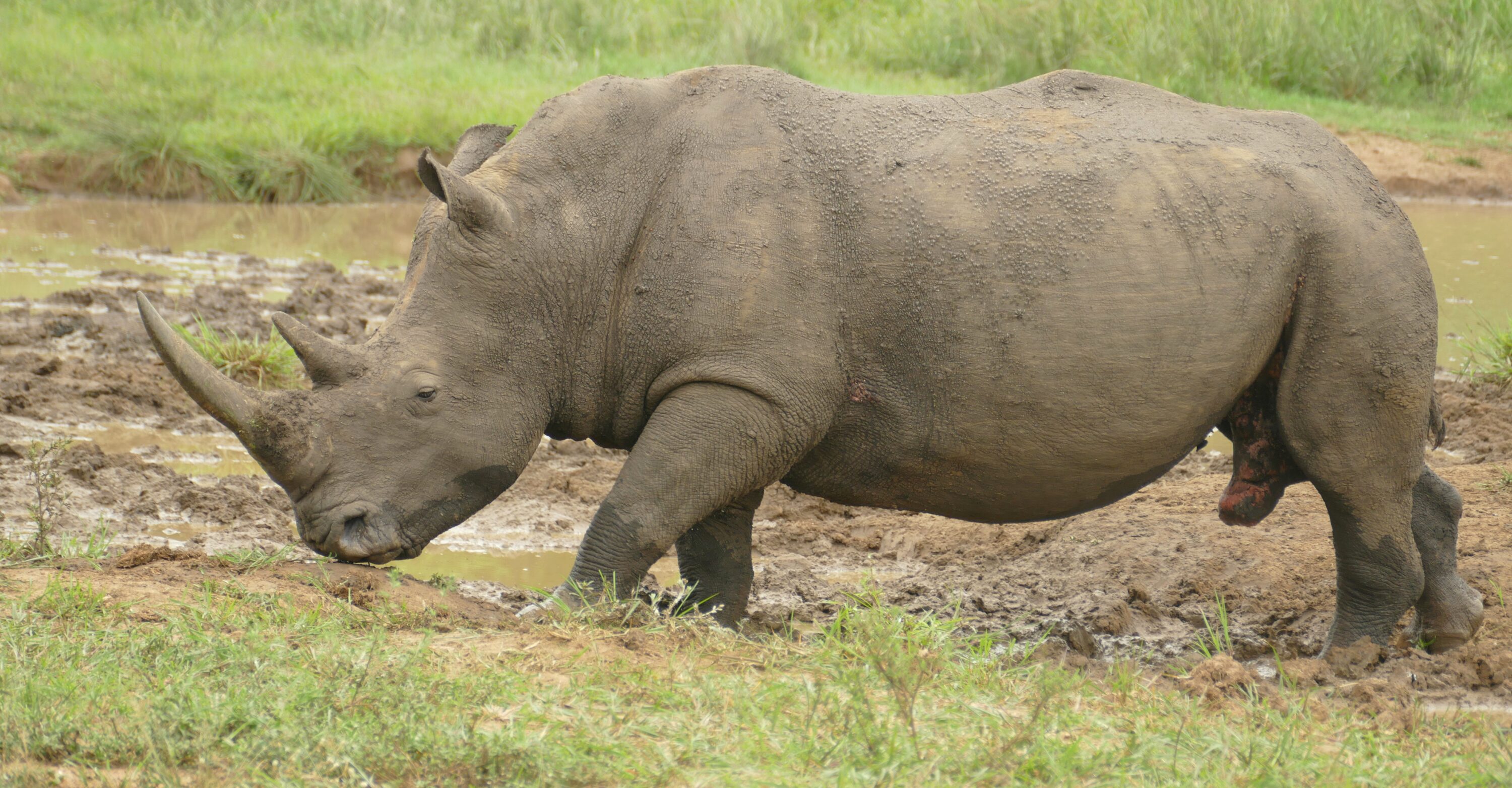
pH-Adjusted Hill Equation Reliably Estimated Blood Oxygen Saturation From 70–100% in Immobilised White Rhinos
A South African study of 16 immobilised male white rhinos in Kruger National Park found that a pH-adjusted…
Read story →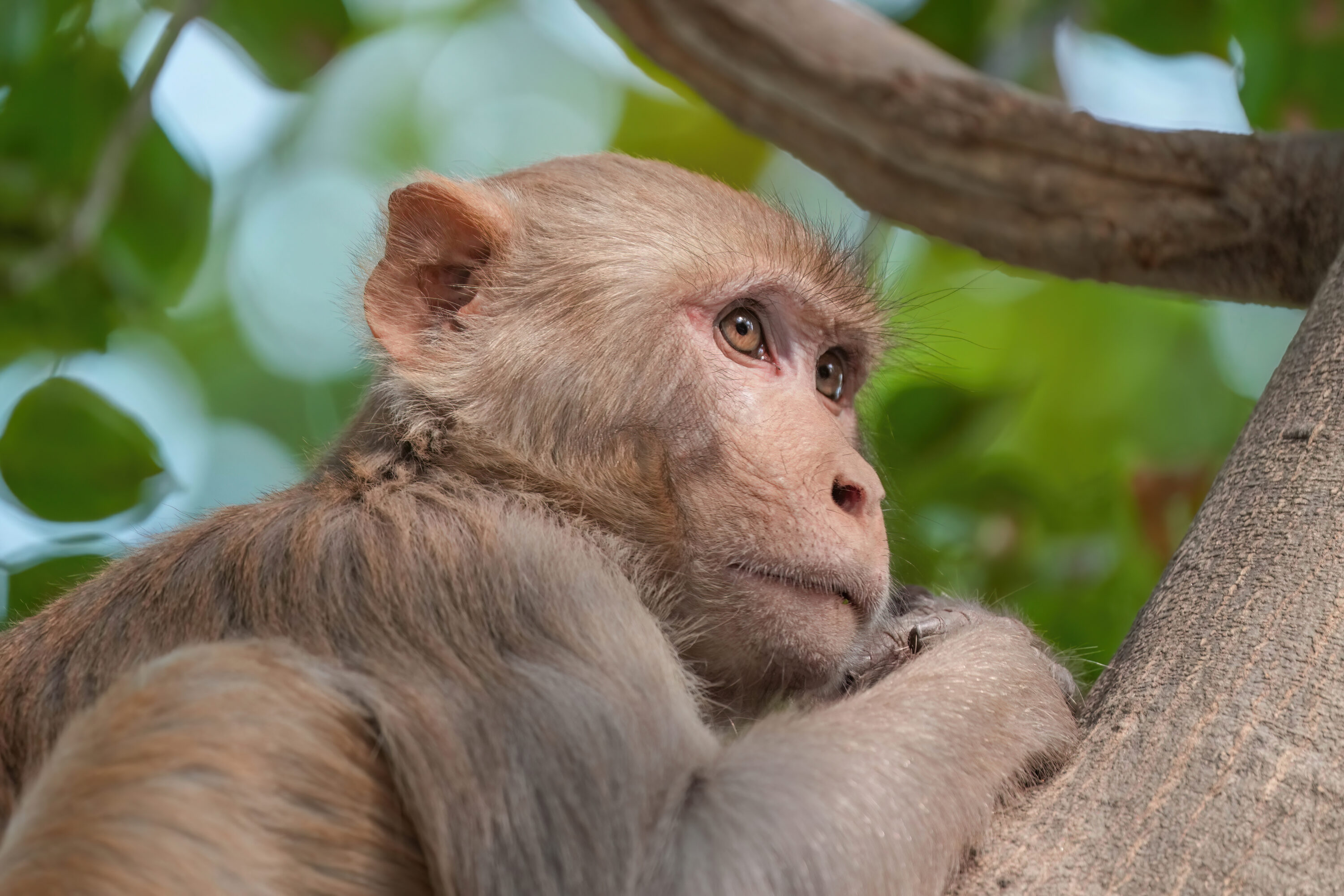
Task Uncertainty Increased Interference From Irrelevant Visual Information in Rhesus Macaque Decisions
Two rhesus macaques made less accurate visual decisions under task uncertainty; recordings and microstimulation in primary visual cortex…
Read story →SPECIES IN THIS STORY
Species in this story
Independent research and conservation news archive
Did you find this information useful?
Wildlife Vagabond is independently built and maintained. Voluntary support helps cover source verification, hosting and continued work on research and conservation news.
Support Wildlife VagabondThe news archive will remain freely available.