
Blackbuck Populations Across India Retained High mtDNA Diversity and Shallow North–South Structure
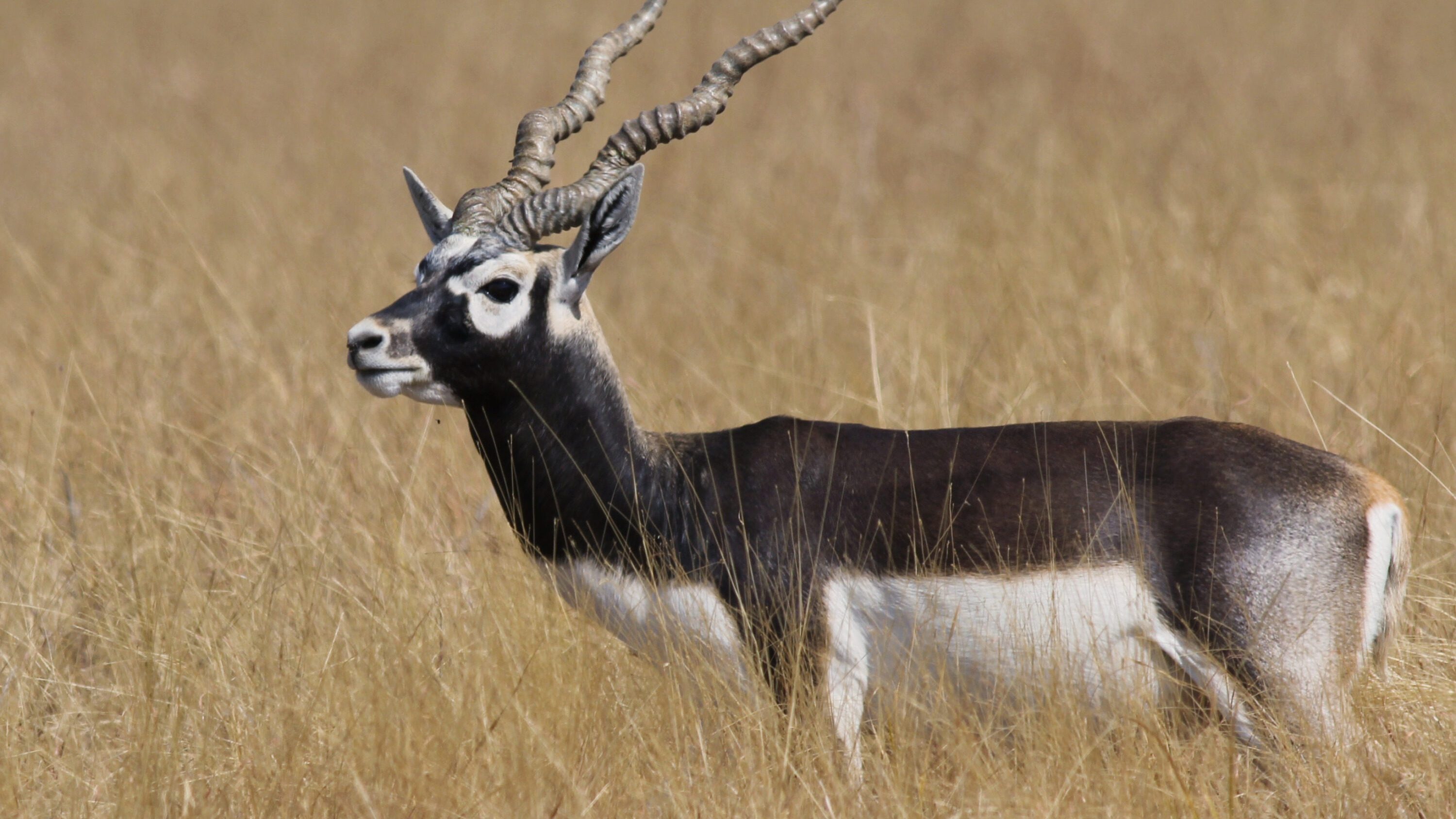
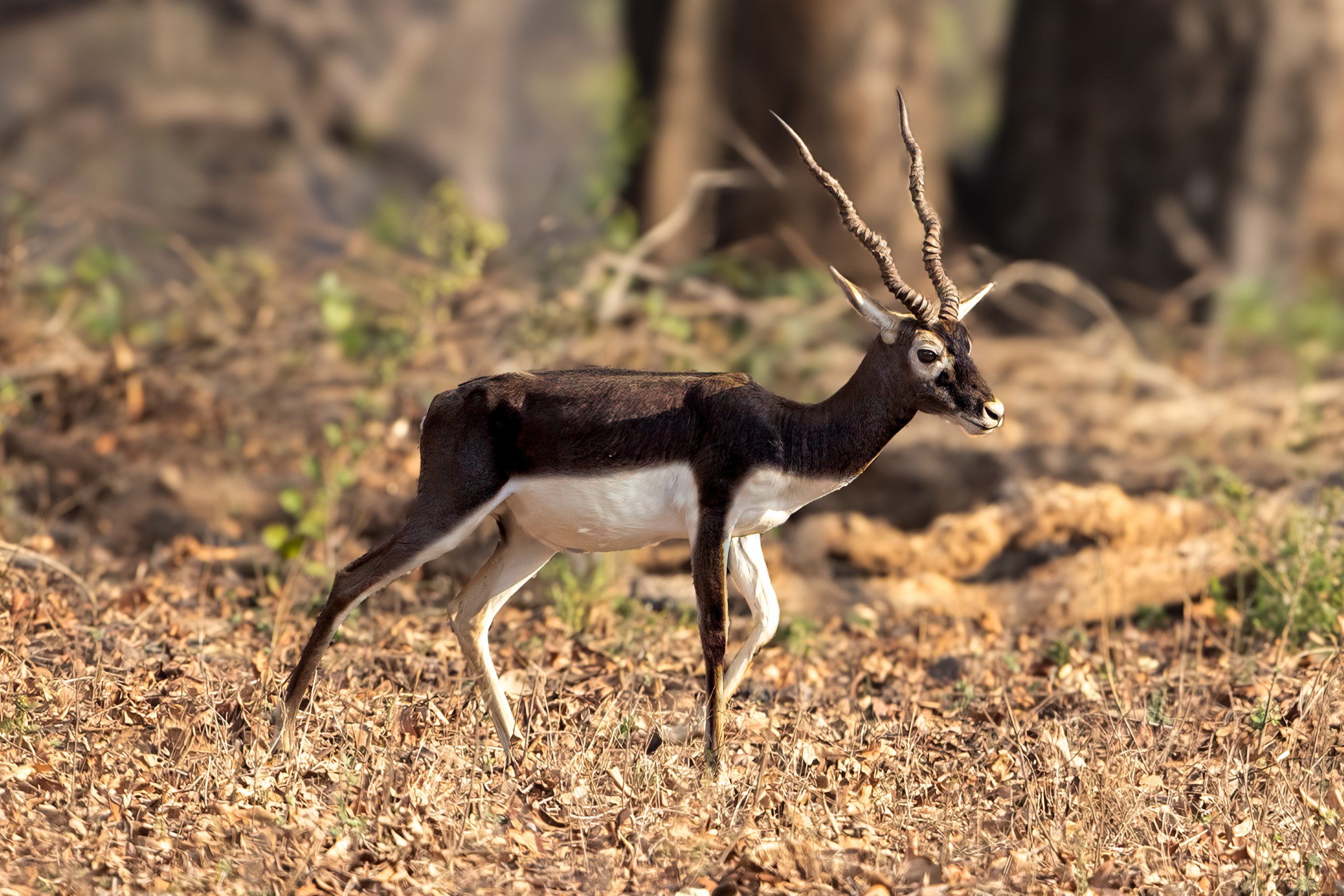
Blackbuck (Antilope cervicapra) populations from northern and southern India retained high mitochondrial DNA diversity despite their present-day fragmentation, according to a 2026 study in Gene Reports. Researchers analysed 163 control-region sequences from four population groups to examine how strongly populations had diverged across the species’ north–south range. Mitochondrial DNA (mtDNA) is inherited through the maternal line, so the study traces maternal genetic history rather than the whole genome.
The dataset included 64 newly collected faecal samples from western Haryana, Sorsan Wildlife Sanctuary and Tal Chhapper Wildlife Sanctuary in Rajasthan, together with 99 previously published sequences from southern India. Across all samples, the researchers identified 81 haplotypes—distinct variants of the mitochondrial sequence. Haplotype diversity was high in each northern population, ranging from 0.933 to 0.980, and was similarly high in the southern dataset at 0.942. This means that the populations still contained many different maternal lineages despite their present-day fragmentation. Together with the low genetic distances among population groups, this suggests that mitochondrial variation has not been strongly eroded and that the populations were historically genetically connected.
North–south genetic structure remained shallow
Phylogenetic analyses showed some north–south structuring, but overall genetic distances among the population groups were low. The authors interpret this as shallow geographic genetic differentiation that may reflect relatively recent divergence and historical gene flow. Individual populations showed no clear signal of recent demographic change, while the pooled dataset showed a pattern consistent with possible population expansion at a broader geographic scale.
Several separated populations help retain mitochondrial diversity
The study concludes that maintaining several spatially separated populations is important for retaining the species’ mitochondrial diversity. The authors also note that the new reference dataset can support wildlife-forensic work, including species identification and assessment of geographic origin.
Genetics & genomics
Related news
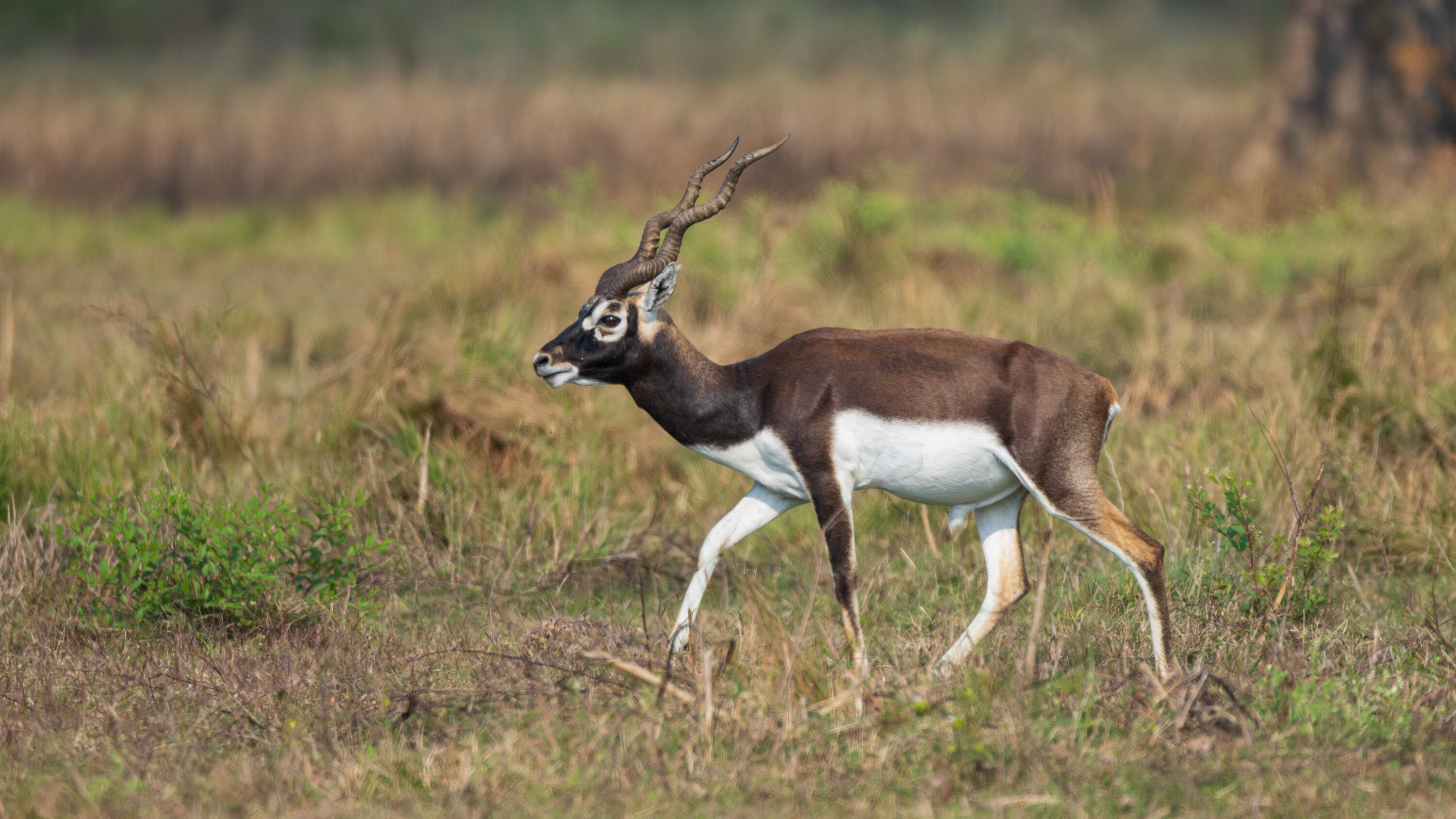
Gastrointestinal Parasites Were Found in 96% of Blackbuck Samples From Nepal Conservation Area
A study of 150 fresh faecal samples from wild blackbuck in Nepal’s Blackbuck Conservation Area found gastrointestinal parasites…
Read story →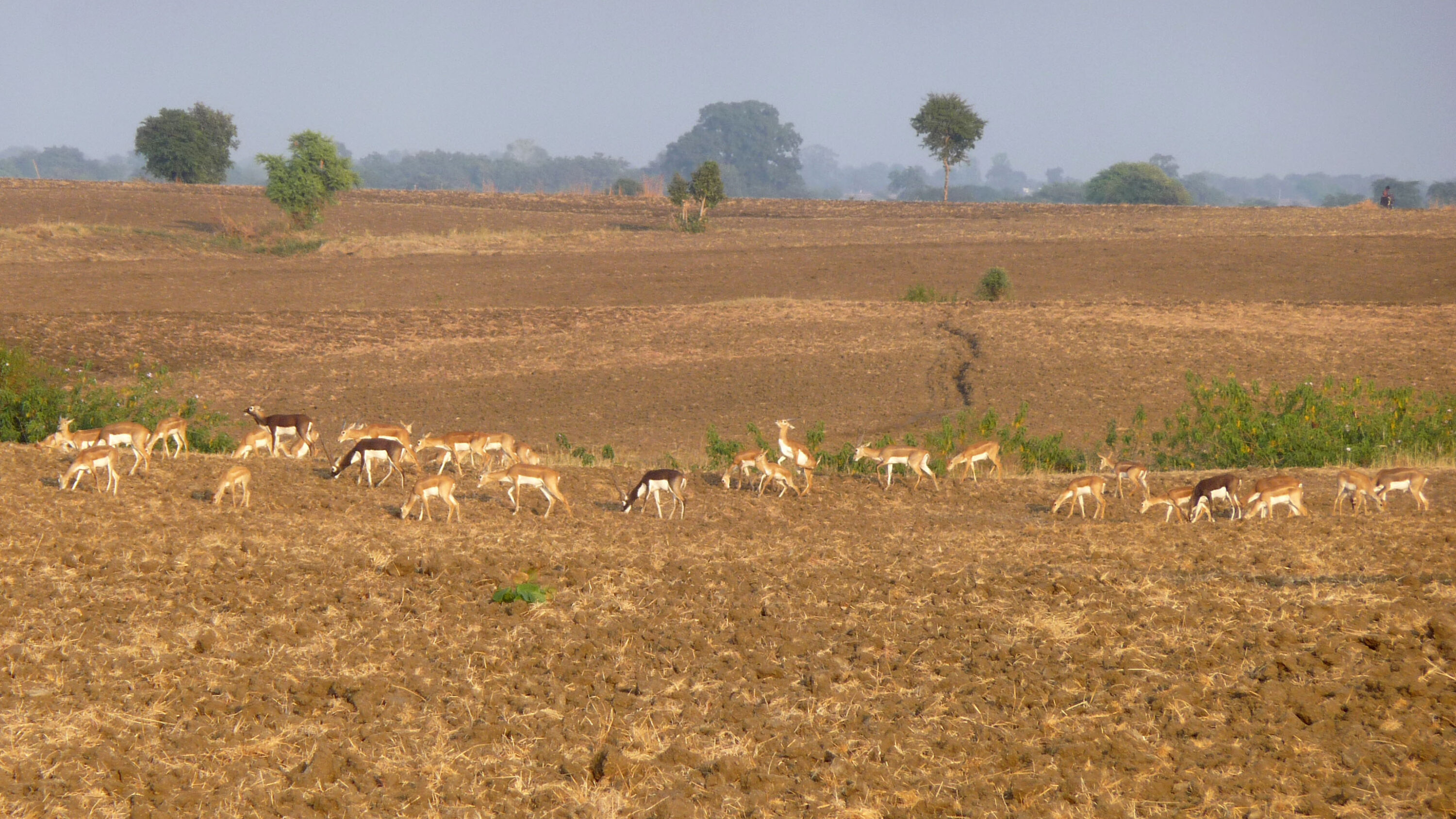
Blackbuck, Striped Hyenas, Sloth Bears and Indian Wolves Occurred Across Koppal’s Agro-pastoral Landscape
In Koppal district, Karnataka, interview-based models estimated occupancy of 63% for blackbuck, 52% for striped hyena and 26%…
Read story →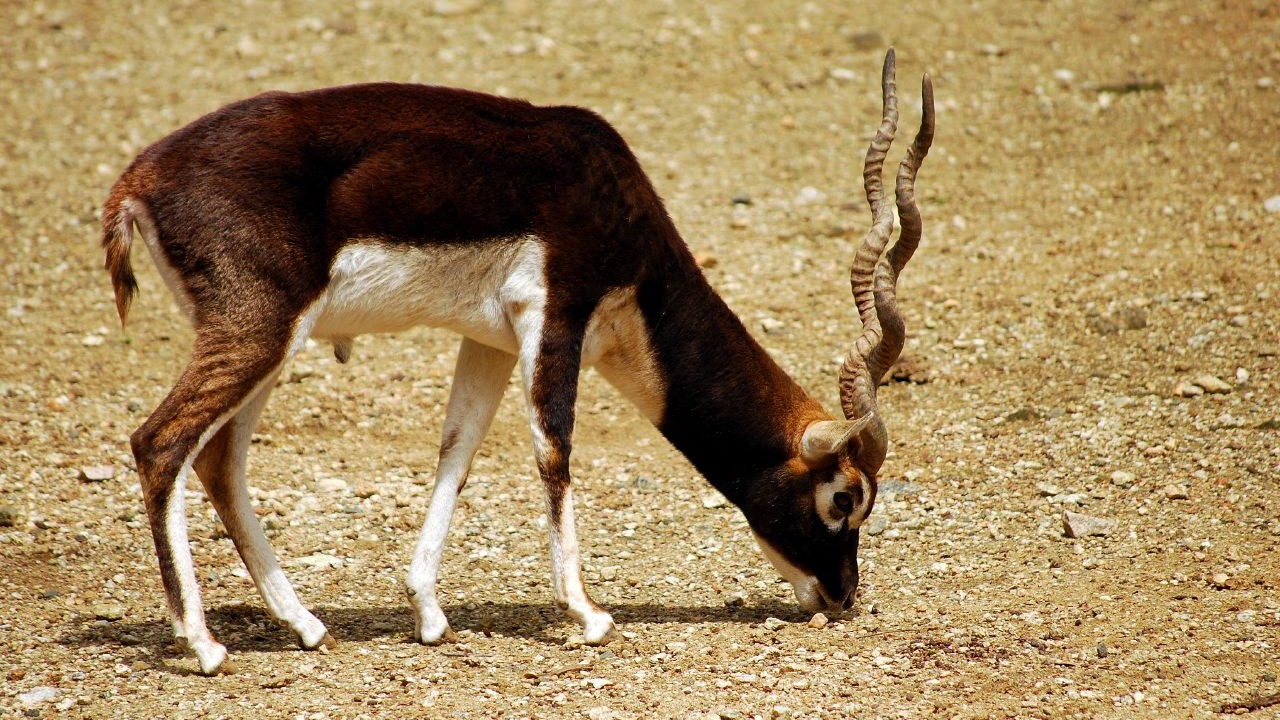
Movement Ecology and Predator–Prey Relationships Remain Poorly Studied in Blackbuck
A 2026 review examined 123 sources on blackbuck ecology, behaviour and conservation and found movement ecology, predator–prey relationships…
Read story →SPECIES IN THIS STORY
Species in this story
Independent research and conservation news archive
Did you find this information useful?
Wildlife Vagabond is independently built and maintained. Voluntary support helps cover source verification, hosting and continued work on research and conservation news.
Support Wildlife VagabondThe news archive will remain freely available.