
Movement Ecology and Predator–Prey Relationships Remain Poorly Studied in Blackbuck
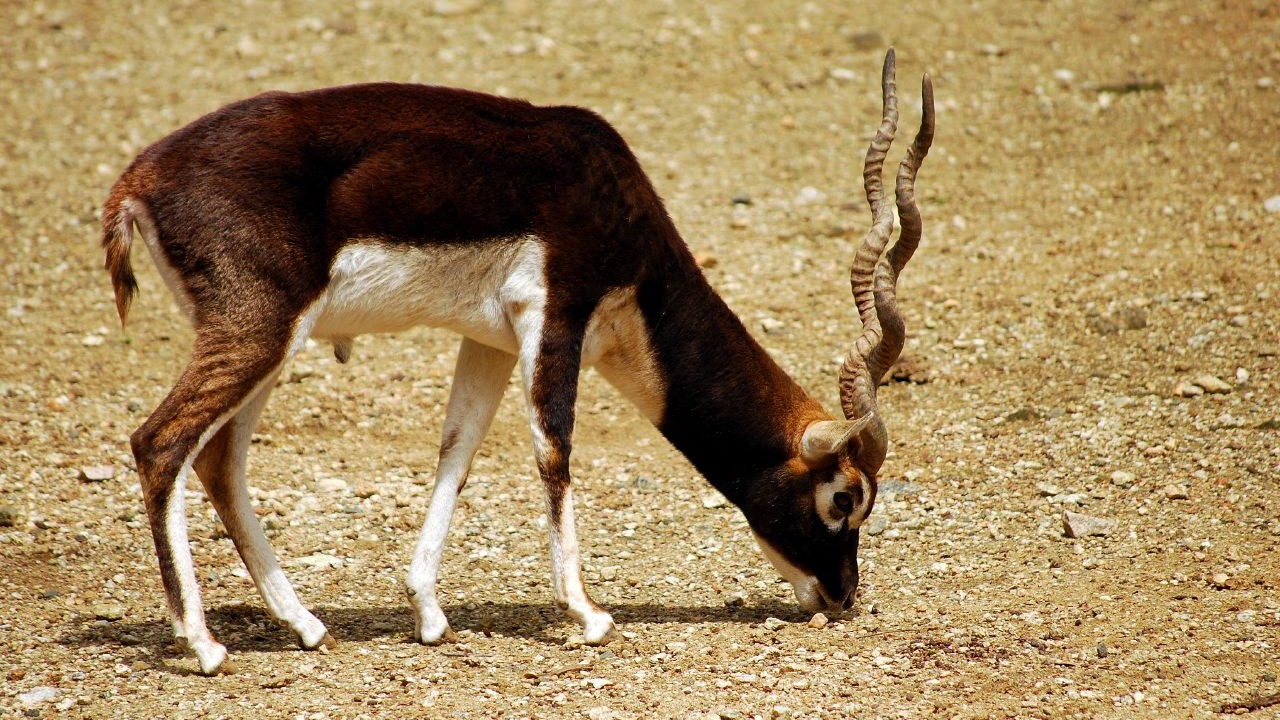
Movement ecology, predator–prey relationships and other biological interactions remain among the least studied parts of blackbuck (Antilope cervicapra) biology, according to a 2026 review. The author first considered abstracts from 572 pieces of literature and then examined 123 sources in detail, covering ecology, behaviour and conservation with particular attention to blackbucks in Odisha, India.
Research has concentrated on a few themes
The literature was much richer on social structure and behaviour, foraging, population dynamics and distribution. By contrast, relatively little research has examined how blackbucks move through landscapes, how they interact with predators or how other species shape their ecology. These gaps are especially relevant where populations now persist in fragmented and human-dominated landscapes.
The review identifies habitat fragmentation and land-use change as recurring pressures because they can confine blackbucks to smaller areas, restrict movement and reduce opportunities to find mates. The author also highlights the genetic health of fragmented populations and the connectivity between remaining populations as important conservation questions.
Movement and connectivity are priorities
Among the priorities proposed are more movement tracking to identify core areas and corridors, stronger community involvement, assessment of possible reintroductions within former range and restoration designed for open grassland species rather than relying mainly on forest-centred conservation. The review therefore links the uneven research record directly to questions that remain important for long-term blackbuck conservation.
Ecology
Related news
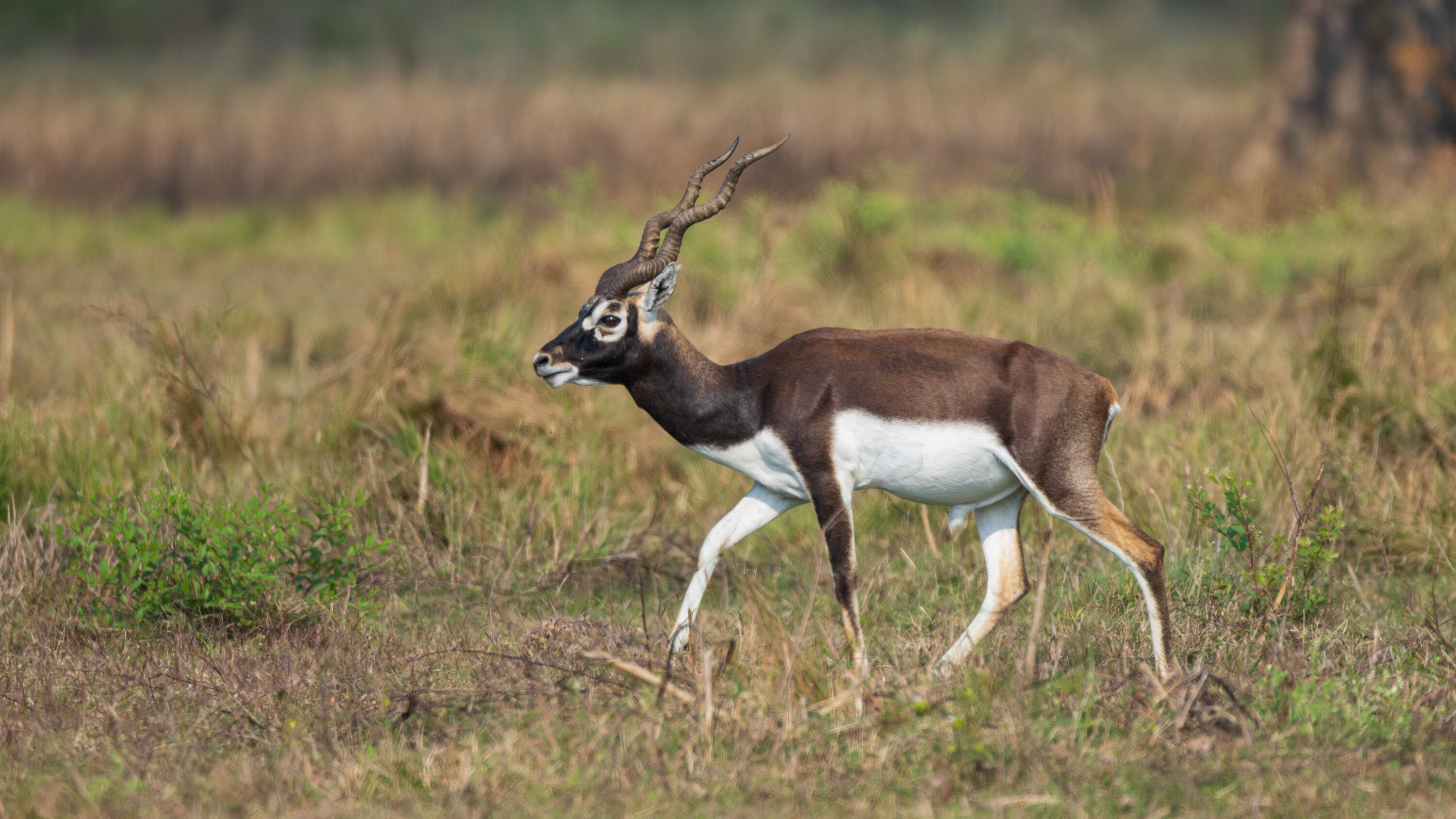
Gastrointestinal Parasites Were Found in 96% of Blackbuck Samples From Nepal Conservation Area
A study of 150 fresh faecal samples from wild blackbuck in Nepal’s Blackbuck Conservation Area found gastrointestinal parasites…
Read story →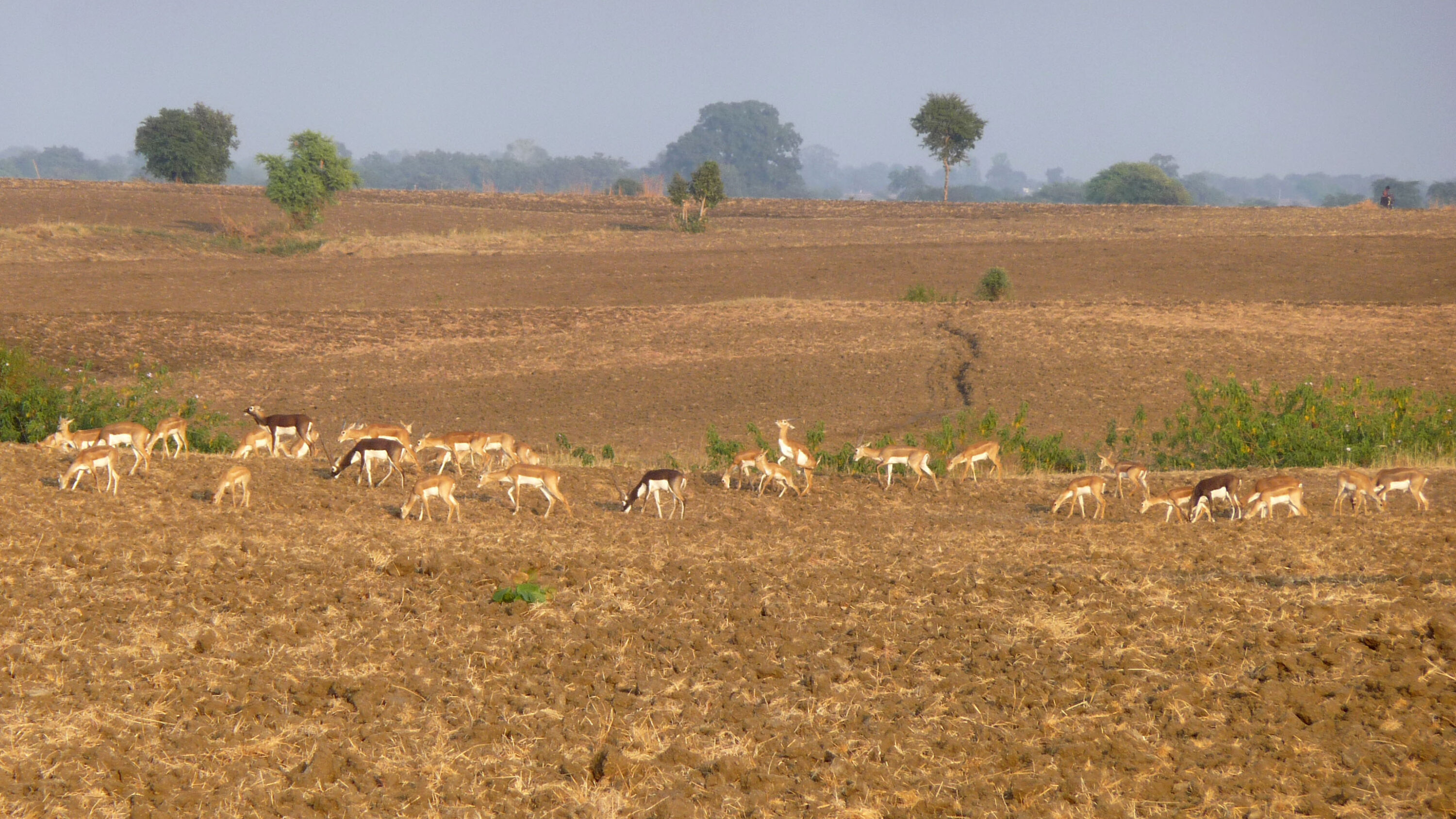
Blackbuck, Striped Hyenas, Sloth Bears and Indian Wolves Occurred Across Koppal’s Agro-pastoral Landscape
In Koppal district, Karnataka, interview-based models estimated occupancy of 63% for blackbuck, 52% for striped hyena and 26%…
Read story →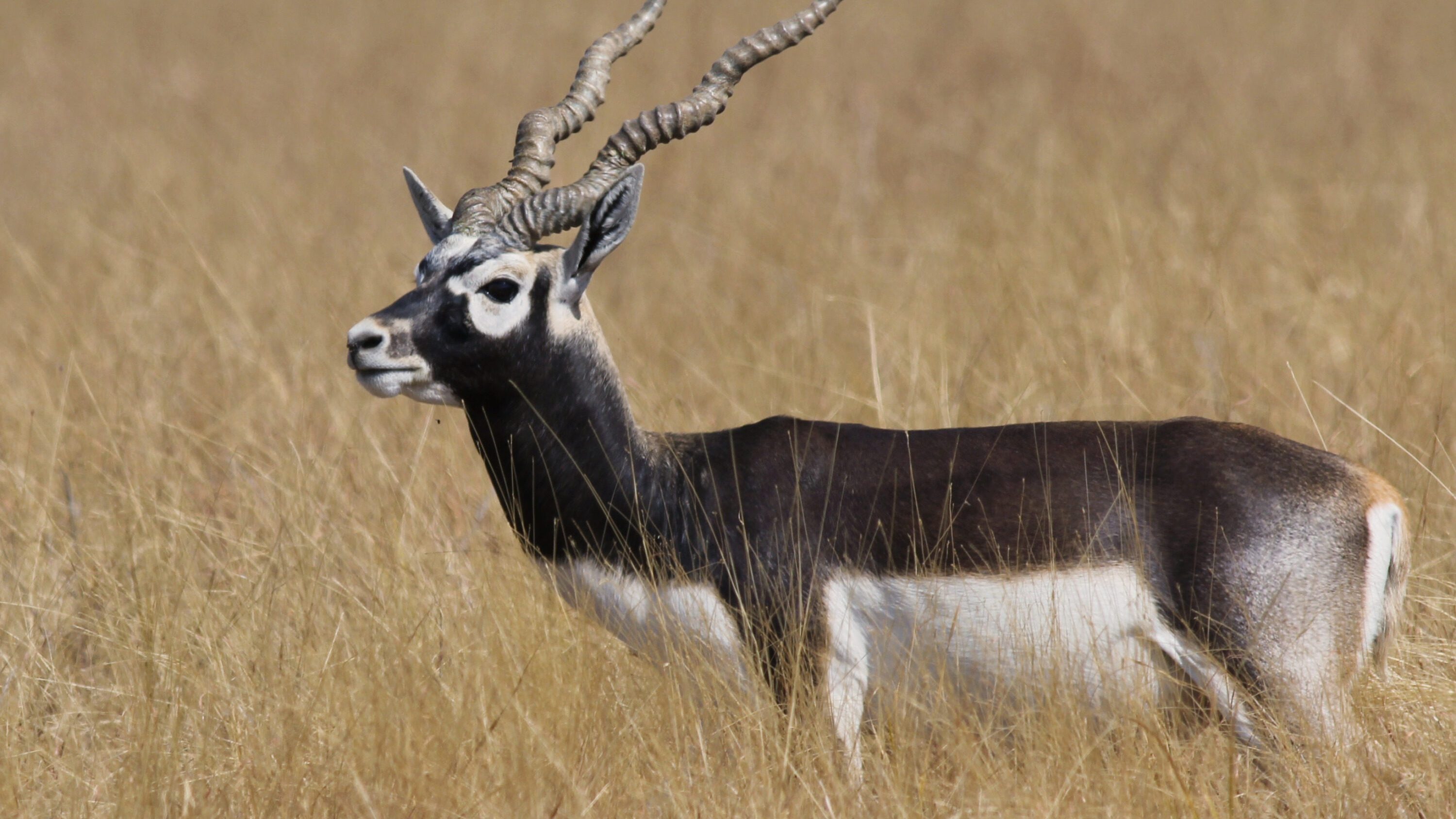
Blackbuck Populations Across India Retained High mtDNA Diversity and Shallow North–South Structure
A 2026 analysis of 163 mitochondrial DNA sequences from northern and southern India found high genetic diversity and…
Read story →SPECIES IN THIS STORY
Species in this story
Independent research and conservation news archive
Did you find this information useful?
Wildlife Vagabond is independently built and maintained. Voluntary support helps cover source verification, hosting and continued work on research and conservation news.
Support Wildlife VagabondThe news archive will remain freely available.