
A Bluethroat’s Two Copies of Chromosome 35 Had Very Different MHC Structures
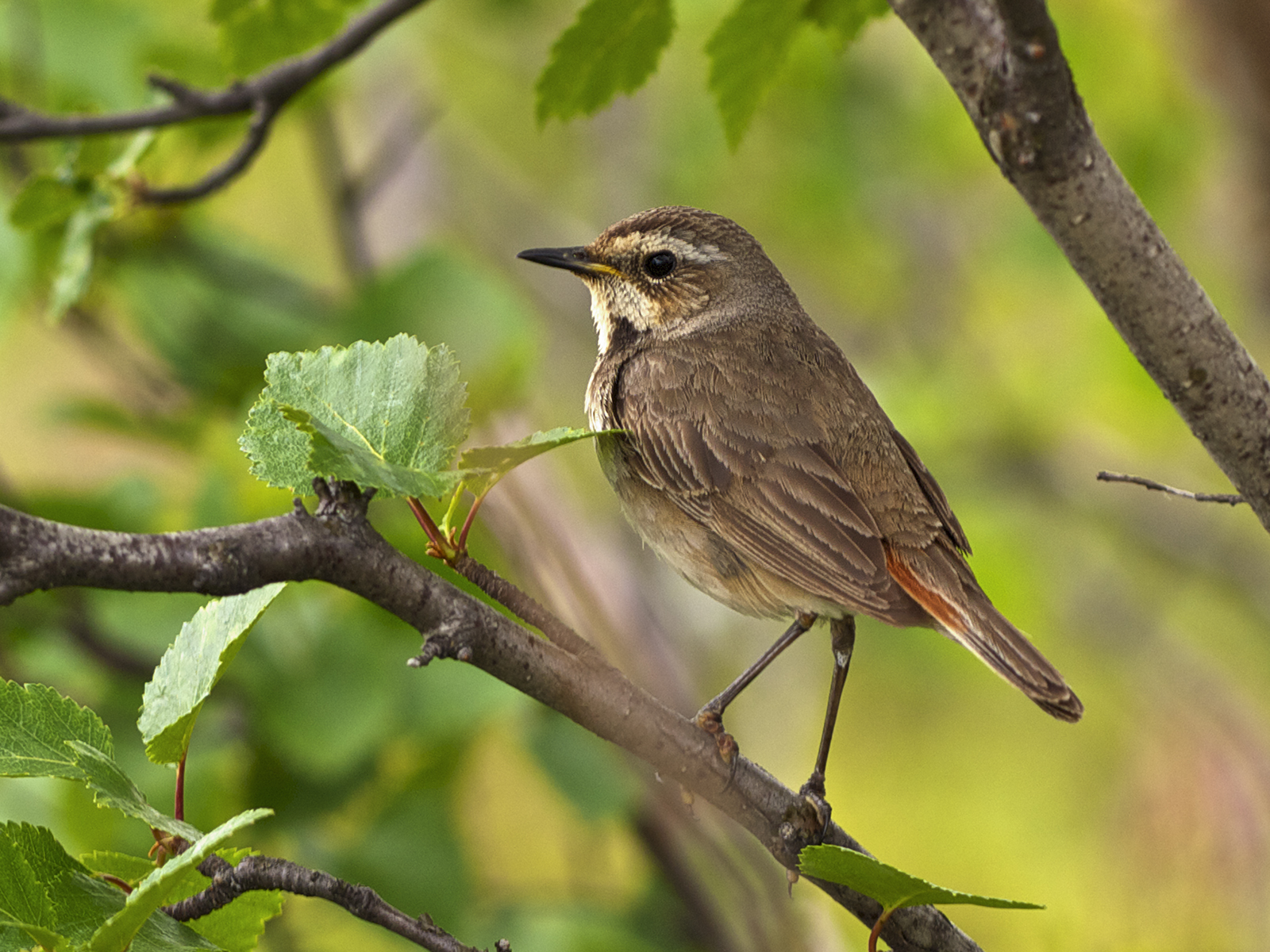
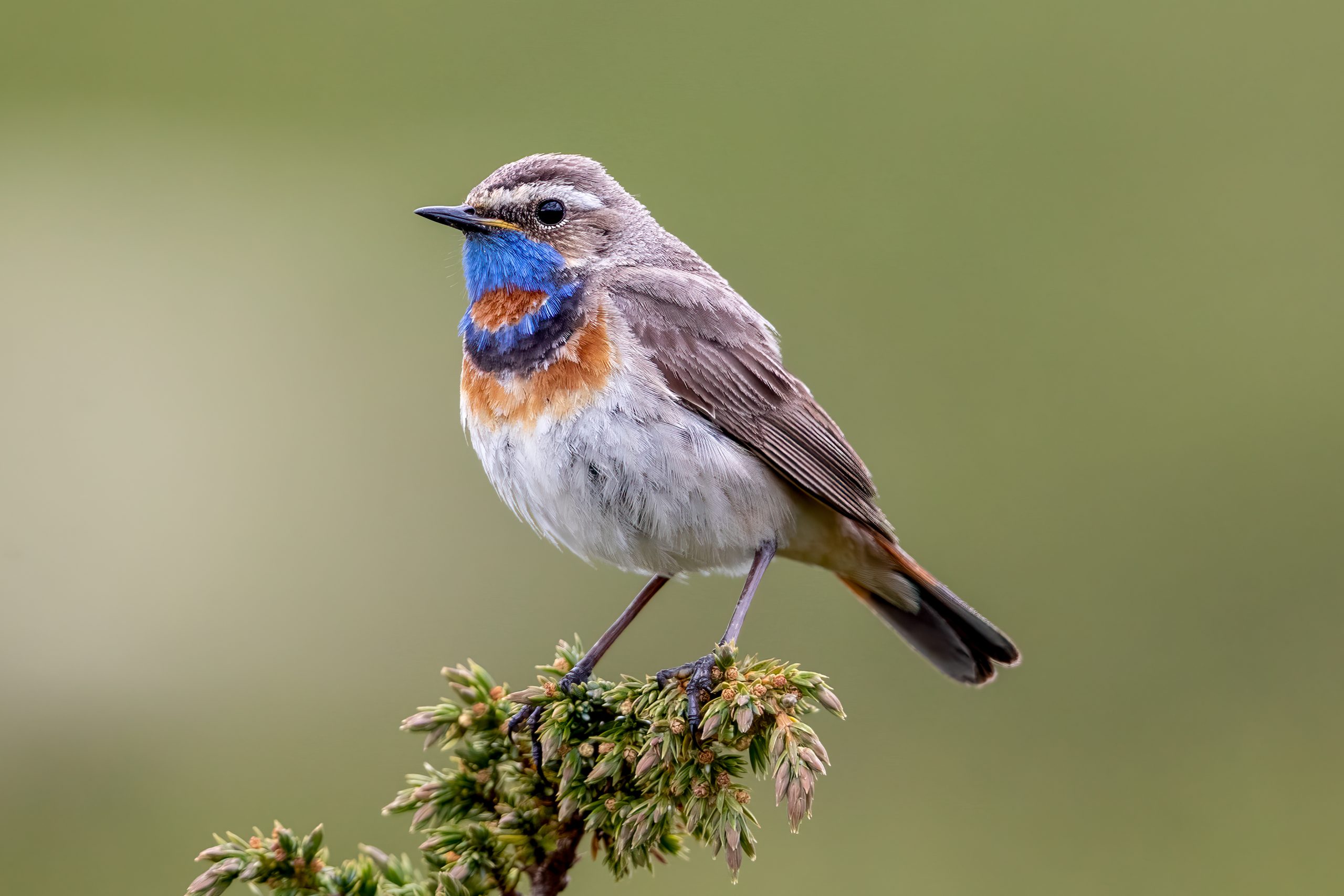
The genome of a female bluethroat (Luscinia svecica svecica) caught at Øvre Heimdalen in Norway showed that the two copies of chromosome 35 had very different structures across the MHC region. MHC includes highly variable immune genes that encode molecules which present fragments of pathogens to immune cells. MHC class I molecules typically present peptides from inside cells, whereas class II molecules present material taken up from outside cells. The region is therefore central to how vertebrates recognize infections. The study was published on 22 July 2026 in Journal of Heredity.
Long DNA reads helped separate the two chromosome copies
The researchers assembled the genome as two pseudo-haplotypes — two sequence representations that keep the inherited chromosome copies largely separate — so the alternatives could be compared directly. They used long Oxford Nanopore DNA reads together with other sequencing data. Because long reads can span repetitive stretches that shorter reads often break into pieces, they were especially useful in the MHC region, where many closely related gene copies sit near one another.
Almost all MHC genes were on chromosome 35. Across the two assemblies, the researchers found 12 versus 5 MHC class I loci — distinct gene positions — and 29 versus 26 MHC class II beta loci. The MHC region on chromosome 35 also contained two distinct gene blocks: one consisted of repeated class II beta genes together with a class II alpha gene, while class I and class II beta genes were interspersed in the other. The authors state that, to their knowledge, this mixed class I–class II organization has not been seen in other published or available genomes.
One bird provides a reference, not a species-wide pattern
Earlier bluethroat studies had measured MHC allele diversity — variation among alternative gene versions — without knowing which of the many duplicated genes those variants belonged to. In the new assembly, several previously known alleles could be linked to specific loci. Because the genome comes from a single female, the study does not show how common these structural variants are across bluethroat populations; the authors present the assembly as a reference for future work on MHC evolution and variation.
Genetics & genomics
Related news
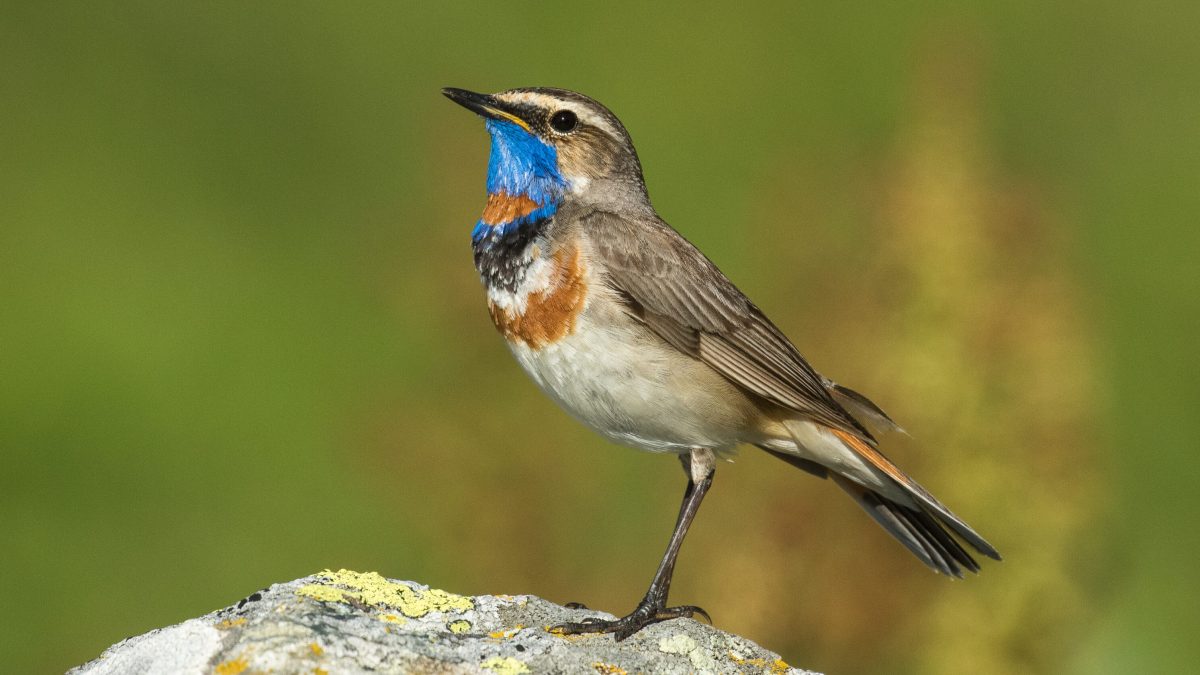
More MHC Supertypes Did Not Generally Mean Fewer Blood-Parasite Infections in Bluethroats
Among 198 European bluethroats, researchers found 172 MHC class I alleles and eight functional supertypes. Carrying more supertypes…
Read story →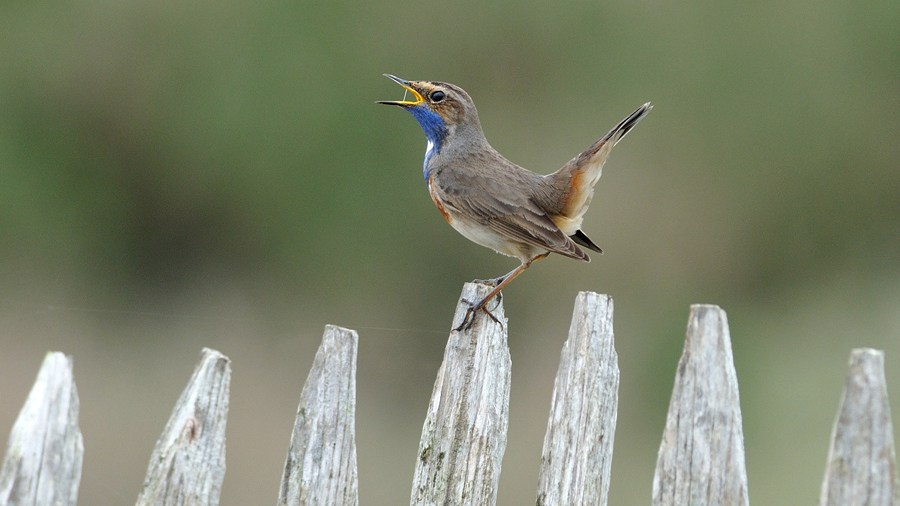
Tracked L. s. namnetum Bluethroats Wintered in Western Iberia; One Reached 4,430 Metres Above Sea Level
Tracking of the range-restricted Bluethroat subspecies L. s. namnetum showed wintering in western Iberia; one multi-sensor bird migrated…
Read story →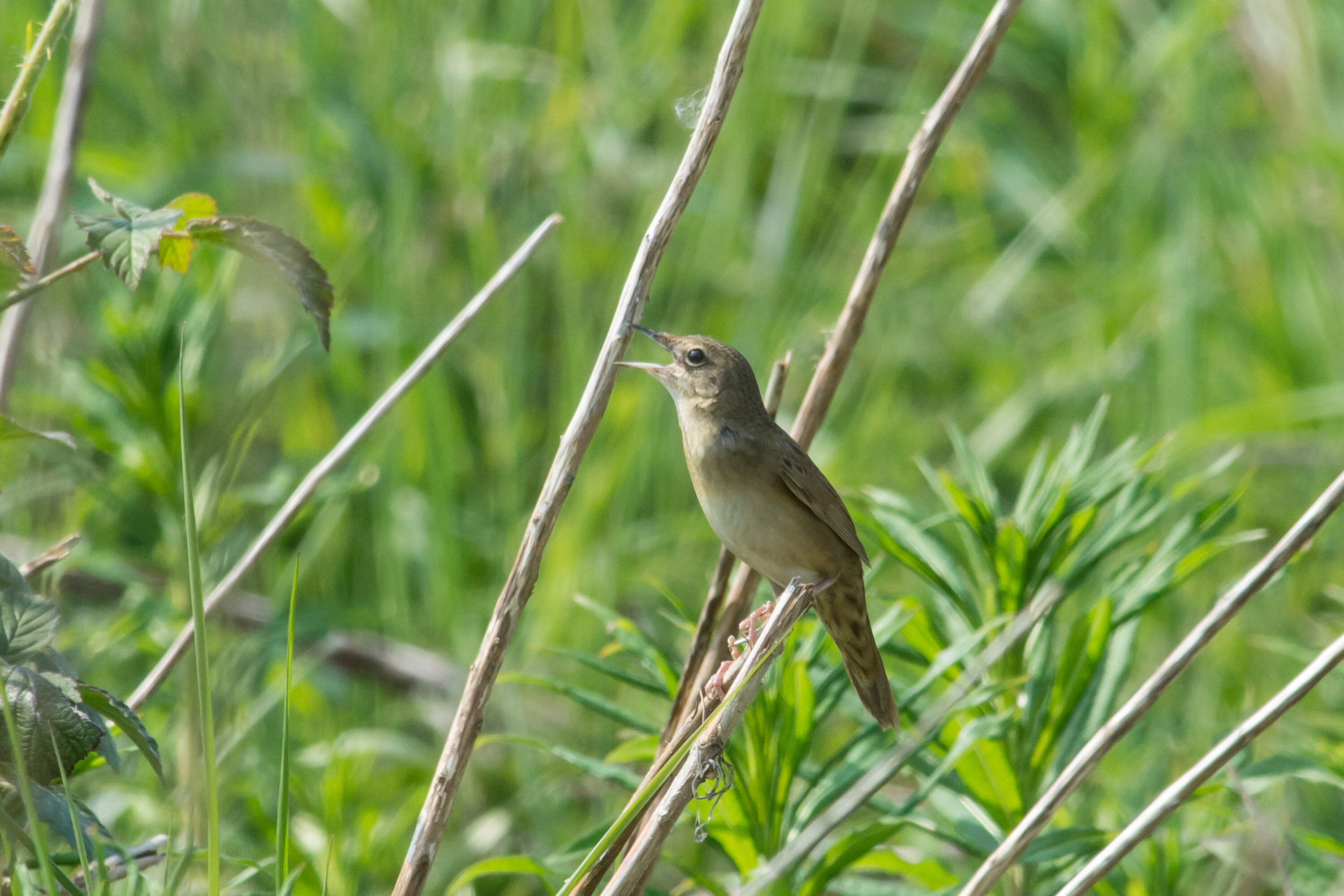
Common Grasshopper Warblers and Eurasian Tree Sparrows Declined Sharply at a Portuguese Ringing Station
A 27-year Portuguese ringing study found declines in all five long-distance migrants; common grasshopper warblers now barely occur…
Read story →SPECIES IN THIS STORY
Species in this story
Independent research and conservation news archive
Did you find this information useful?
Wildlife Vagabond is independently built and maintained. Voluntary support helps cover source verification, hosting and continued work on research and conservation news.
Support Wildlife VagabondThe news archive will remain freely available.