
Common Grasshopper Warblers and Eurasian Tree Sparrows Declined Sharply at a Portuguese Ringing Station
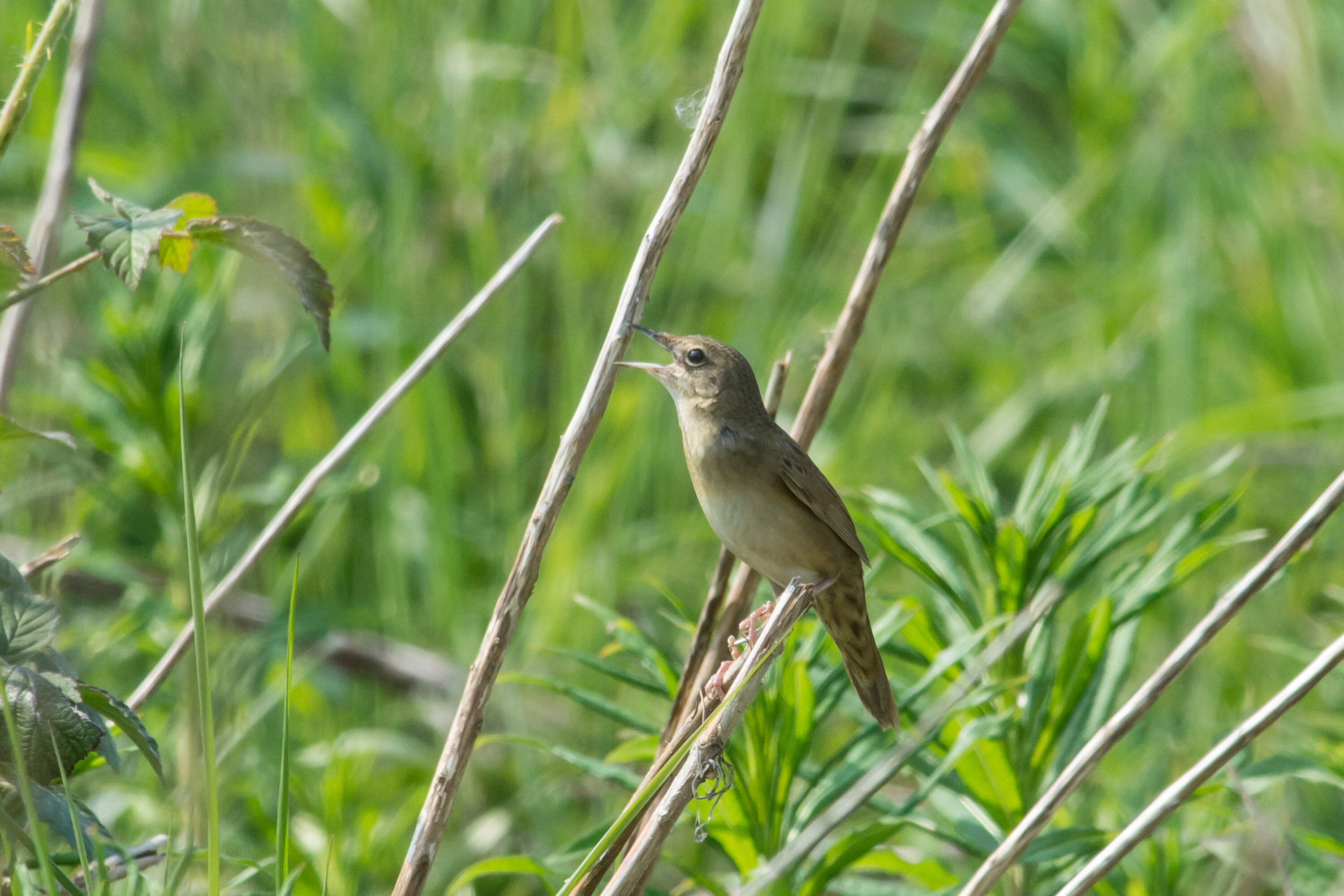
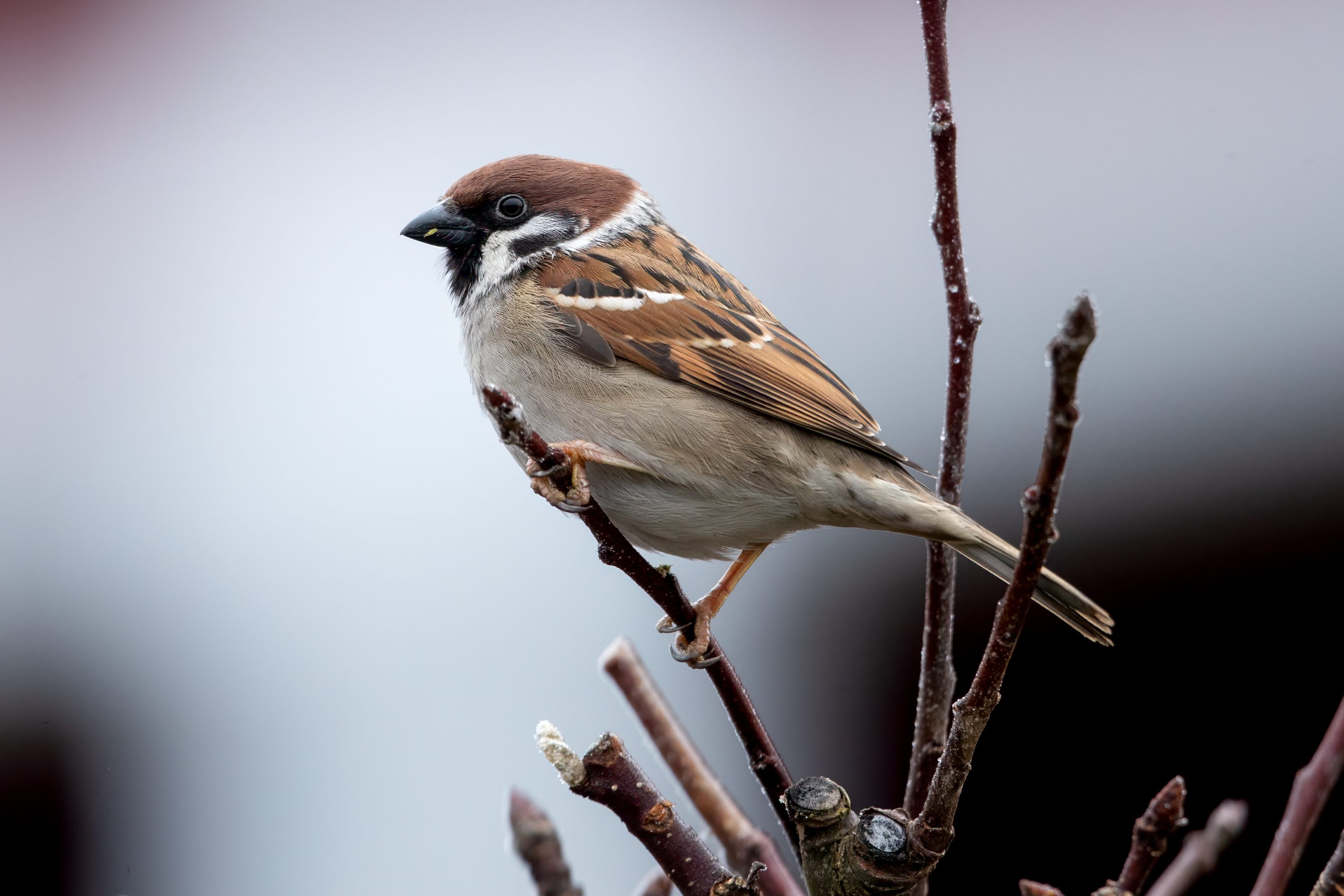
Twenty-seven years of standardized autumn ringing at Santo André in southwestern Portugal showed steep declines in several passerines. All five long-distance migrants declined, and common grasshopper warbler (Locustella naevia) was among three species that now barely occur at the site. Among resident birds, Eurasian tree sparrow (Passer montanus) showed the steepest decline and was not detected after 2022.
The researchers analysed capture data from 1997 to 2024 for 16 passerine species. Annual abundance indices were corrected for differences in ringing effort, allowing long-term changes at the station to be compared. The results describe capture-based abundance at Santo André during autumn migration and do not by themselves measure population size across the wider region.
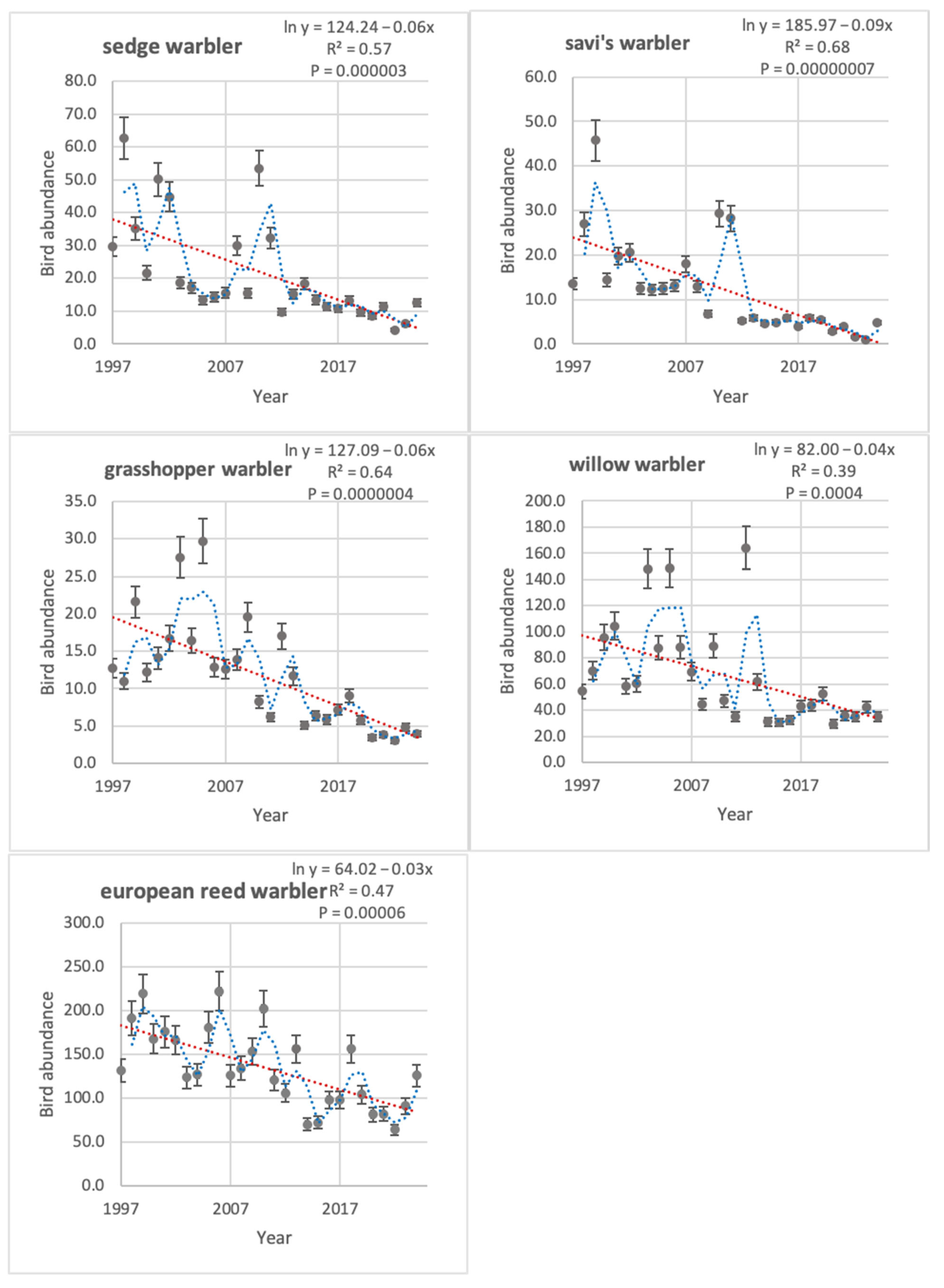
All five long-distance migrants declined
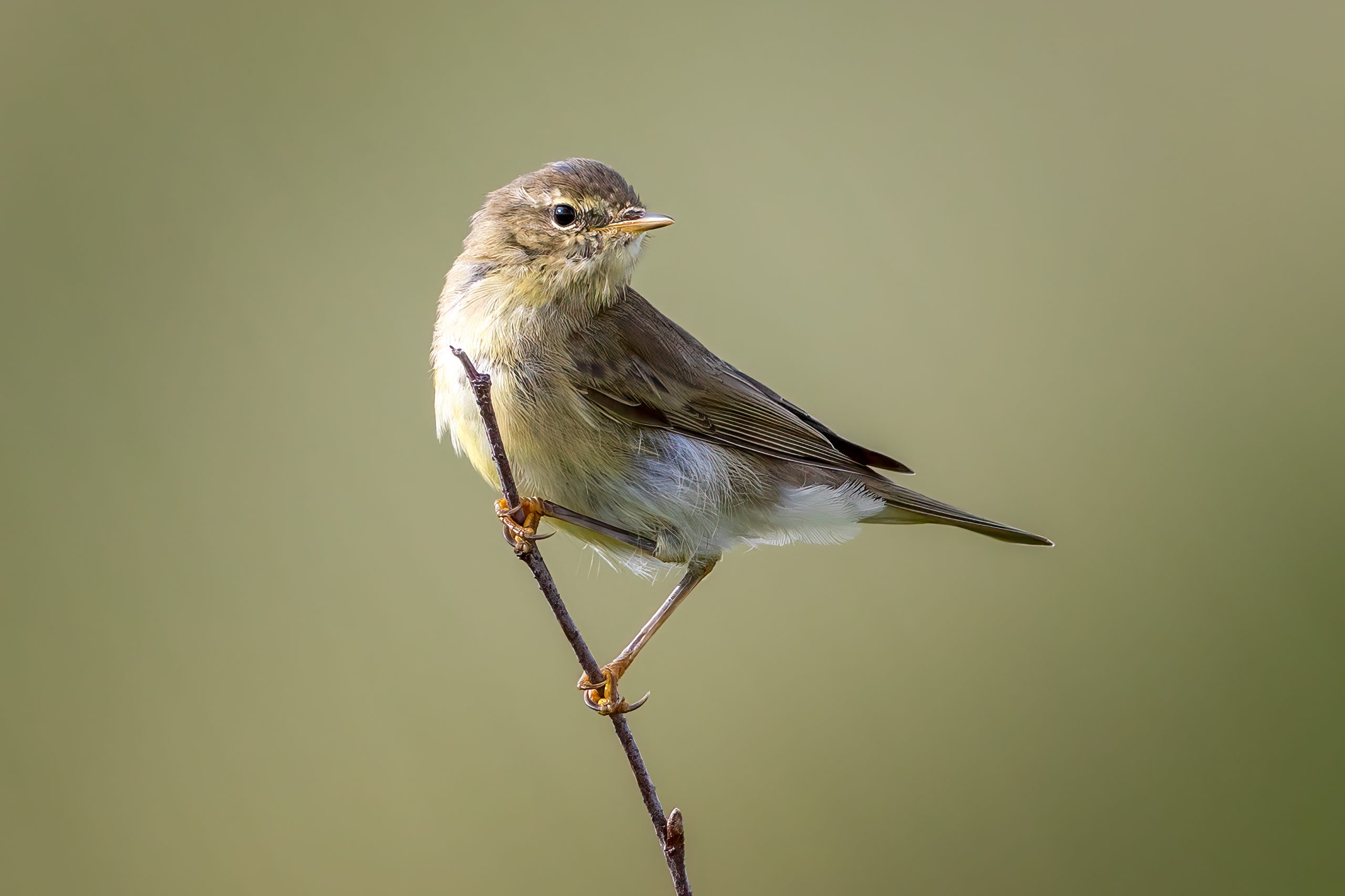
Common reed warbler (Acrocephalus scirpaceus), sedge warbler (A. schoenobaenus), Savi’s warbler (Locustella luscinioides), common grasshopper warbler and willow warbler (Phylloscopus trochilus) all declined over the study period. Savi’s warbler, common grasshopper warbler and sedge warbler showed the most severe losses and now barely occur at Santo André.
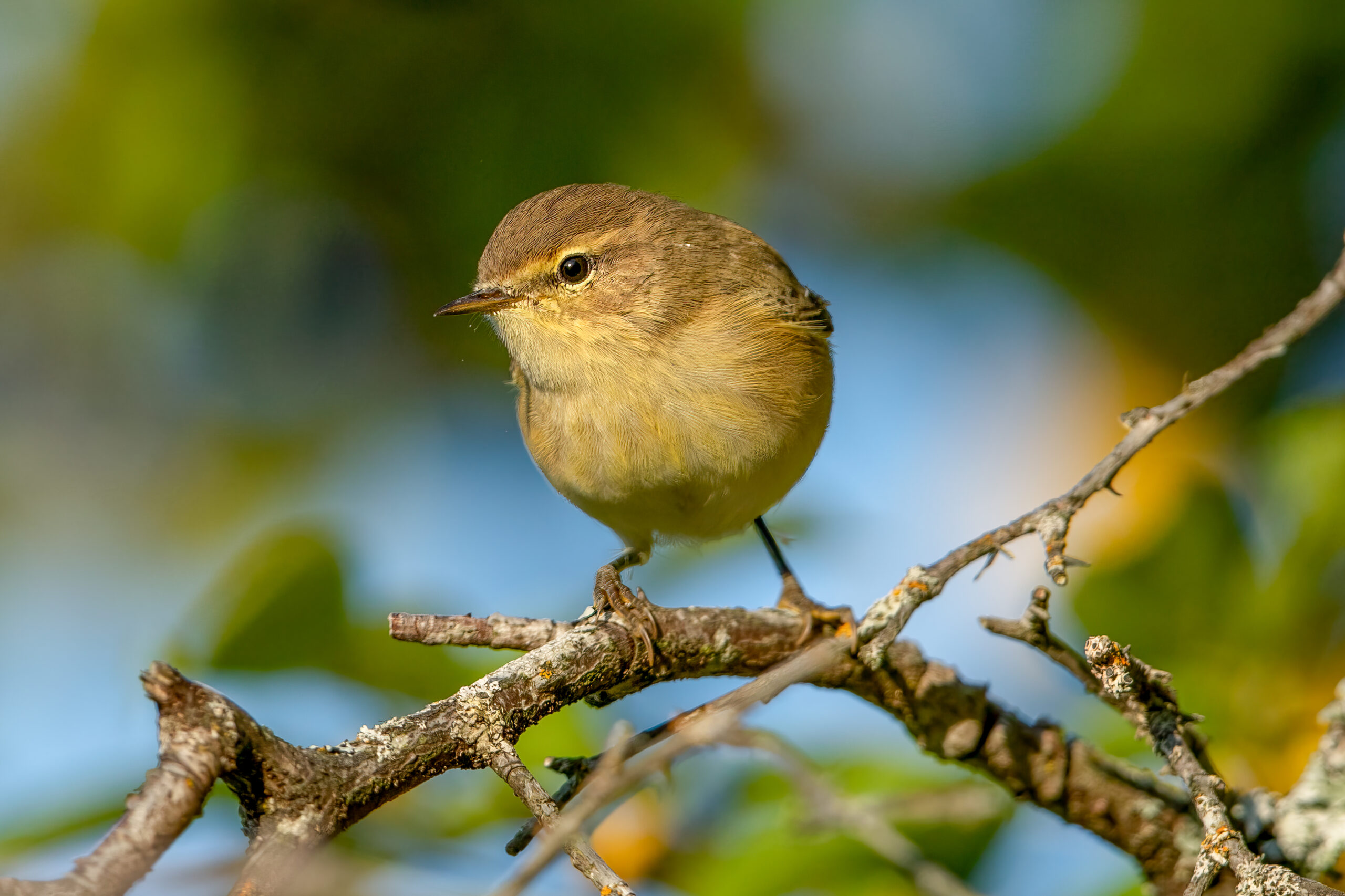
The three short-distance migrants showed a different pattern. Bluethroat (Luscinia svecica) declined, while common chiffchaff (Phylloscopus collybita) and Eurasian blackcap (Sylvia atricapilla) increased.
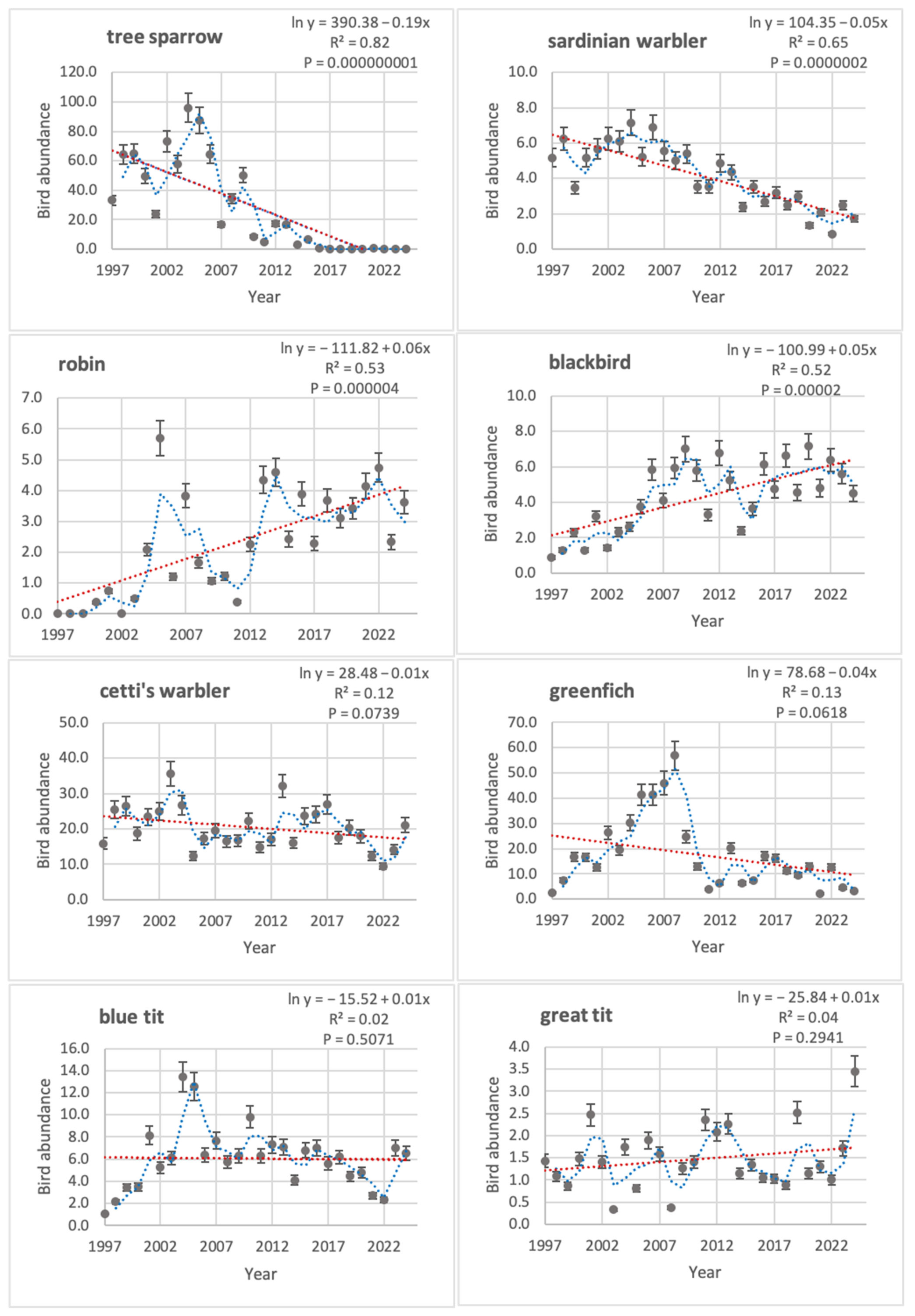
Tree sparrows were not detected after 2022
Among the eight resident species, Eurasian tree sparrow declined most steeply. Captures peaked in 2004, remained comparatively high until 2012 and then fell towards zero. The authors interpret its non-detection after 2022 as possible local extinction or a marked contraction in use of the site, not evidence that the species has disappeared from the wider region.
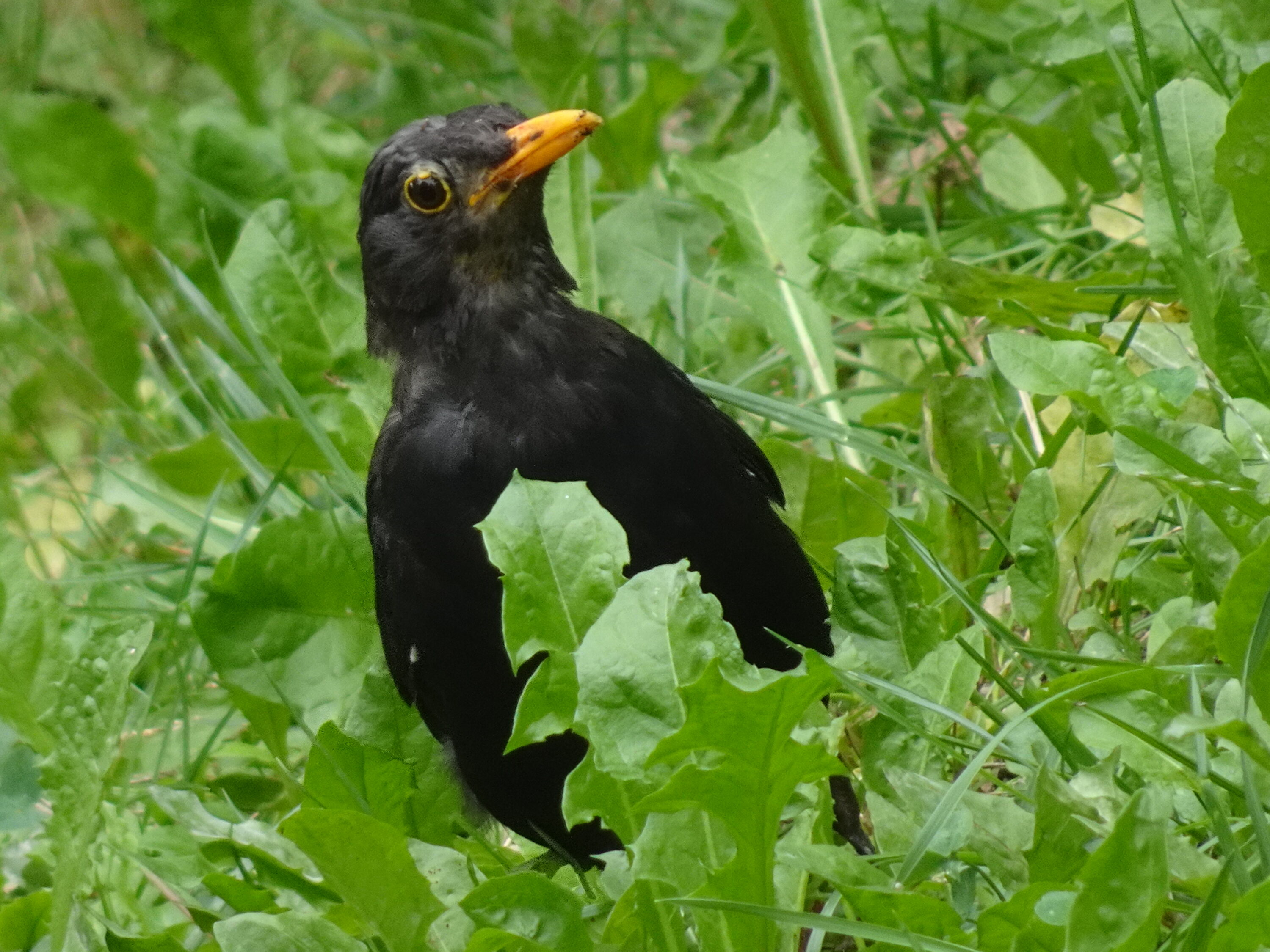
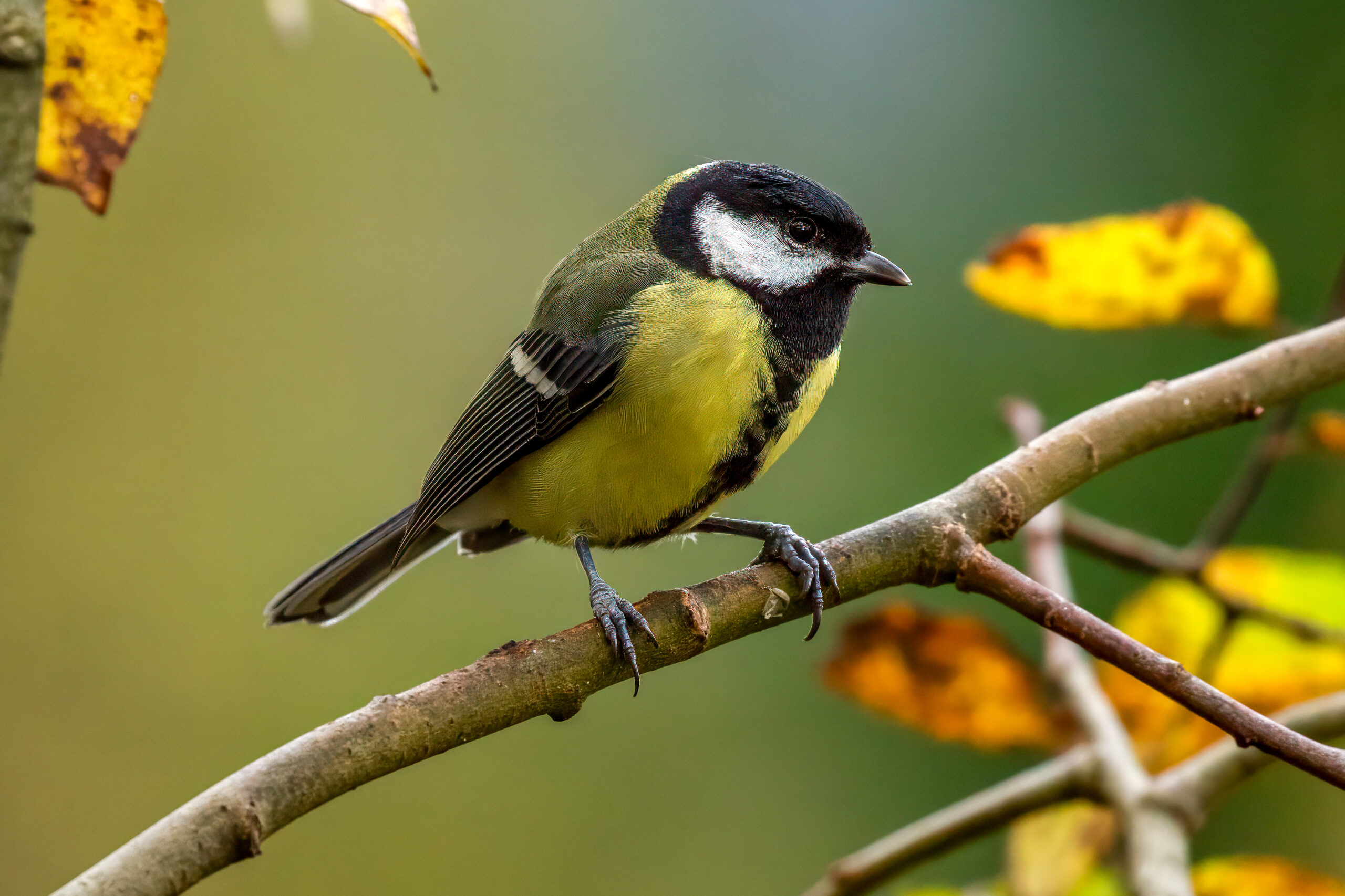
Sardinian warbler (Curruca melanocephala) also declined. European robin (Erithacus rubecula) and Eurasian blackbird (Turdus merula) increased, while Cetti’s warbler (Cettia cetti), European greenfinch (Chloris chloris), Eurasian blue tit (Cyanistes caeruleus) and great tit (Parus major) showed no statistically supported long-term trend.
The authors link many declines to dependence on insects
The authors argue that the concentration of declines among insect-dependent birds is consistent with wider trophic disruption associated with insect losses. They point to habitat loss, pesticide use, pollution and climate change as major drivers reported for insect declines elsewhere, but insect abundance was not measured at Santo André.
The study’s own diet classifications make the pattern more complex than a simple insectivore-versus-non-insectivore split. Cetti’s warbler was classified as insectivorous but showed no statistically supported decline, while the declining Eurasian tree sparrow and Sardinian warbler were classified as omnivorous.
Local habitat quality, weather, competitors and predators can also affect capture rates. The authors report, however, that the habitats used by the ringing station remained broadly similar over the monitoring period and argue that minor local changes are unlikely to explain the strongest long-term patterns.
Population & status
Related news
Urban Bird Diversity Was More Strongly Linked to Forest Structure Than the Surrounding City
Across 12 urban forests in three Italian cities, researchers recorded 2,035 birds from 52 species. Local forest structure…
Read story →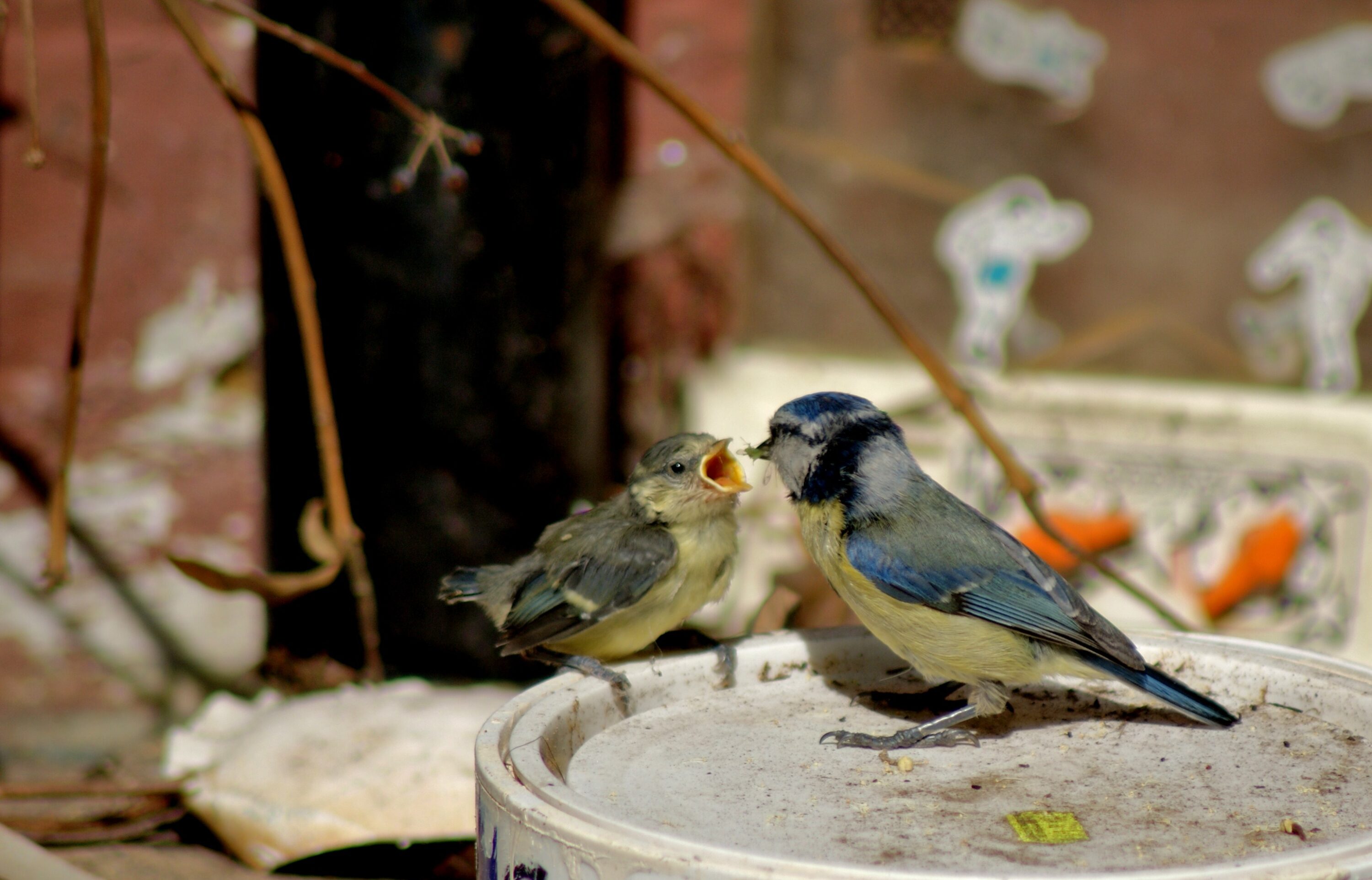
Record May Heatwave Reduced Breeding Success and Nestling Mass in Great Tits and Eurasian Blue Tits
Compared with equivalent parts of the breeding season in 1978–2025, fledgling number declined by 4.5 nestlings in 2026…
Read story →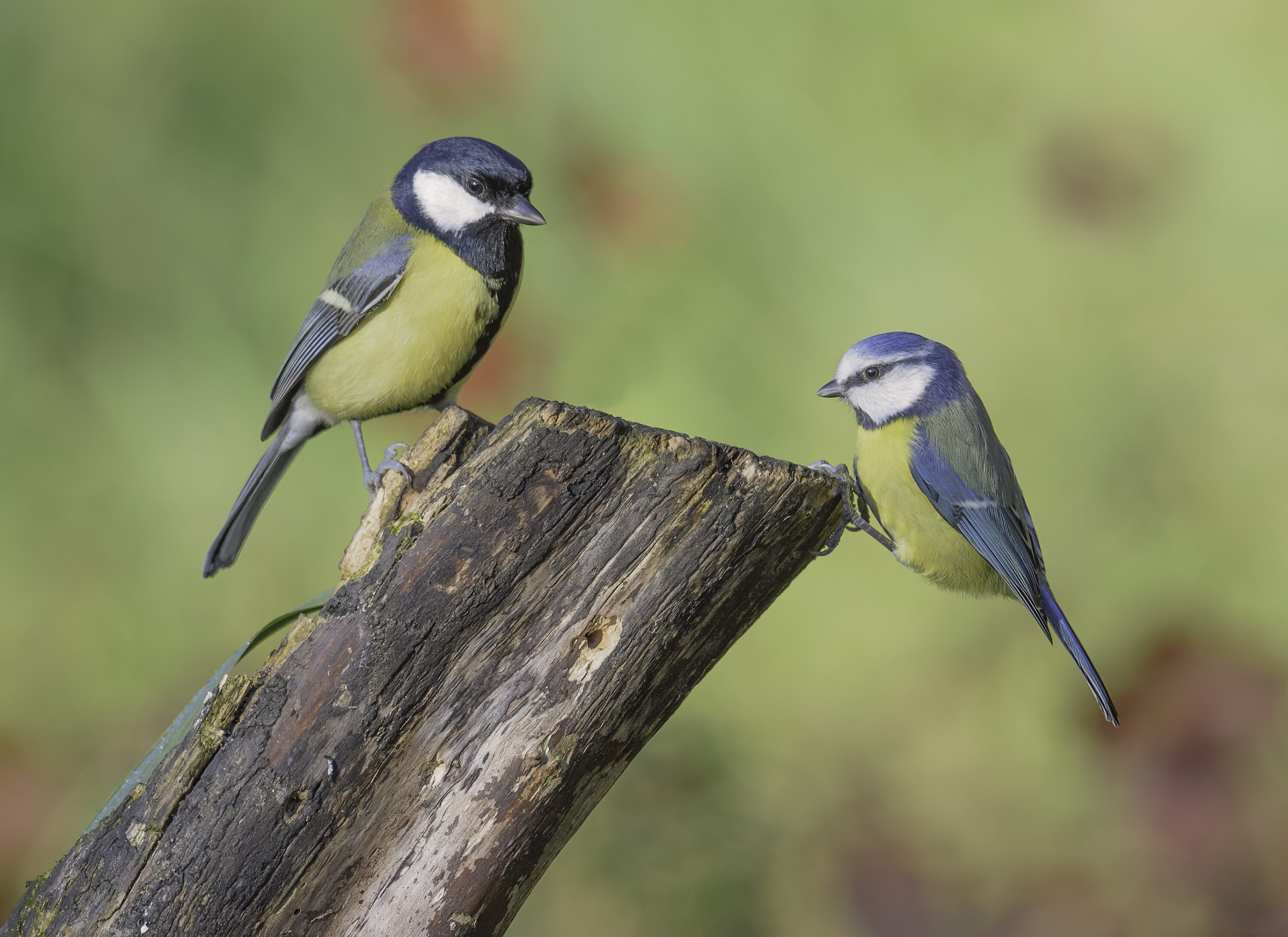
Autumn Movement Timing Stayed Stable as Wings Became Rounder in Great and Eurasian Blue Tits
Hungarian ringing data from 2004–2024 found stable autumn movement timing in great and Eurasian blue tits, while body…
Read story →SPECIES IN THIS STORY
Species in this story
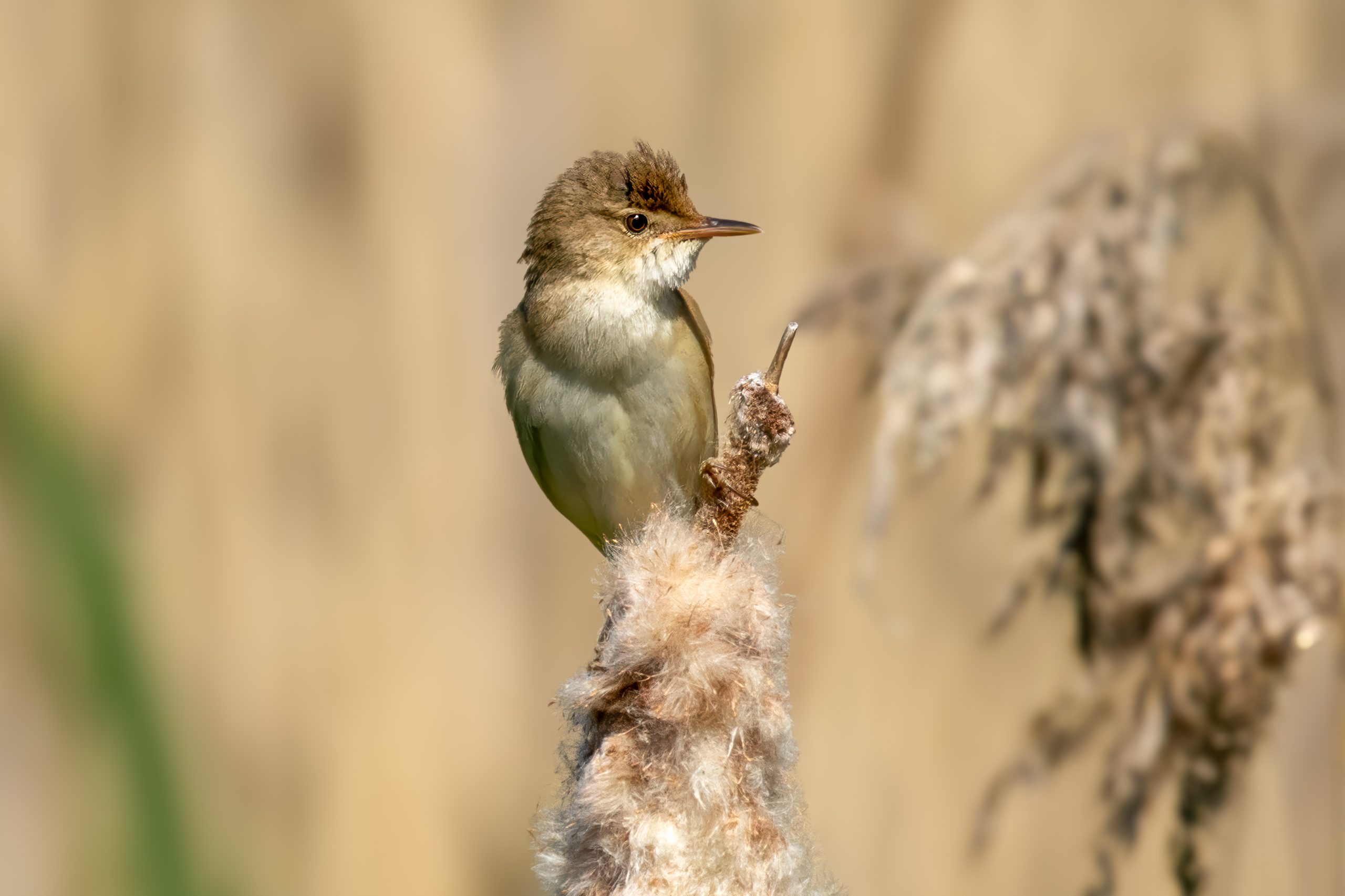 Common Reed Warbler
Acrocephalus scirpaceus Explore species →
Common Reed Warbler
Acrocephalus scirpaceus Explore species →
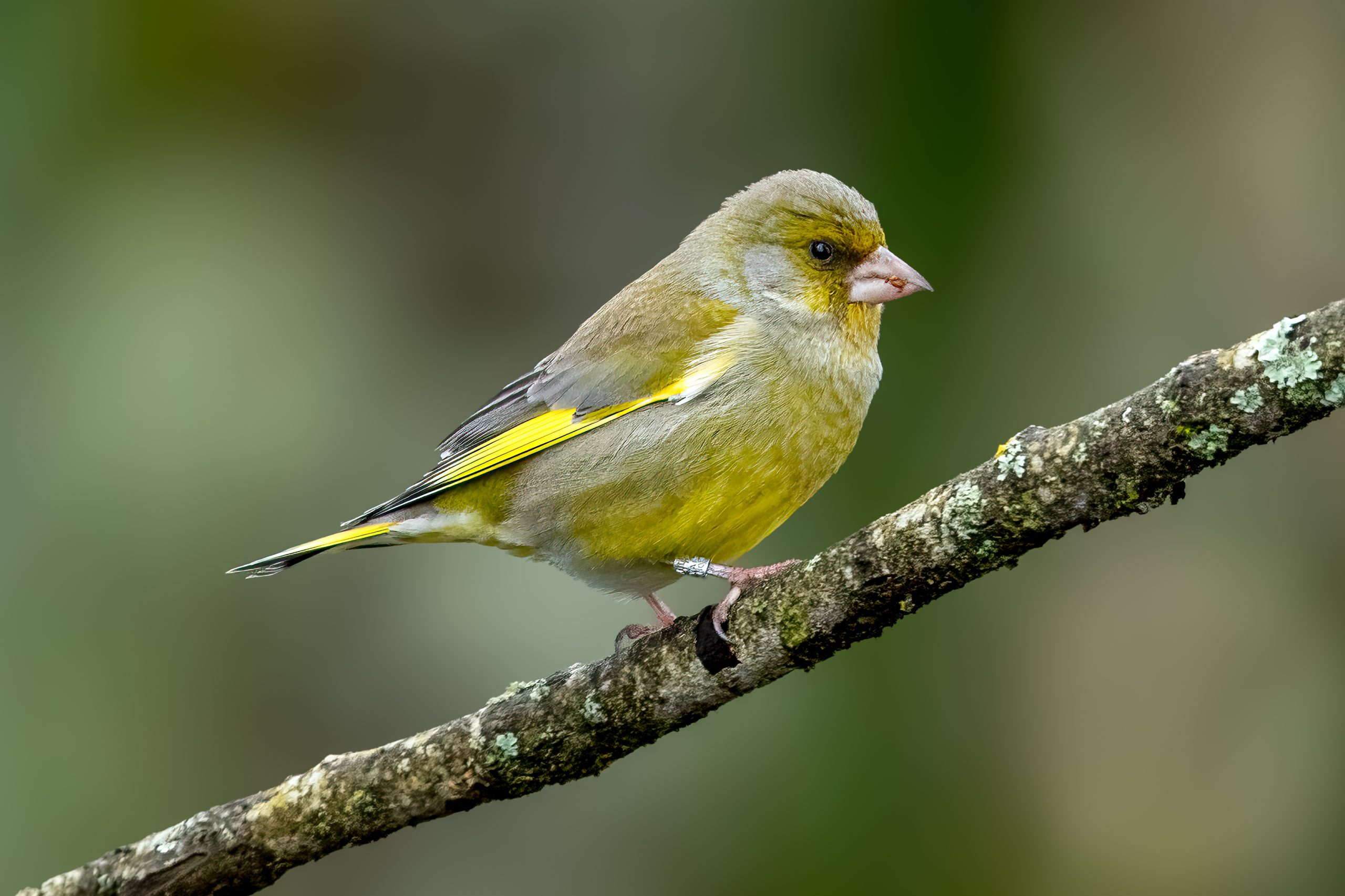 European Greenfinch
Chloris chloris Explore species →
European Greenfinch
Chloris chloris Explore species →
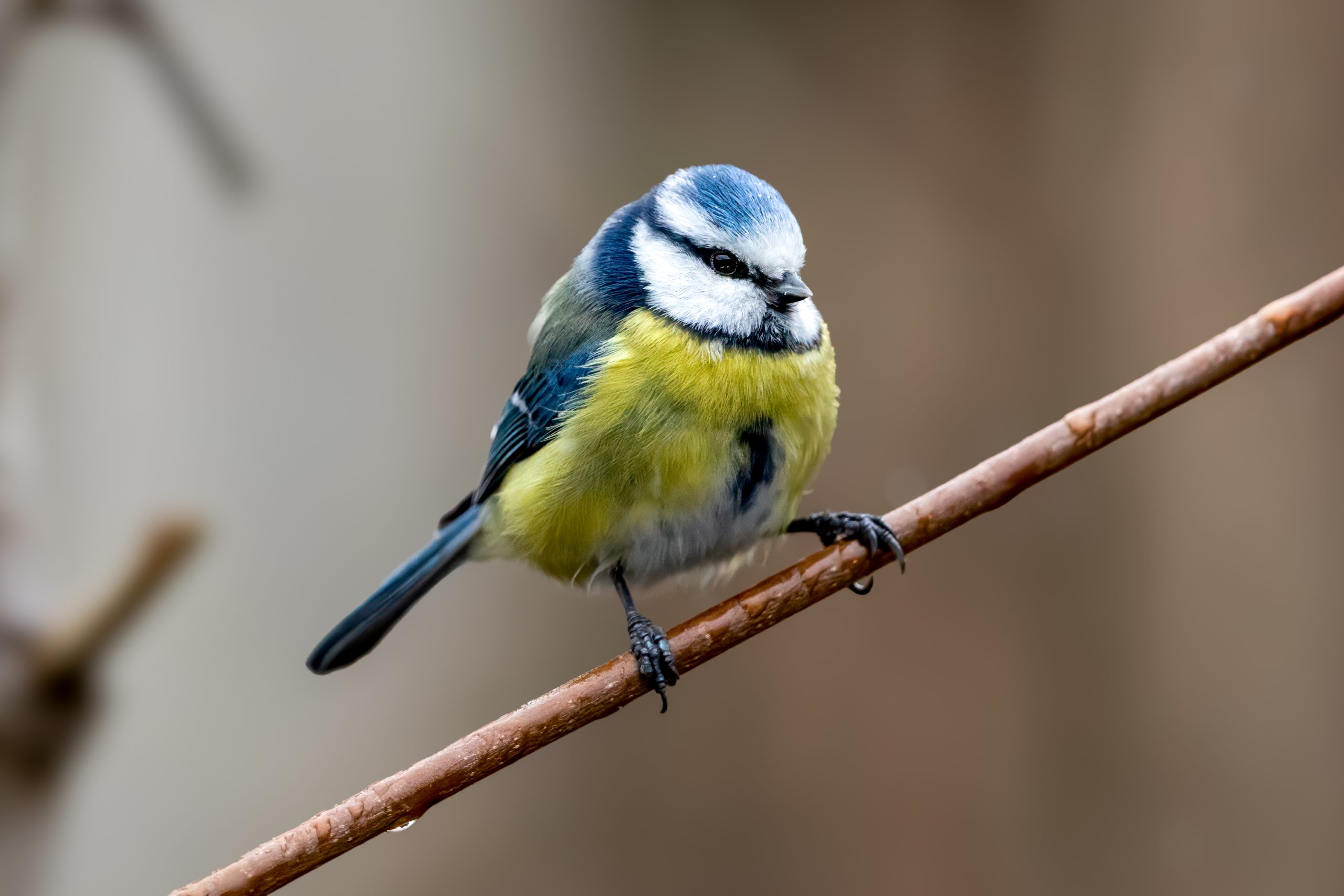 Eurasian Blue Tit
Cyanistes caeruleus Explore species →
Eurasian Blue Tit
Cyanistes caeruleus Explore species →
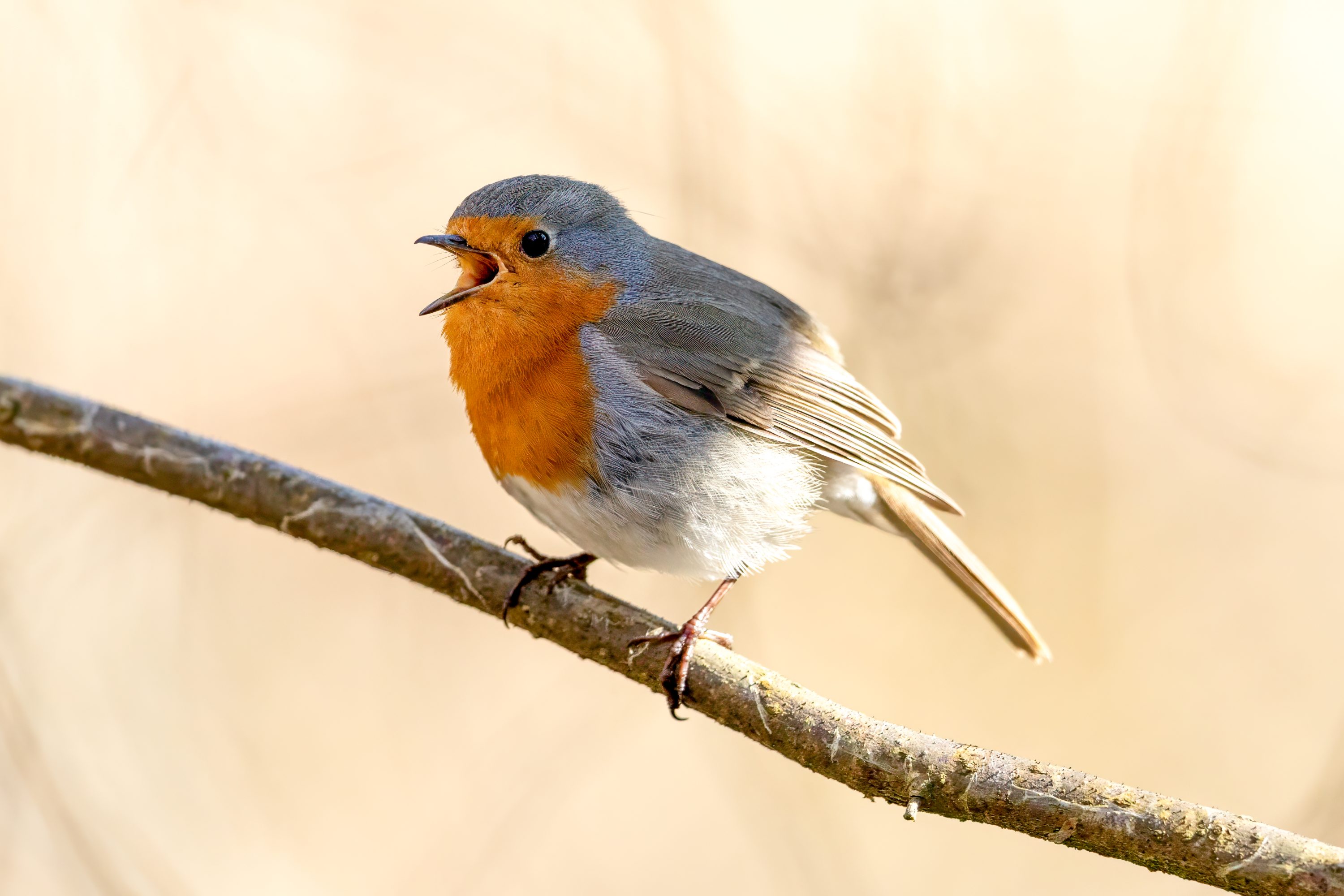 European Robin
Erithacus rubecula Explore species →
European Robin
Erithacus rubecula Explore species →
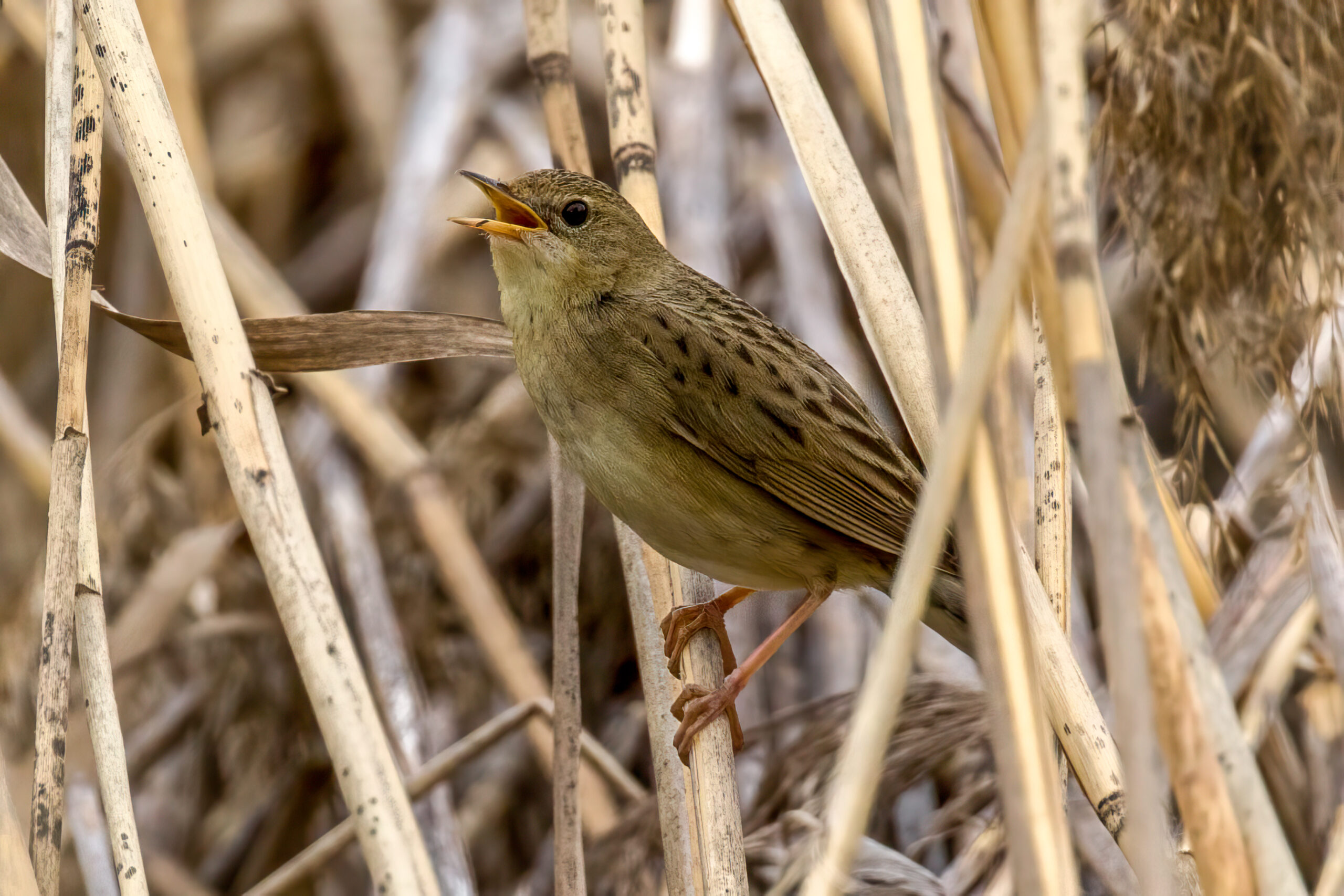 Common Grasshopper Warbler
Locustella naevia Explore species →
Common Grasshopper Warbler
Locustella naevia Explore species →
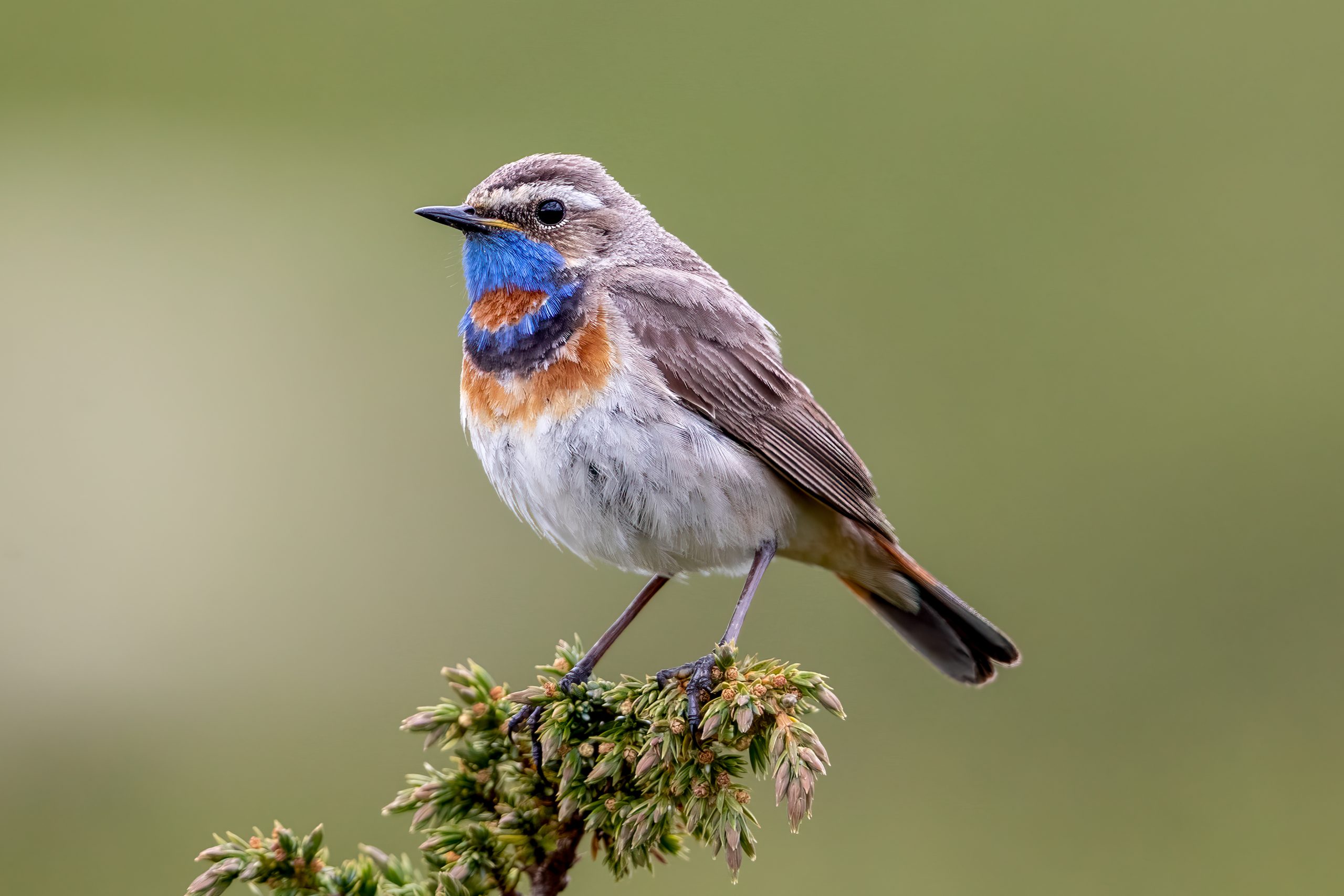 Bluethroat
Luscinia svecica Explore species →
Bluethroat
Luscinia svecica Explore species →
 Great Tit
Parus major Explore species →
Great Tit
Parus major Explore species →
 Eurasian Tree Sparrow
Passer montanus Explore species →
Eurasian Tree Sparrow
Passer montanus Explore species →
 Common Chiffchaff
Phylloscopus collybita Explore species →
Common Chiffchaff
Phylloscopus collybita Explore species →
 Willow Warbler
Phylloscopus trochilus Explore species →
Willow Warbler
Phylloscopus trochilus Explore species →
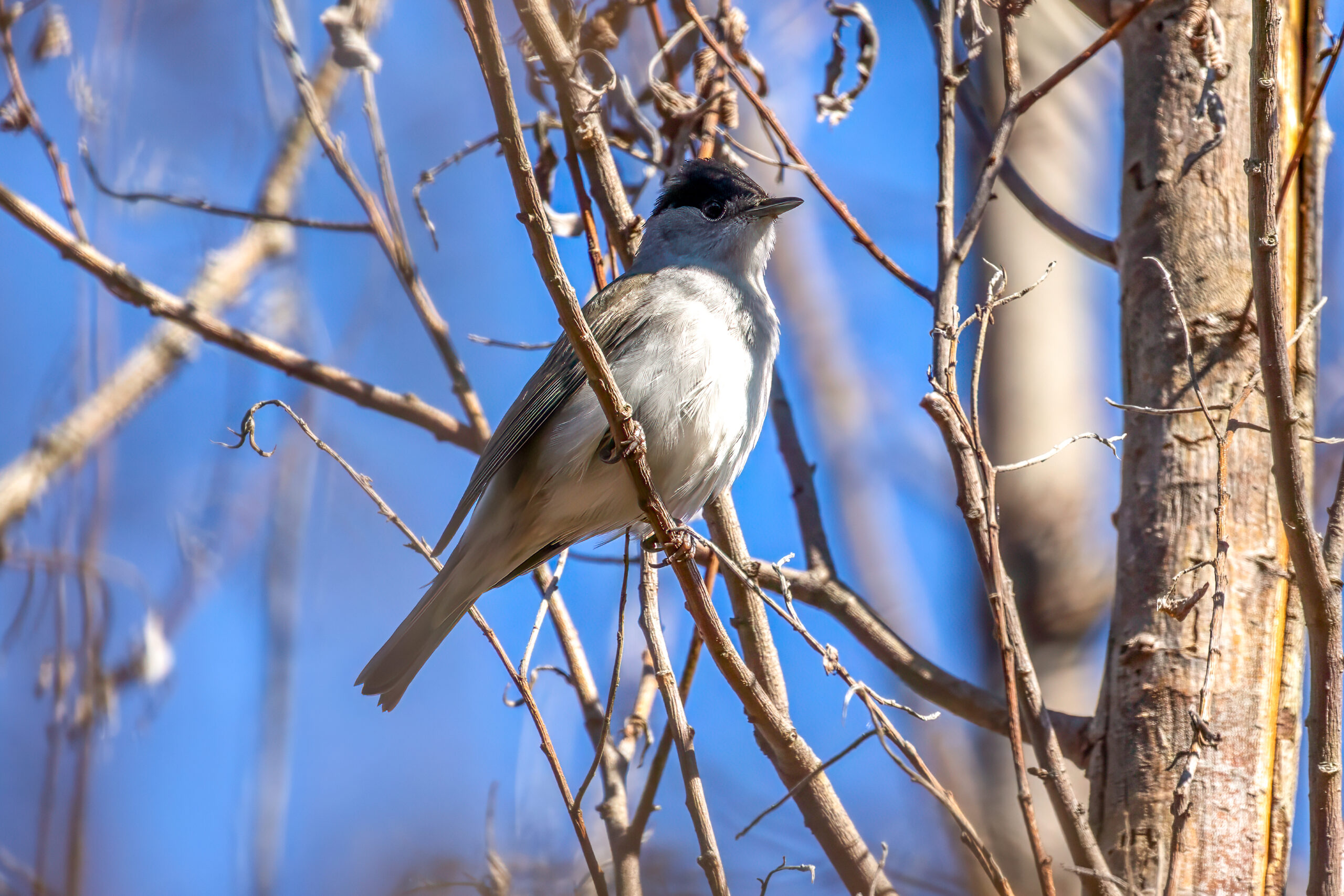 Eurasian Blackcap
Sylvia atricapilla Explore species →
Eurasian Blackcap
Sylvia atricapilla Explore species →
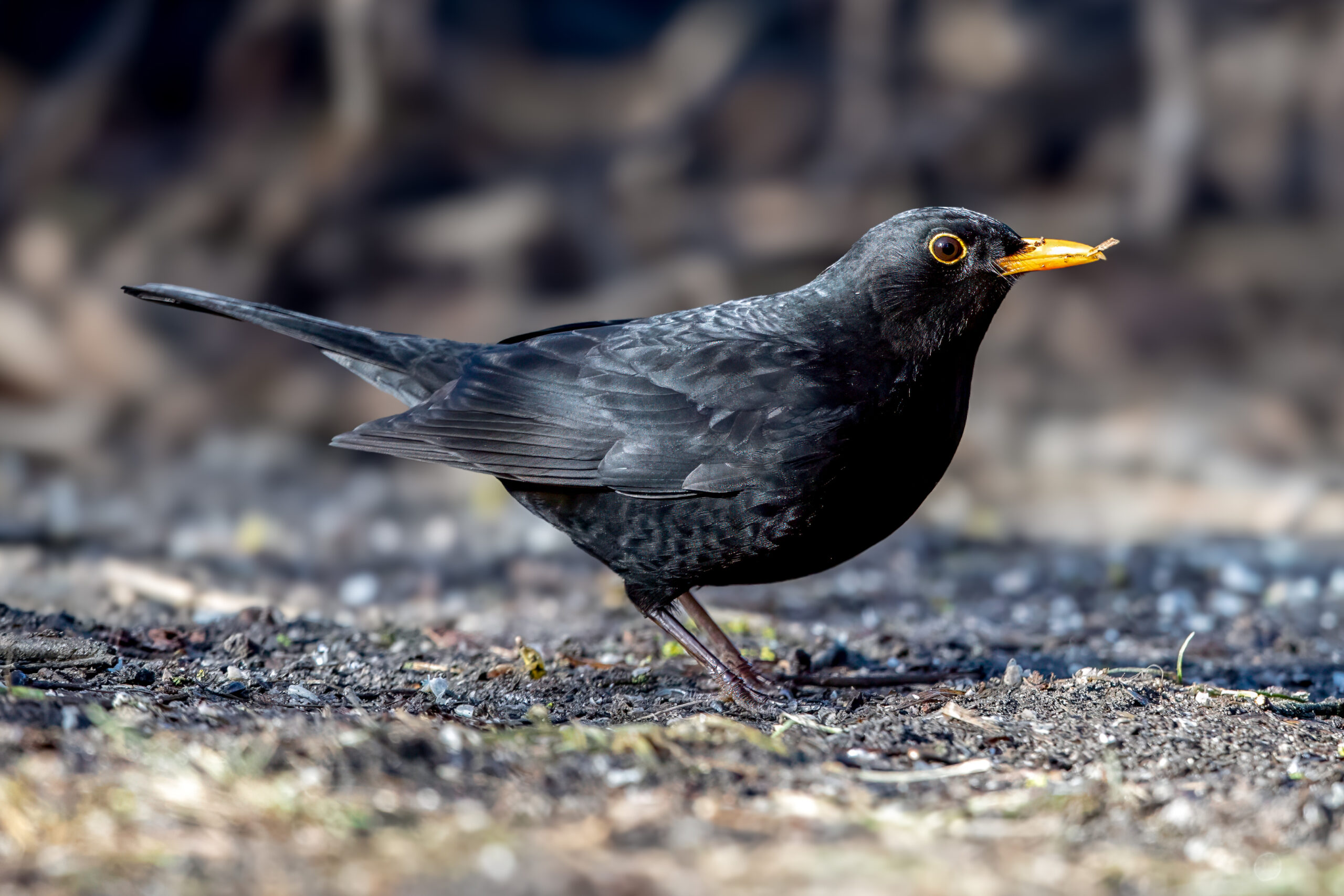 Eurasian Blackbird
Turdus merula Explore species →
Eurasian Blackbird
Turdus merula Explore species →
Independent research and conservation news archive
Did you find this information useful?
Wildlife Vagabond is independently built and maintained. Voluntary support helps cover source verification, hosting and continued work on research and conservation news.
Support Wildlife VagabondThe news archive will remain freely available.