
Bot Fly Larvae Found in 30 Percent of Sampled French Roe Deer
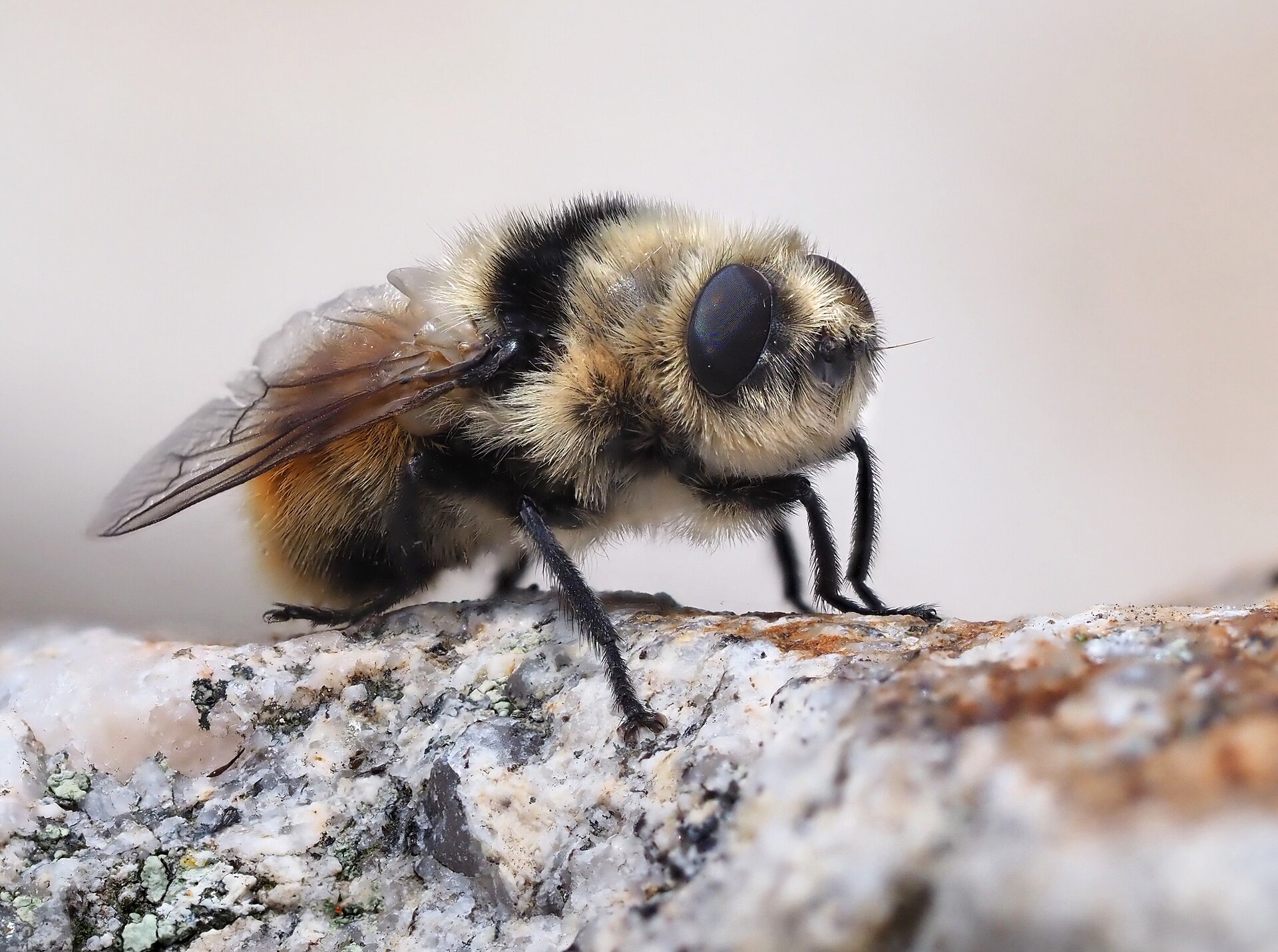
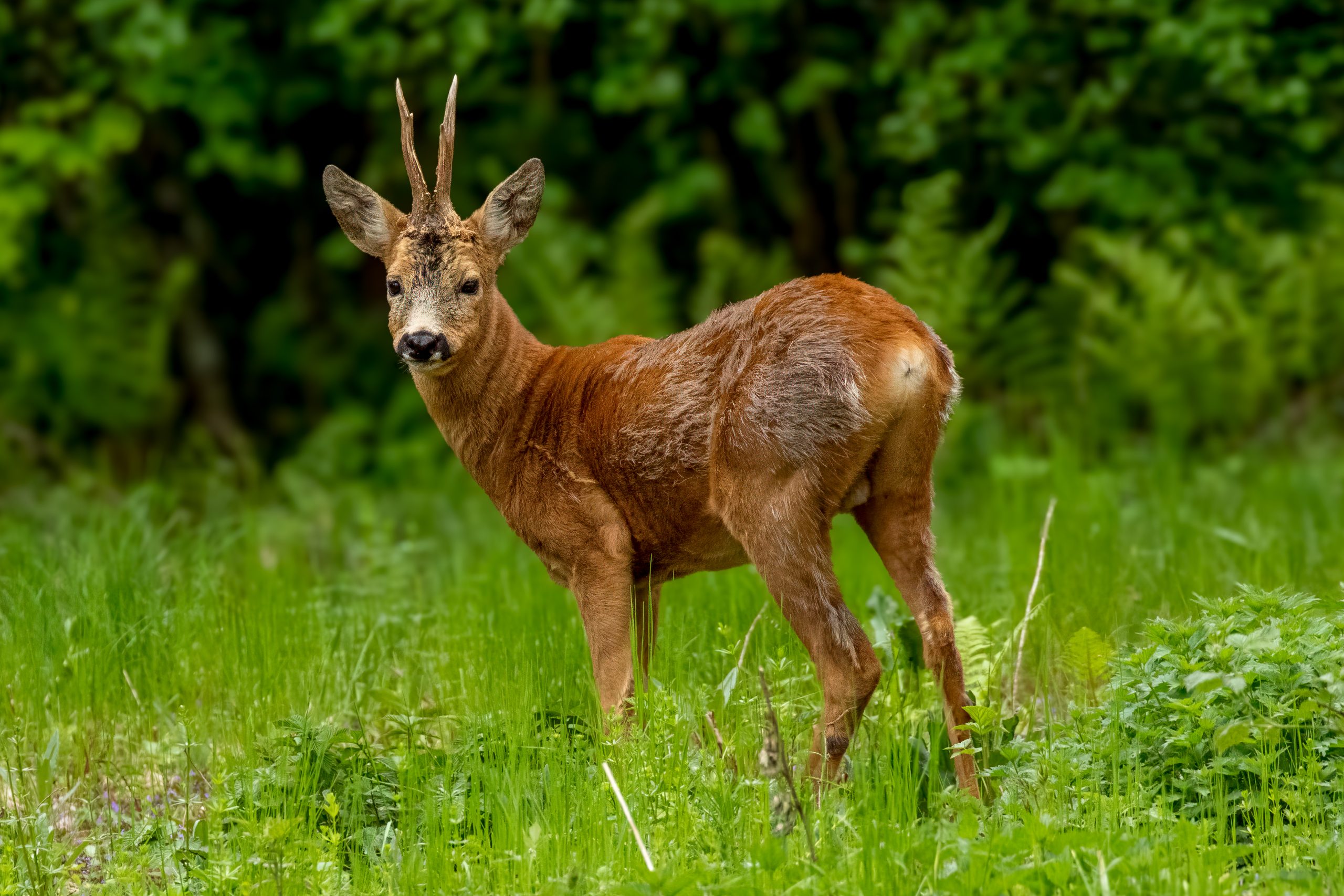
A direct examination of 40 european roe deer (Capreolus capreolus) carcasses collected in France found larvae of the roe deer bot fly Cephenemyia stimulator in 12 animals, giving a prevalence of 30 percent in the sampled carcasses. The study examined whether fresh carcasses gathered through existing wildlife networks can provide useful epidemiological information on a parasite that is difficult to monitor in free-ranging hosts.
C. stimulator is a specialised parasite of roe deer. Its larvae develop in the nasal passages and pharynx before leaving the host to pupate. Because the larvae are hidden inside the head, direct examination of carcasses provides information that ordinary field observations cannot reveal.
Technical staff from the Fédération Nationale des Chasseurs collected the 40 carcasses between 2014 and 2016. The heads were removed, frozen and later examined by necropsy. Among the 12 infested deer, the mean intensity was 9.92 larvae, although burdens varied substantially between animals.
The 30 percent prevalence therefore describes this sample of 40 French roe deer rather than a national estimate. The authors present the work primarily as a practical demonstration of how routinely collected wildlife carcasses can be used to record both parasite occurrence and intensity and to build comparable surveillance data over time.
Disease, parasites & microbiology
Related news
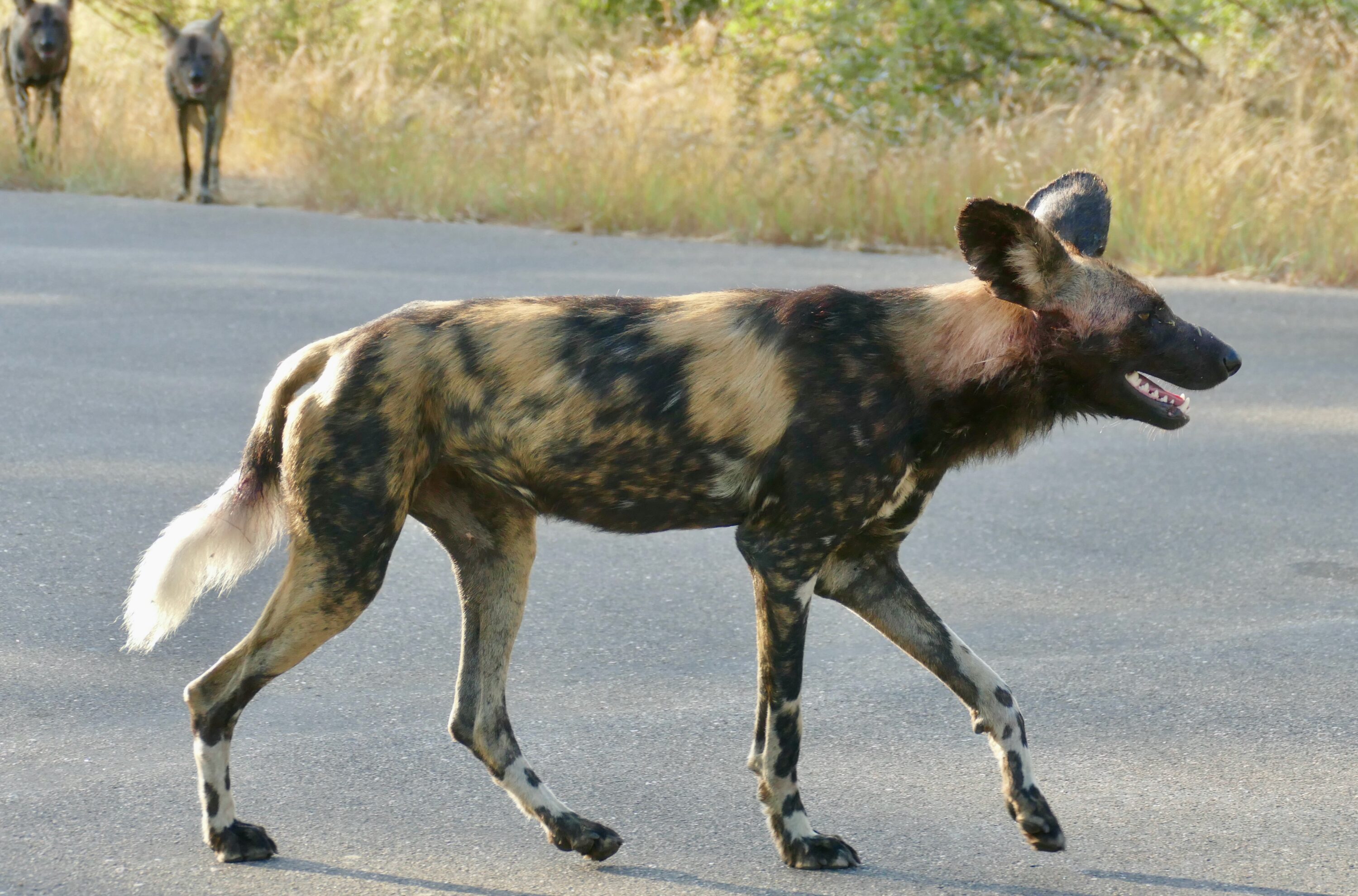
Gut Microbiomes Across Nine Kruger Mammals Clustered More Strongly by Dietary Group Than Species
A study of 89 quality-filtered faecal samples from nine wild mammals in Kruger National Park found that carnivores,…
Read story →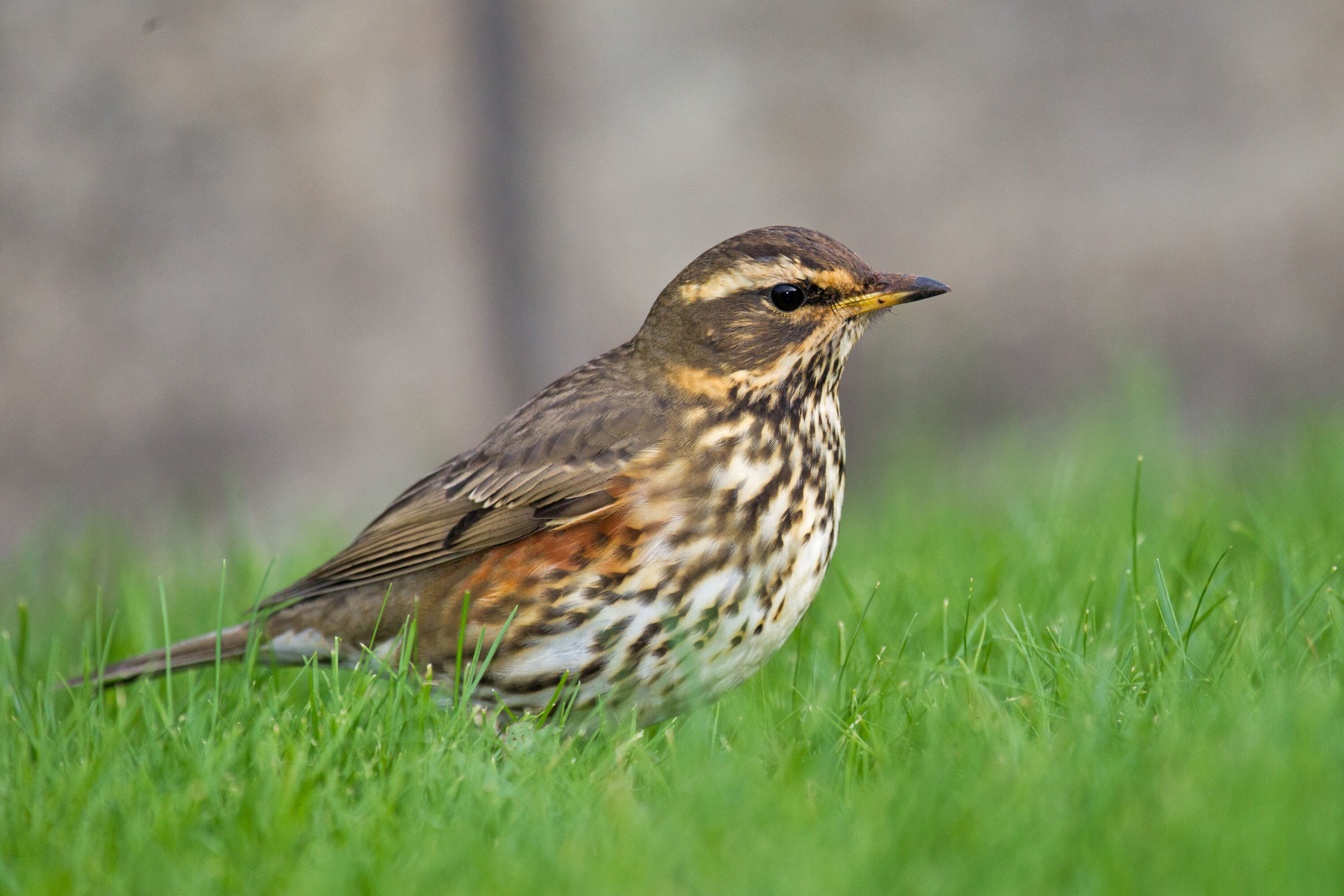
Nearly Three-quarters of Migrating Redwings Carried Ticks During Two Mild Belgian Autumns
Ticks were found on 72.9% of 284 redwings sampled during late-autumn migration in Belgium; 12.9% of 698 screened…
Read story →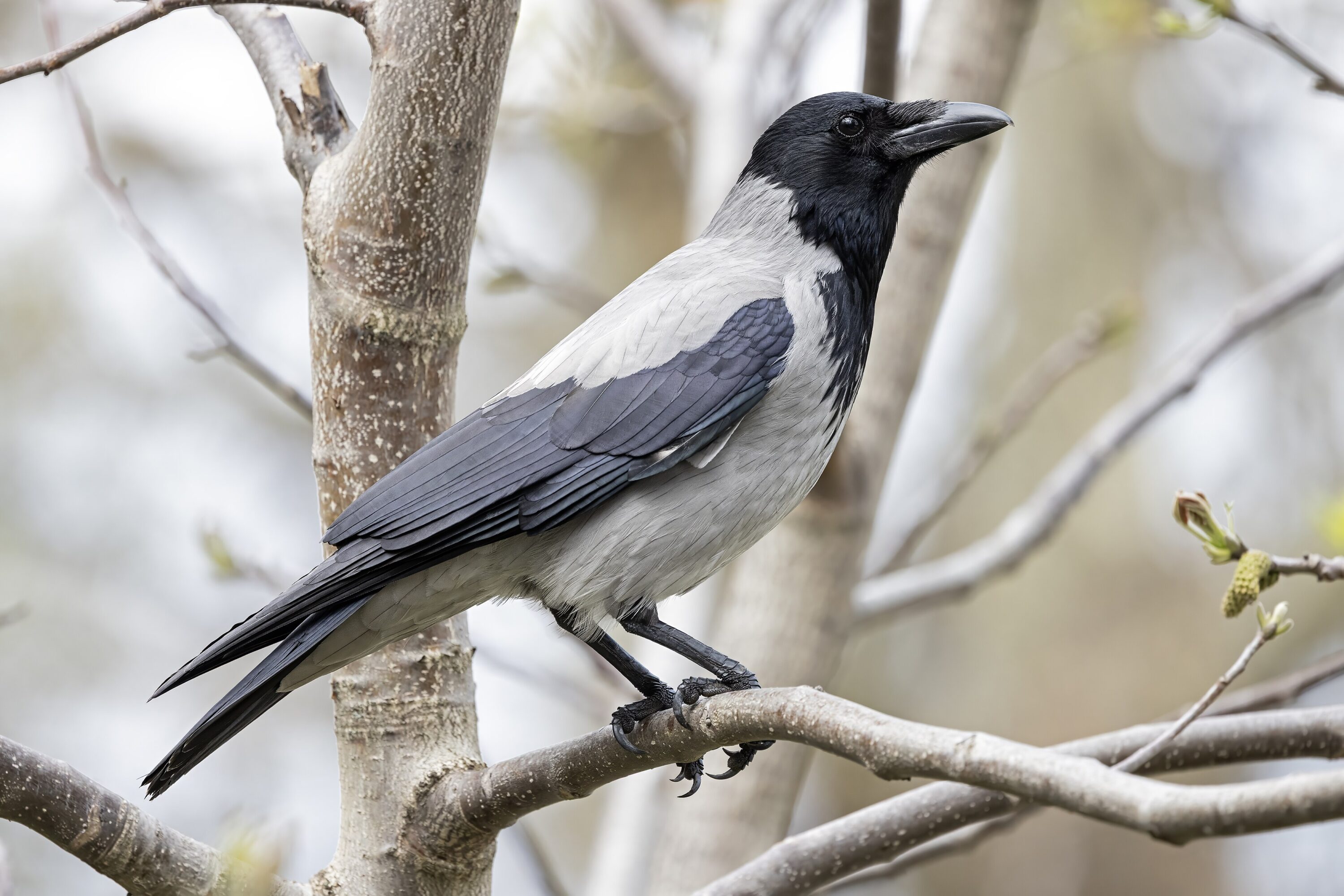
Hooded Crows Were Linked to 87 Reported West Nile Virus Bird Outbreaks in Europe
The September ECDC–EFSA report linked hooded crows to 87 reported West Nile virus bird outbreaks, Eurasian magpies to…
Read story →SPECIES IN THIS STORY
Species in this story
Independent research and conservation news archive
Did you find this information useful?
Wildlife Vagabond is independently built and maintained. Voluntary support helps cover source verification, hosting and continued work on research and conservation news.
Support Wildlife VagabondThe news archive will remain freely available.