
Eurasian Bullfinch ABCB1 Repeat Lowered Protein Levels but Did Not Explain Ivermectin Sensitivity
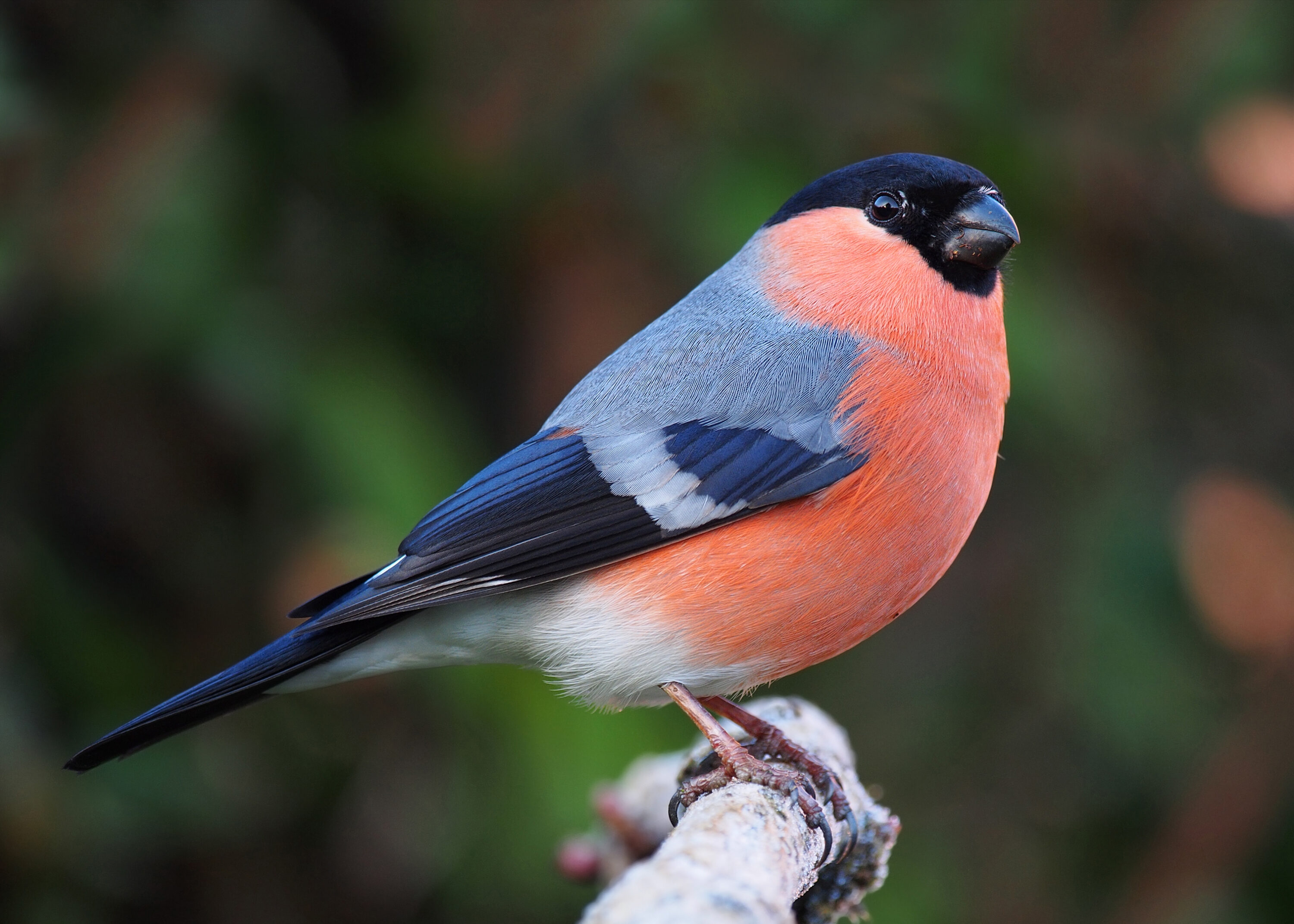
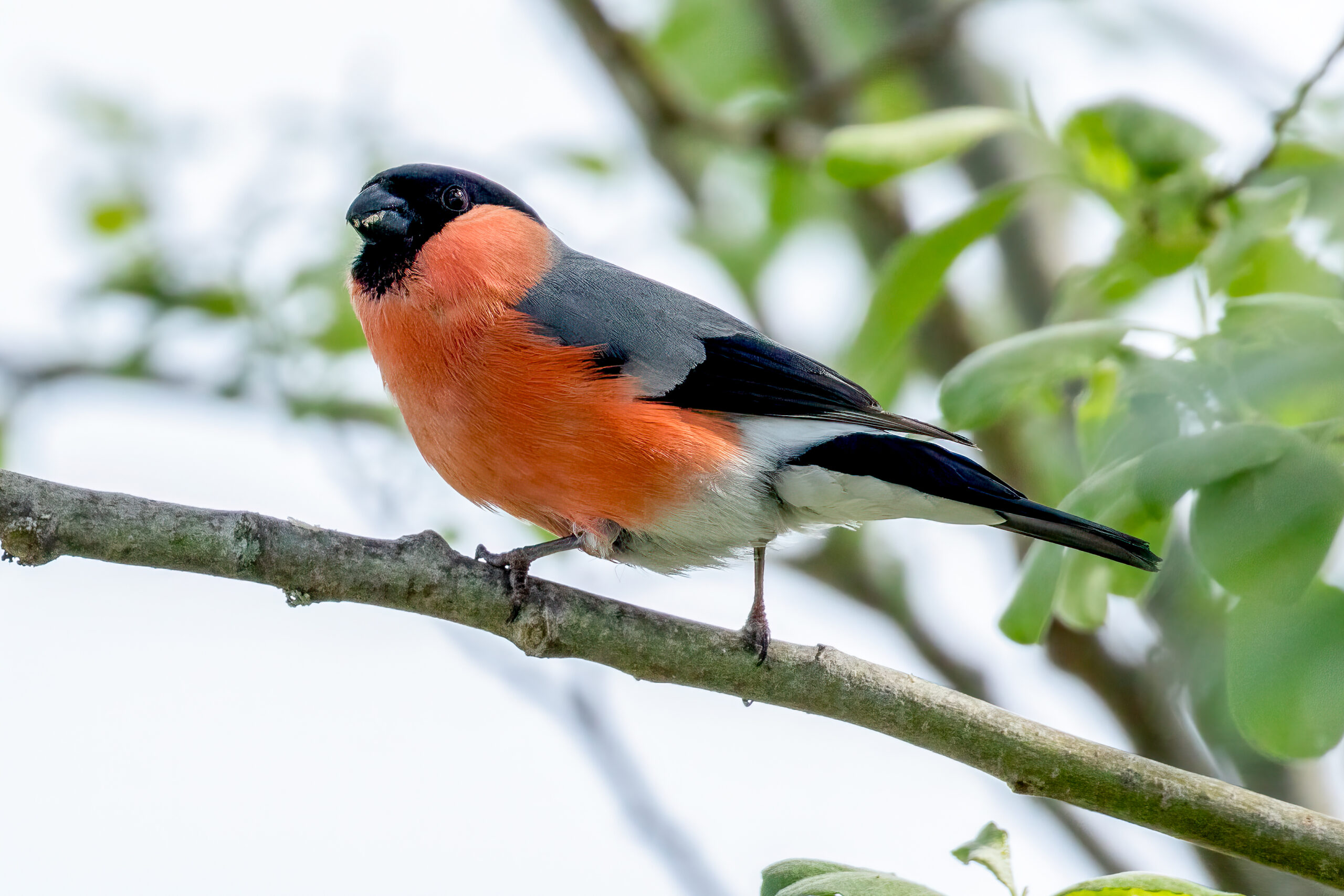
The full ABCB1 transcript — the RNA copy of the gene used as the template for producing the protein — of the eurasian bullfinch (Pyrrhula pyrrhula) has been cloned and functionally tested for the first time in a study published on 10 April 2026. The work investigated a possible molecular explanation for suspected ivermectin hypersensitivity previously reported in bullfinches and some related passerines.
ABCB1 encodes P-glycoprotein, a membrane transporter that helps move a range of substances out of cells. In some mammals, damaging mutations in this gene can allow certain drugs to reach unusually high concentrations in sensitive tissues, which made ABCB1 a candidate for investigating the reported response to ivermectin in bullfinches.
A distinctive repeat was found in the transporter
The cloned bullfinch ABCB1 sequence contained a tandem insertion made up of two identical ten-amino-acid motifs in the intracellular linker region of the protein. The same type of region varied among other passerines examined by the researchers, with sequences showing no insertion, one motif, two motifs or, in one case, three.
To test whether the bullfinch insertion changed the transporter, the researchers expressed the natural two-repeat form and two engineered variants in cultured HEK293 cells. Removing both repeats increased the total amount of ABCB1 protein detected compared with both the natural two-repeat form and the one-repeat variant. Removing only one repeat did not clearly increase protein abundance relative to the natural form.
Transport function remained similar
Despite the difference in total protein level, the measured transport function did not differ between the natural bullfinch ABCB1 and the engineered variants. All forms showed comparable efflux of Rhodamine 123, a standard fluorescent substrate used to test ABCB1 activity. The study measured total cellular ABCB1, however, rather than directly quantifying how much transporter reached the plasma membrane. The authors therefore note that the repeat could reduce overall protein abundance without necessarily reducing the membrane-localised fraction that performs drug efflux.
Ivermectin and the established ABCB1 inhibitor tariquidar also inhibited transport at comparable concentrations across the bullfinch variants. The researchers therefore found no functional evidence that the tandem-repeat insertion explains the suspected ivermectin hypersensitivity. This interpretation is strengthened by the Atlantic canary, which carries the same tandem-repeat form but has been reported to tolerate an ivermectin dose of 0.4 mg/kg, within the range associated with neurological reactions in bullfinches.
The study provides the first full molecular and functional description of ABCB1 in the eurasian bullfinch and identifies a previously uncharacterised structural feature shared in different forms across passerines. At the same time, the cell experiments narrow the search for the mechanism behind the reported ivermectin sensitivity by showing that this particular insertion did not produce the expected change in transporter function.
Molecular biology & biochemistry
Related news
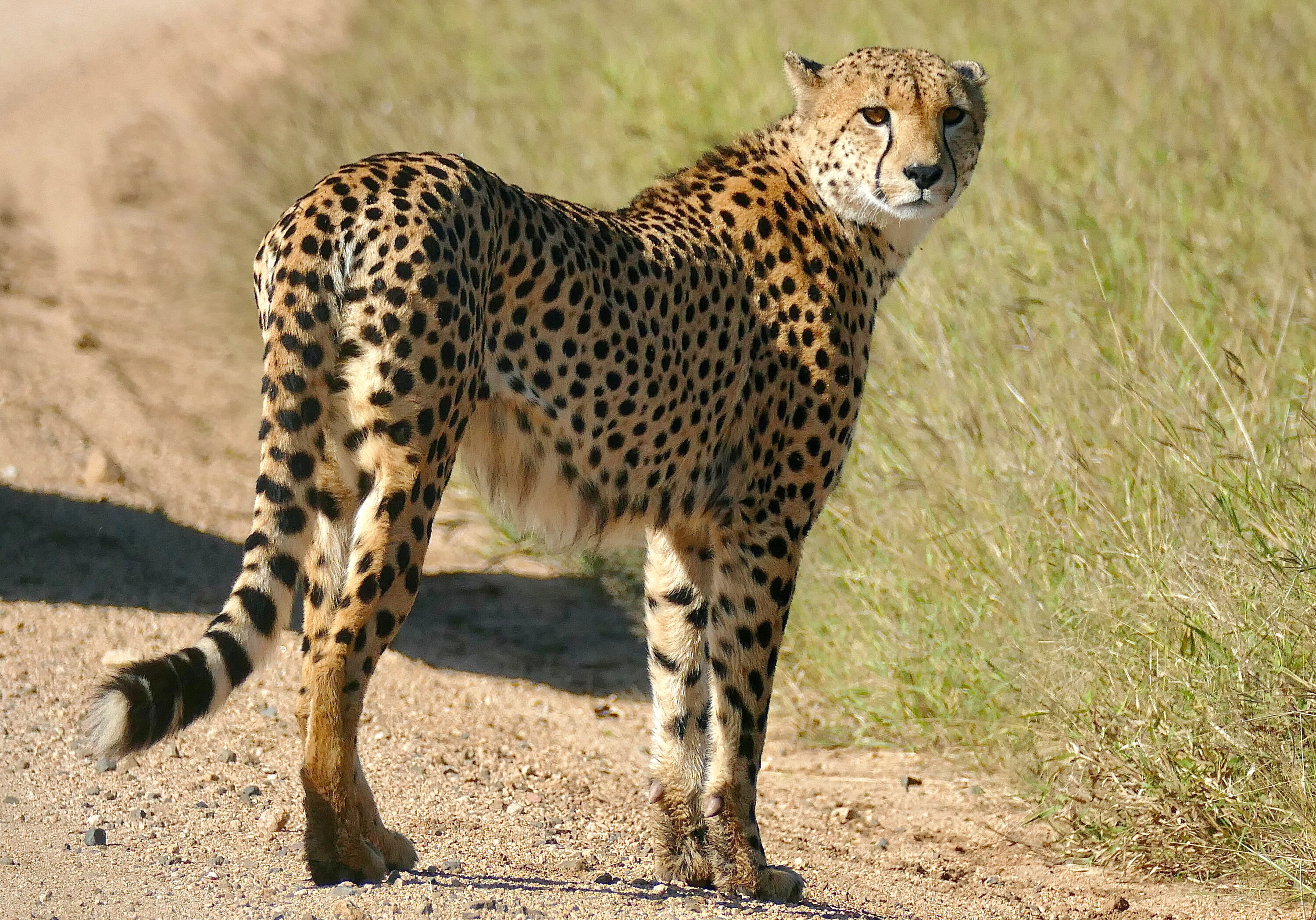
DNA Methylation Shifted as Namibian Male Cheetahs Became Territorial
Paired blood samples from ten free-ranging Namibian males revealed widespread, predominantly increased DNA methylation after the same cheetahs…
Read story →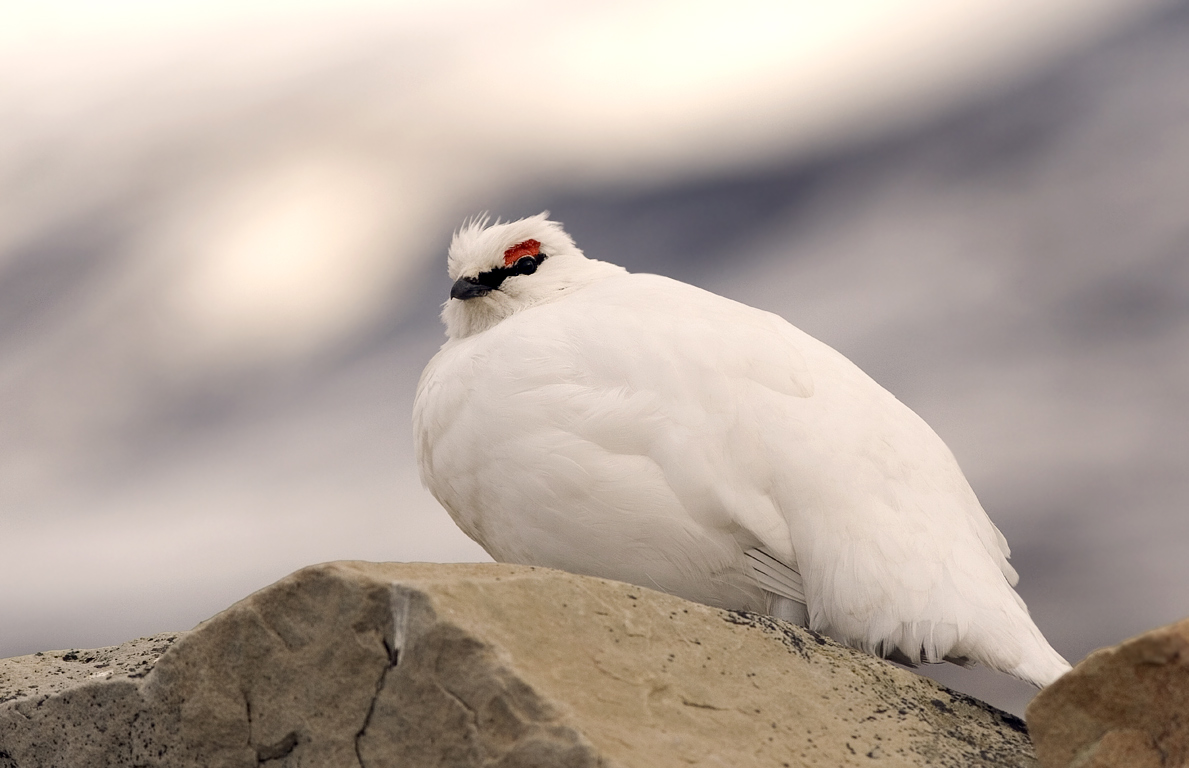
Svalbard Ptarmigan and Golden Hamsters Shared a TSH Pathway for Seasonal Timing
A comparison of neuroendocrine tissue in summer- and winter-like states found the same core TSH seasonal-timing pathway in…
Read story →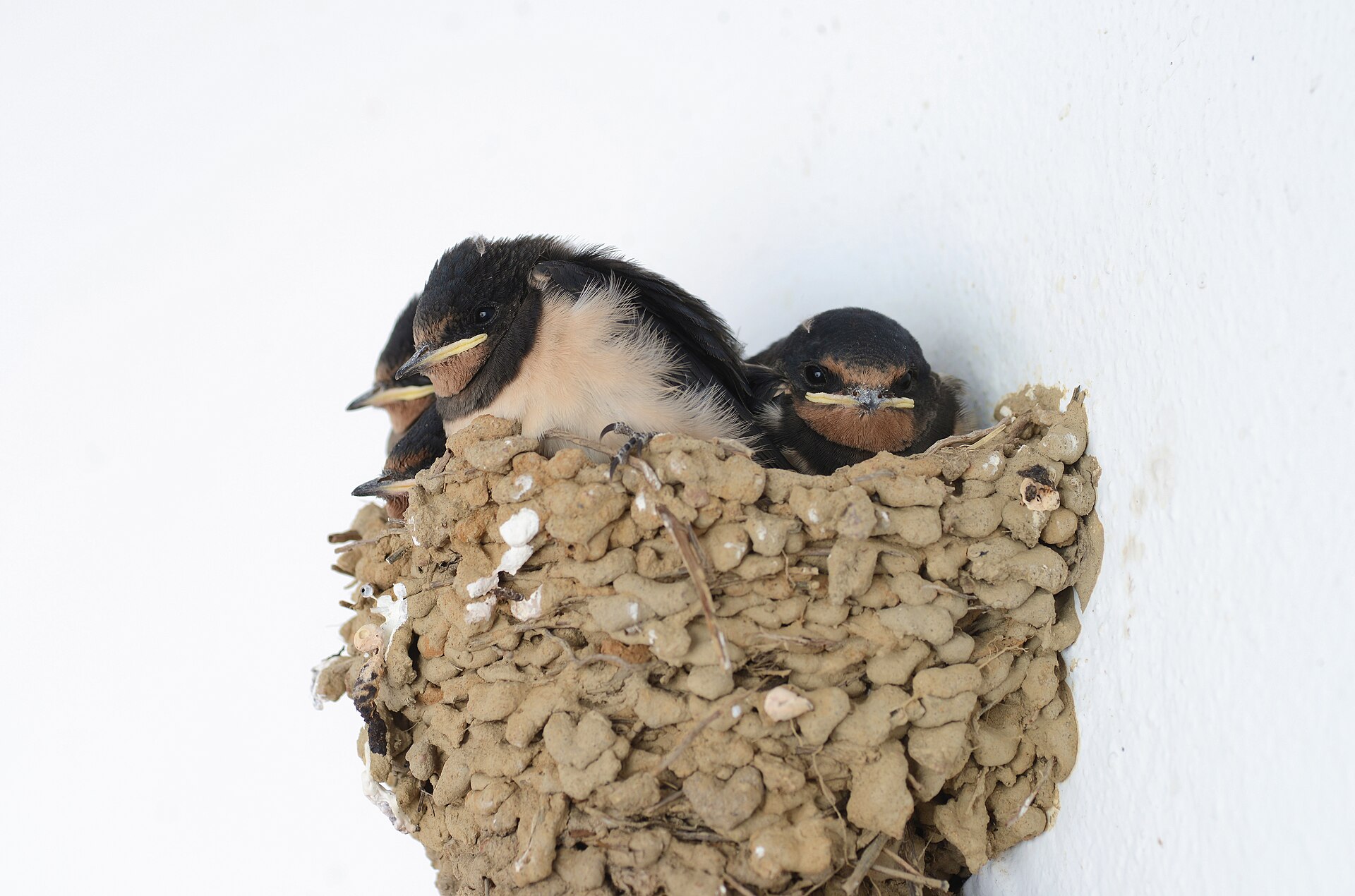
Larger Broods and Older Social Fathers Were Linked to Shorter Telomeres in Male Barn Swallow Nestlings
A long-term study near Milan found shorter telomeres in male barn swallow nestlings from larger broods or with…
Read story →SPECIES IN THIS STORY
Species in this story
Independent research and conservation news archive
Did you find this information useful?
Wildlife Vagabond is independently built and maintained. Voluntary support helps cover source verification, hosting and continued work on research and conservation news.
Support Wildlife VagabondThe news archive will remain freely available.