
Genomic Data Revealed Distinct Continental and Baja California Cactus Wren Groups
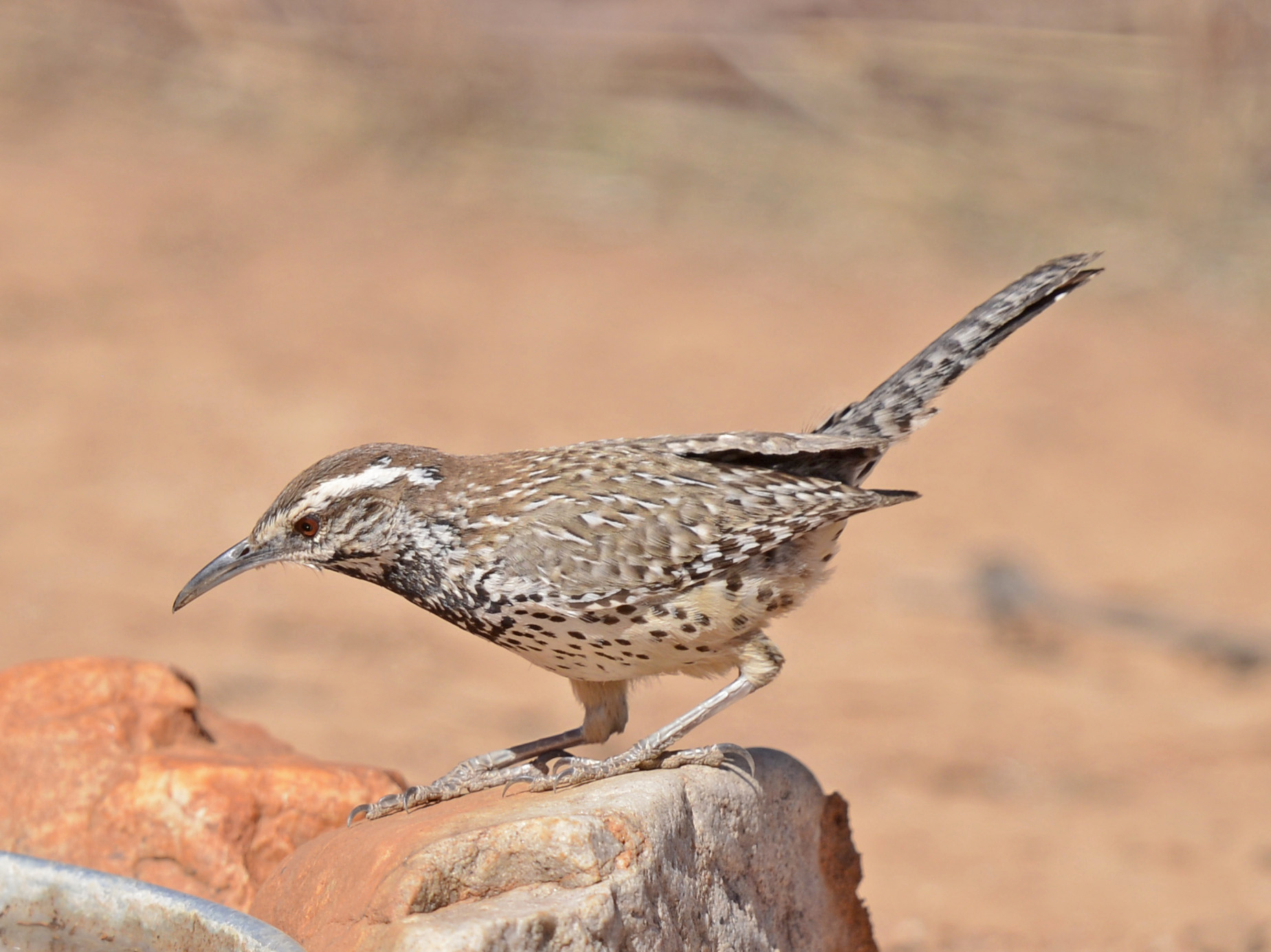
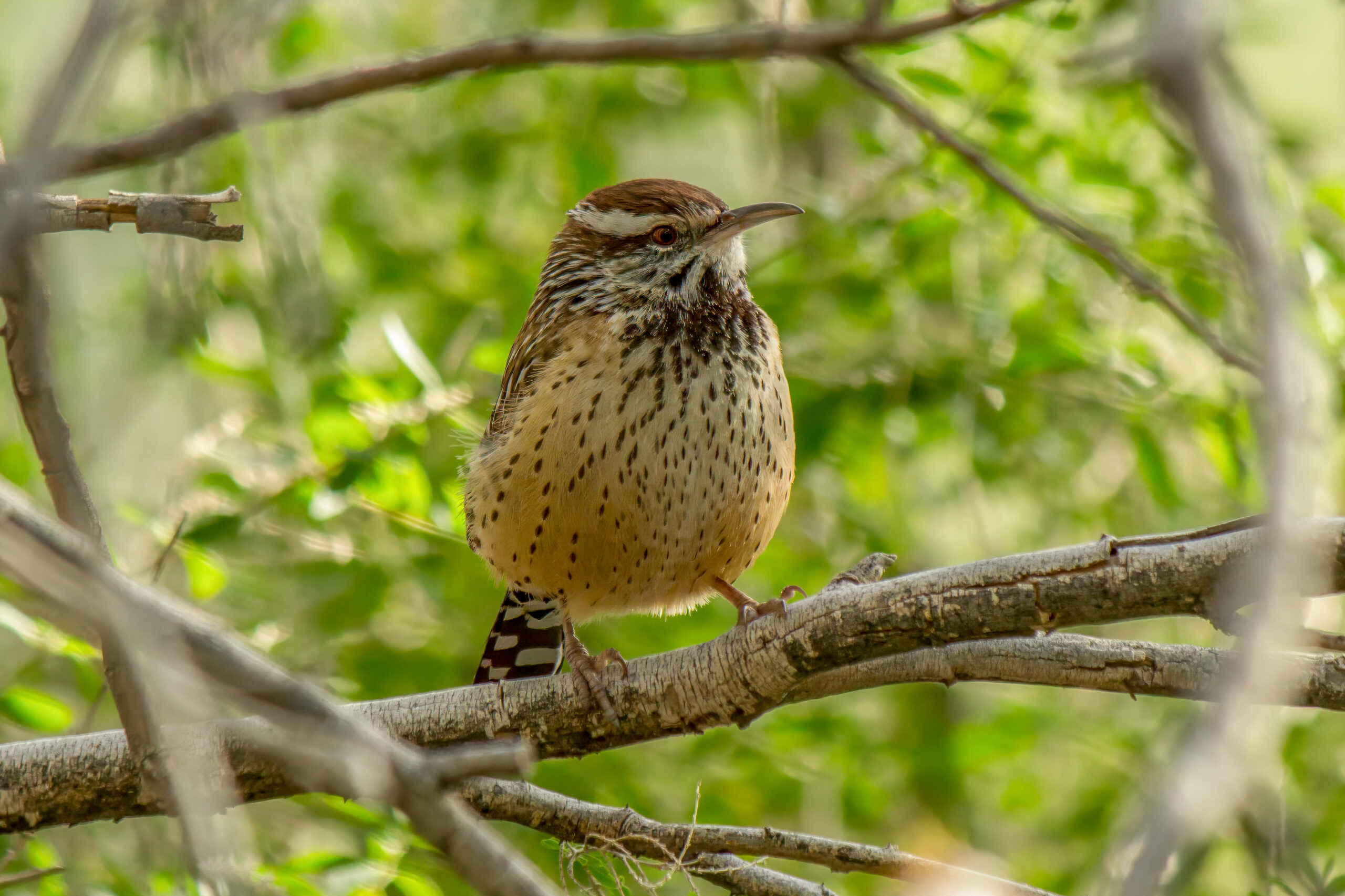
A 2026 preprint found strong genomic differentiation between cactus wrens (Campylorhynchus brunneicapillus) from continental North America and birds from the Baja California Peninsula. The work was posted on bioRxiv on 26 March 2026 and has not yet been peer reviewed.
The researchers generated genomic data from cactus wrens sampled across Mexico and the southern United States and combined population-genetic analyses with ecological niche models. The genomic results separated a continental group from a peninsular group in Baja California. Individuals from Cataviña in central Baja California showed a small degree of assignment to the continental group, but the overall division between the two lineages was pronounced.
Both groups passed through strong historical bottlenecks
Reconstructions of demographic history indicated that both groups underwent severe reductions in effective population size around the Last Glacial Maximum. Effective population size is a genetic measure of how strongly drift acts in a population and is often smaller than the actual number of birds. Autosomal regions in both groups showed strong post-glacial recovery, but the Z chromosome in the Baja California group remained comparatively low through much of the Holocene. The authors suggest that sex-biased dispersal could have contributed to this difference, while noting substantial uncertainty among bootstrap replicates. Taken together with the strong genomic clustering, they argue that the peninsular taxon C. affinis should be treated as a species distinct from continental C. brunneicapillus.
Future climate projections differed between the groups
Ecological niche models also projected changes under future climate conditions for 2060–2080. Suitable areas along the Baja California coast declined in the projections, while suitable habitat for the continental group became more concentrated in the central part of its modelled range.
Genetics & genomics
Related news
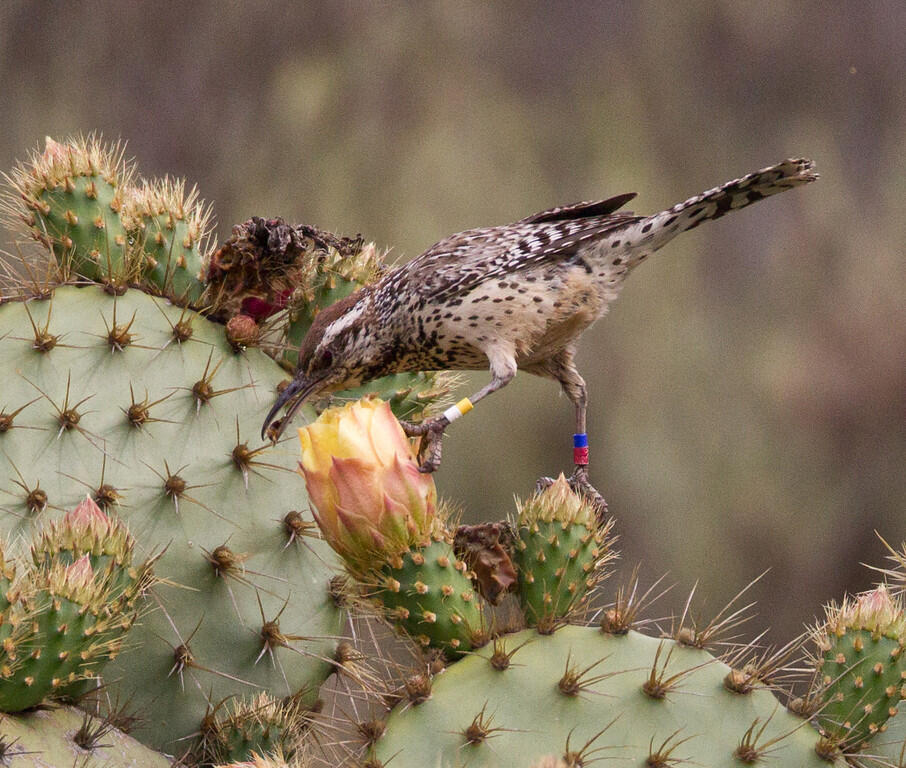
San Diego Project Will Establish 56 Cactus Patches for Coastal Cactus Wrens
A three-year restoration project at San Diego National Wildlife Refuge will establish 56 new cactus patches across 139…
Read story →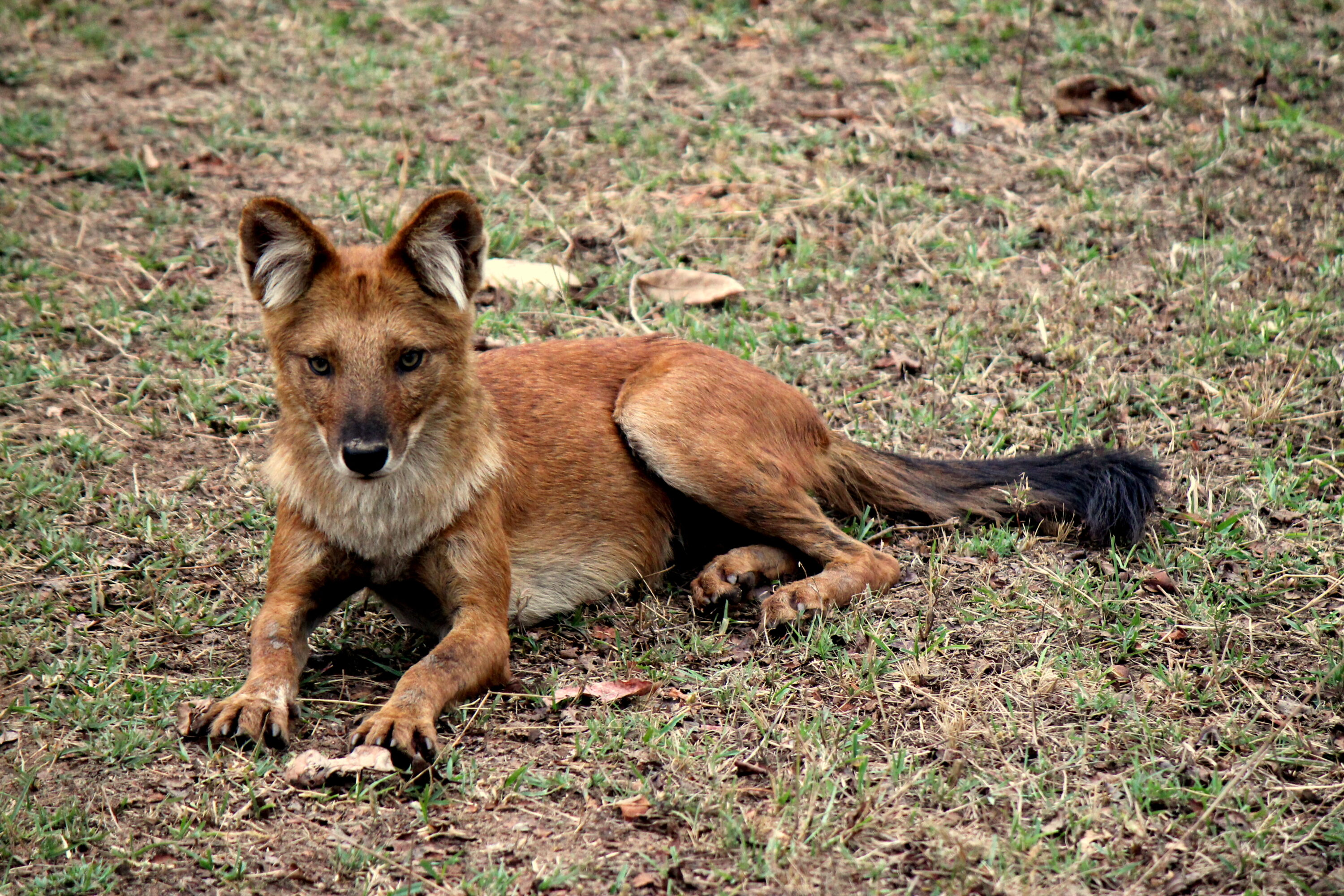
Dhole Gets Its First Chromosome-Level Genome Assembly
Researchers assembled a 2.42-billion-base genome for the dhole, anchoring 97.0% of its sequence to 39 chromosomes. The resource…
Read story →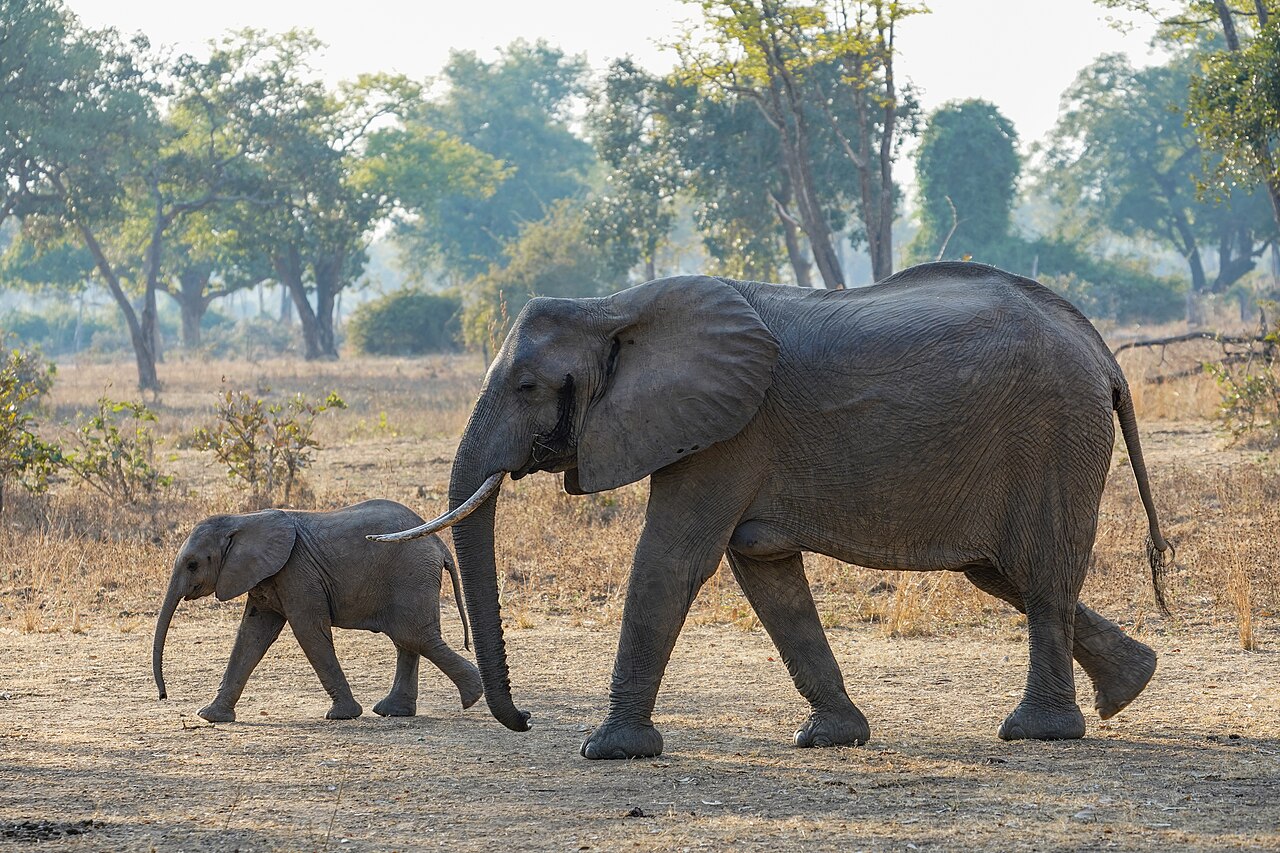
An ancient viral gene may have been repurposed in elephant placenta
An ancient viral gene that appears to have been inherited for at least 79 million years is strongly…
Read story →SPECIES IN THIS STORY
Species in this story
Independent research and conservation news archive
Did you find this information useful?
Wildlife Vagabond is independently built and maintained. Voluntary support helps cover source verification, hosting and continued work on research and conservation news.
Support Wildlife VagabondThe news archive will remain freely available.