
An ancient viral gene may have been repurposed in elephant placenta
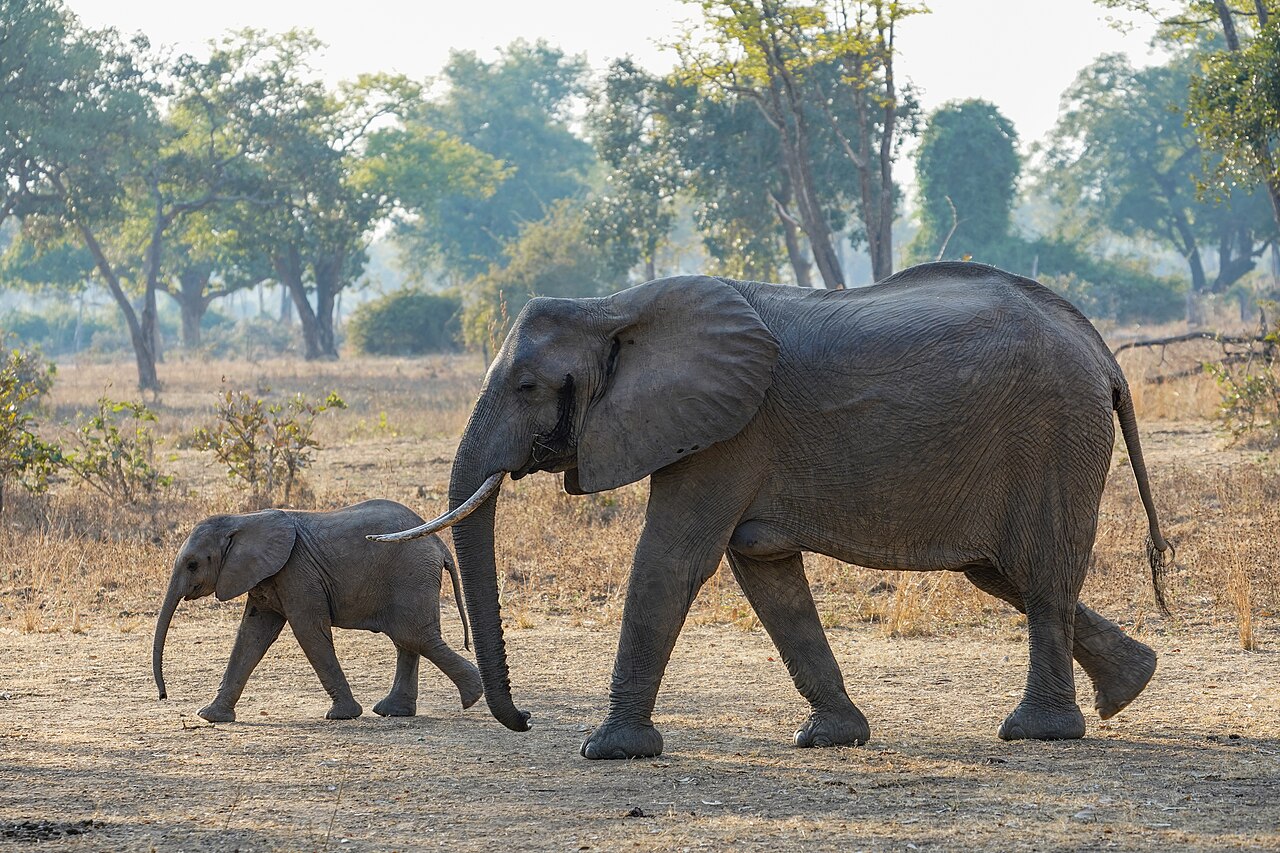
Retroviruses are viruses that can copy their genetic material into the DNA of the cells they infect. If such viral DNA enters the germ line and is passed to offspring, it can remain in the genome for millions of years as a genetic trace of an ancient infection. Most of these viral remnants eventually lose their original function, but occasionally a gene can be preserved and co-opted for a role in the host itself.
A new comparative study identified one unusually ancient candidate for such co-option: a retroviral env gene the researchers call AFRenv. Env genes originally encode envelope proteins in the virus membrane, including proteins involved in binding to and fusing with host cells. The gene’s sequence and position in the genome suggest that AFRenv was already present in the common ancestor of living Afrotheria at least 79 million years ago. Afrotheria is an evolutionary group of mammals that includes elephants, sirenians, aardvarks, sengis, hyraxes and golden moles—animals that look remarkably different but share deep evolutionary ancestry.
The researchers searched African and Asian elephant genomes for intact retroviral env genes—sequences that may still retain the capacity to encode a protein. They found 59 such sequences that appeared to have been acquired independently, most restricted to particular evolutionary lineages. AFRenv stood out because matching DNA was found at the same genomic position in representatives of several Afrotherian groups.
AFRenv’s coding sequence remains intact in the examined elephants, sirenians and two golden-mole species. In some other lineages, the gene has been disrupted or lost. The predicted protein retains several features associated with gamma-type retroviral envelope proteins, including a signal peptide, a cleavage site, a cysteine motif and a membrane-spanning region. Sequence comparisons and evolutionary analyses supported the idea that the coding sequence has remained under long-term constraint.
Placental expression raises a possibility
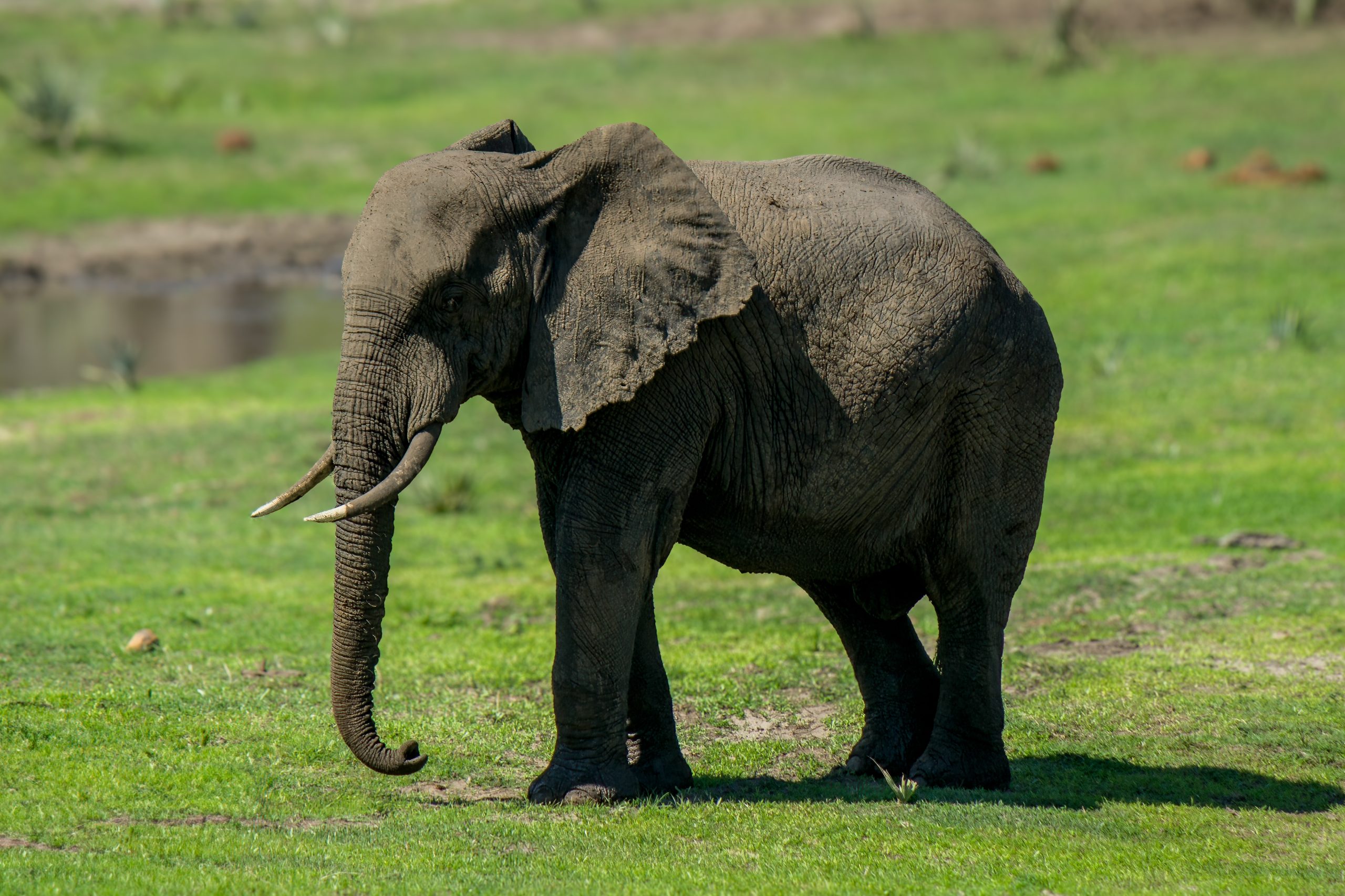
The team also examined archived RNA-sequencing data to see where AFRenv is transcribed. In the African Bush Elephant (Loxodonta africana), the two available placental samples showed much higher expression than the other examined tissues: one measured more than 800 TPM and the other about 540 TPM. TPM, or transcripts per million, is a normalized measure of how abundant a transcript is in a sample. Expression in the other tissues was nearly undetectable. The study also found evidence of transcription in the Asian elephant, but no Asian-elephant placental sample was available for this comparison.
The placental result needs cautious interpretation. It is based on only two African-elephant samples, and the archived tissue libraries came from different sources and protocols rather than being designed for a formal comparison across tissues. The study did not establish which placental cells express AFRenv.
The combination of an intact coding sequence, features of a retroviral envelope protein, evidence of long-term evolutionary constraint and strong expression in the sampled African-elephant placentas suggests that AFRenv may have been co-opted for a function in the host. The authors propose a possible role at the maternal–fetal interface, though it need not involve cell fusion. This is a hypothesis, not a demonstrated function: the study did not show that the protein is produced or establish what it does. Finding out whether AFRenv has a role in placental biology—and whether that role is shared across Afrotheria—will require further evidence.
Genetics & genomics
Related news
Three ways of analysing elephant calls tell different stories
Recordings from a semi-free herd in South Africa show how the method used to classify call timing can…
Read story →
African Bush Elephants use visual food cues at close range
In experiments in South Africa, four semi-tame elephants chose between visual patterns representing canopy size and leaf density.…
Read story →
Elephant Rumble Choruses Carried Context and Sometimes Converged During Coordination
Recordings from wild African bush elephants in Amboseli showed that behavioural context remained detectable in overlapping rumble choruses.…
Read story →SPECIES IN THIS STORY
Species in this story
Independent research and conservation news archive
Did you find this information useful?
Wildlife Vagabond is independently built and maintained. Voluntary support helps cover source verification, hosting and continued work on research and conservation news.
Support Wildlife VagabondThe news archive will remain freely available.