
Cape porcupine detections declined as open-pit mining expanded into wild olive shrubland
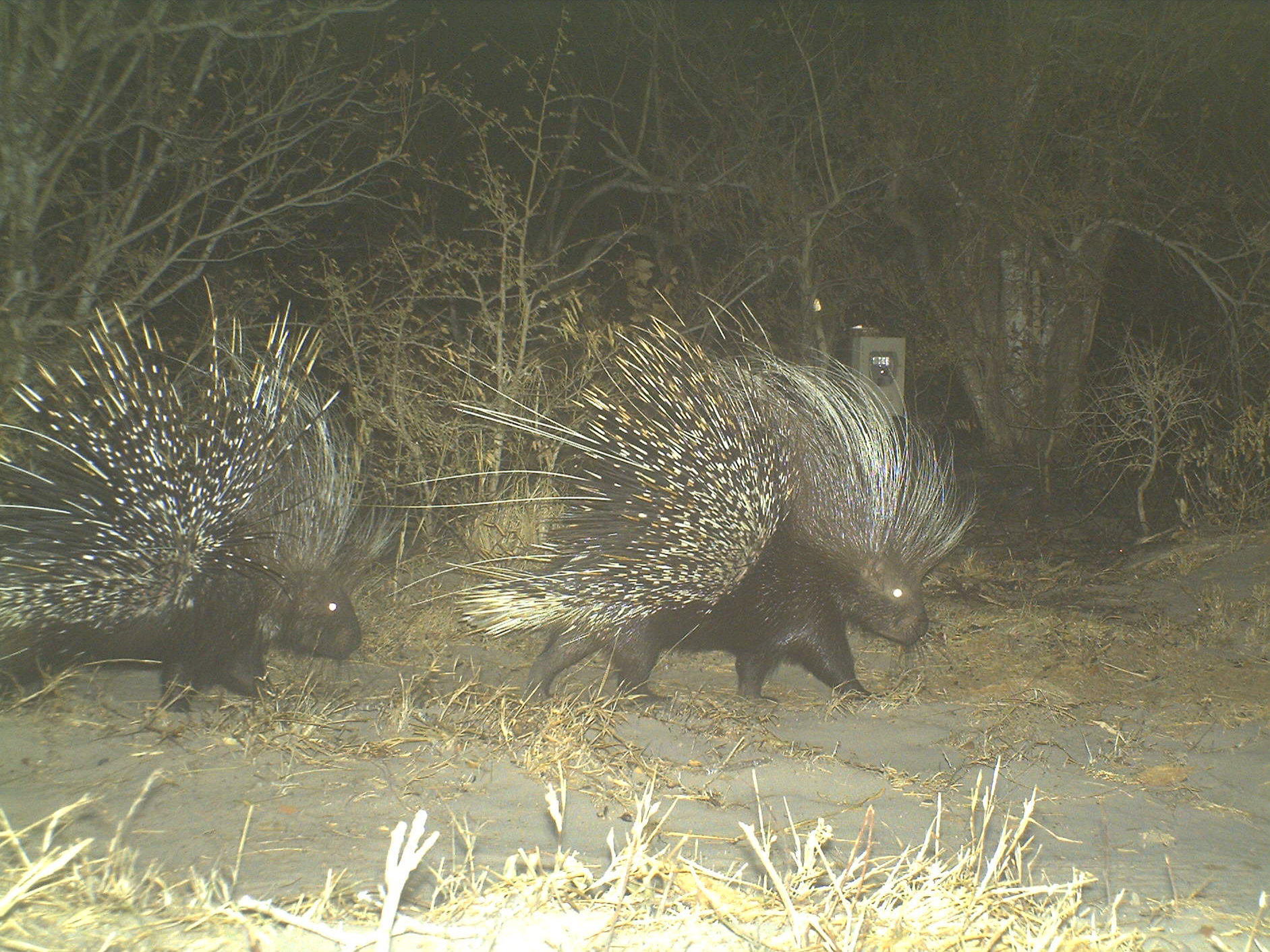
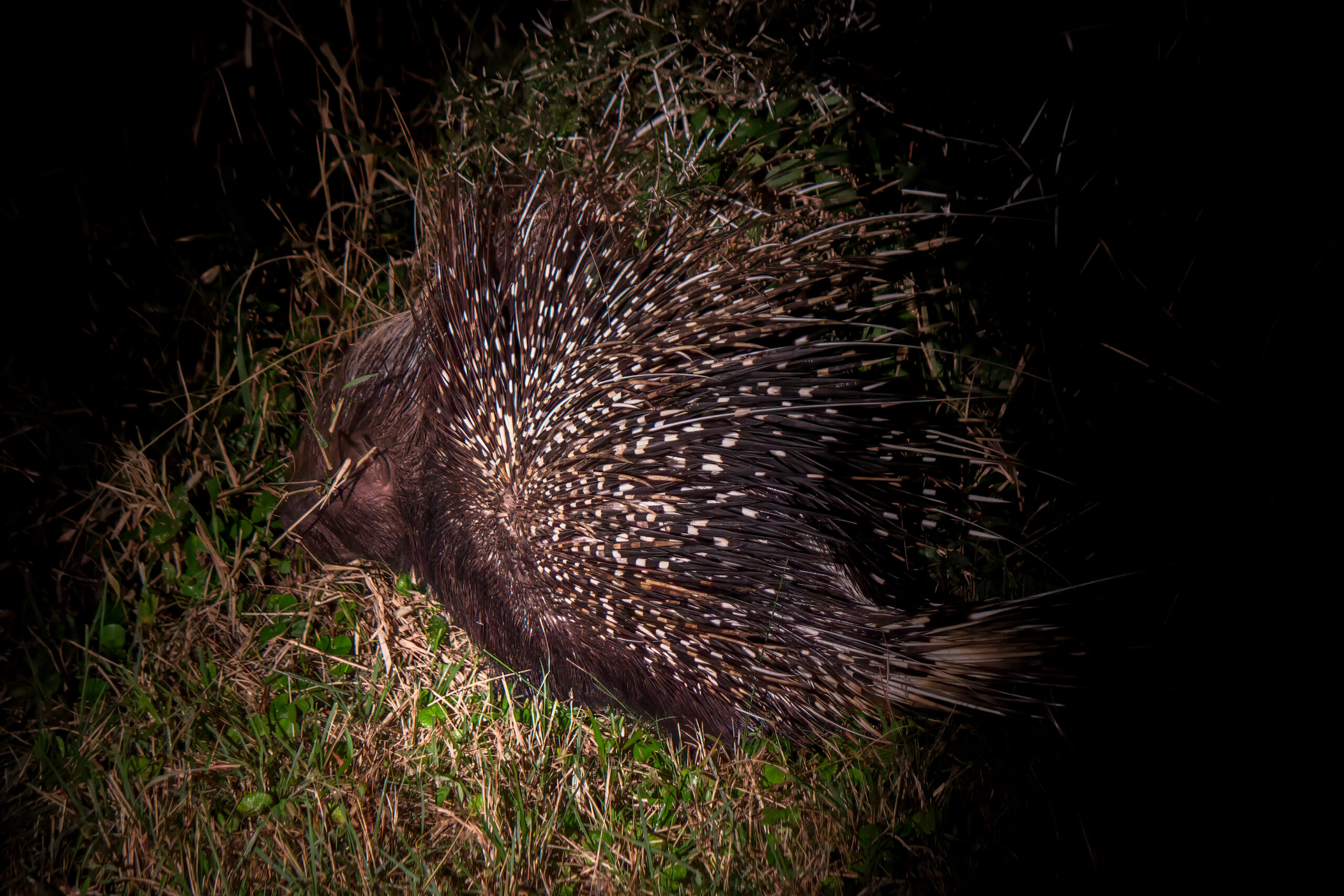
Five years of camera-trap monitoring in South Africa’s Northern Cape found a strong negative association between expanding open-pit mining and detections of Cape porcupine (Hystrix africaeaustralis) in wild olive shrubland.
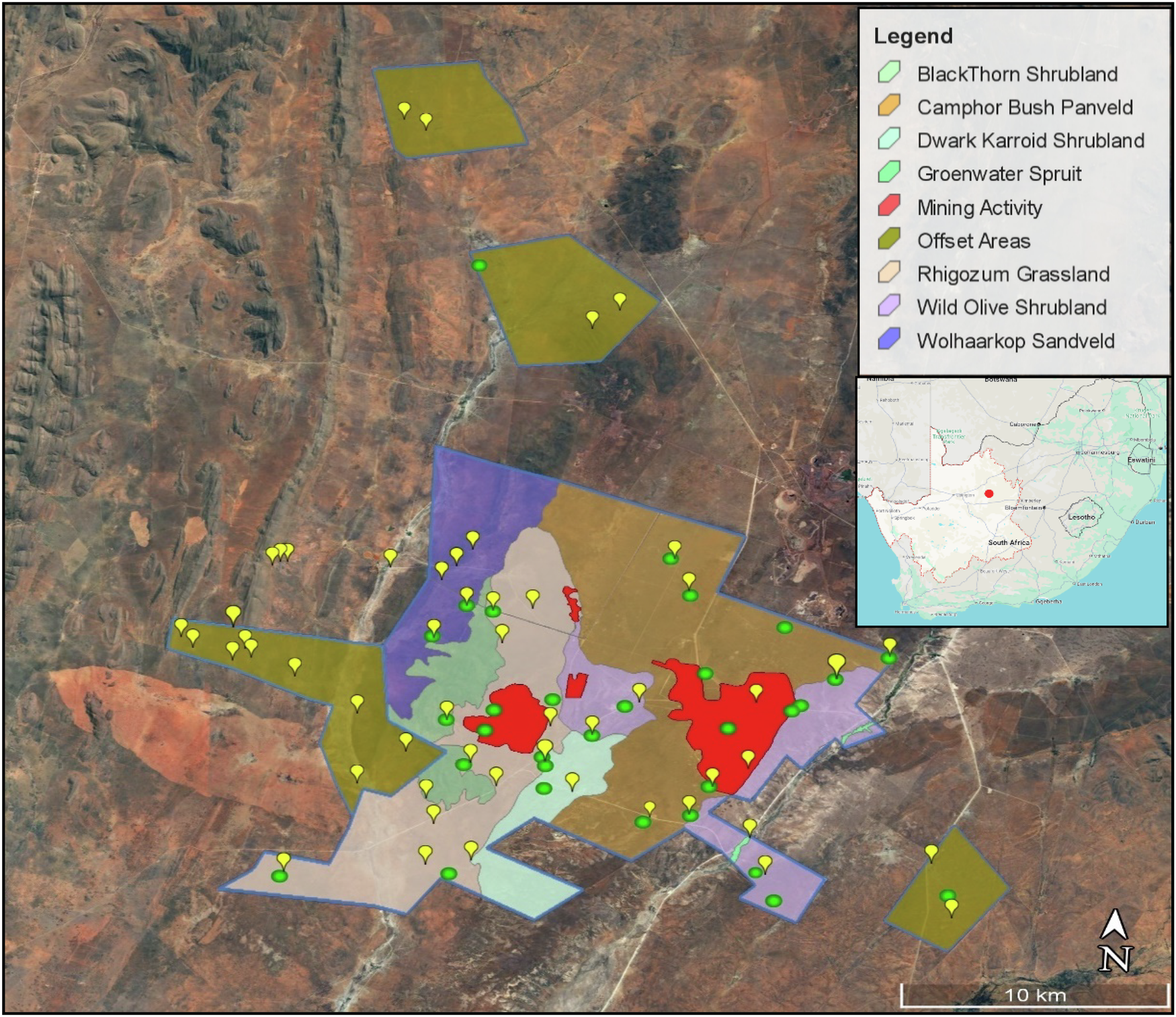
Researchers monitored mammals from 2020 to 2024 at 52 fixed camera stations across approximately 43,000 hectares near a large iron-ore mine on the Ghaap Plateau. The cameras accumulated 14,360 trap-nights. Independent photographs of the same species separated by at least 30 minutes were treated as separate detection events, and the researchers calculated detections per 100 trap-nights as an index of relative activity or site use.
The mining footprint expanded by about 30%
During the study, the active mining footprint expanded from about 2,025 hectares in 2020 to 2,661 hectares in 2024 — an increase of roughly 30%. The expansion moved particularly into wild olive shrubland. The proportion of this vegetation unit directly affected by mining increased from 0.42% to 1.1% over the same period.
Cape porcupine detections declined as mining intrusion into this shrubland increased. The relationship was strong and statistically supported. Porcupine detections also tended to be higher farther from active mining areas, although that relationship was weaker and only marginally supported statistically.
Rainfall also fell sharply during the study
The study covered a period of substantial climatic change as well. Annual rainfall fell from about 380 mm in 2020 to 210 mm in 2024, and herbaceous productivity also declined after the wetter early years. Mammal detection activity varied with these resource conditions. The researchers nevertheless found that the clearest mining-associated changes were concentrated spatially around the expanding mine and were not shared equally by all species.
Three nocturnal mammals showed the most consistent negative associations with mining expansion into wild olive shrubland: Cape porcupine, aardwolf (Proteles cristatus) and Cape fox (Vulpes chama). The relationship was strongest for the porcupine. The authors interpret the pattern as evidence that industrial expansion and habitat modification may be changing where these animals are active within the landscape, on top of the effects of rainfall and vegetation productivity.
Camera detections are not population estimates
The researchers stress that the camera data should not be interpreted as population estimates. Detection probability was not modelled, so fewer photographs can reflect changes in activity or site use rather than a decline in the number of animals. Their statistical analyses are therefore presented as associations, not proof that mining directly caused the observed changes.
For management, the authors identify wild olive shrubland as a vegetation unit that deserves particular attention during mine planning and rehabilitation. They recommend limiting further encroachment and fragmentation where feasible and considering habitat-specific mitigation. They also suggest that unnecessary nocturnal disturbance, including lighting, could be reduced where practical, while noting that the effectiveness of such measures would need to be tested directly.
Threats
Related news
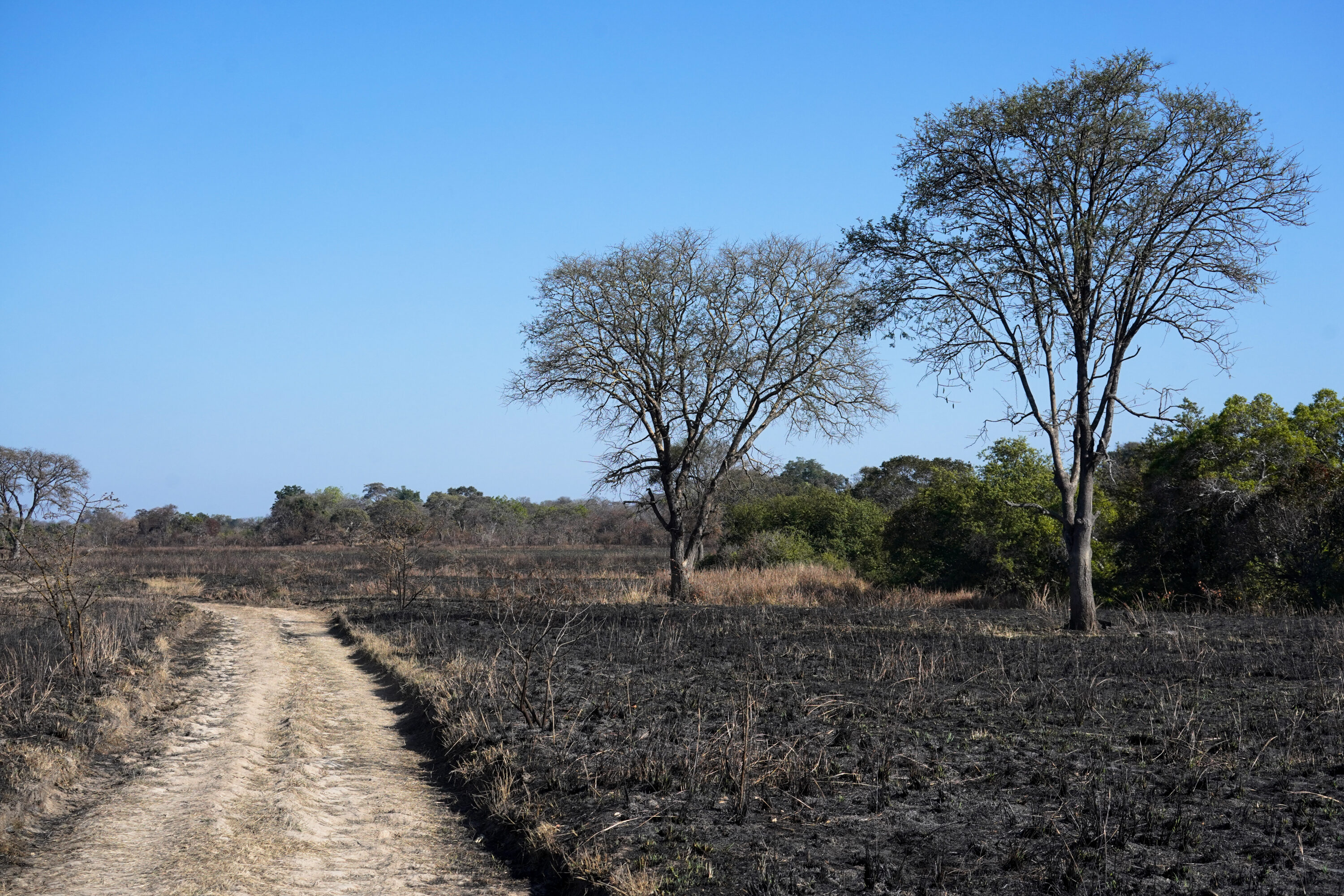
Local Mammal Site Use Fell in Burned Namibian Savanna During the First Five Months After Wildfire
Camera traps following 31 medium- and large-sized mammal species in eastern Namibia found that local site use in…
Read story →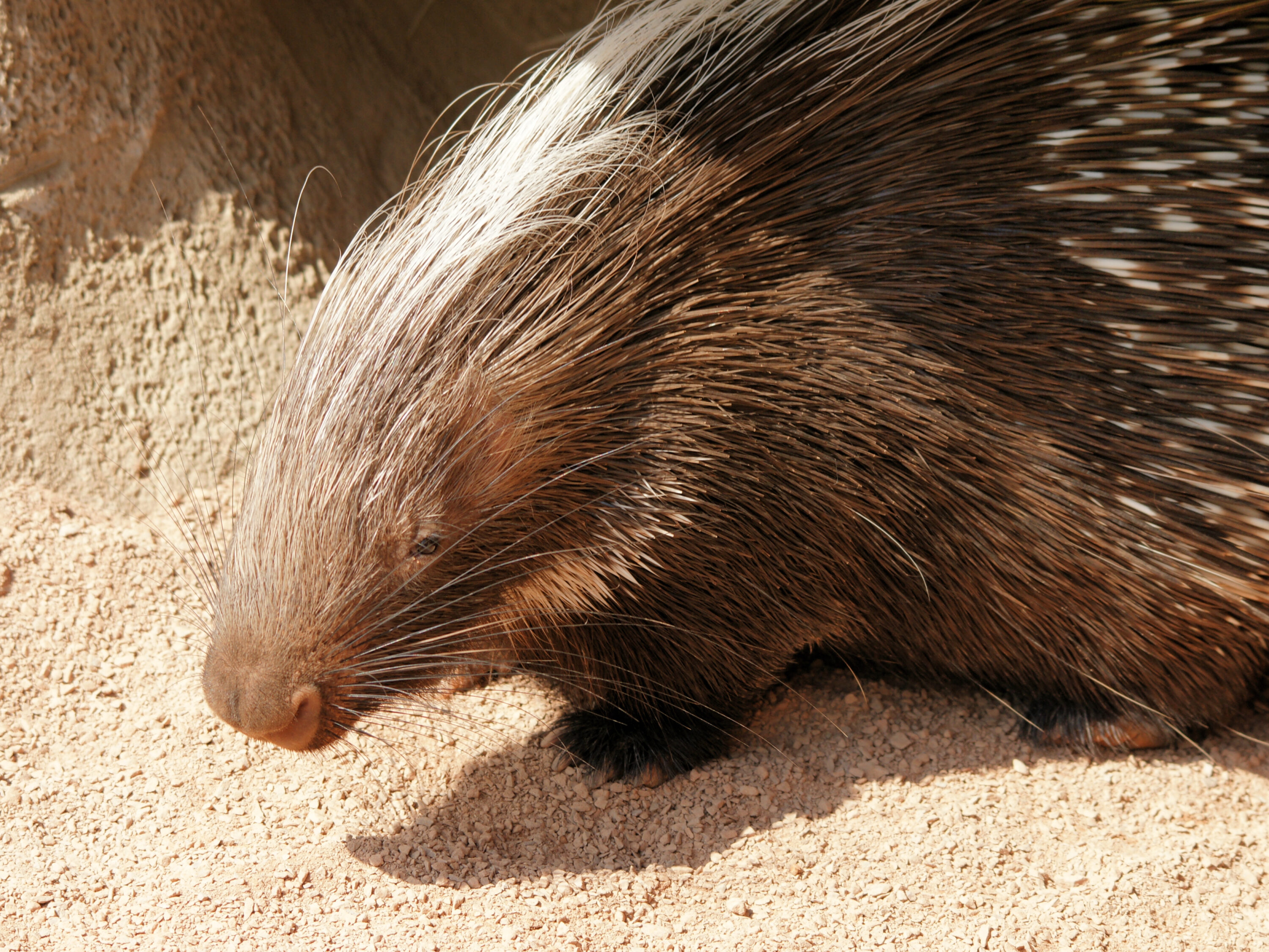
Cape Porcupines Showed Higher Dry-Season Occupancy Across KwaZulu-Natal Mistbelt Forests
Camera traps across 14 Southern Mistbelt Forest patches found modelled Cape porcupine occupancy rising from about 0.29 in…
Read story →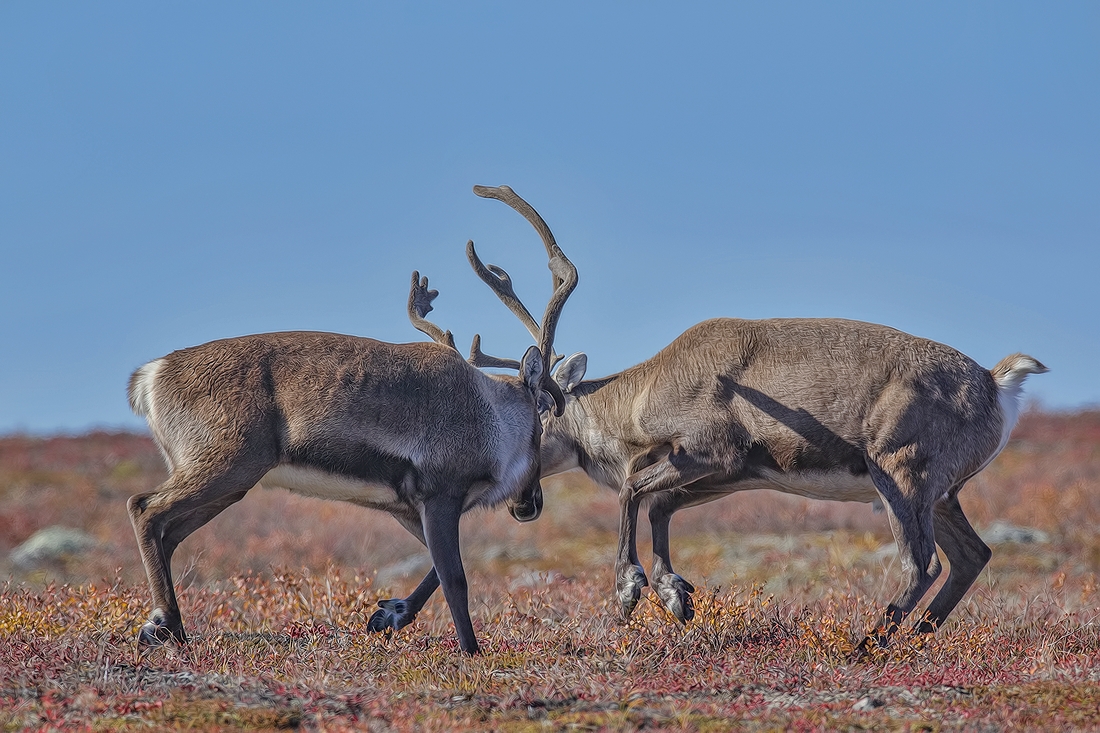
Inuit harvesters help detect an emerging parasitic disease in Arctic caribou
Near Kugluktuk in Nunavut, Inuit harvesters reported unusual tissue changes in caribou. Tests found DNA from two parasitic…
Read story →SPECIES IN THIS STORY
Species in this story
Independent research and conservation news archive
Did you find this information useful?
Wildlife Vagabond is independently built and maintained. Voluntary support helps cover source verification, hosting and continued work on research and conservation news.
Support Wildlife VagabondThe news archive will remain freely available.