
Most of the Modelled Suitable Cheetah Habitat in Southern Africa Lies Outside Protected Areas
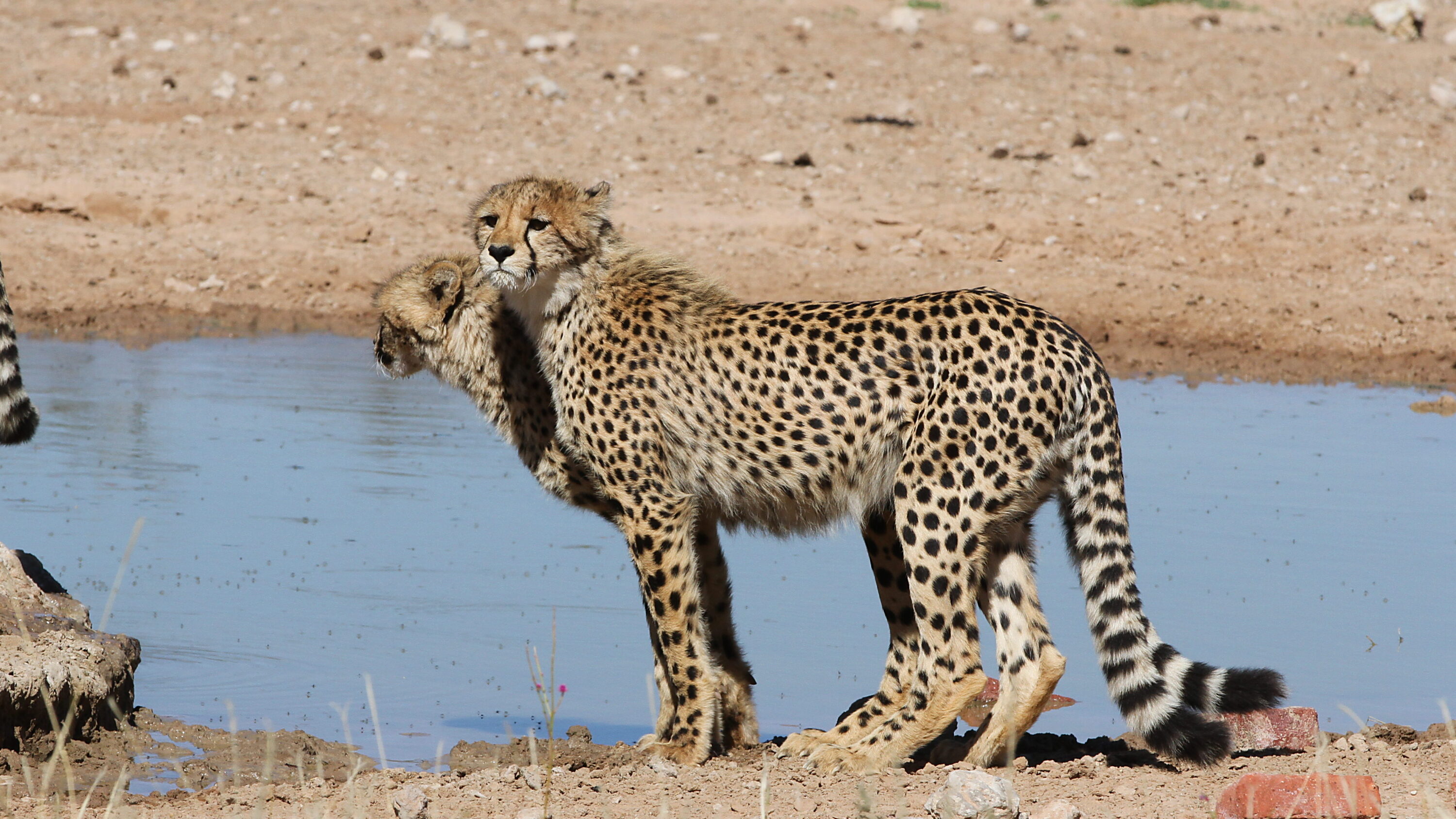
A large-scale modelling study published in August 2026 shows that much of the habitat currently suitable for cheetahs (Acinonyx jubatus) in southern Africa lies beyond the boundaries of formal protected areas. The result highlights how strongly the future of the species depends on farms, communal lands and other landscapes shared with people.
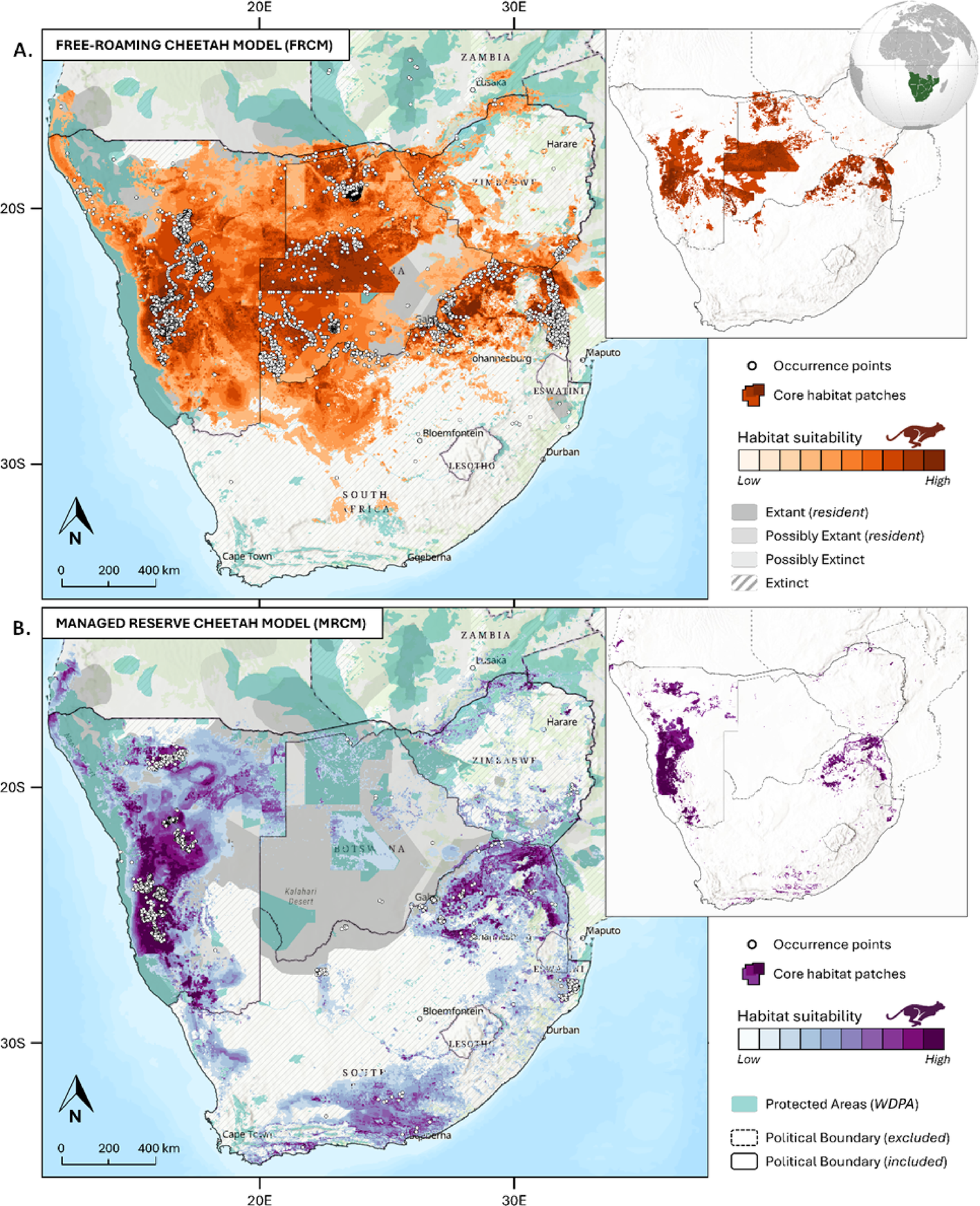
The researchers combined cheetah records collected between 1980 and 2023 from Botswana, Namibia, South Africa and Zimbabwe. They built separate models for free-roaming cheetahs and for animals living in managed reserves, then examined how suitable habitat could change under different future climate scenarios.
About seven in ten suitable areas lay outside protected areas
Under present conditions, the models identified about 1.6 million square kilometres of suitable habitat for free-roaming cheetahs. About 69% of this area lay outside formally protected areas. Here, “suitable habitat” means areas whose environmental and human-pressure conditions the model associated with known cheetah records; it does not confirm that cheetahs currently occupy every predicted area. Temperature seasonality and human population density were among the strongest factors associated with where suitable habitat occurred.
Climate projections differed sharply between free-roaming and reserve populations
The future projections were not a simple story of habitat shrinking everywhere. Under a lower-emissions scenario, suitable habitat for free-roaming cheetahs could theoretically increase by as much as 20 percent, while under a high-emissions scenario it could decline by about 5 percent. The picture was much more concerning for managed reserve populations: suitable conditions within this system were projected to decline substantially, by roughly 31–51 percent.
The authors conclude that conservation strategies for southern Africa’s free-roaming cheetahs should extend beyond formal protected areas. They argue for open-system conservation policies that maintain connectivity across private and communal lands, because most currently suitable free-roaming habitat lies outside protected areas and future climate change may alter where suitable habitat is available.
Ecology
Related news
India’s Cheetah Project Sparked Debate Over Deaths, Transparency and Whose Expertise Counted
A review of 28 documents about Project Cheetah in India found sharply different accounts of its conservation goals,…
Read story →
DNA Methylation Shifted as Namibian Male Cheetahs Became Territorial
Paired blood samples from ten free-ranging Namibian males revealed widespread, predominantly increased DNA methylation after the same cheetahs…
Read story →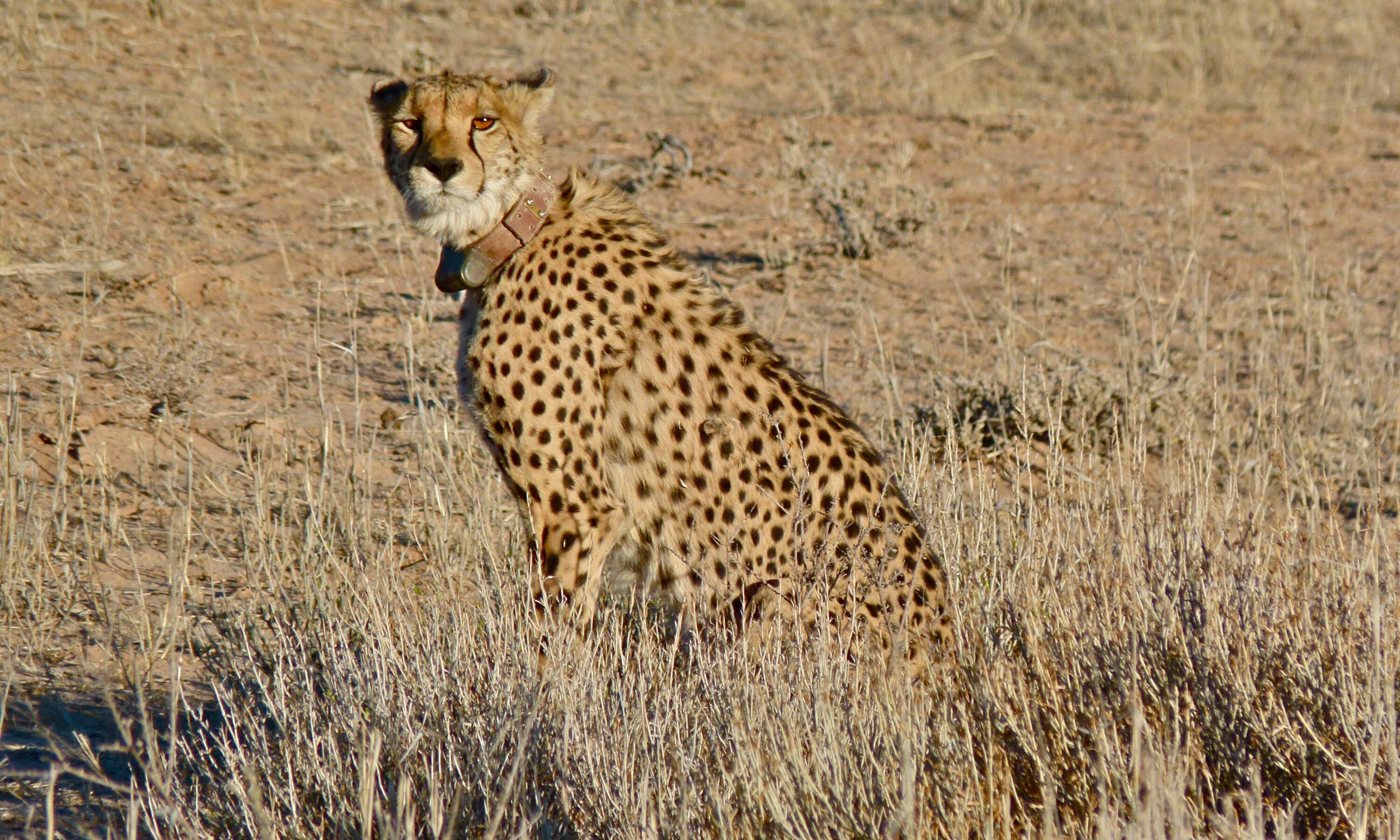
33 Descendants of Phased-Release Cheetahs Reached Independence in South Africa
Twelve captive-origin cheetahs were phased into seven fenced reserves in South Africa. Their ranging and habitat use stabilised…
Read story →SPECIES IN THIS STORY
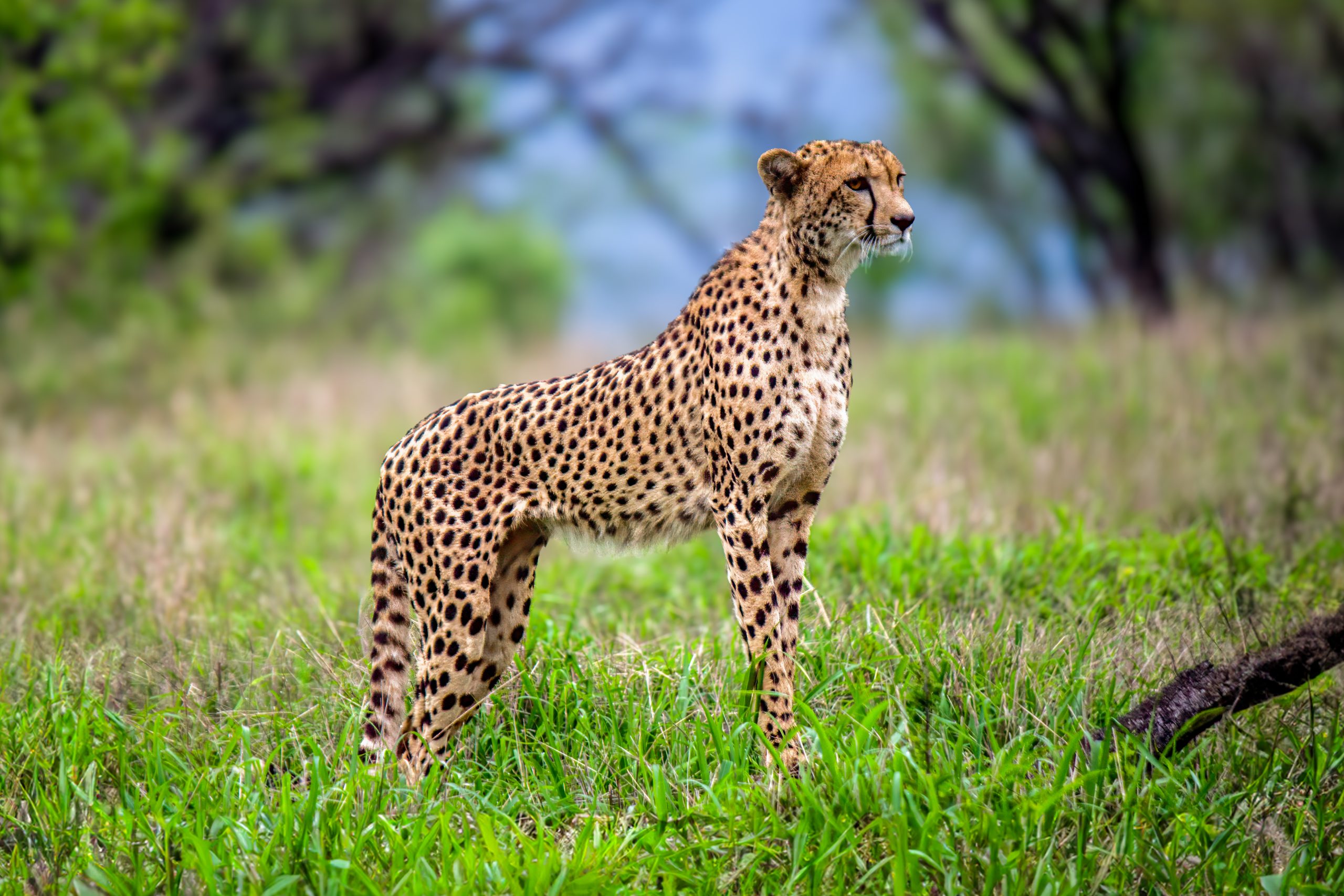
Species in this story
Independent research and conservation news archive
Did you find this information useful?
Wildlife Vagabond is independently built and maintained. Voluntary support helps cover source verification, hosting and continued work on research and conservation news.
Support Wildlife VagabondThe news archive will remain freely available.