
Six Cheetahs Return to Zambia’s Luangwa Landscape After Nearly 30 Years
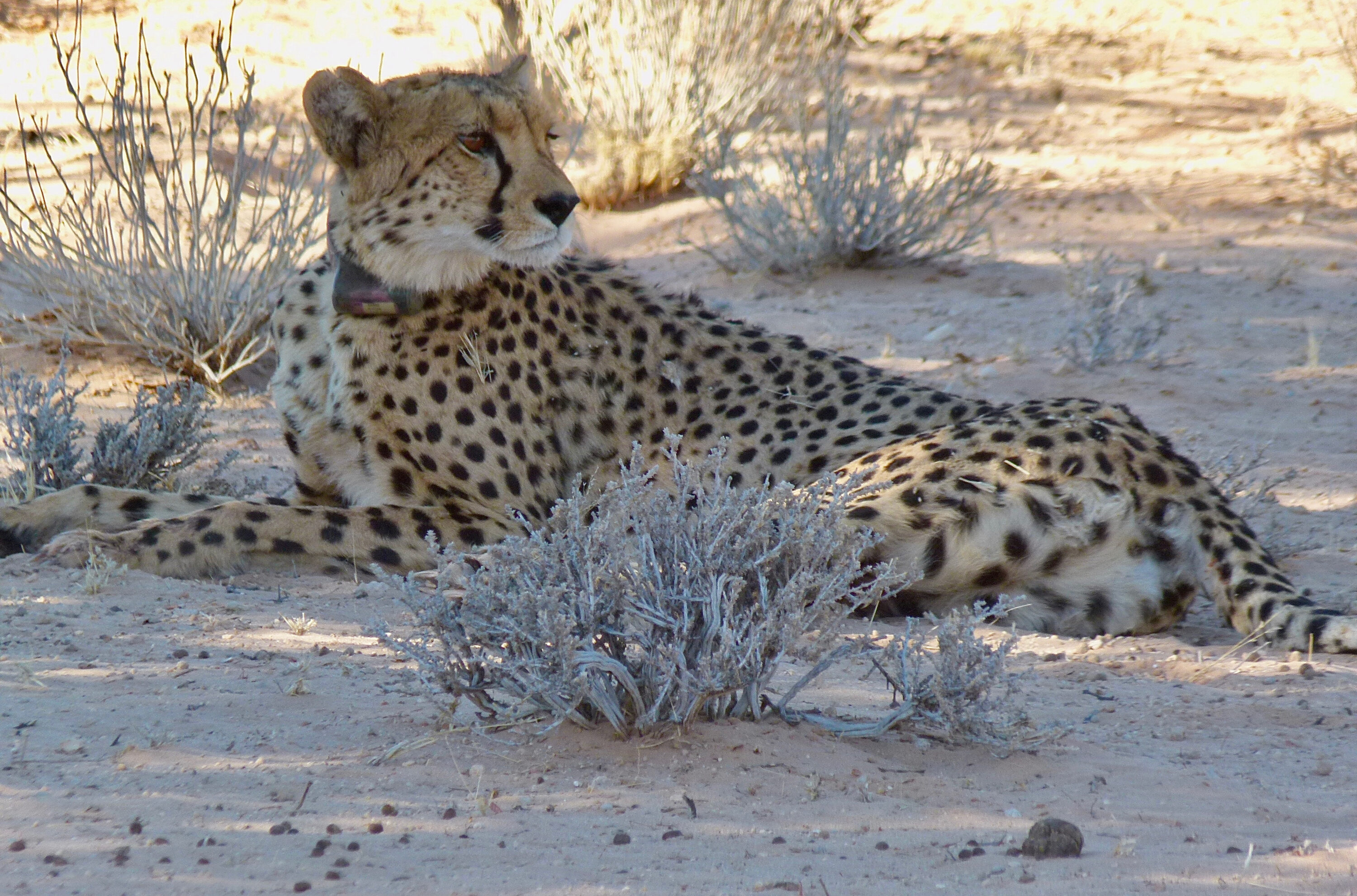
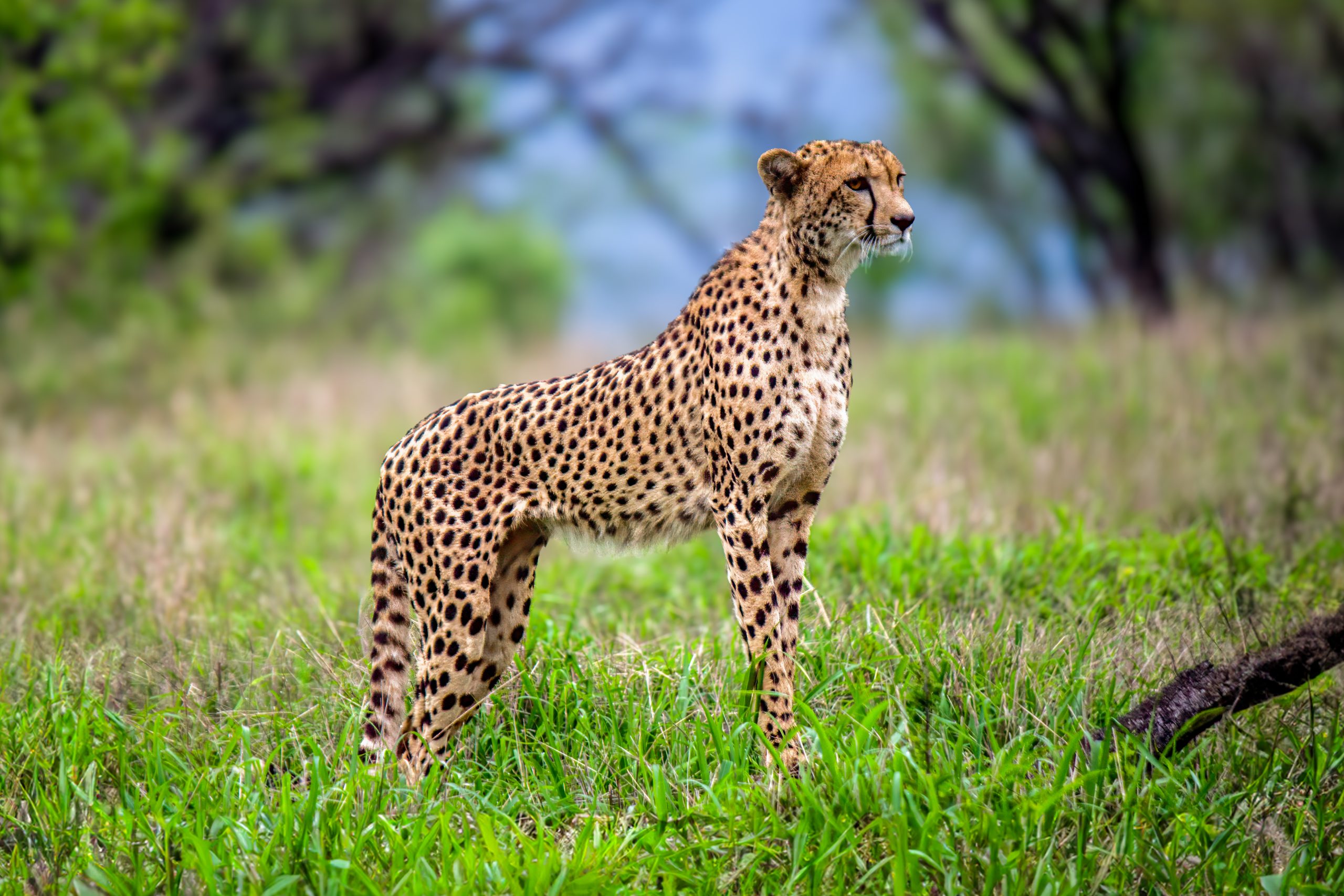
Six cheetahs (Acinonyx jubatus) have been returned to the Greater Luangwa Ecosystem in Zambia, beginning a programme to restore the species to a landscape where it had been absent for almost three decades. The Zambian Ministry of Tourism announced the successful translocation in July 2026 after more than ten years of ecological assessment and planning.
The founder group consists of three males and three females sourced from selected protected reserves in South Africa. The males include a coalition of two brothers and one solitary male, while the females include two sisters and one solitary female. The animals underwent veterinary checks before being flown to Zambia and transported to a prepared release site in the southern part of North Luangwa National Park.
The six cheetahs are entering a staged soft-release process
This is not an immediate release into the wider landscape. The cheetahs are going through a staged soft-release process. They first spend time in acclimatisation enclosures, where they can recover from transport and become familiar with their surroundings. Selected animals will then move into a fenced 20-square-kilometre sanctuary before eventual release into the wider ecosystem.
Satellite collars support close monitoring during establishment
All six cheetahs have been fitted with satellite tracking collars. A team of eight specially trained Zambian monitors, supported by veterinarians and conservation specialists, will follow the animals closely during the establishment phase. Monitoring is intended to reveal how well they adapt, whether they survive and establish territories, and whether problems such as disease or conflict emerge early enough for managers to respond.
The Greater Luangwa Ecosystem covers a vast connected landscape including North Luangwa and South Luangwa national parks and surrounding Game Management Areas. Its size, prey base and connectivity were central reasons for selecting the region for the restoration programme.
The six animals are the first phase of a longer-term programme to restore a self-sustaining cheetah population in the Greater Luangwa Ecosystem. The project uses phased acclimatisation, satellite tracking and continued monitoring, with further introductions planned to strengthen the founding population.
Reintroductions & translocations
Related news
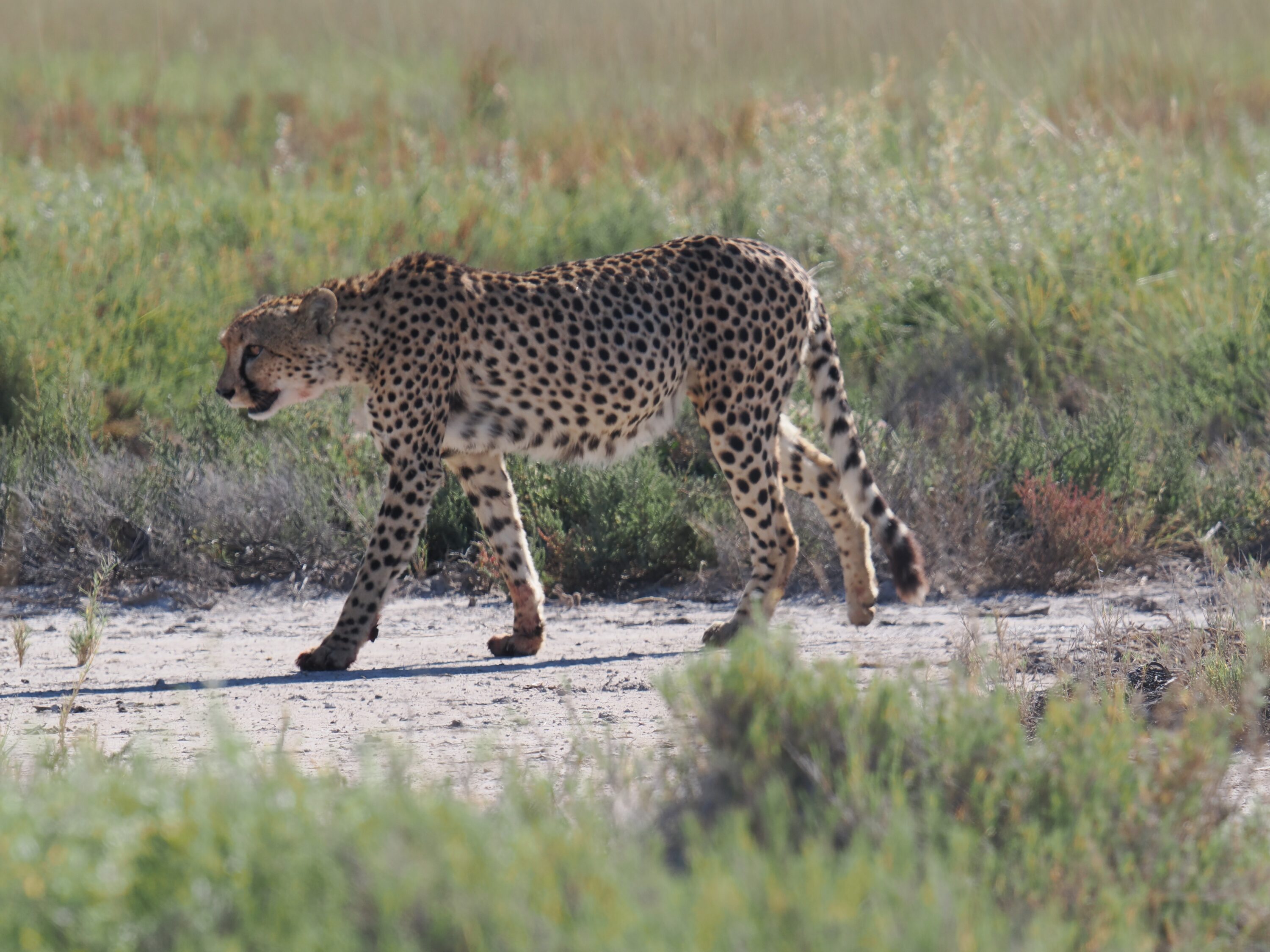
India’s Cheetah Project Sparked Debate Over Deaths, Transparency and Whose Expertise Counted
A review of 28 documents about Project Cheetah in India found sharply different accounts of its conservation goals,…
Read story →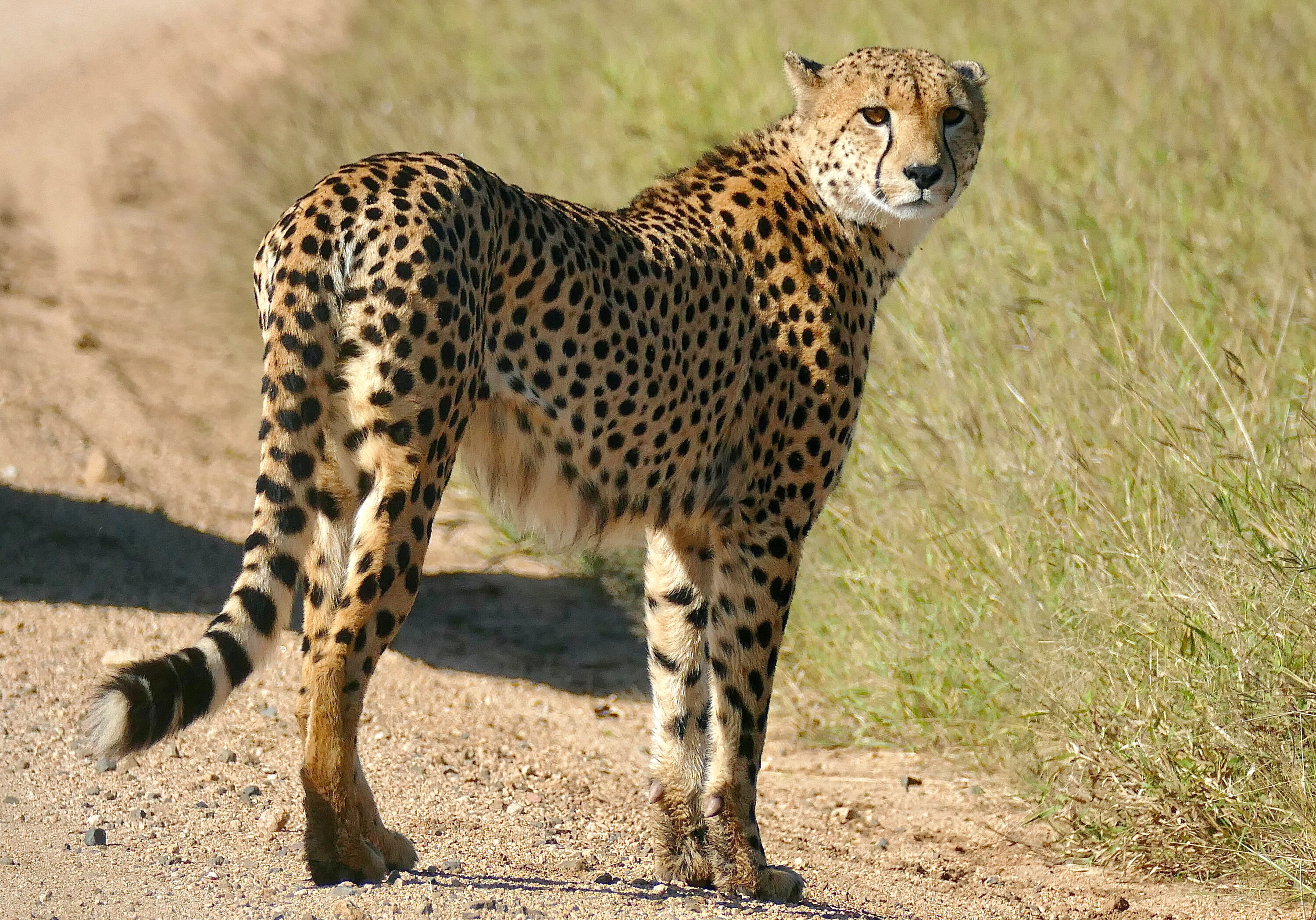
DNA Methylation Shifted as Namibian Male Cheetahs Became Territorial
Paired blood samples from ten free-ranging Namibian males revealed widespread, predominantly increased DNA methylation after the same cheetahs…
Read story →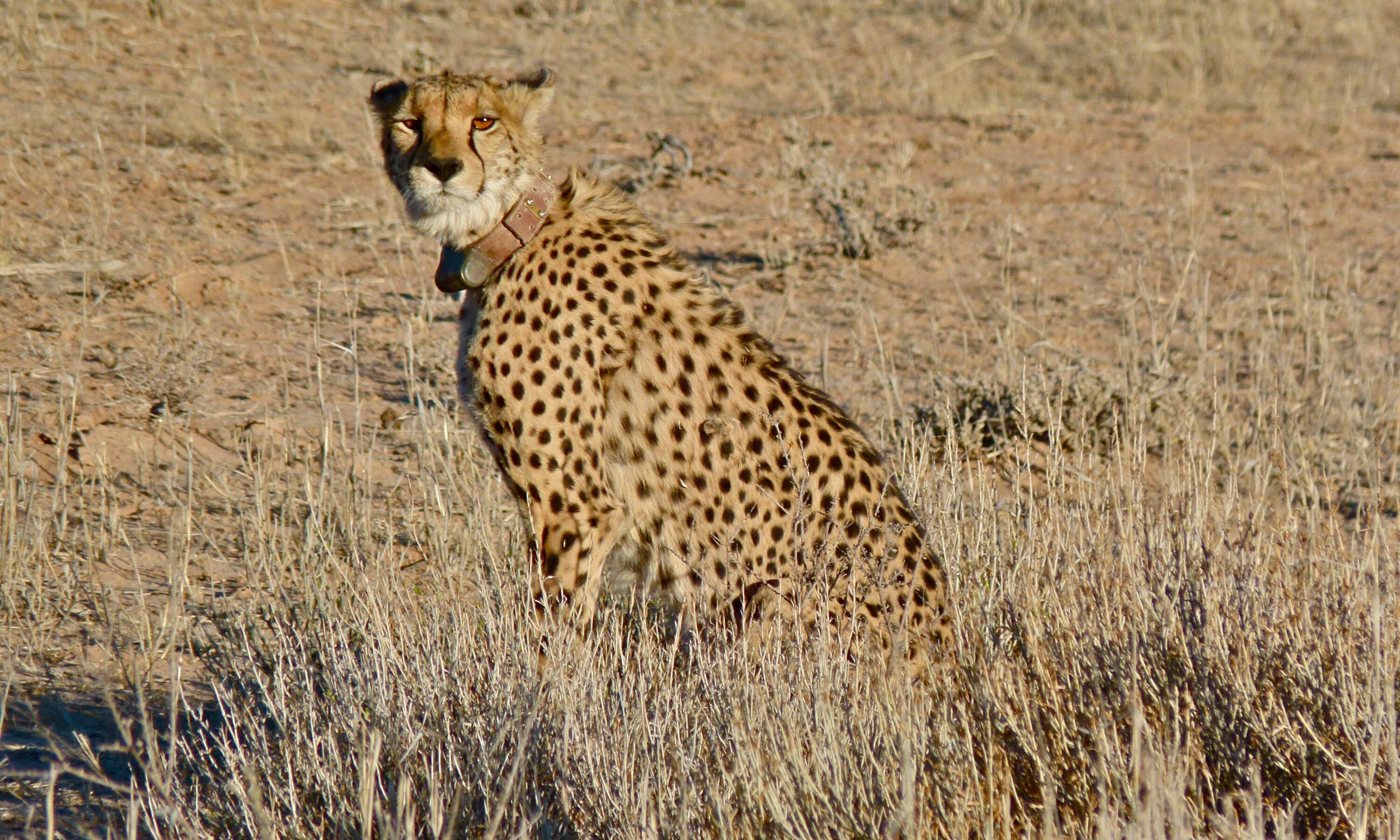
33 Descendants of Phased-Release Cheetahs Reached Independence in South Africa
Twelve captive-origin cheetahs were phased into seven fenced reserves in South Africa. Their ranging and habitat use stabilised…
Read story →SPECIES IN THIS STORY
Species in this story
Independent research and conservation news archive
Did you find this information useful?
Wildlife Vagabond is independently built and maintained. Voluntary support helps cover source verification, hosting and continued work on research and conservation news.
Support Wildlife VagabondThe news archive will remain freely available.