
No Chital Carcasses Were in Good Marrow Condition During the Monsoon in Kanha
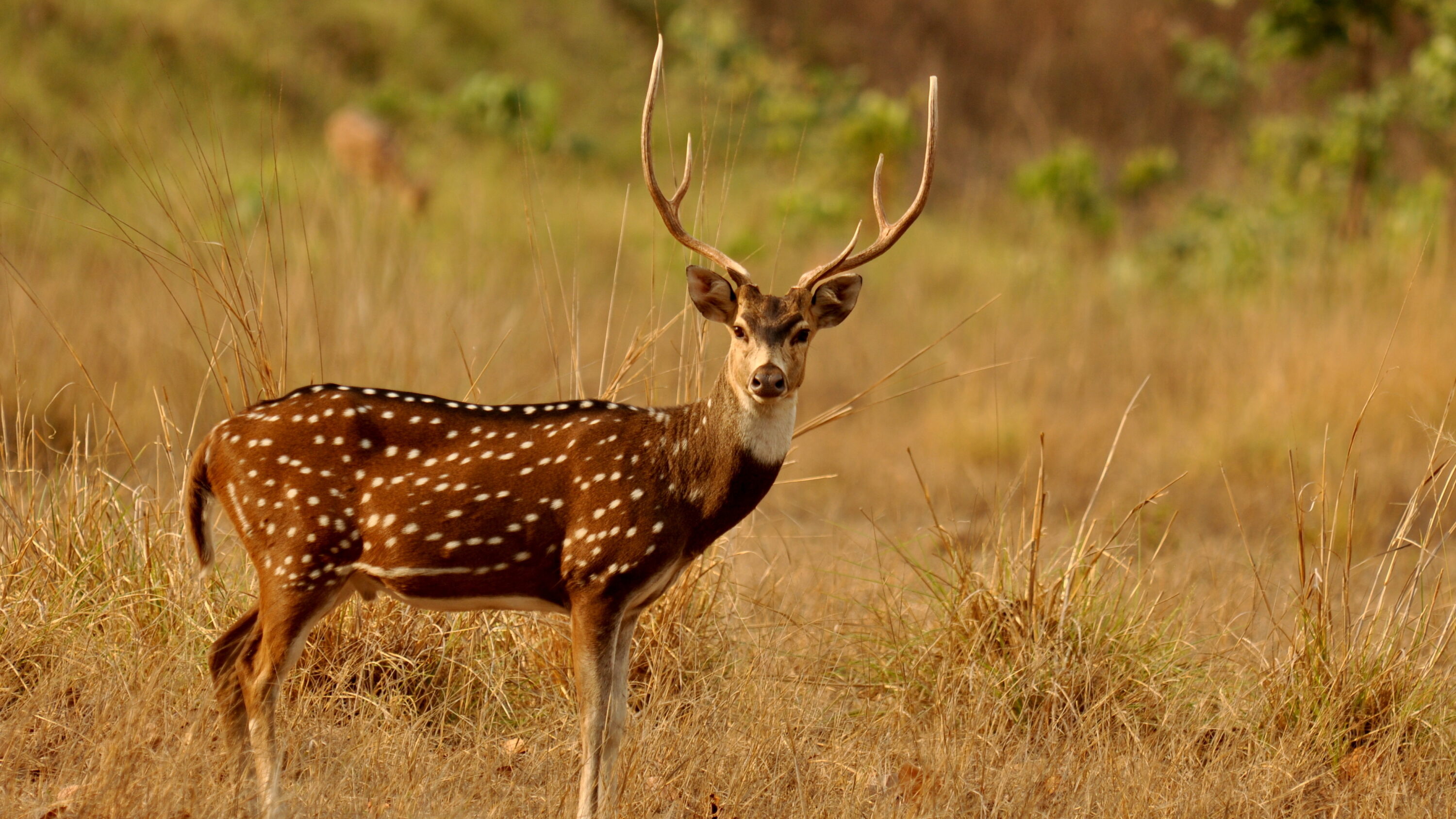
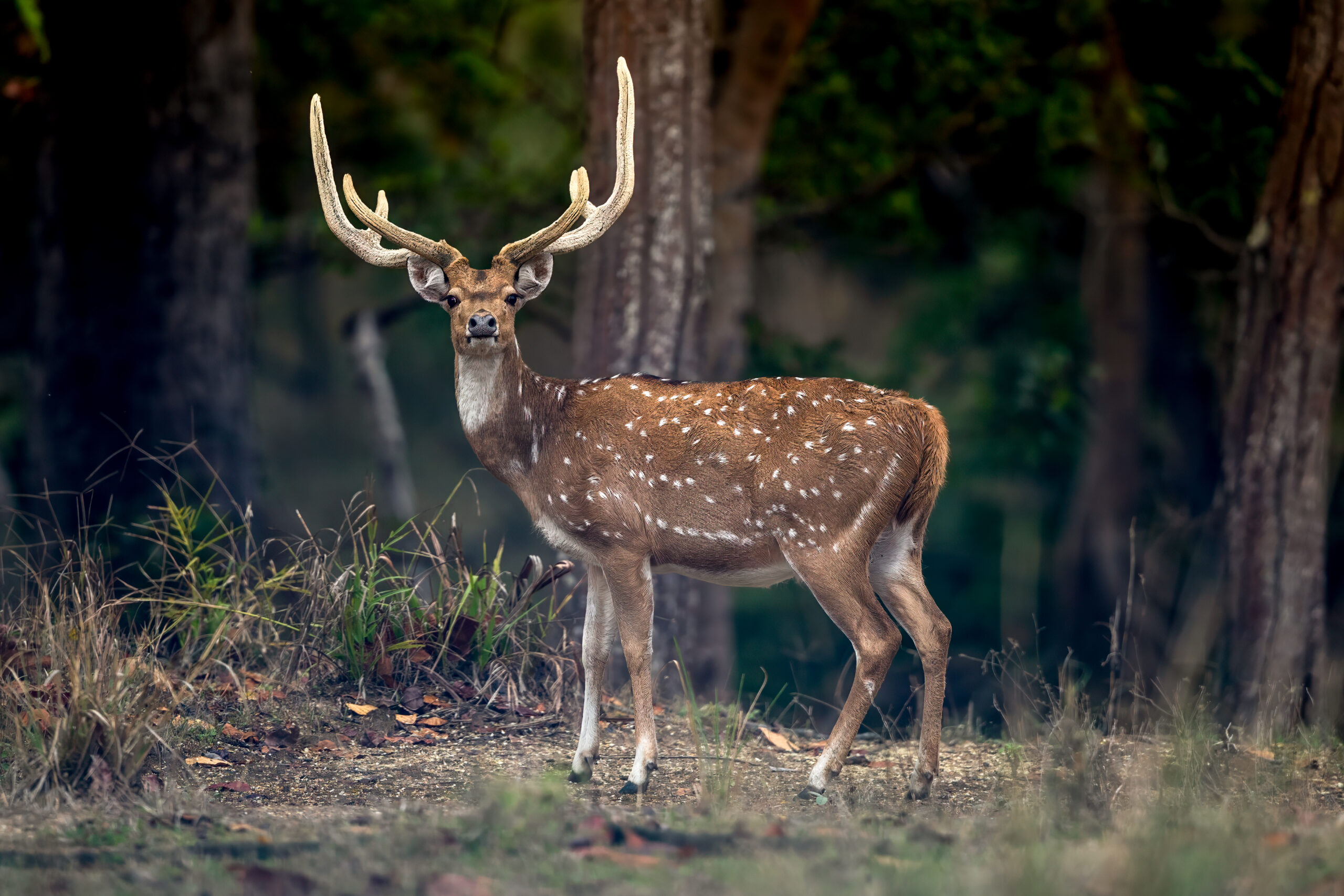
A study of predator-killed chital (Axis axis) in Kanha Tiger Reserve, India found marked seasonal variation in bone marrow condition. Researchers examined 52 fresh carcasses and recorded no individuals in the good-condition category during the monsoon.
Bone marrow fat is one of the last energy reserves used when an animal loses body fat, so the condition of marrow in the femur can provide a rapid indication of nutritional condition at death. The study included 27 males and 25 females found through routine patrol and field-monitoring records.
Most carcasses had medium or good marrow condition overall
Across all seasons, 40.4% of the examined chital had bone marrow classified as good, 46.2% as medium and 13.5% as poor. The researchers found no clear difference between males and females.
Seasonal differences were more pronounced. No monsoon carcass fell into the good category, whereas good-condition marrow was recorded in both summer and winter. The authors suggest that this pattern may reflect delayed replenishment of fat reserves after the nutritional stress of the dry summer, even though vegetation and water availability begin to improve with the monsoon.
The authors treat the seasonal pattern as exploratory
The researchers stress that only seven carcasses were available during the monsoon. They therefore describe the seasonal pattern as exploratory rather than confirmatory. Because the sample consisted of animals killed by predators, it may also be biased toward individuals in poorer condition.
Physiology
Related news
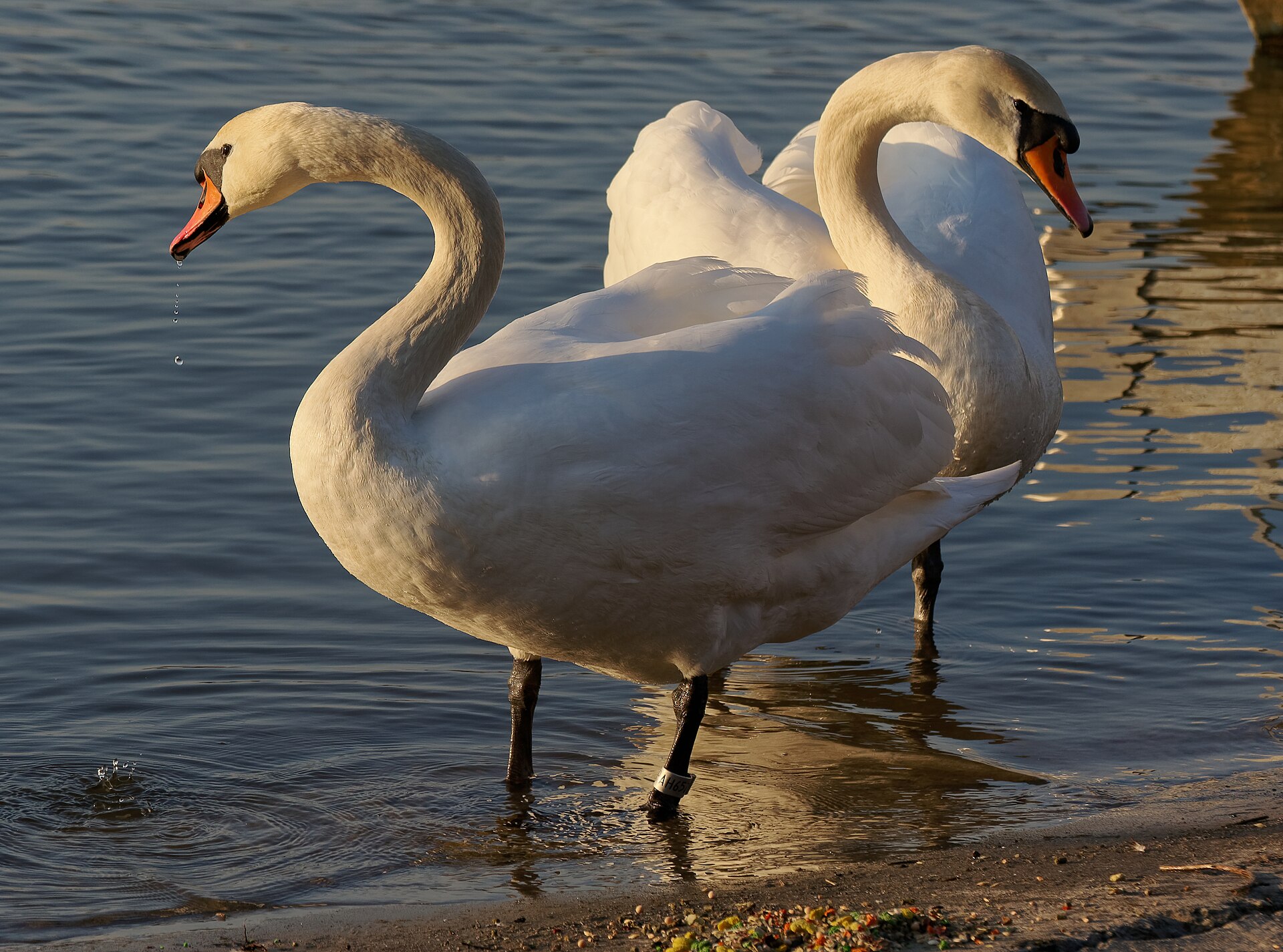
Inland Mute Swans Had Higher Winter Body Condition Despite Harsher Winters and Supplemental Feeding
A study of 853 mute swans from four Polish wintering regions found higher body condition inland than on…
Read story →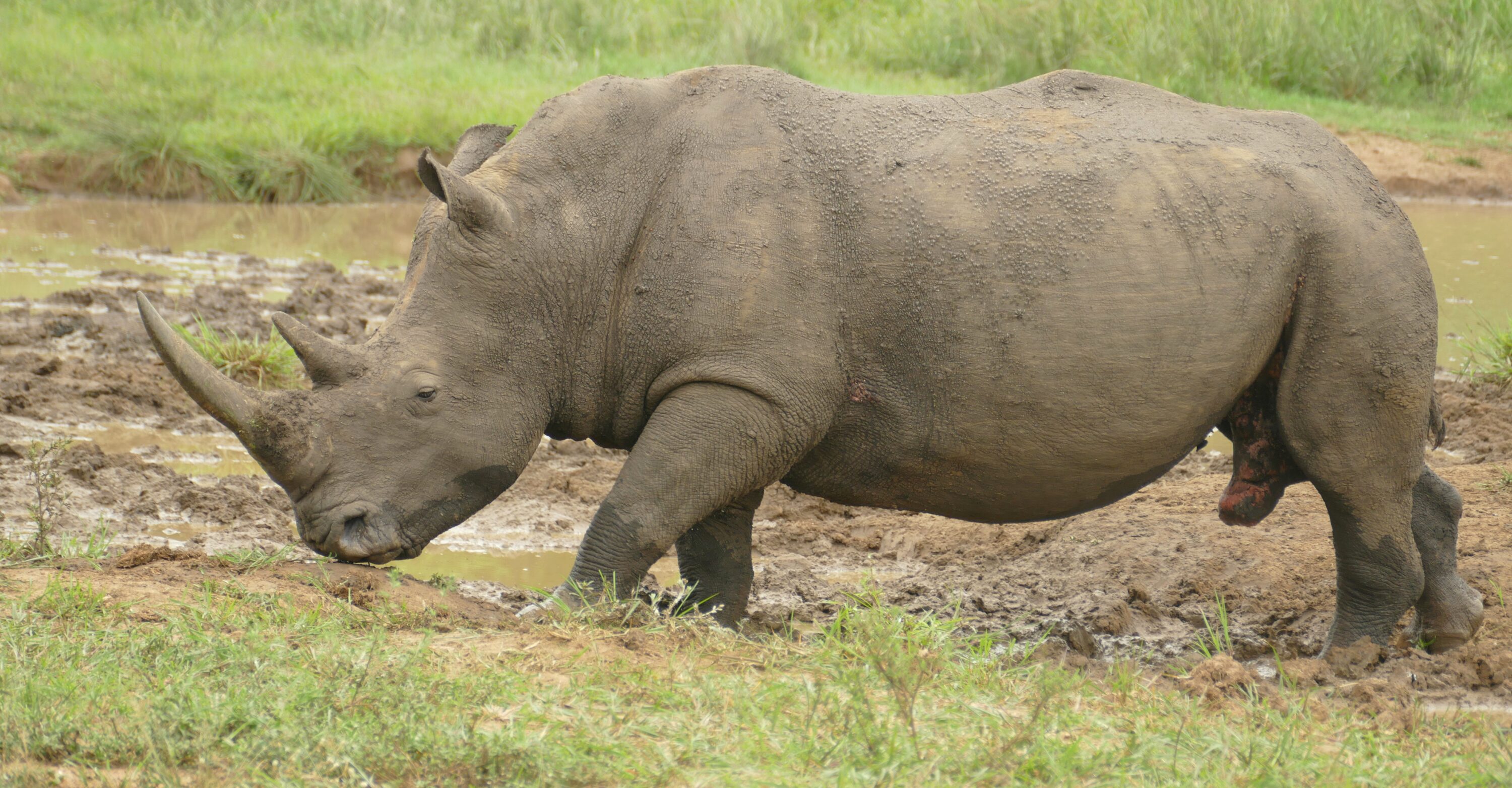
pH-Adjusted Hill Equation Reliably Estimated Blood Oxygen Saturation From 70–100% in Immobilised White Rhinos
A South African study of 16 immobilised male white rhinos in Kruger National Park found that a pH-adjusted…
Read story →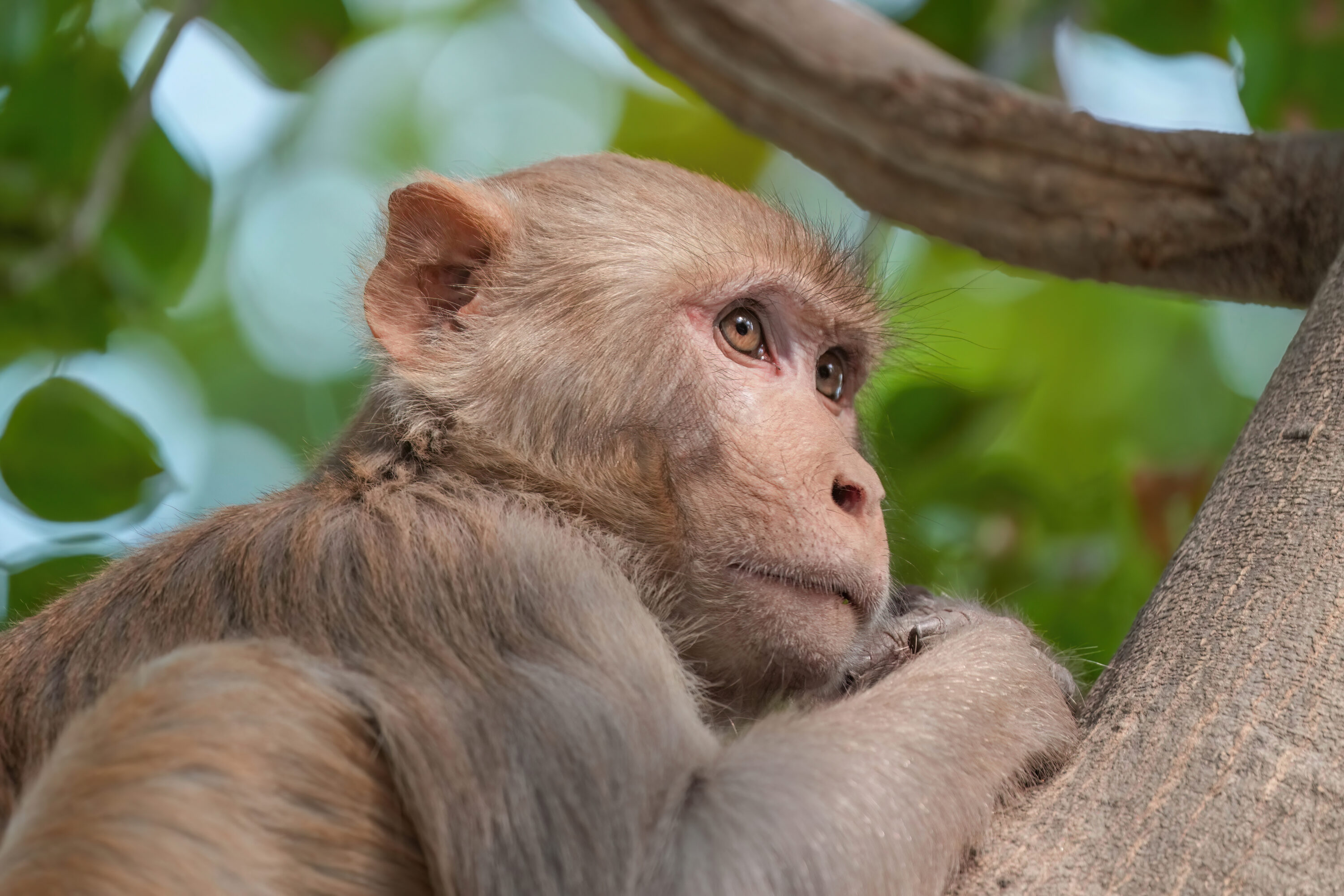
Task Uncertainty Increased Interference From Irrelevant Visual Information in Rhesus Macaque Decisions
Two rhesus macaques made less accurate visual decisions under task uncertainty; recordings and microstimulation in primary visual cortex…
Read story →SPECIES IN THIS STORY
Species in this story
Independent research and conservation news archive
Did you find this information useful?
Wildlife Vagabond is independently built and maintained. Voluntary support helps cover source verification, hosting and continued work on research and conservation news.
Support Wildlife VagabondThe news archive will remain freely available.