
Smoked Cigarette Filters Raised Haemoglobin and Haematocrit in Eurasian Blue Tit Chicks but Parasite Reductions Were Weak
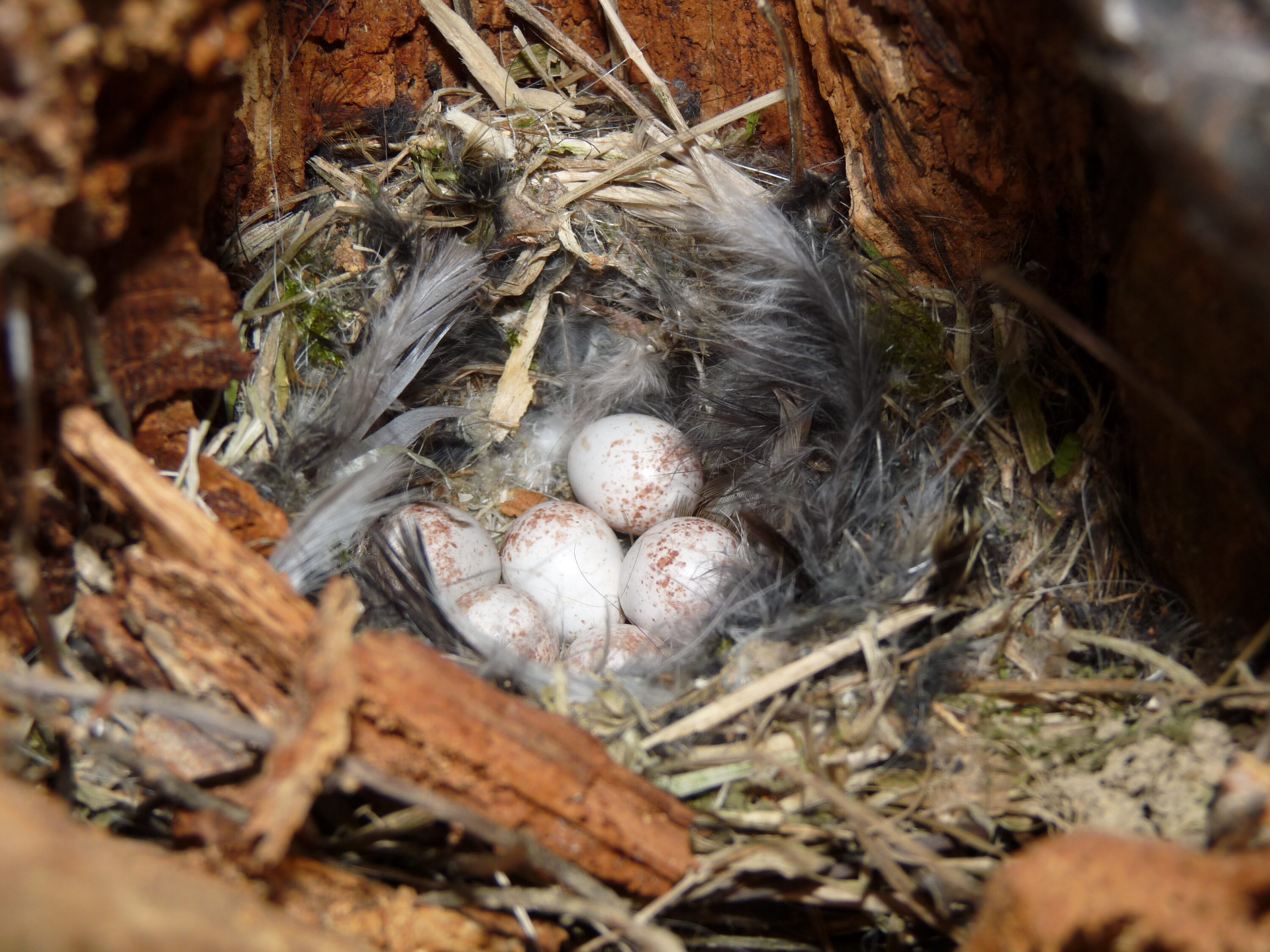
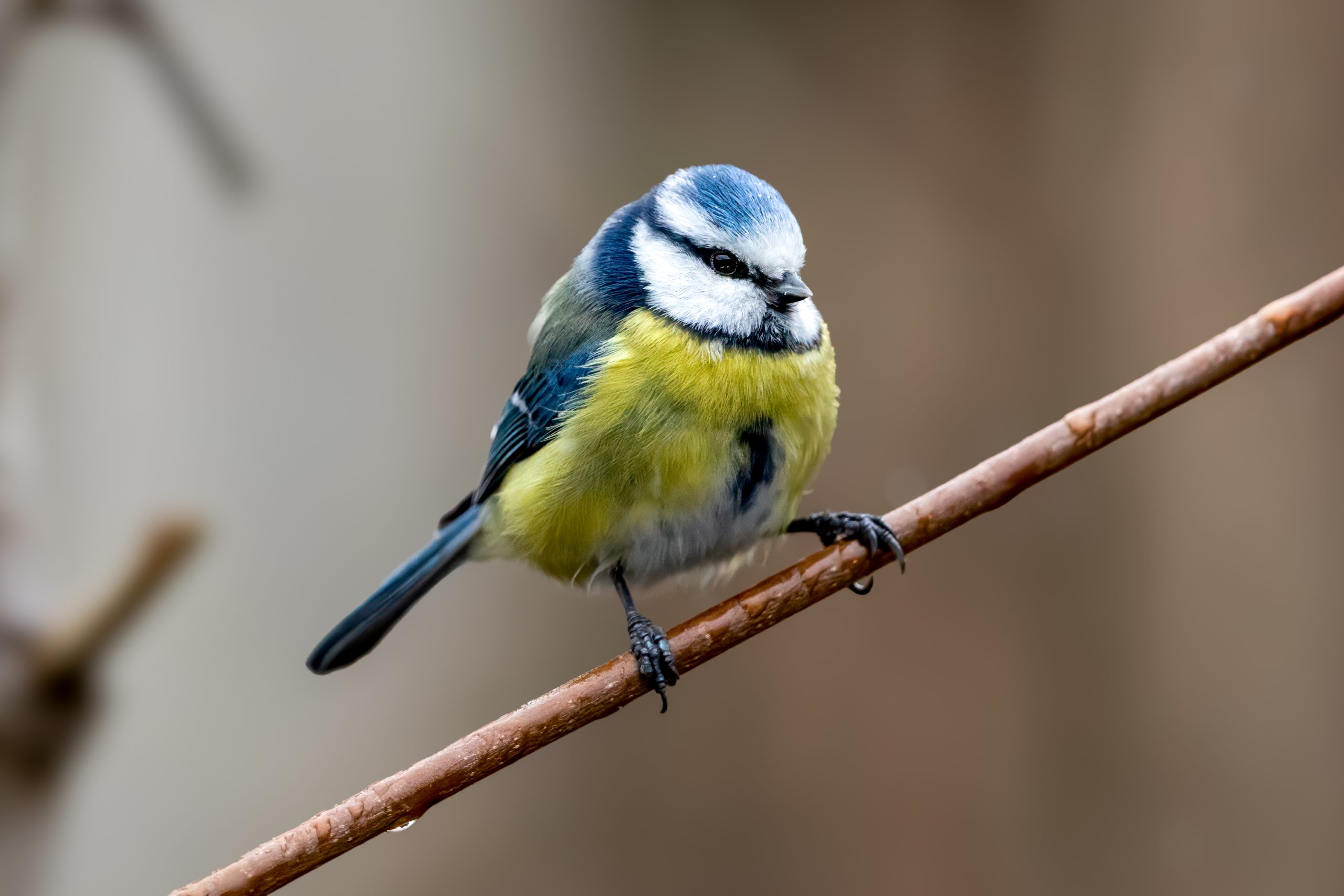
Smoked cigarette filters placed in Eurasian blue tit (Cyanistes caeruleus) nests raised two blood measures linked to nestling physiological condition, while their effect on nest ectoparasites was much weaker. The experiment, published in 2026, compared smoked filters with both unsmoked-filter controls and a much more radical treatment in which natural nest material was replaced with a sterilised artificial nest.
The researchers worked with 33 broods at two long-term study sites around Łódź in central Poland during spring 2024. Eleven nests received two smoked cigarette filters on days 5 and 10 after hatching, 11 control nests received two unsmoked filters at the same times, and 11 natural nests were replaced with sterilised artificial nests made from moss and cotton wool. All chicks were handled on the same schedule, and blood was collected from 99 nestlings at 13 days old.
The unsmoked filters are an important control. They help separate the effects of having filter material in the nest from effects associated with compounds deposited during smoking. Cigarette filters can contain nicotine and many other chemicals, but the experiment did not measure which compounds were present in the treated nests or identify a single substance responsible for the biological responses.
Haemoglobin and haematocrit increased
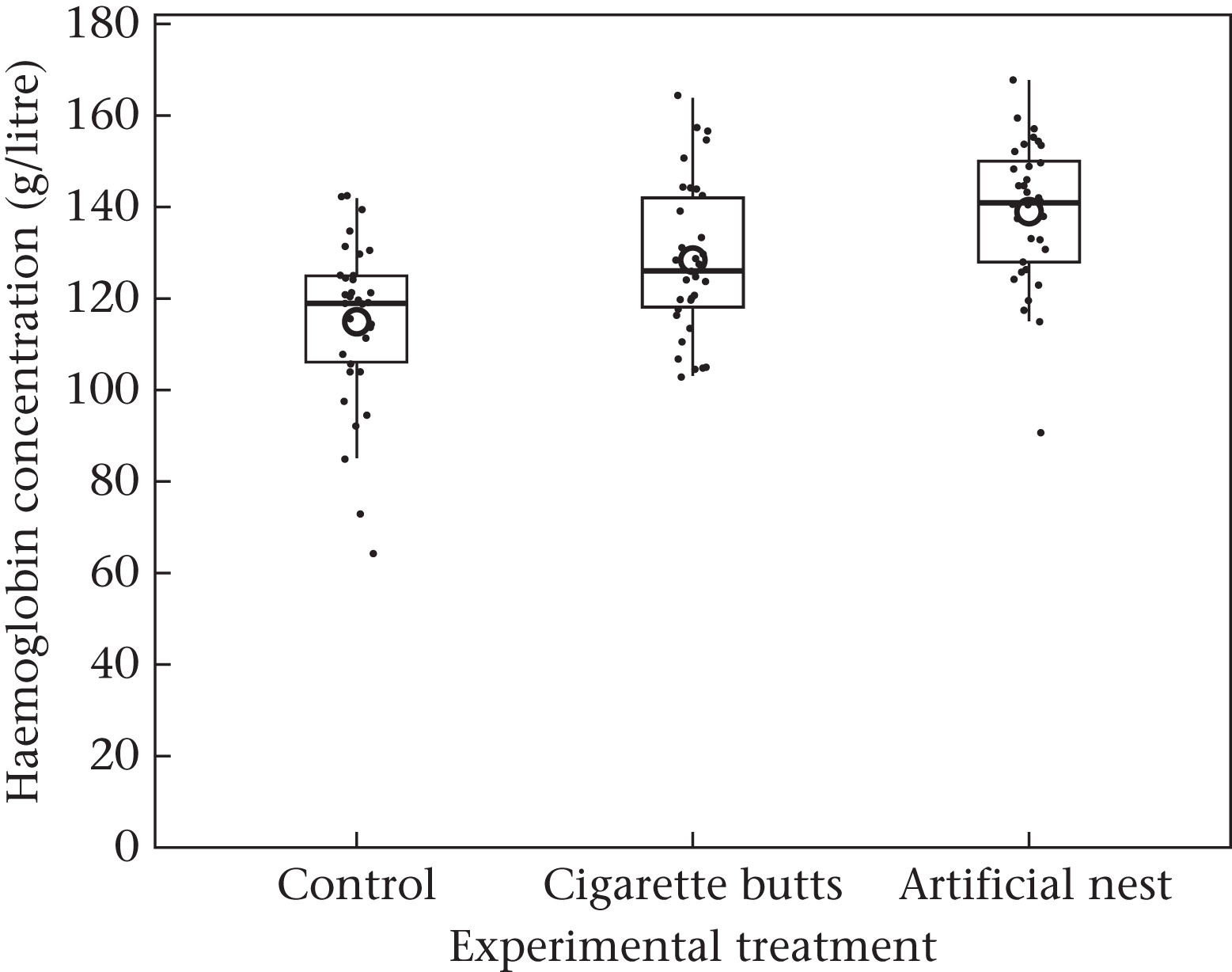
Nestlings from both the smoked-filter treatment and the sterilised artificial nests had higher haemoglobin and haematocrit than chicks in the control nests. Haemoglobin is the oxygen-carrying protein in red blood cells, while haematocrit is the proportion of total blood volume occupied by red blood cells. The authors use both as indicators of physiological condition; lower values can accompany anaemia and blood loss caused by nest parasites.
In the cigarette-filter group, haematocrit was on average about 3.8 percentage points higher than in controls. The researchers interpret the higher haemoglobin and haematocrit as an improved blood profile and a potential short-term benefit for nestlings, including greater oxygen-carrying capacity. Blood glucose did not differ among treatments. Wing length was greater in chicks from the sterilised artificial nests than in controls, whereas chicks in nests with smoked filters had similar wing lengths to controls.
The antiparasitic effect was much weaker
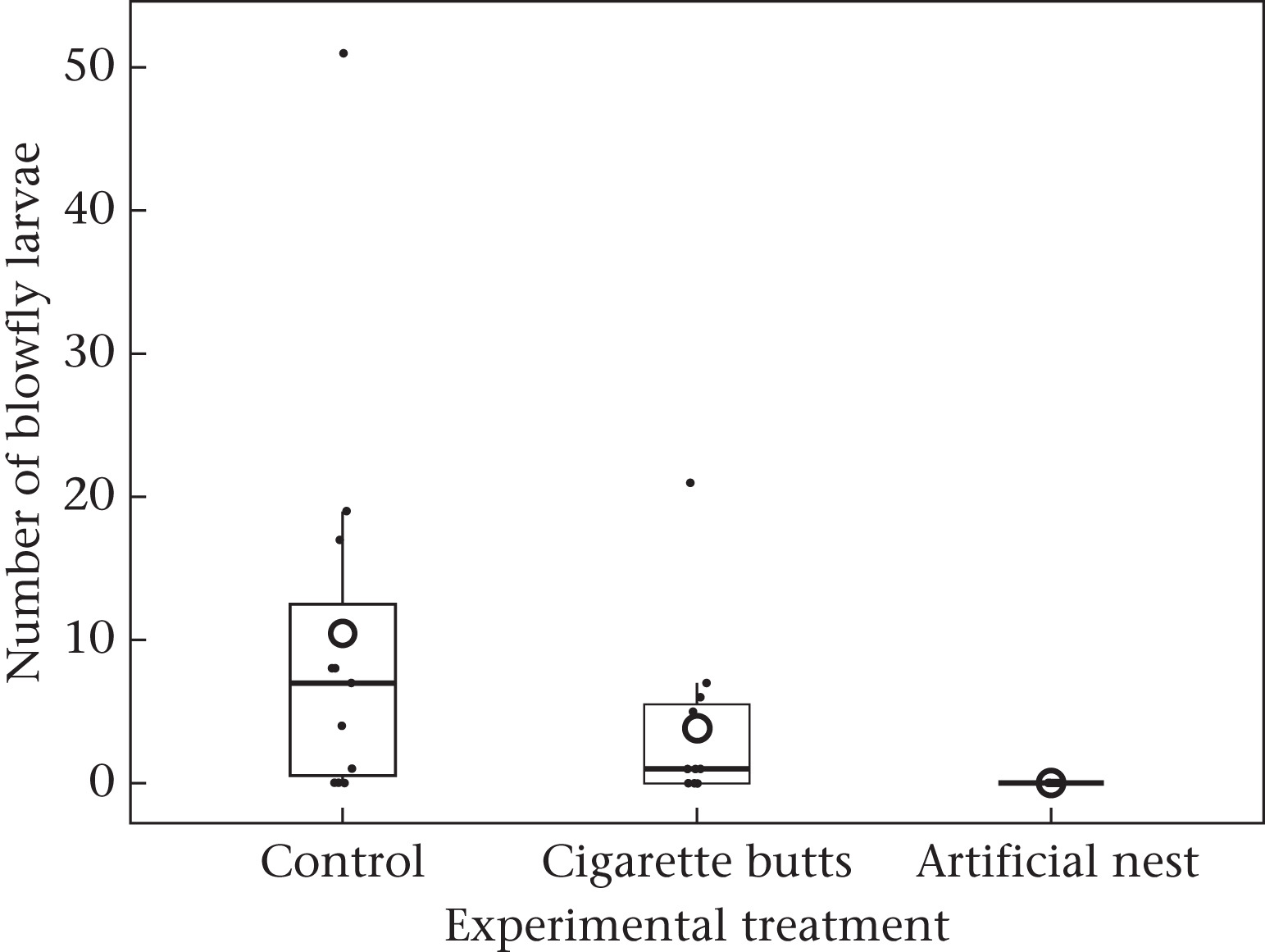
Ectoparasites were most numerous in natural control nests, somewhat less abundant in nests with smoked filters and nearly absent from the sterilised artificial nests. The strongest antiparasitic effect therefore came from replacing the nest material itself rather than from adding cigarette filters.
Flea numbers were similar in control nests and nests with smoked filters. Blowfly larvae were less numerous with smoked filters, but the evidence for that reduction was weak. The experiment therefore provides much weaker evidence for a direct chemical antiparasitic effect from the smoked filters than for the change in chick blood measures.
The authors discuss cigarette butts as a possible opportunistic form of nest modification that can resemble the use of aromatic plants, but they are cautious about calling it an adaptation. The experiment showed what happened when smoked filters were added; it did not test whether blue tits deliberately collect cigarette waste for self-medication. Cigarette butts also contain potentially harmful substances, so a possible functional benefit does not make the material harmless.
The results therefore show a clear change in the nestlings’ blood profile even though the measurable reduction in ectoparasites was weak. The mechanism linking the smoked filters to haemoglobin and haematocrit remains unresolved, and the study cannot distinguish deliberate collection for a functional purpose from incidental use of cigarette waste.
Disease, parasites & microbiology
Related news
Inland Mute Swans Had Higher Winter Body Condition Despite Harsher Winters and Supplemental Feeding
A study of 853 mute swans from four Polish wintering regions found higher body condition inland than on…
Read story →
Gut Microbiomes Across Nine Kruger Mammals Clustered More Strongly by Dietary Group Than Species
A study of 89 quality-filtered faecal samples from nine wild mammals in Kruger National Park found that carnivores,…
Read story →
pH-Adjusted Hill Equation Reliably Estimated Blood Oxygen Saturation From 70–100% in Immobilised White Rhinos
A South African study of 16 immobilised male white rhinos in Kruger National Park found that a pH-adjusted…
Read story →SPECIES IN THIS STORY
Species in this story
Independent research and conservation news archive
Did you find this information useful?
Wildlife Vagabond is independently built and maintained. Voluntary support helps cover source verification, hosting and continued work on research and conservation news.
Support Wildlife VagabondThe news archive will remain freely available.