
Coal Tits Responded More Strongly to Strangers; Green-backed Tits Showed No Clear Neighbour–Stranger Difference
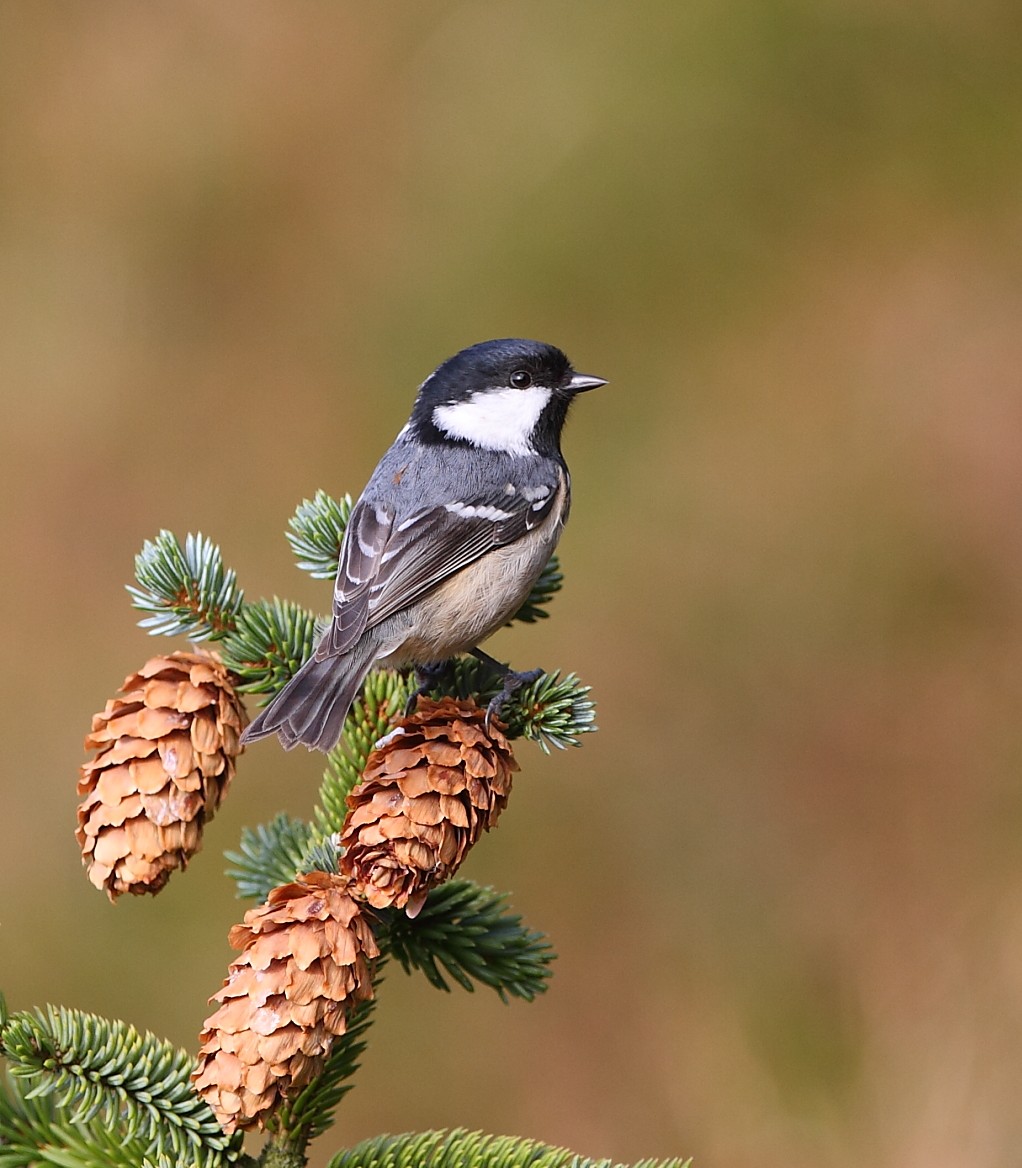
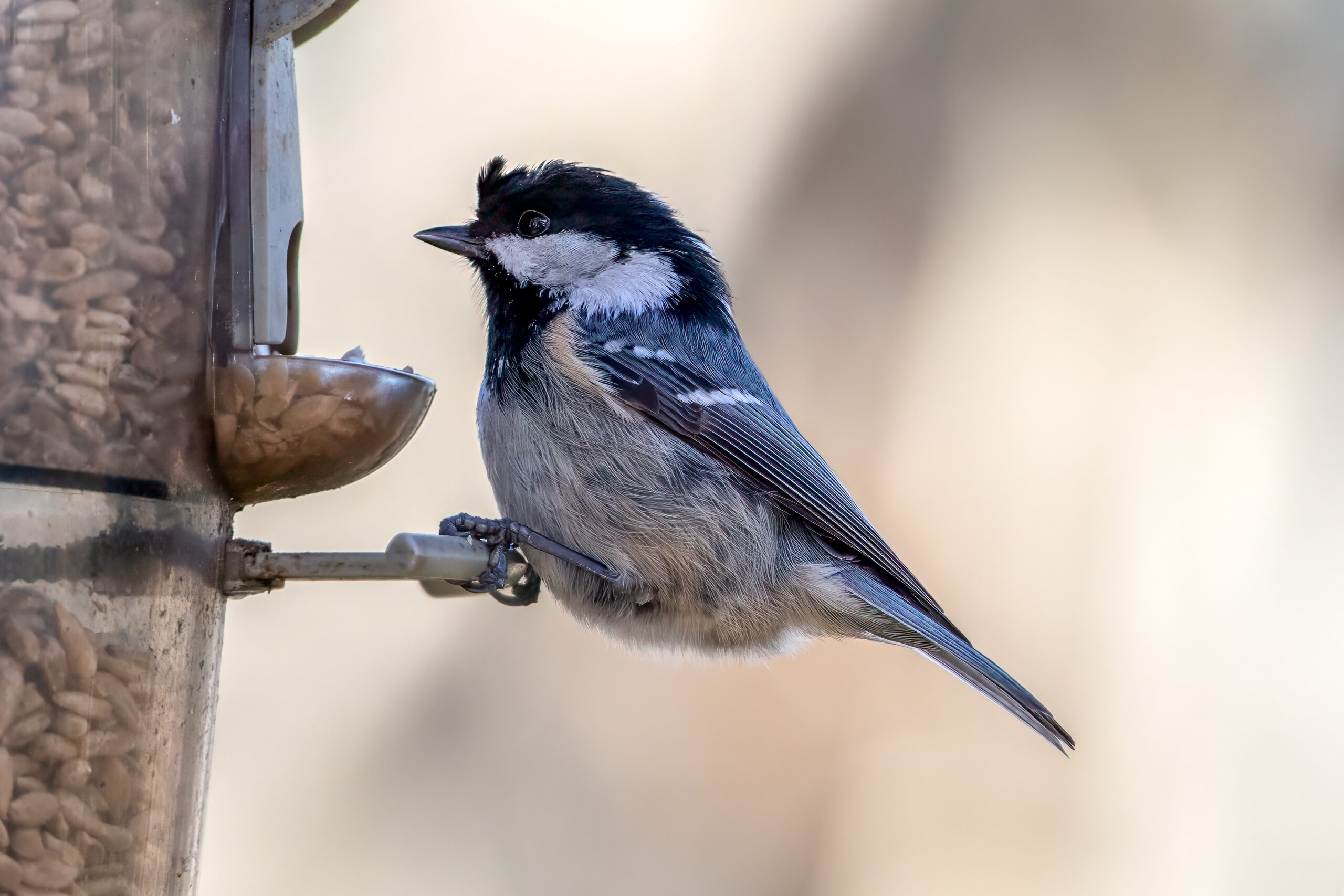
A playback study at Liupanshan National Nature Reserve in Ningxia, northwestern China, compared neighbour–stranger discrimination in two closely related species with very different song systems. Coal tits (Periparus ater) have relatively complex repertoires, while green-backed tits (Parus monticolus) produce much simpler, more stereotyped songs.
During the 2024 breeding season, researchers recorded territorial songs and then played familiar-neighbour and unfamiliar-stranger songs to males at active nests. The experiment included 20 male coal tits and 23 male green-backed tits and asked whether differences in vocal complexity were accompanied by differences in territorial recognition.
Coal tit songs were more varied and individually distinctive
The researchers identified 19 song types in the coal tit population but only five in green-backed tits. Individual coal tits also used larger syllable repertoires, averaging 4.45 types per male compared with 1.95 in green-backed tits.
Coal tit males also differed more from one another acoustically, whereas green-backed tit songs were more similar among individuals. The authors argue that this greater vocal distinctiveness may provide more information that birds can use to recognize familiar neighbours.
Coal tits responded more strongly to strangers
Nineteen of 20 coal tits responded to stranger playback, compared with 16 of 20 during familiar-neighbour playback. Males also approached strangers more closely and made more flights near the nest. Together, the responses were consistent with the “dear enemy” effect, in which established neighbours are treated as less threatening than unfamiliar intruders.
Green-backed tits showed a very different pattern. Only six of 23 males responded to stranger playback and none responded to familiar-neighbour songs. Despite that numerical contrast, responses were too sparse to provide clear support for neighbour–stranger discrimination in this species.
Song complexity may help recognition, but it is not the whole explanation
The authors interpret the parallel differences in song structure and territorial behaviour as evidence that a larger, more individually distinctive vocal repertoire can facilitate neighbour recognition. They do not argue that repertoire size alone determines this ability: other birds with simple songs can distinguish individuals, and subtle acoustic differences within a song type may also carry identity information.
The very low responsiveness of green-backed tits remains an important uncertainty. The experiment lacked a separate positive-control stimulus that could confirm that all males were territorially motivated when tested. The authors therefore cannot rule out that temporary motivation contributed to the weak responses as well as limited vocal discrimination.
Within those limits, the study found a clear dear-enemy response in coal tits but not in green-backed tits. The main biological result is that the species with more individually distinctive songs also showed clearer neighbour–stranger discrimination.
Behaviour
Related news
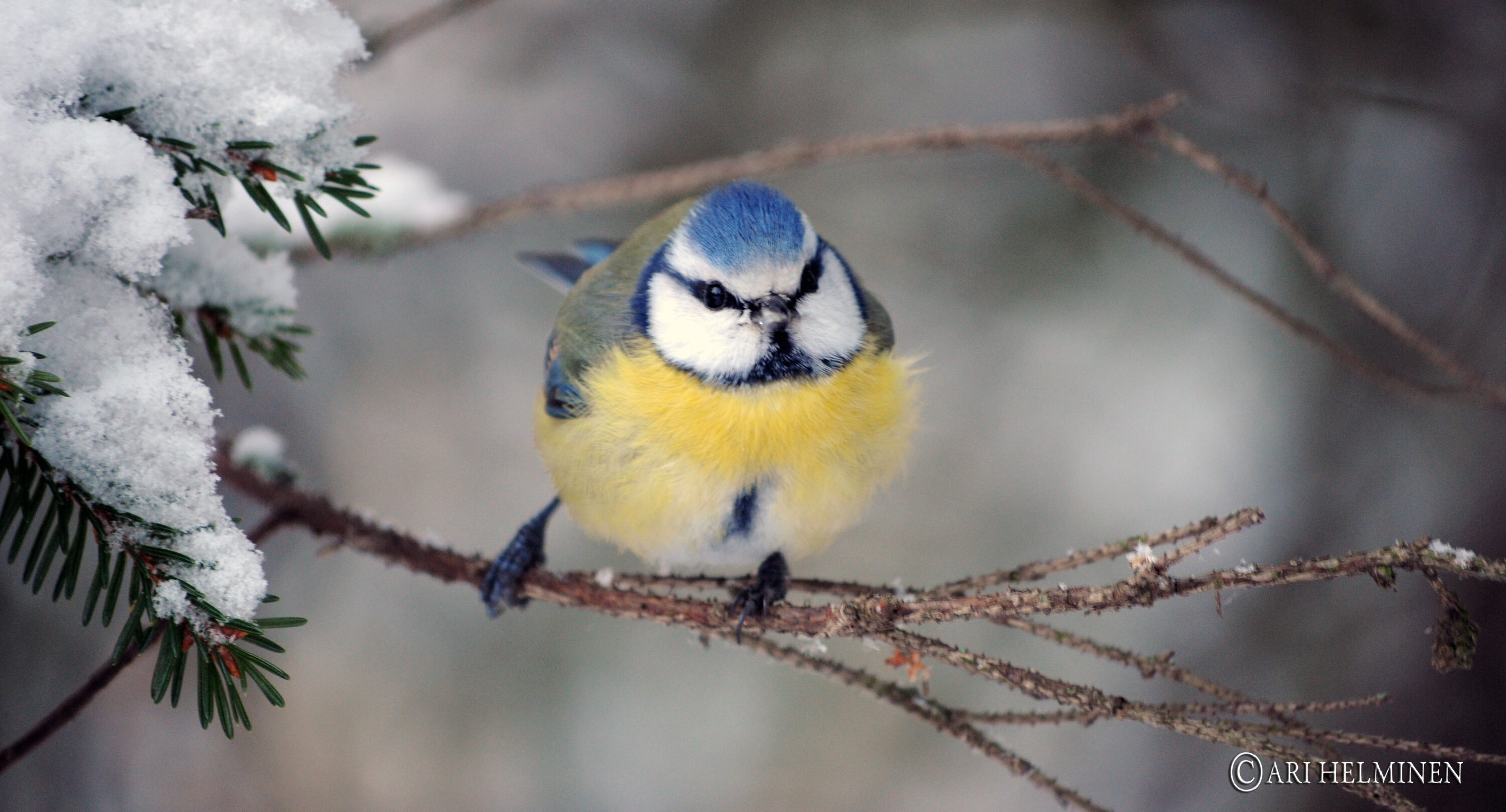
Mean Eurasian Blue Tit Winter Count Rose Fourfold in Finnish Urban Survey Plots
Across 31 Finnish settlements, mean Eurasian blue tit counts rose from 2.8 birds per standardised urban plot in…
Read story →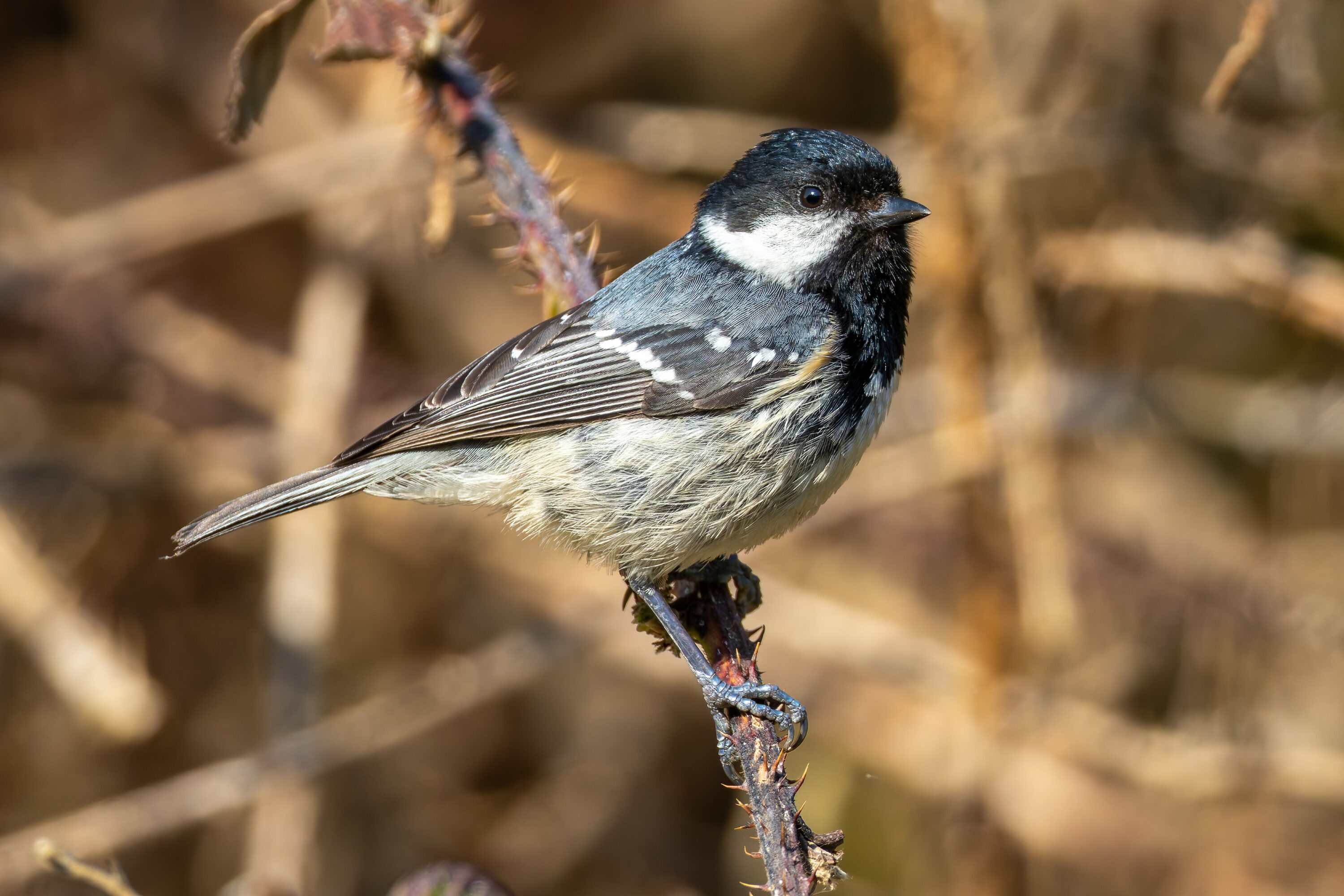
Coal Tit Abundance Rose With Dense Canopy While Stock Dove Increased With Forest Maturity
Black Forest models linked coal tit abundance positively to canopy cover and negatively to broadleaf share, while stock…
Read story →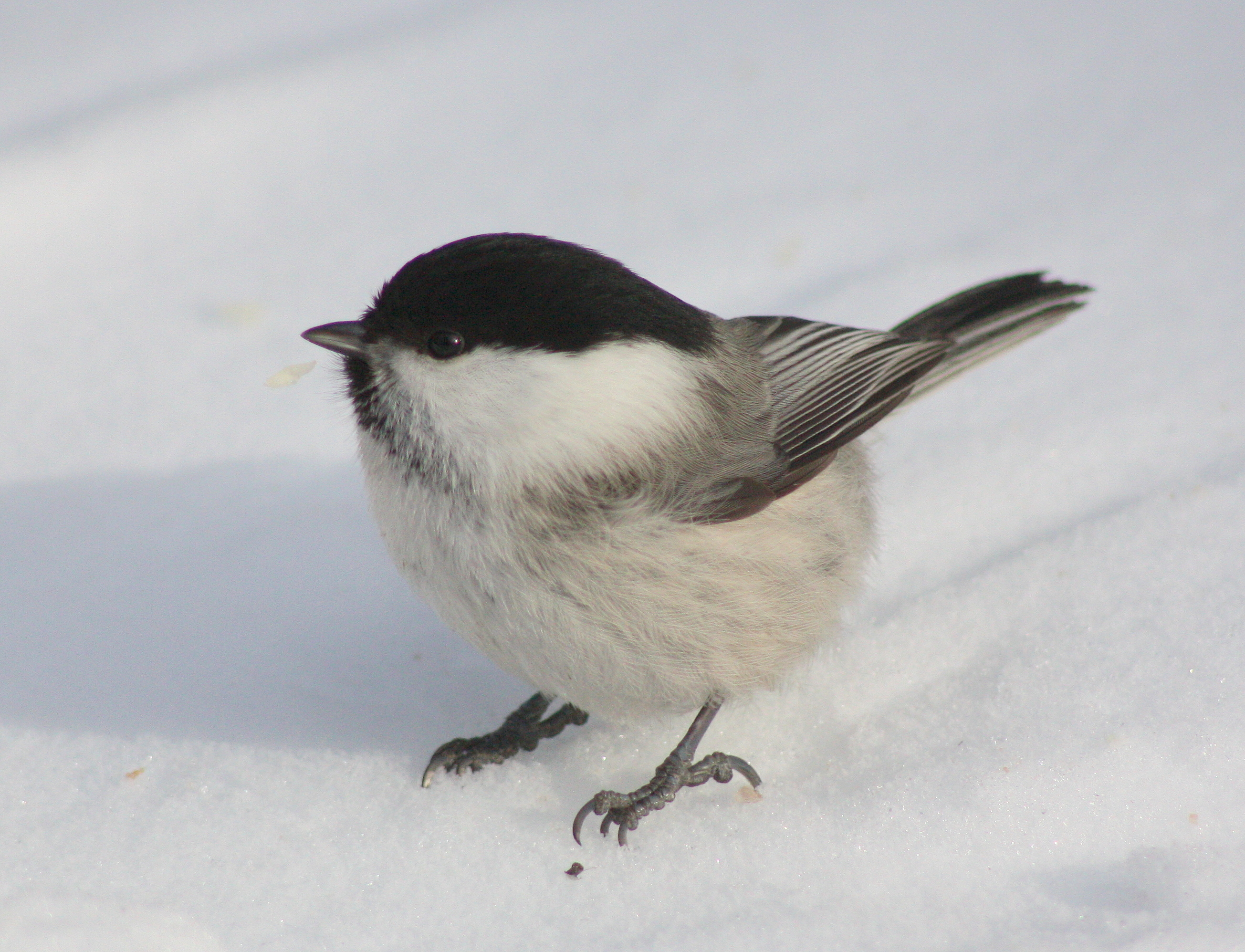
Willow Tits Were Much Less Likely to Be Recorded Beyond 50 Metres From Green Corridors in Oulu
Across 153 forest patches in Oulu, willow tits were much less likely to be recorded once patches lay…
Read story →SPECIES IN THIS STORY
Species in this story
Independent research and conservation news archive
Did you find this information useful?
Wildlife Vagabond is independently built and maintained. Voluntary support helps cover source verification, hosting and continued work on research and conservation news.
Support Wildlife VagabondThe news archive will remain freely available.