
Mean Eurasian Blue Tit Winter Count Rose Fourfold in Finnish Urban Survey Plots
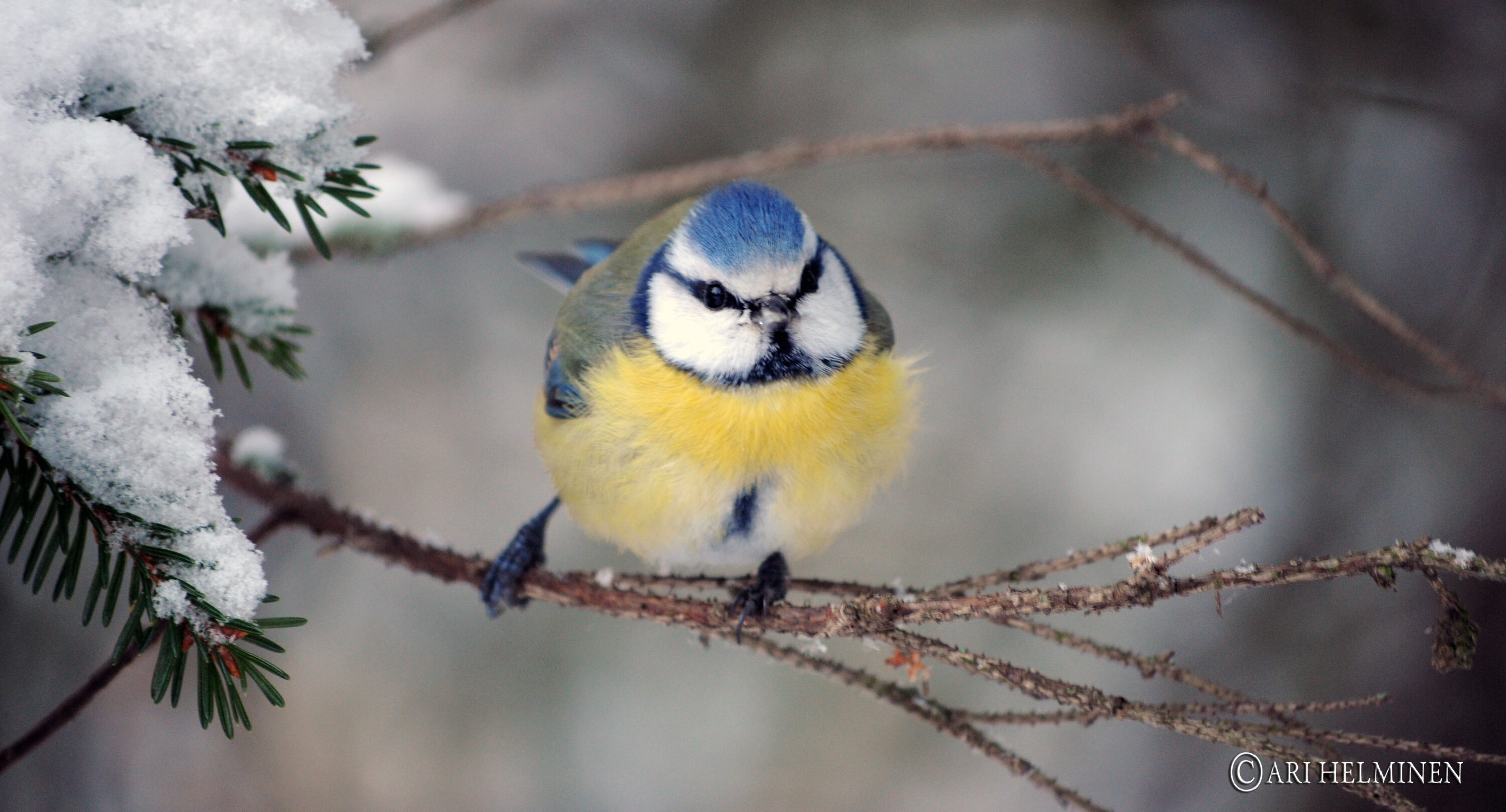
Mean winter counts of Eurasian blue tits (Cyanistes caeruleus) in standardised urban survey plots rose from 2.8 birds per site in 1991/1992 to 11.2 in 2019/2020 across 31 Finnish towns and villages. Great tits (Parus major) also increased, while the three conifer-associated tit species detected in the surveys remained much scarcer and Siberian tit (Poecile cinctus) was not recorded at all.
The same roughly 30-hectare plots in the most urbanised parts of each settlement were surveyed during four winters: 1991/1992, 1999/2000, 2009/2010 and 2019/2020. Surveys were conducted in midwinter under standardised weather and daylight conditions along a roughly 950-km north–south gradient.
Blue tit counts rose from 2.8 to 11.2 per study plot
Mean Eurasian blue tit counts were 2.8, 6.9, 6.6 and 11.2 birds per site across the four survey winters. Great tits increased from 21.5 to 31.3 birds per site between the first and last periods. Long-term growth was statistically supported for both species.
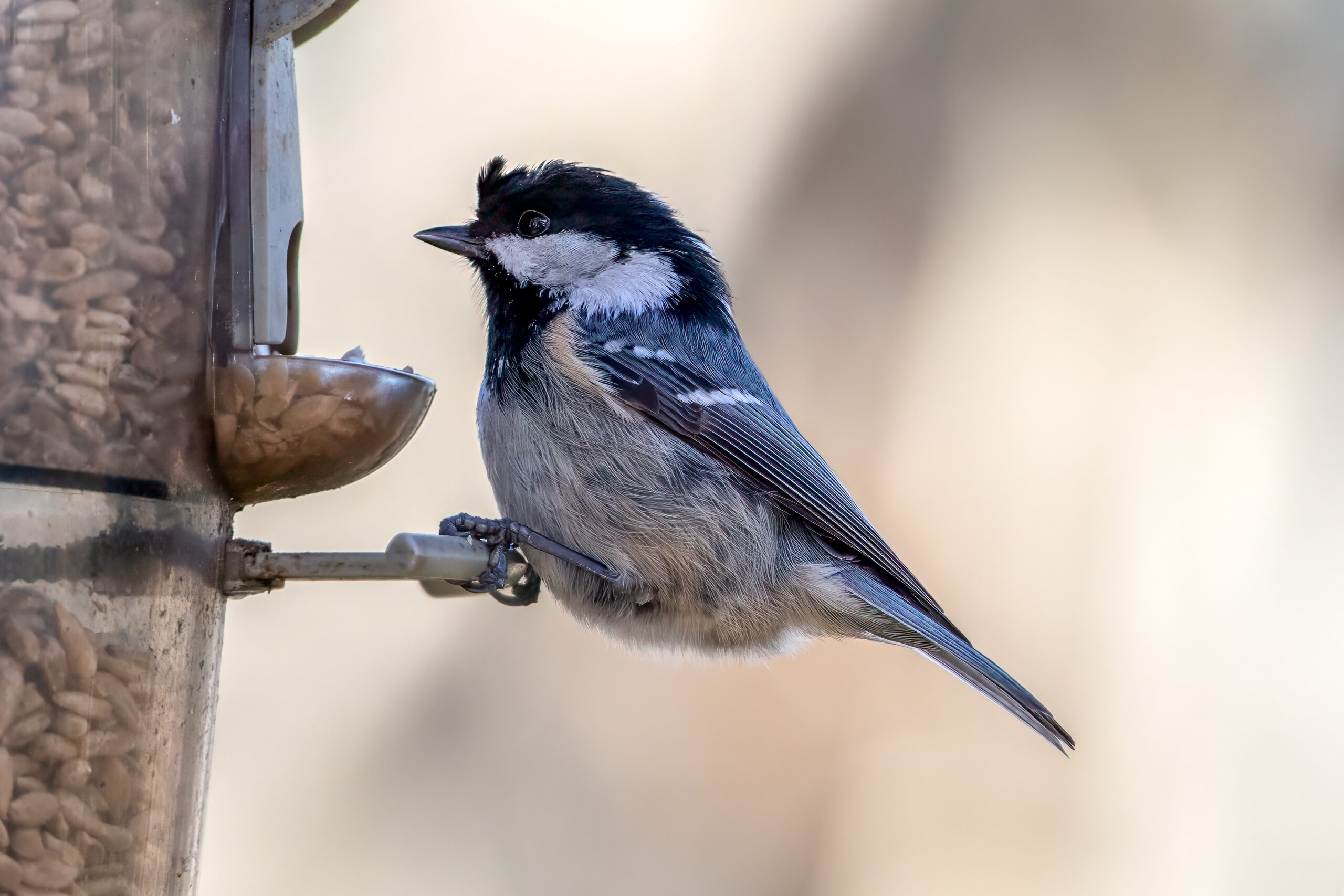
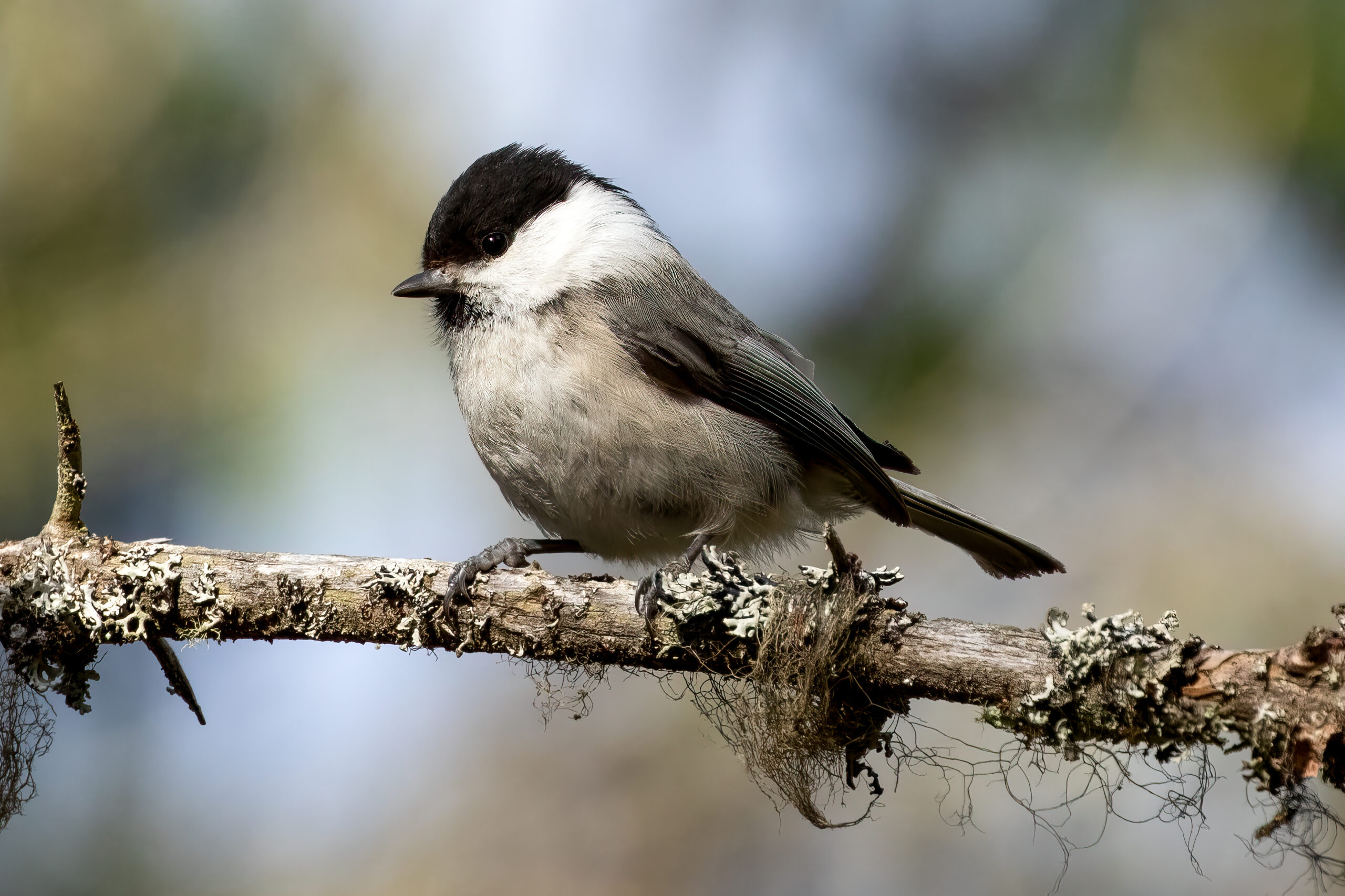
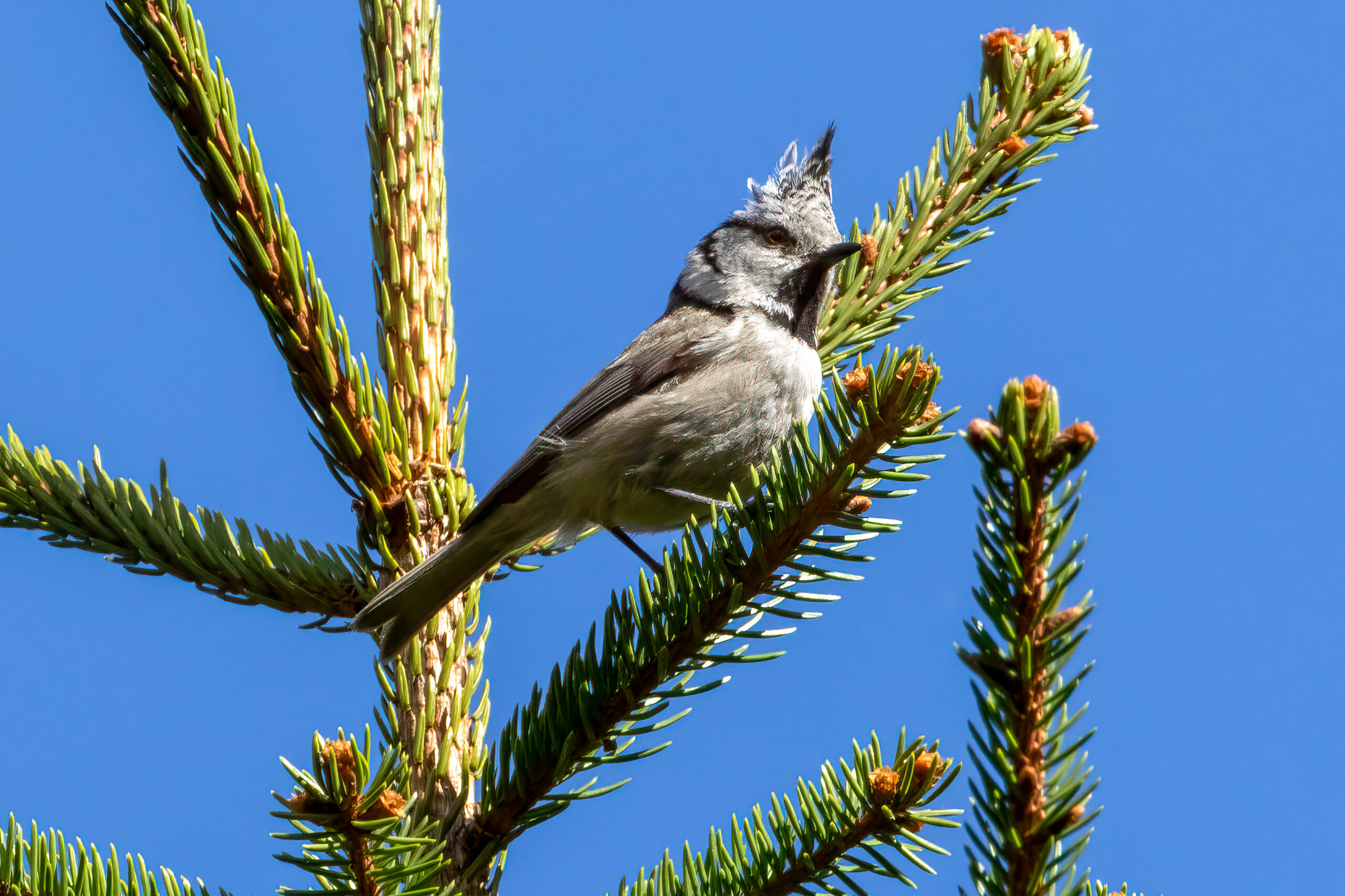
Willow tit (Poecile montanus) showed a negative average growth signal, but the uncertainty was too large to distinguish it clearly from no change. Coal tit (Periparus ater) and crested tit (Lophophanes cristatus) were too scarce in the settlements for comparable growth analyses, and no Siberian tits were detected.
A single winter count did not detect every bird present
Repeated surveys at subsample sites showed that detectability differed among species. A single count detected, on average, about 56% of the maximum number of blue tits recorded during repeated visits in one winter, compared with about 78% for great tits; willow tits were still harder to detect in multiwinter comparisons.
The study therefore treats the standardised counts as comparable abundance indices rather than complete censuses of every bird present. Because the same basic field method was repeated across decades, the large increase in blue tit counts still represents a strong long-term signal within these urban study plots.
More built-up land was associated with weaker blue tit growth
Blue tit abundance decreased towards higher latitudes and with increasing building cover. More importantly for the long-term comparison, study sites where built-up area increased more strongly also tended to have weaker blue tit population growth.
Great tit abundance was likewise lower where building cover was greater. Its long-term growth, however, was stronger at higher latitudes. Winter temperature showed a different pattern depending on the metric: great tits were more abundant in milder winters, while after latitude was accounted for, long-term growth had been stronger at colder sites. These results describe different aspects of abundance and change rather than a single temperature response.
Feeding-site changes did not explain the growth patterns
The number of active winter-feeding sites declined between the first and last survey periods, but changes in feeding-site numbers were not associated with population growth in any of the tit species. The authors caution that feeding-site information was available only for the first and last winters, so this result is less detailed than the bird-count time series.
The study also found no negative abundance correlations among the tit species or with great spotted woodpecker. That provides no evidence from these correlations that competition between the species was suppressing tit abundance in the surveyed settlements.
The broader result is that winter trends differed strongly even within one bird family. Eurasian blue tit and great tit increased in Finnish settlements, while conifer specialists remained uncommon or absent. Changes in urban land cover were particularly important for blue tit trends, whereas great tit patterns also varied strongly along Finland’s climatic north–south gradient.
Population & status
Related news
Urban Bird Diversity Was More Strongly Linked to Forest Structure Than the Surrounding City
Across 12 urban forests in three Italian cities, researchers recorded 2,035 birds from 52 species. Local forest structure…
Read story →
Record May Heatwave Reduced Breeding Success and Nestling Mass in Great Tits and Eurasian Blue Tits
Compared with equivalent parts of the breeding season in 1978–2025, fledgling number declined by 4.5 nestlings in 2026…
Read story →
Autumn Movement Timing Stayed Stable as Wings Became Rounder in Great and Eurasian Blue Tits
Hungarian ringing data from 2004–2024 found stable autumn movement timing in great and Eurasian blue tits, while body…
Read story →SPECIES IN THIS STORY
Species in this story



Independent research and conservation news archive
Did you find this information useful?
Wildlife Vagabond is independently built and maintained. Voluntary support helps cover source verification, hosting and continued work on research and conservation news.
Support Wildlife VagabondThe news archive will remain freely available.