
Common Cuckoos Showed No Egg-Matching Preference When Choosing Host Nests
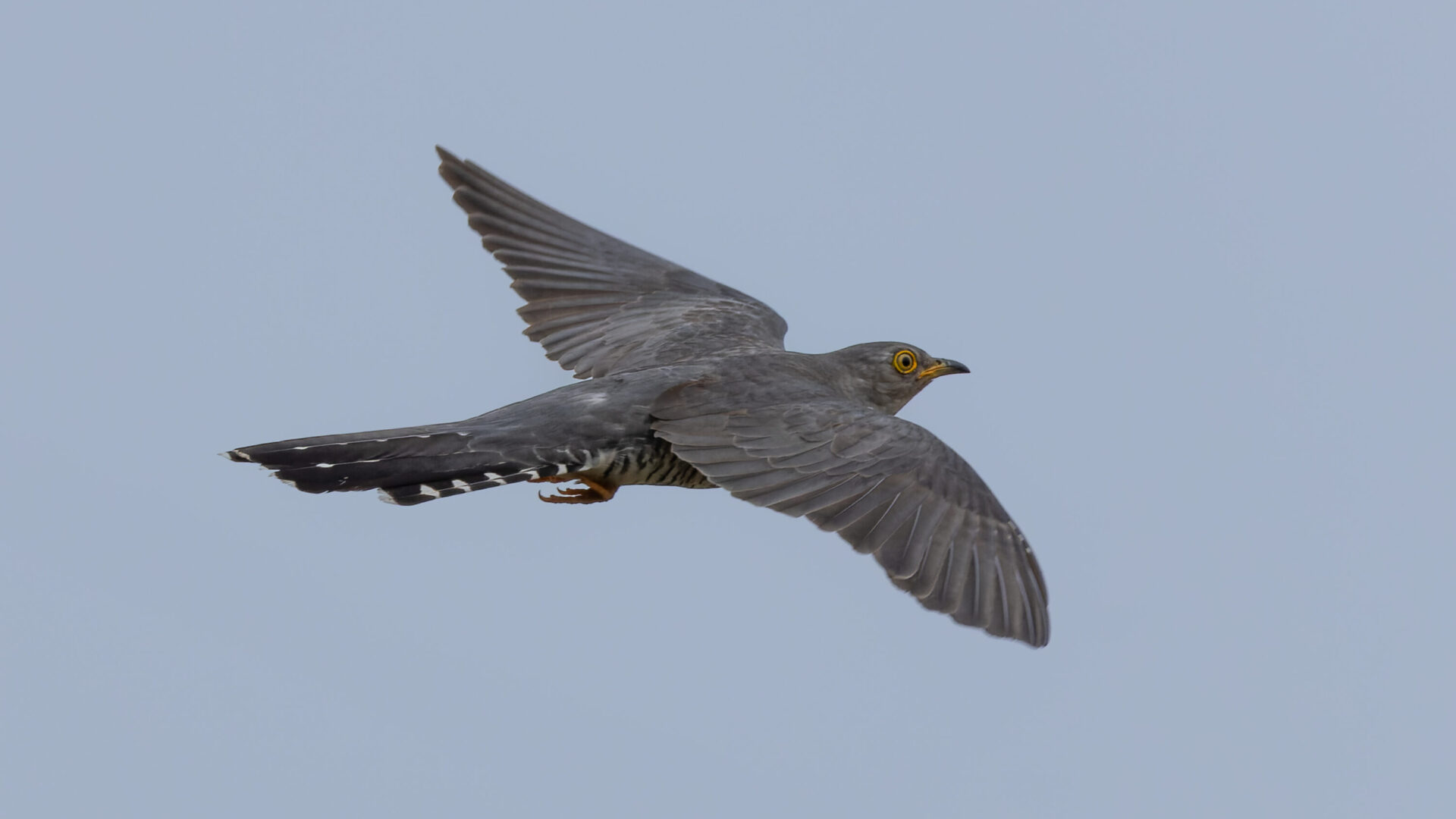
Common cuckoos (Cuculus canorus) showed no preference for host nests whose eggs better matched their own in field experiments with Oriental reed warblers (Acrocephalus orientalis) in northeastern China. The study, published on 16 February 2026, directly tested whether egg appearance influenced where cuckoos chose to lay.
The work was carried out during the 2023 breeding season at Sifangtuozi Farm in Jilin Province, where Oriental reed warblers breed in reed wetlands and are the local common cuckoo’s sole host. Beside active warbler nests, the researchers placed pairs of experimental nests. One experiment offered white model eggs against real Oriental reed warbler eggs, a second offered blue model eggs against real host eggs, and a third offered white against blue model eggs. Each experimental nest contained two eggs, and video recordings were used to follow cuckoo parasitism.
No consistent preference for egg type
The cuckoos did not consistently favour any of the egg types. In the first comparison, 12 parasitism events occurred in nests with white model eggs and nine in nests with real host eggs. The other two comparisons split evenly, with seven events in each nest type. Video observations also indicated that cuckoos generally approached the nearest experimental nest along their flight path rather than selecting according to the eggs it contained.
The authors therefore conclude that the experiments provide direct support for the random egg-laying hypothesis with respect to egg matching: in this host system, the cuckoos did not appear to inspect egg appearance and choose the nest whose clutch best resembled their own egg.
This does not make egg appearance unimportant in cuckoo–host coevolution. Hosts can use egg colour and pattern to recognize and reject foreign eggs, while cuckoo eggs can evolve close mimicry of host eggs. The narrower question here was whether the female cuckoo uses that resemblance when choosing among available nests before laying. The experiments found no evidence that she did. In this context, “random” therefore refers to egg appearance, not to every aspect of host-nest choice.
Behaviour
Related news
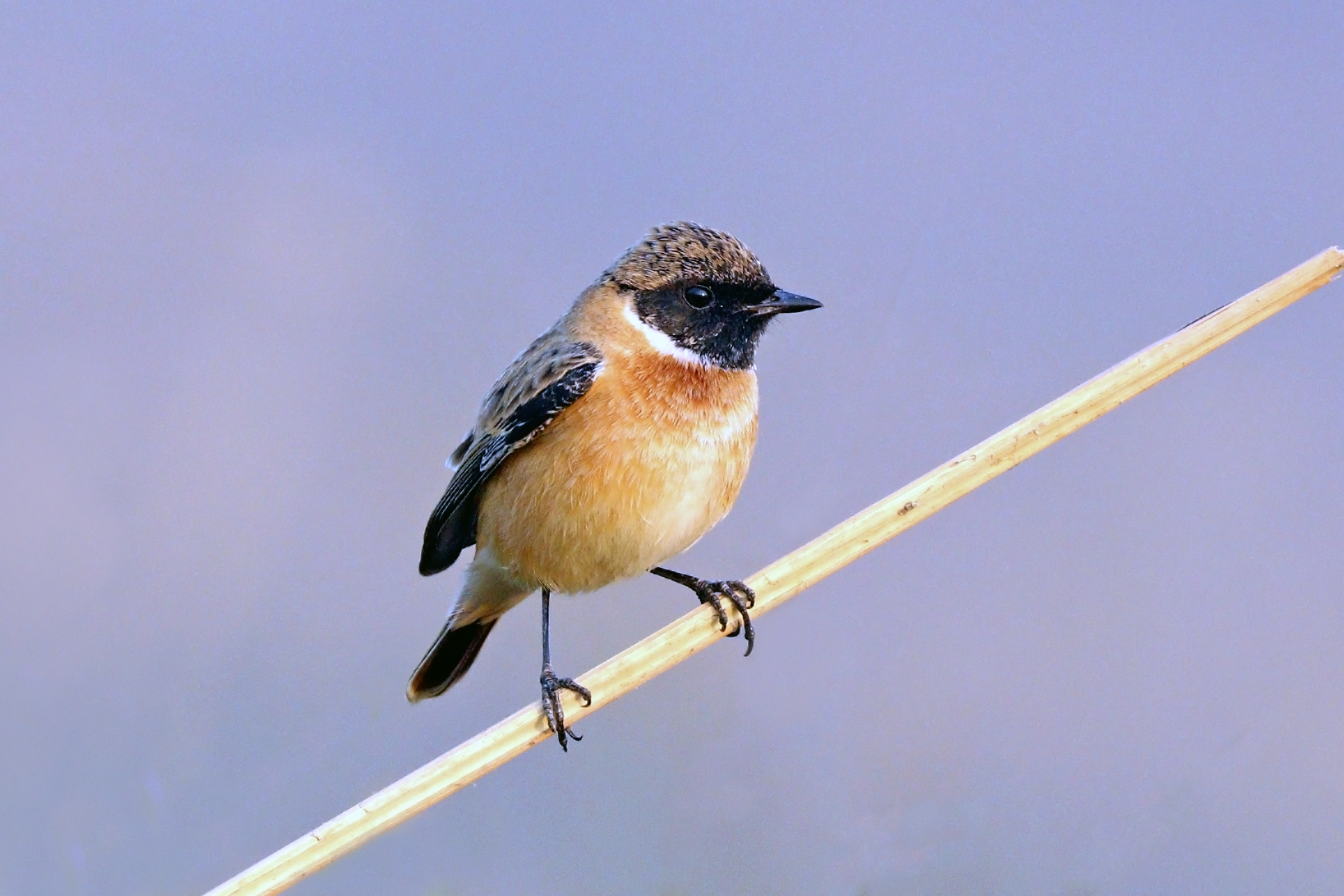
Egg Rejection Did Not Clearly Increase After Cuckoo Arrival in Two Host Species
Grey bushchats and Siberian stonechats showed no clear increase in foreign-egg rejection after common cuckoos arrived. The result…
Read story →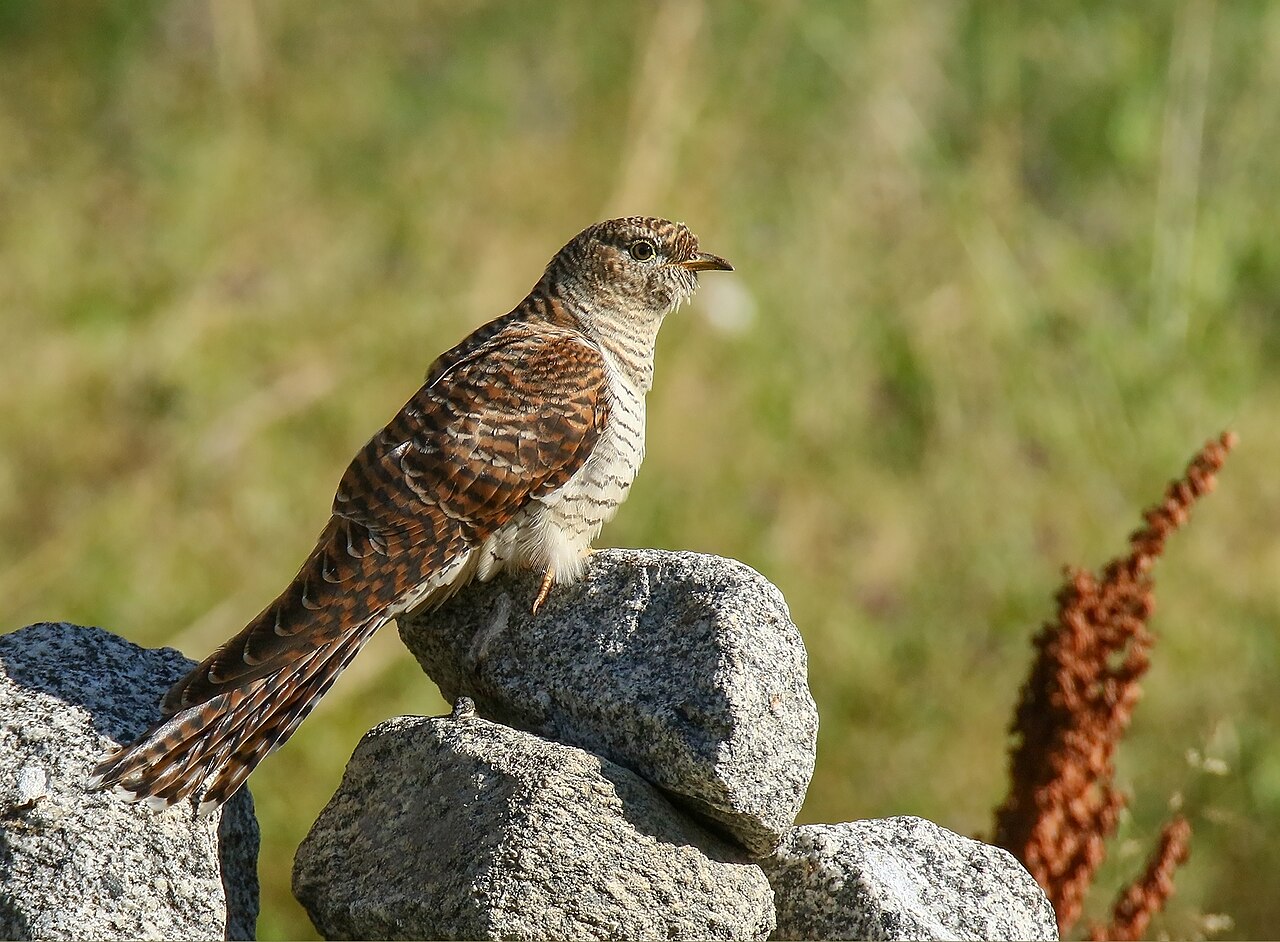
Cuckoos Use Two Different Strategies to Lay Eggs in Redstart Nests
Video from Finnish redstart nest boxes provides the first direct evidence that common cuckoos use two egg-laying strategies,…
Read story →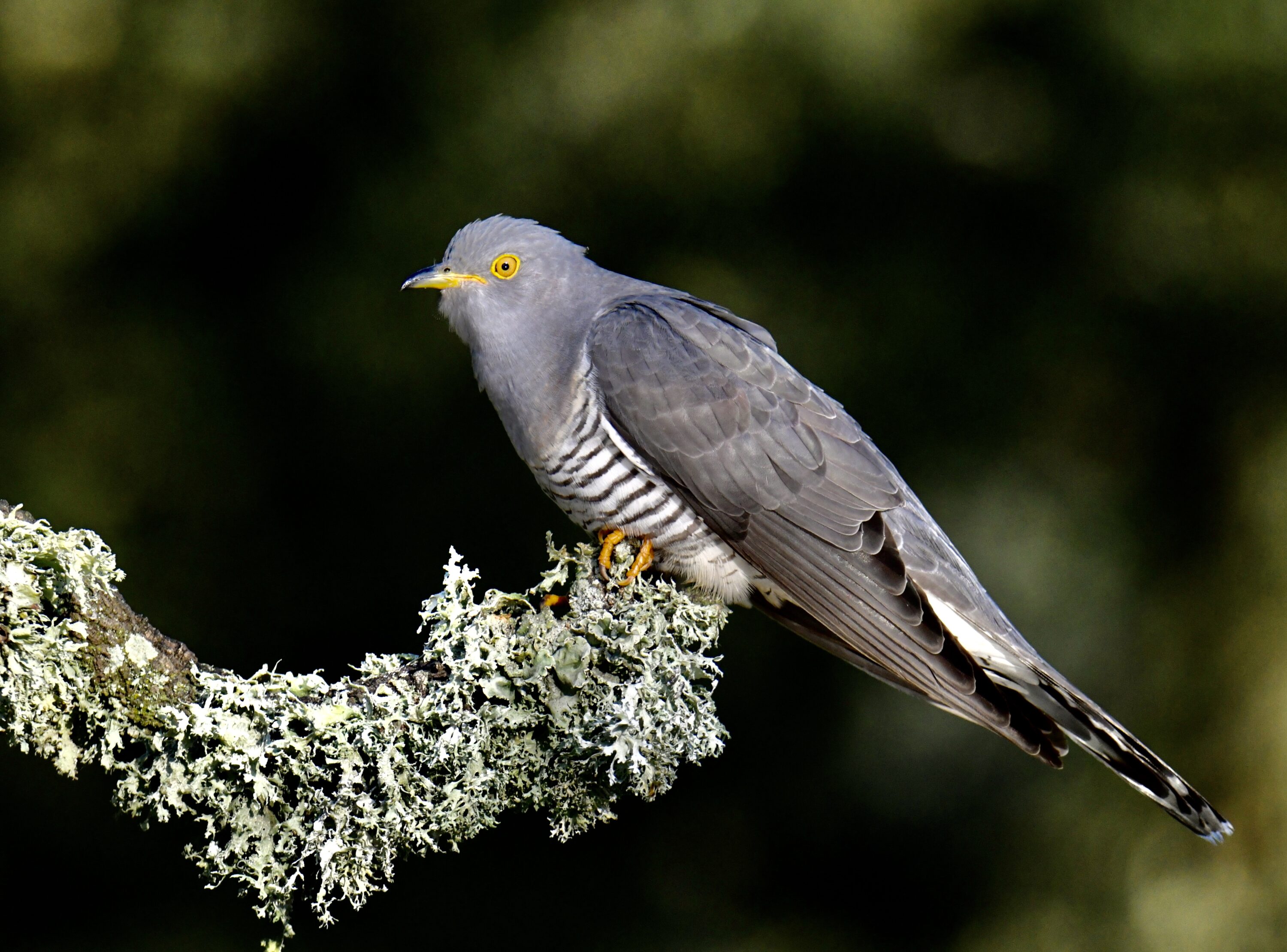
Models Highlighted Iberian Mountains and the Po Watershed as Key Stopover Regions for UK Common Cuckoos
Models based on satellite tracks from 88 UK-breeding male common cuckoos highlighted Iberian mountain ranges and the Po…
Read story →SPECIES IN THIS STORY
Species in this story
Independent research and conservation news archive
Did you find this information useful?
Wildlife Vagabond is independently built and maintained. Voluntary support helps cover source verification, hosting and continued work on research and conservation news.
Support Wildlife VagabondThe news archive will remain freely available.