
Common Cuckoos Removed Red Model Eggs in 92% of Recorded Choices
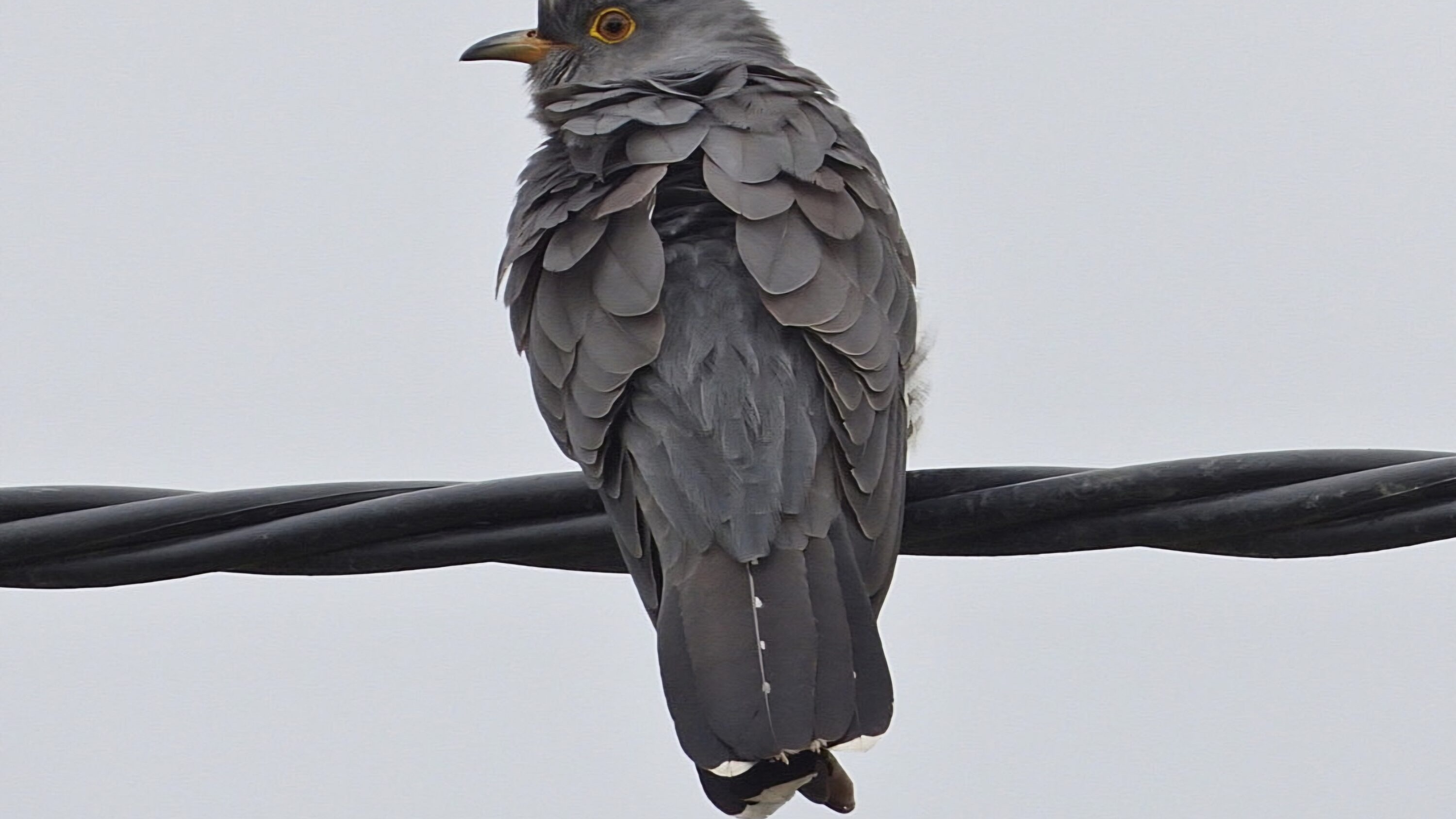
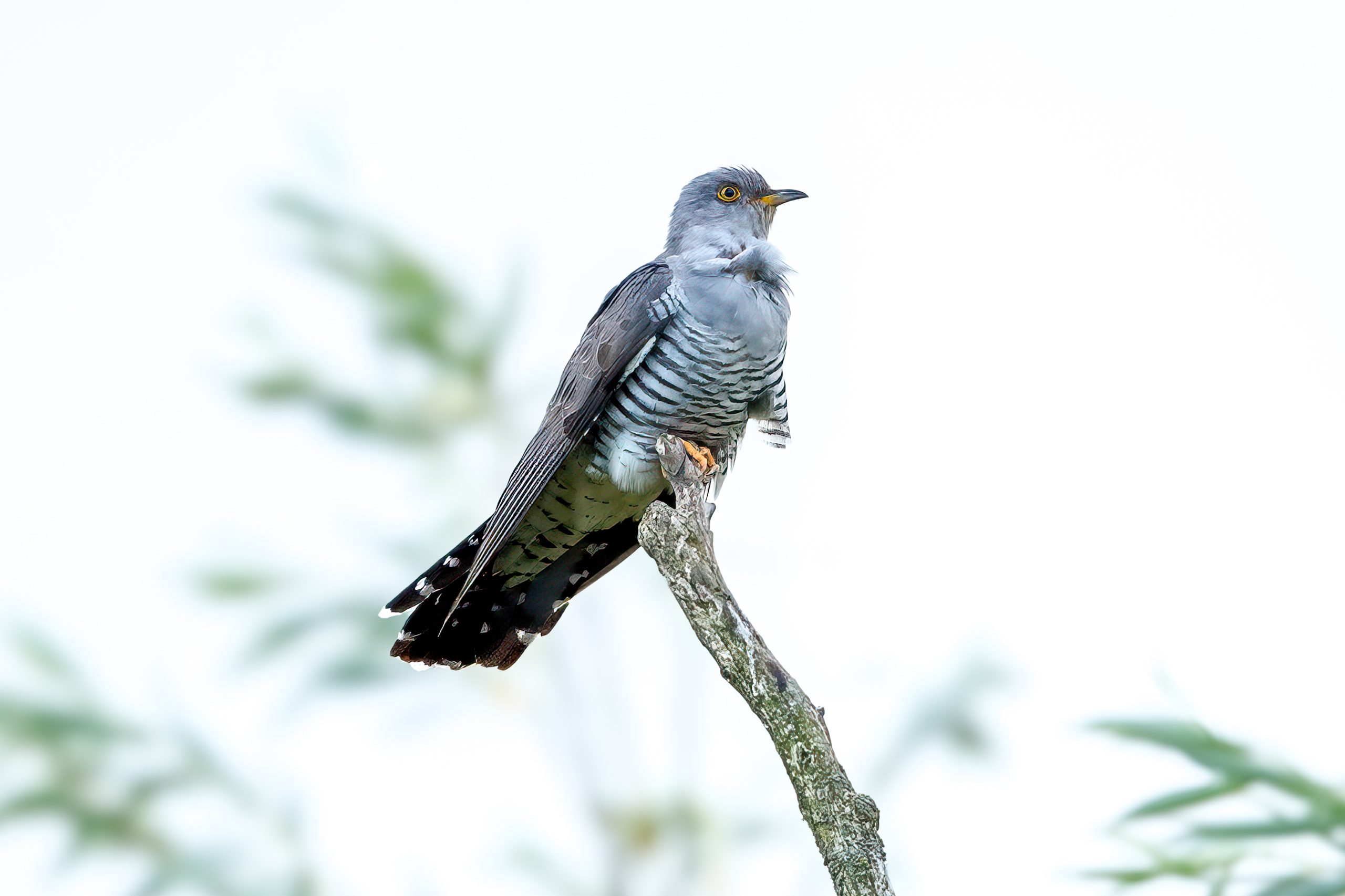
Female common cuckoos (Cuculus canorus) strongly preferred red over green model eggs when choosing an egg to remove from experimental nests, according to a study published in March 2026. The work tested whether colour hue, rather than only brightness, influences the egg-removal behaviour that often accompanies brood parasitism.
The field experiments were carried out in 2022 in reed habitat at Sifangtuozi Farm in western Jilin, northeast China, where oriental reed warblers (Acrocephalus orientalis) are a main host of the cuckoo. Researchers ran 41 trials, placing red and green model eggs in experimental nests near active warbler nests and using video recordings to document the cuckoos’ choices.
Red eggs were removed far more often
The cuckoos preferred the red model egg in 92% of recorded choices. The researchers therefore conclude that females can use chromatic information — differences in hue — when deciding which egg to remove from a host nest.
Previous experiments had shown that common cuckoos can respond to differences in egg brightness, but the role of hue had not been directly tested. Red and green were chosen because natural eggshell colour is largely produced by two pigments, biliverdin and protoporphyrin IX, which contribute to variation along blue-green to brown-red colour ranges.
Visibility alone did not explain the preference
The team also used models of avian vision to estimate how conspicuous the two egg colours would appear against the nest lining. Those analyses made it unlikely that the red eggs were preferred simply because they were more visually conspicuous in the nests.
The authors therefore consider another possibility: the attraction to red may resemble the well-known tendency of some birds to respond strongly to red-coloured food. They present this as a hypothesis rather than a demonstrated explanation for the behaviour.
Behaviour
Related news
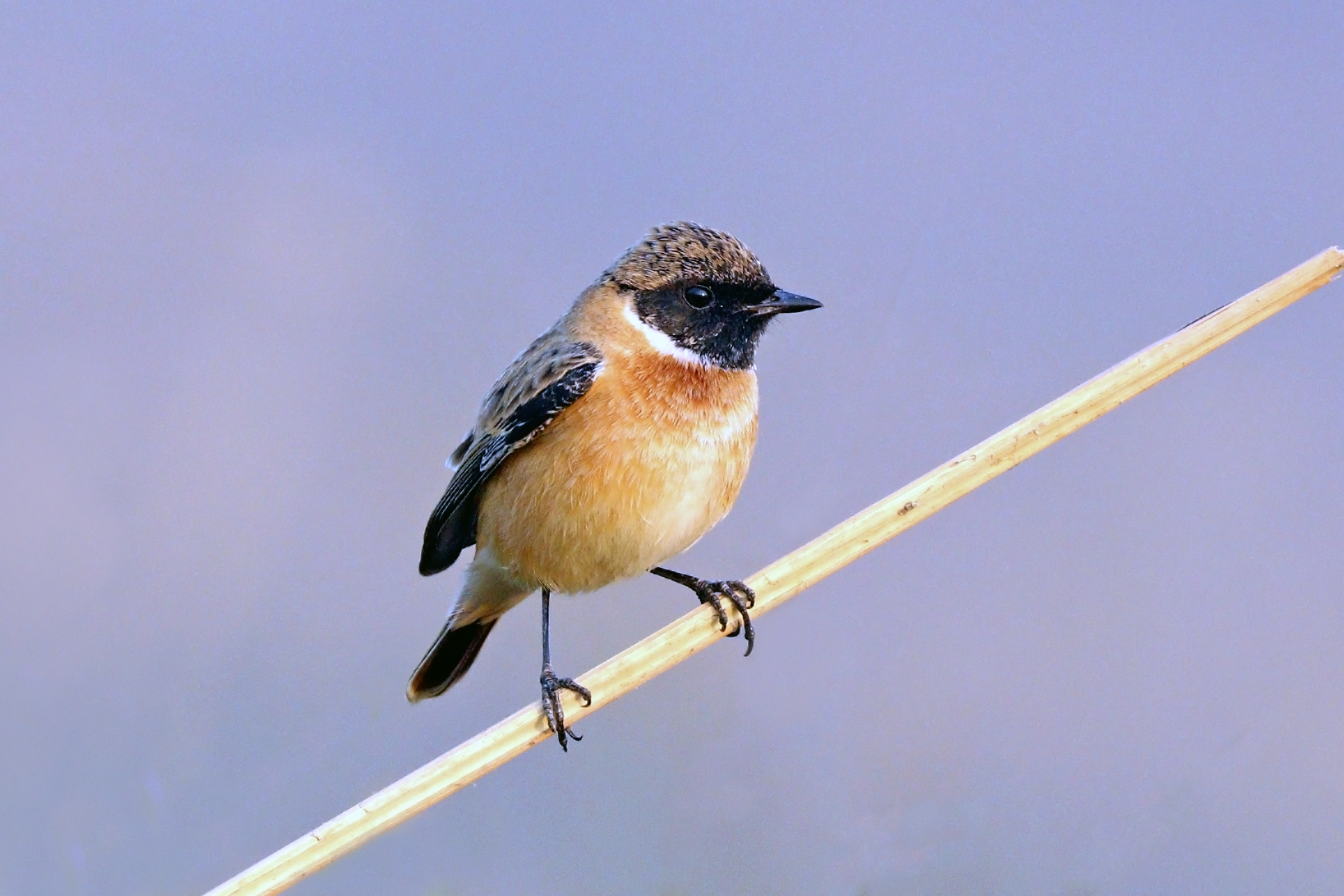
Egg Rejection Did Not Clearly Increase After Cuckoo Arrival in Two Host Species
Grey bushchats and Siberian stonechats showed no clear increase in foreign-egg rejection after common cuckoos arrived. The result…
Read story →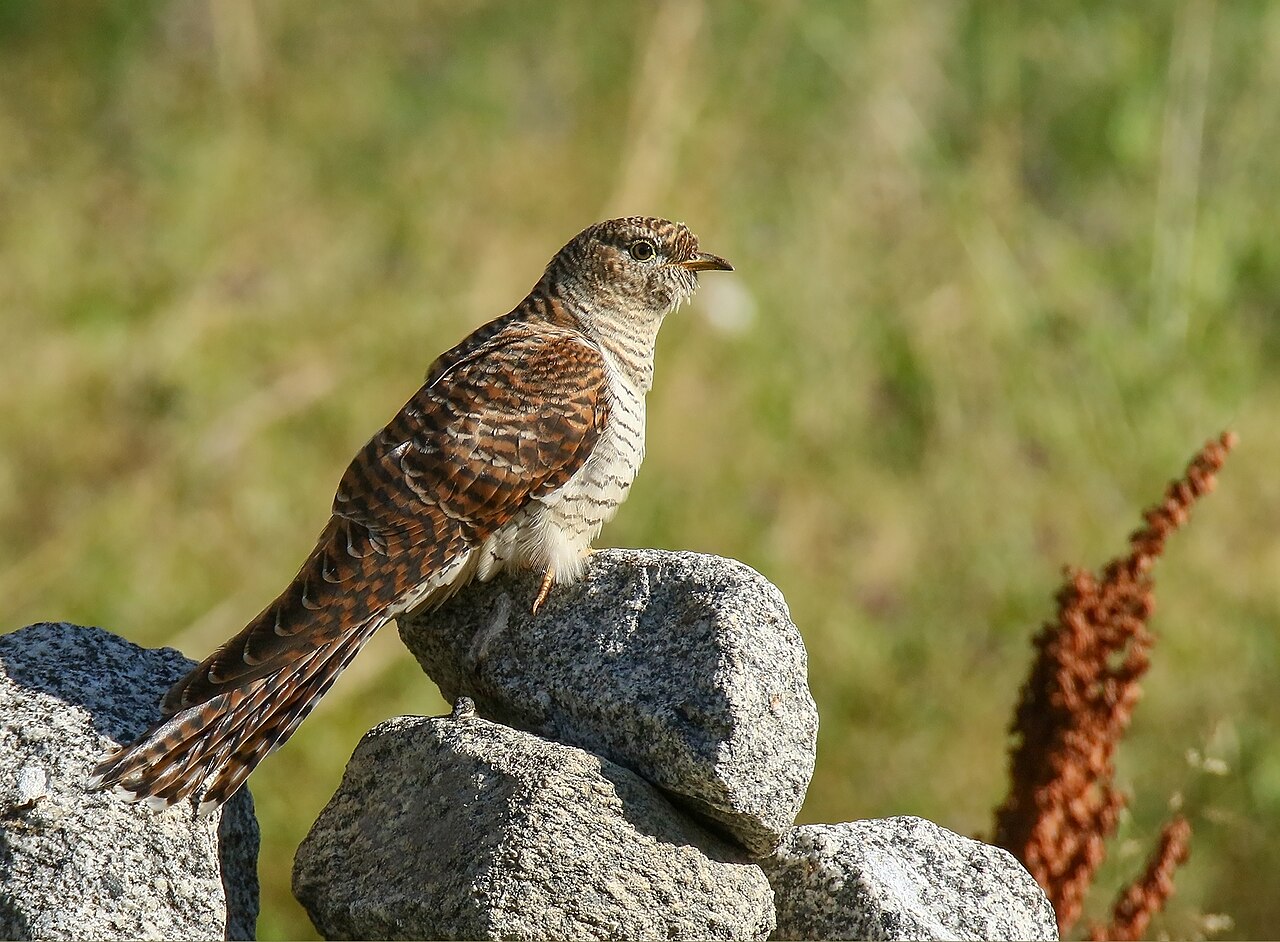
Cuckoos Use Two Different Strategies to Lay Eggs in Redstart Nests
Video from Finnish redstart nest boxes provides the first direct evidence that common cuckoos use two egg-laying strategies,…
Read story →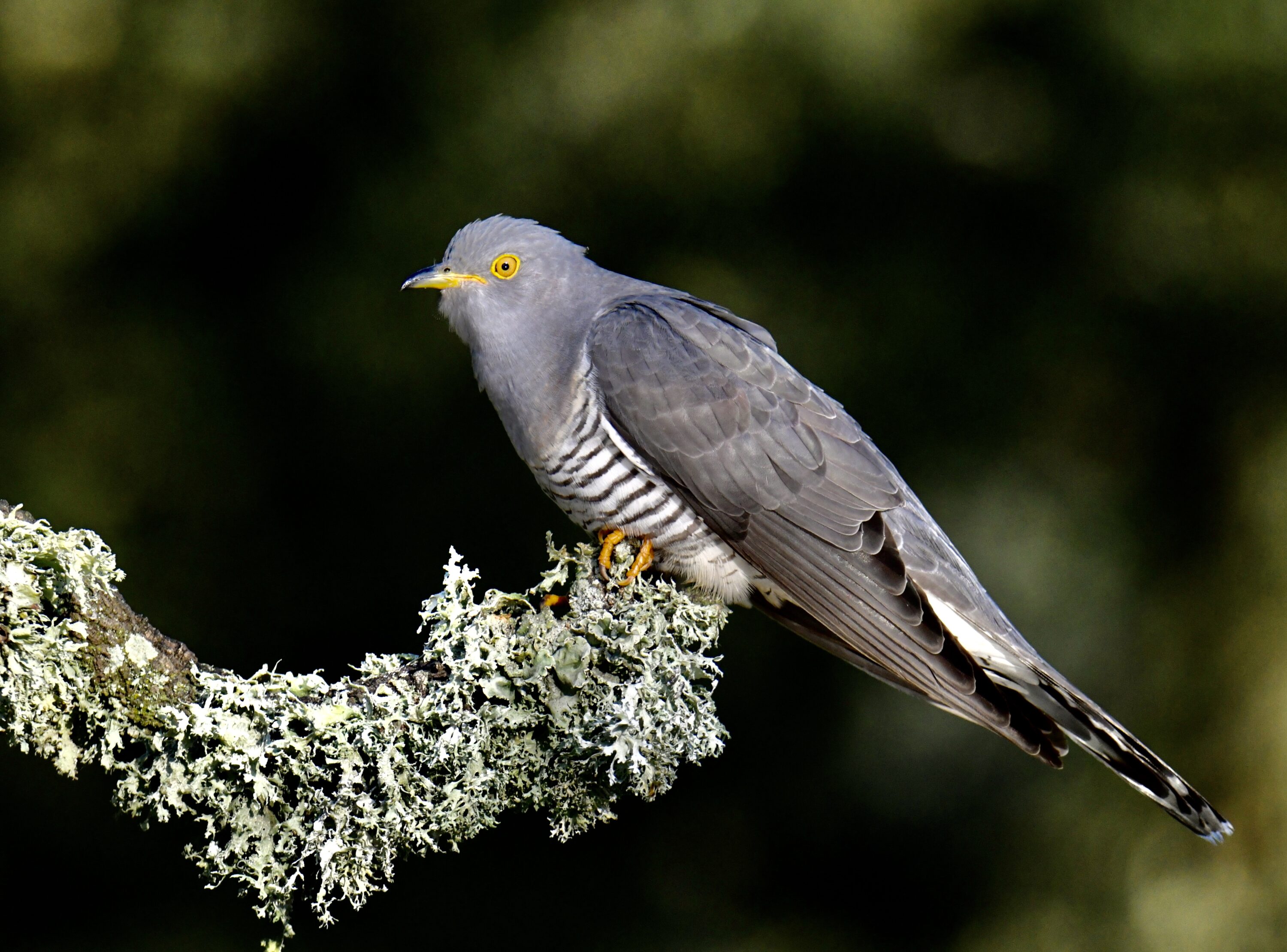
Models Highlighted Iberian Mountains and the Po Watershed as Key Stopover Regions for UK Common Cuckoos
Models based on satellite tracks from 88 UK-breeding male common cuckoos highlighted Iberian mountain ranges and the Po…
Read story →SPECIES IN THIS STORY
Species in this story
Independent research and conservation news archive
Did you find this information useful?
Wildlife Vagabond is independently built and maintained. Voluntary support helps cover source verification, hosting and continued work on research and conservation news.
Support Wildlife VagabondThe news archive will remain freely available.