
Common Gulls Were Less Often Infected and Carried Fewer Trematodes Than Larger Gulls at Czech Ponds
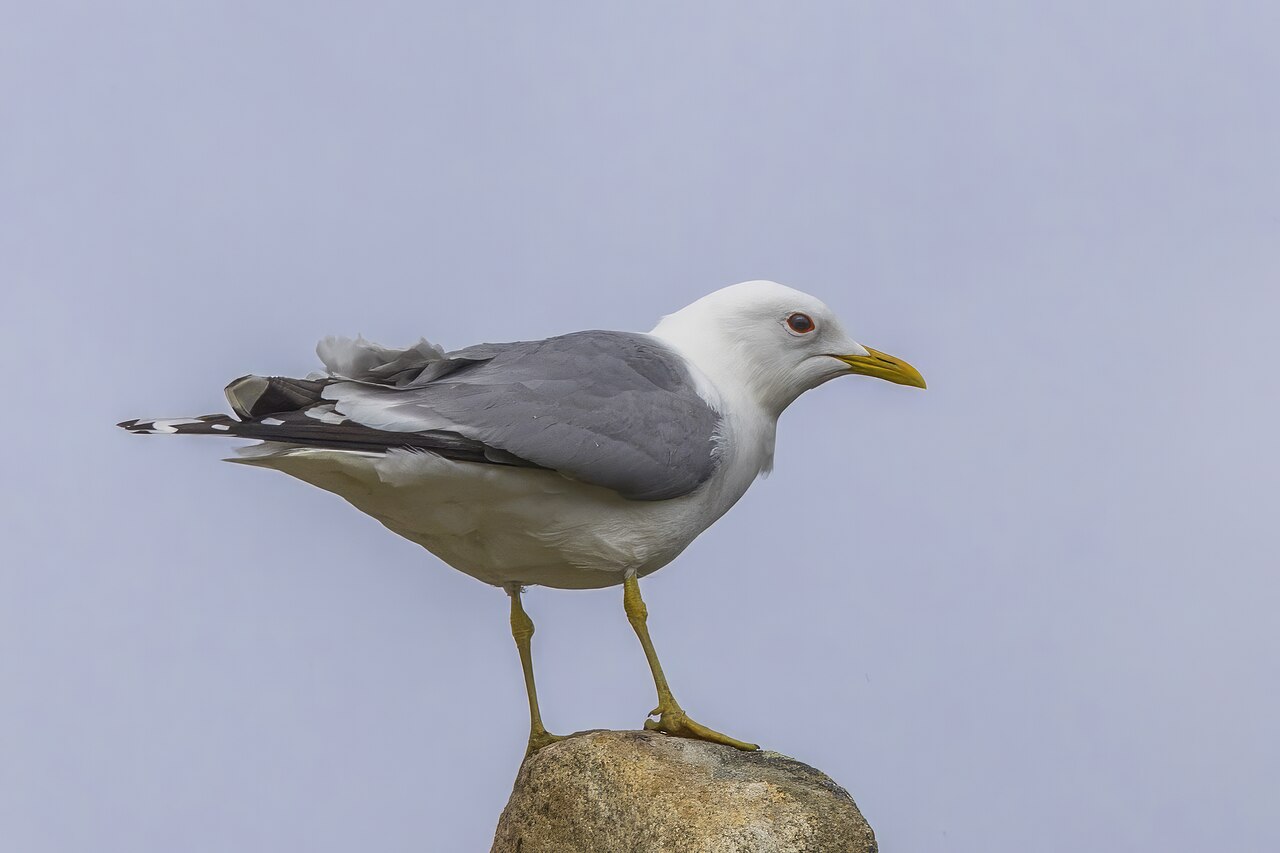
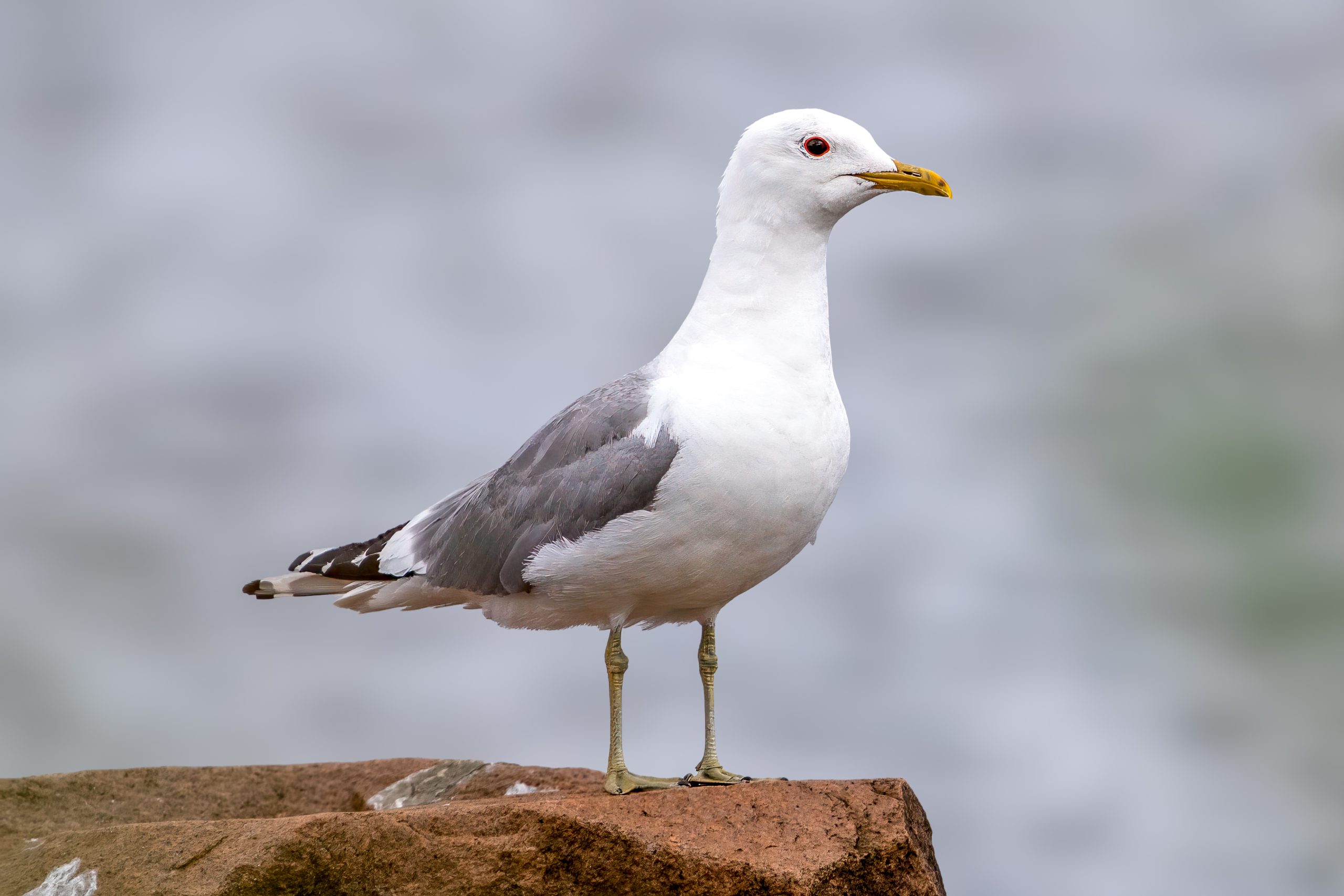
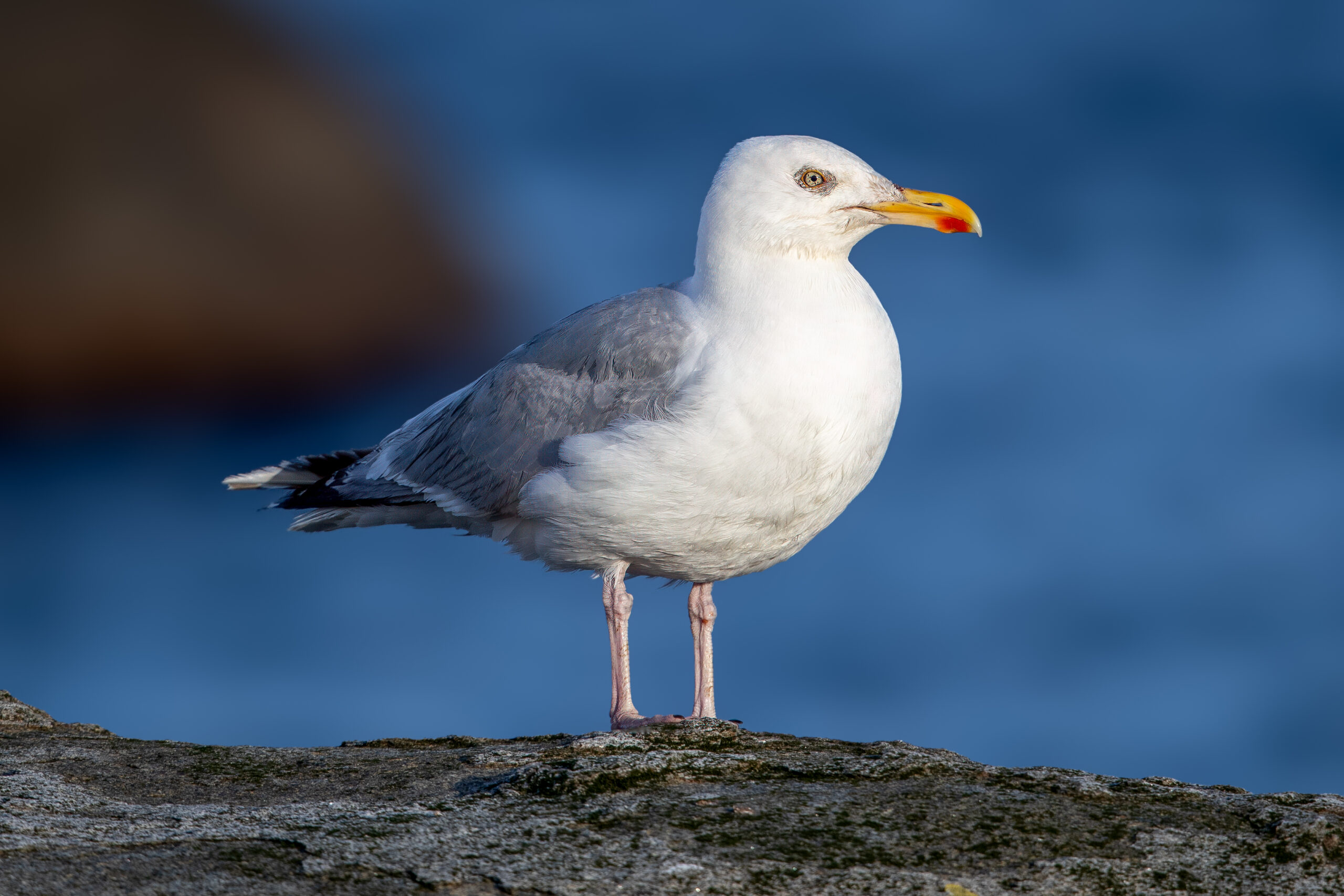
Common gulls (Larus canus) were much less often infected with trematode parasites than European herring gulls (Larus argentatus) and Caspian gulls (Larus cachinnans) examined in the same inland region of the eastern Czech Republic. Trematodes were found in 15 of 33 common gulls, compared with 27 of 28 herring gulls and 123 of 141 Caspian gulls.
Trematodes, or flukes, are parasitic flatworms whose life cycles commonly pass through several host species. Many of the trematodes found in gulls first develop in freshwater snails and then in fish before reaching a bird as their final host. Which trematodes a gull carries can therefore retain information about the aquatic food webs it has encountered.
207 gulls were examined for parasites throughout the body
The researchers performed complete helminthological examinations of 207 gulls collected between 2022 and 2025 around fishponds and nearby habitats in the eastern Czech Republic. The material included 28 herring gulls, 141 Caspian gulls, 33 common gulls, one glaucous gull (Larus hyperboreus) and four great black-backed gulls (Larus marinus).
The birds came from several sources, including fishpond culls, incidental deaths, a landfill and a wildlife rescue station. The researchers inspected internal organs and body cavities for helminths and identified the trematodes they recovered.
Common gulls were less often infected and carried simpler parasite communities
Across all five gull species, 170 of 207 birds carried at least one trematode. Among the three species with substantial sample sizes, prevalence — the proportion of birds that were infected at all — was highest in herring gulls, followed by Caspian gulls, and lowest in common gulls.
The contrast extended beyond prevalence. Common gulls also had the lowest trematode richness per bird, meaning that infected individuals generally carried fewer different trematode taxa. Their infection intensity — the number of individual trematodes in an infected bird — was also markedly lower than in herring and Caspian gulls.
Freshwater-transmitted trematodes dominated
Most of the parasite community consisted of trematodes whose life cycles involve freshwater hosts, particularly fish. Frequently recorded taxa included Diplostomum and related groups. Marine and brackish-water trematodes were rare and usually occurred at low intensity, consistent with infections acquired earlier near the coast and then carried inland without completing further transmission there.
Herring and Caspian gulls associated with fishpond environments carried richer and heavier freshwater parasite communities. Common gulls, by contrast, were often uninfected or lightly infected, indicating less participation in those freshwater transmission cycles.
Foraging ecology was inferred rather than followed directly
The researchers did not track the long-term diet and habitat use of every bird. Ecological categories such as pond-foraging fish eaters and landfill scavengers were assigned from the context in which carcasses were obtained and from associated information such as stomach contents. Birds from landfill settings frequently lacked fish remains and also tended to have few or no trematodes.
The common-gull sample also had a particular history: about half of the birds from Tovačov were killed in fog-related powerline collisions, and recovered rings suggested that these birds were likely migrants from Swiss wintering grounds. Differences in parasite burden may therefore reflect not only current feeding choices in Czechia but also different previous exposure histories.
Parasites acted as indicators of food-web exposure
The authors conclude that inland gull abundance alone says little about a species’ role in trematode transmission. What matters more is how strongly the birds are connected to freshwater food webs. Fishpond-feeding gulls can serve as final hosts that complete and reinforce freshwater trematode life cycles, while gulls relying more on landfill refuse may participate much less.
For common gulls, the low infection prevalence, low richness and low parasite intensity in this Czech sample therefore point to weaker involvement in freshwater parasite cycles than in herring and Caspian gulls from the same broader region. Because the material came from several different collection routes and represented only a cross-section of 2022–2025, the authors caution against treating these differences as fixed characteristics of the species everywhere.
Disease, parasites & microbiology
Related news
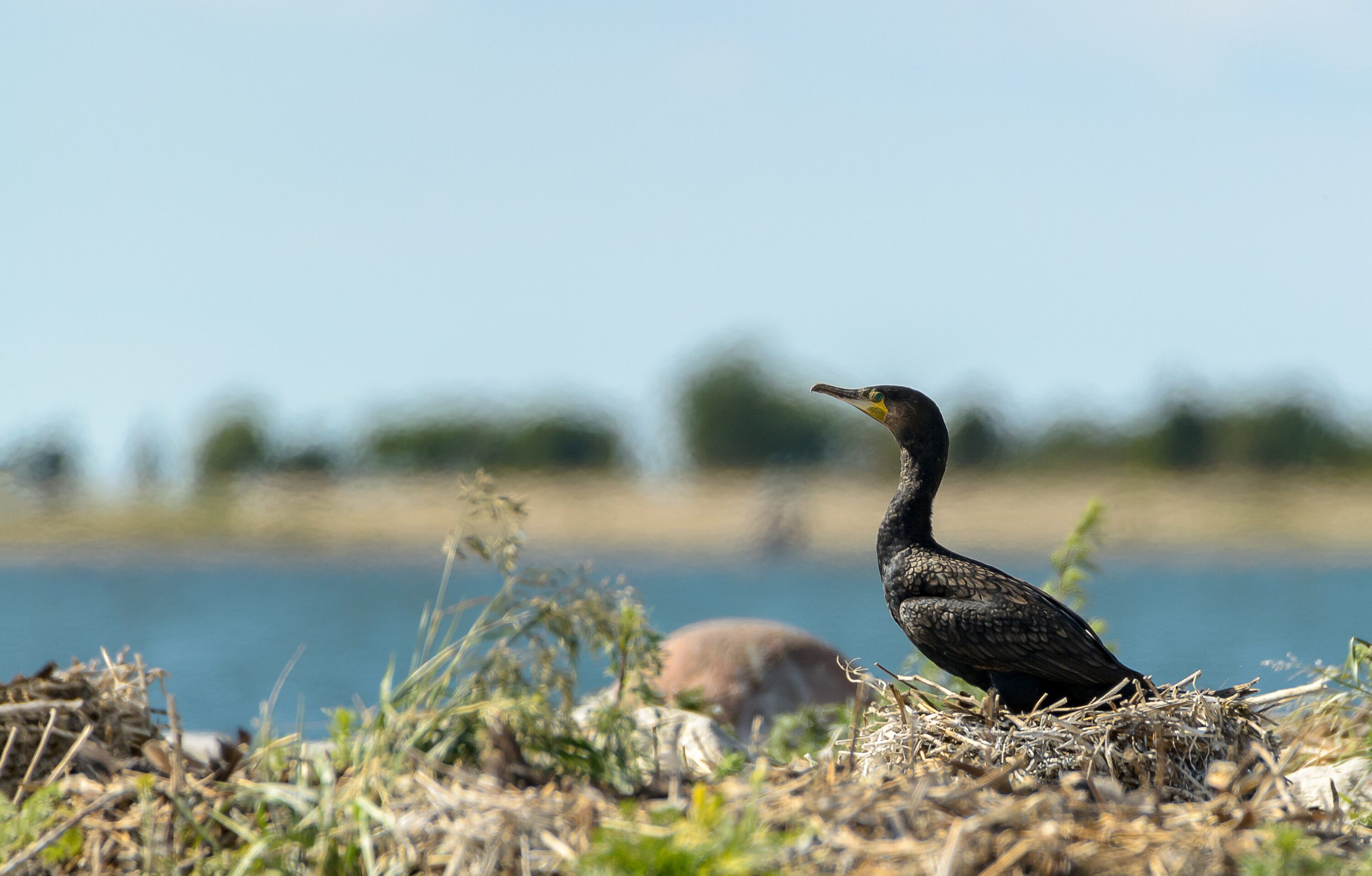
Bird Diversity Fell After Cormorant Colonies Became Established on Baltic Islands
Annual monitoring from 261 Estonian Baltic islands showed that breeding-bird diversity declined after great cormorant colonies became established…
Read story →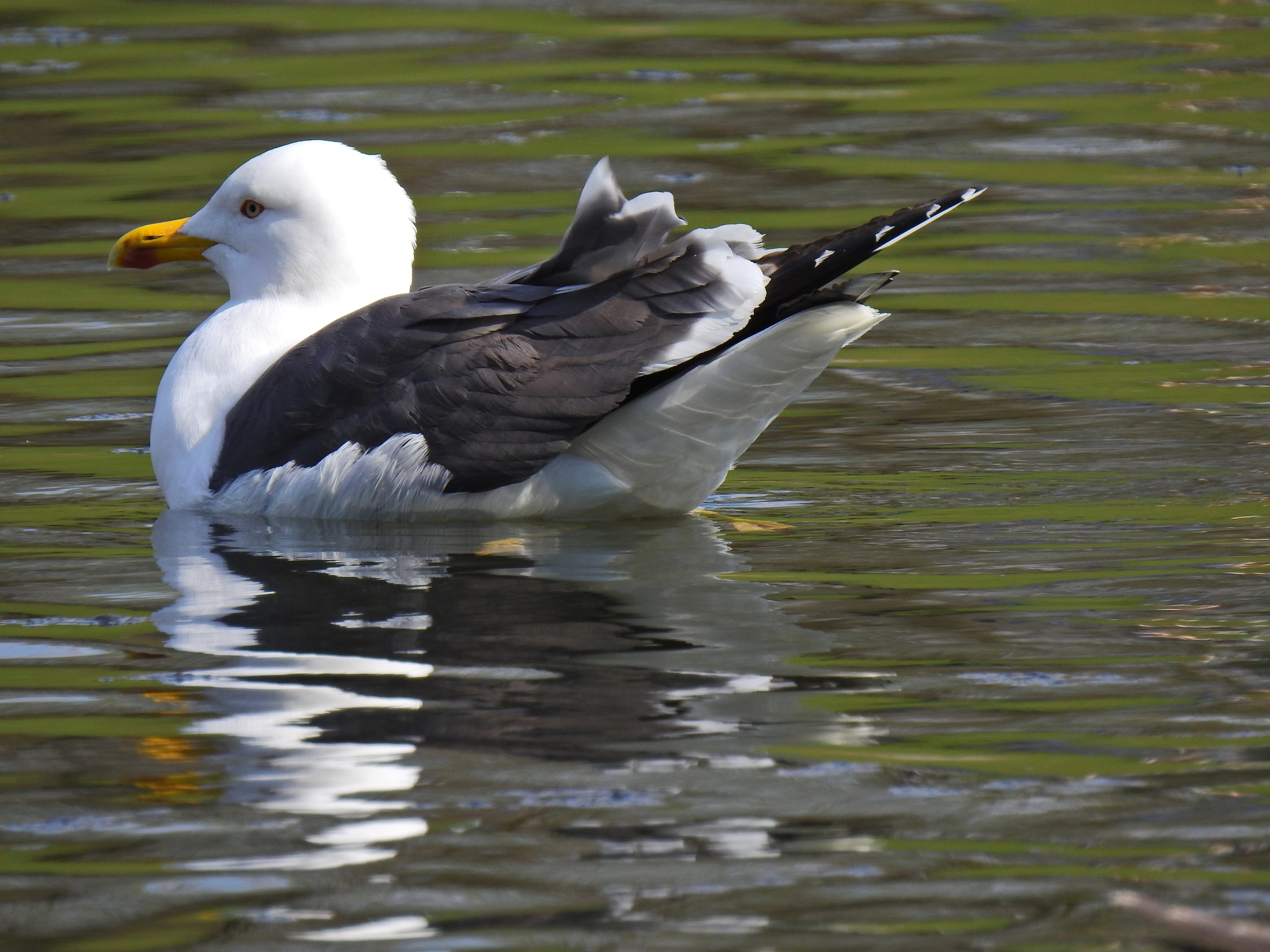
UK Seabird Monitoring Found Steep Declines While Great Black-backed Gull Trends Split Between Scotland and Wales
The 2026 UK seabird statistic reported long-term declines of 72% in natural-nesting lesser black-backed gulls, 51% in natural-nesting…
Read story →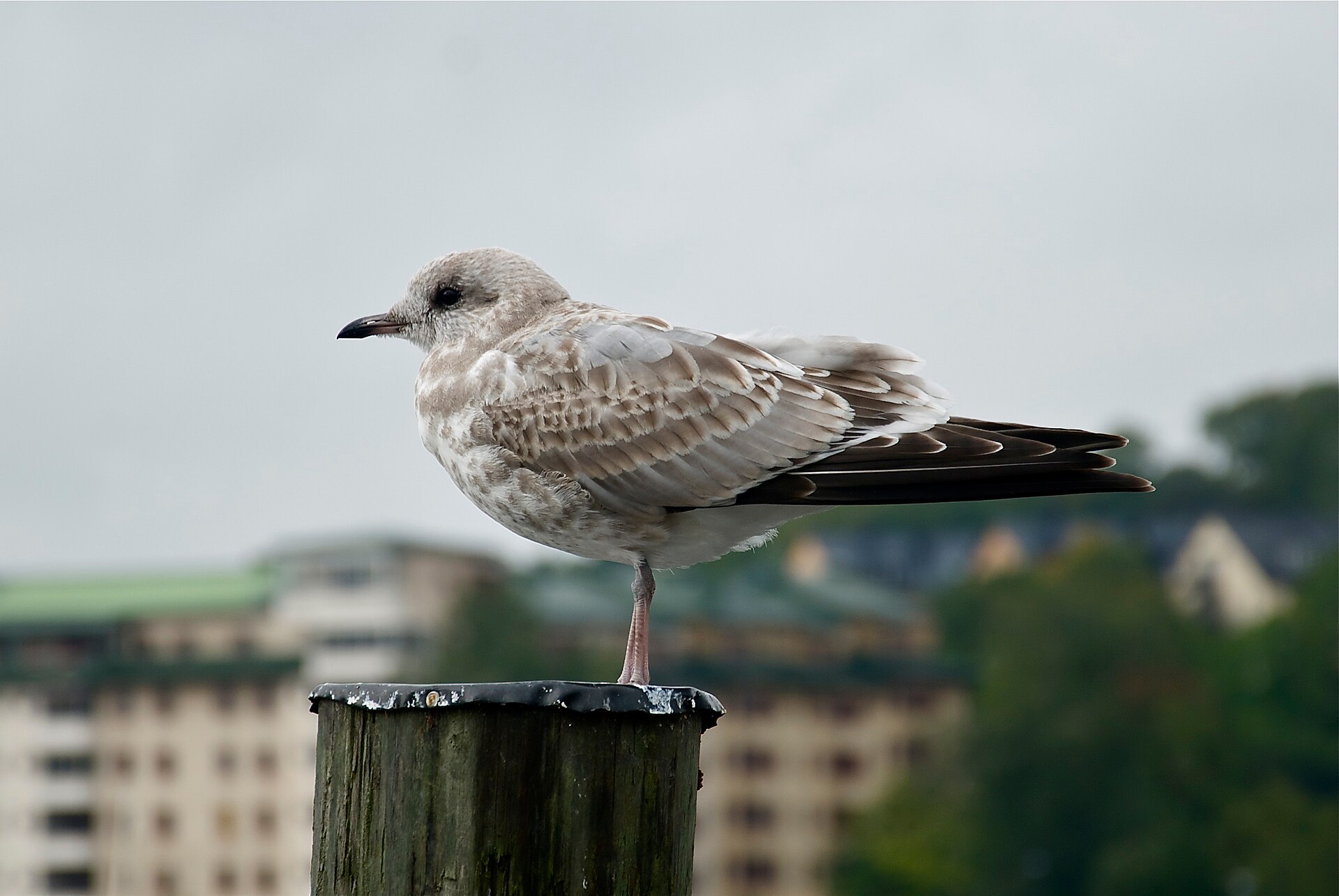
Scotland Requires Five-Year Population Reports for Five Gull Species
Scotland’s Natural Environment Act 2026 requires recurring five-year reports on coastal and urban populations of five named gull…
Read story →SPECIES IN THIS STORY
Species in this story
Independent research and conservation news archive
Did you find this information useful?
Wildlife Vagabond is independently built and maintained. Voluntary support helps cover source verification, hosting and continued work on research and conservation news.
Support Wildlife VagabondThe news archive will remain freely available.