
UK Seabird Monitoring Found Steep Declines While Great Black-backed Gull Trends Split Between Scotland and Wales
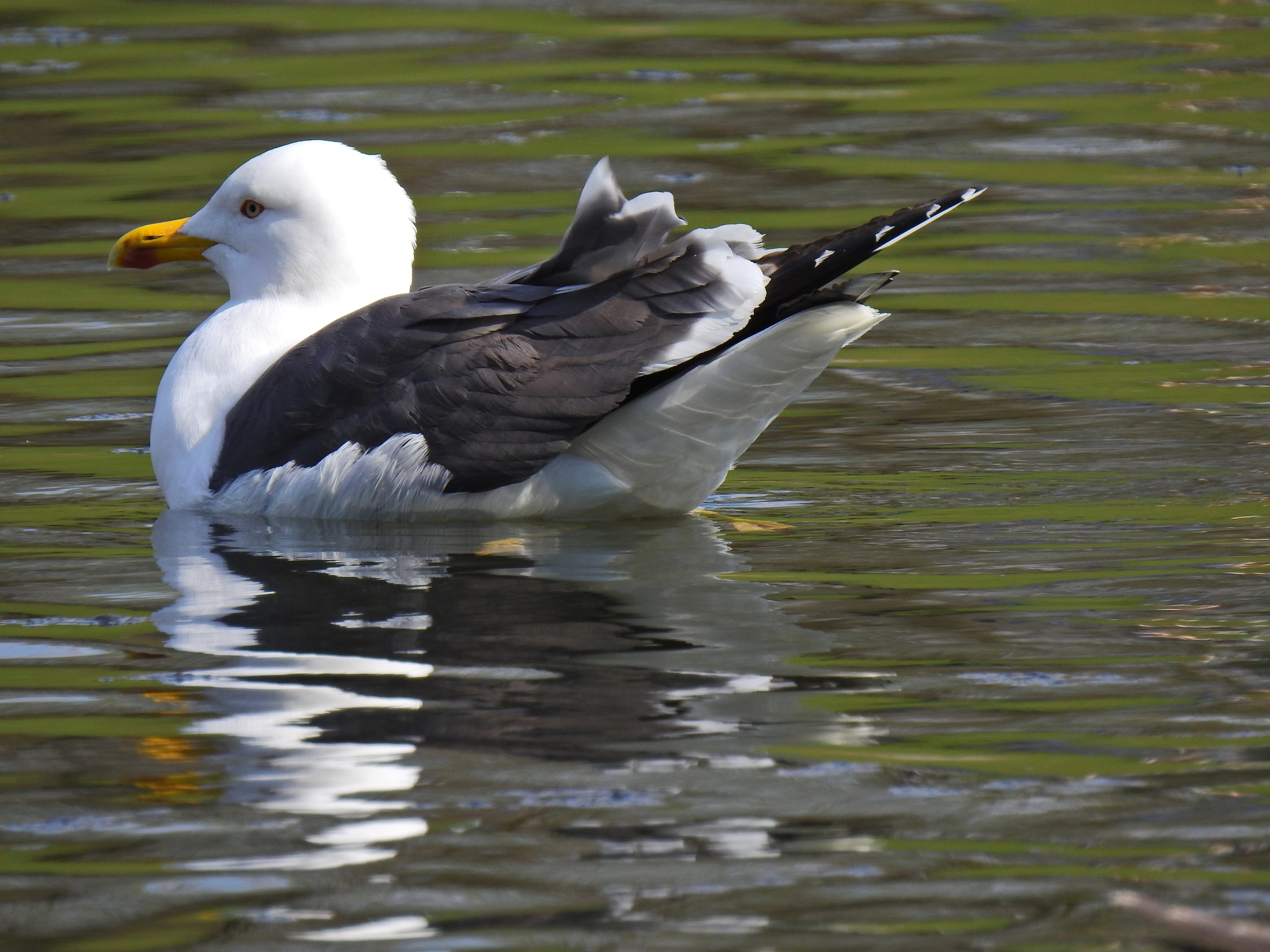
Official UK seabird monitoring published on 19 March 2026 reported steep long-term declines in natural-nesting lesser black-backed gulls (Larus fuscus), natural-nesting European herring gulls (Larus argentatus) and common terns (Sterna hirundo). Great black-backed gulls (Larus marinus) showed a more complex pattern, with a modest UK-wide decline that was too uncertain to distinguish clearly from no change but sharply contrasting trends in Scotland and Wales. The same release also reported lower common gull (Larus canus) productivity in 2024 than in 2023.
Three long-term declines were clear at UK level
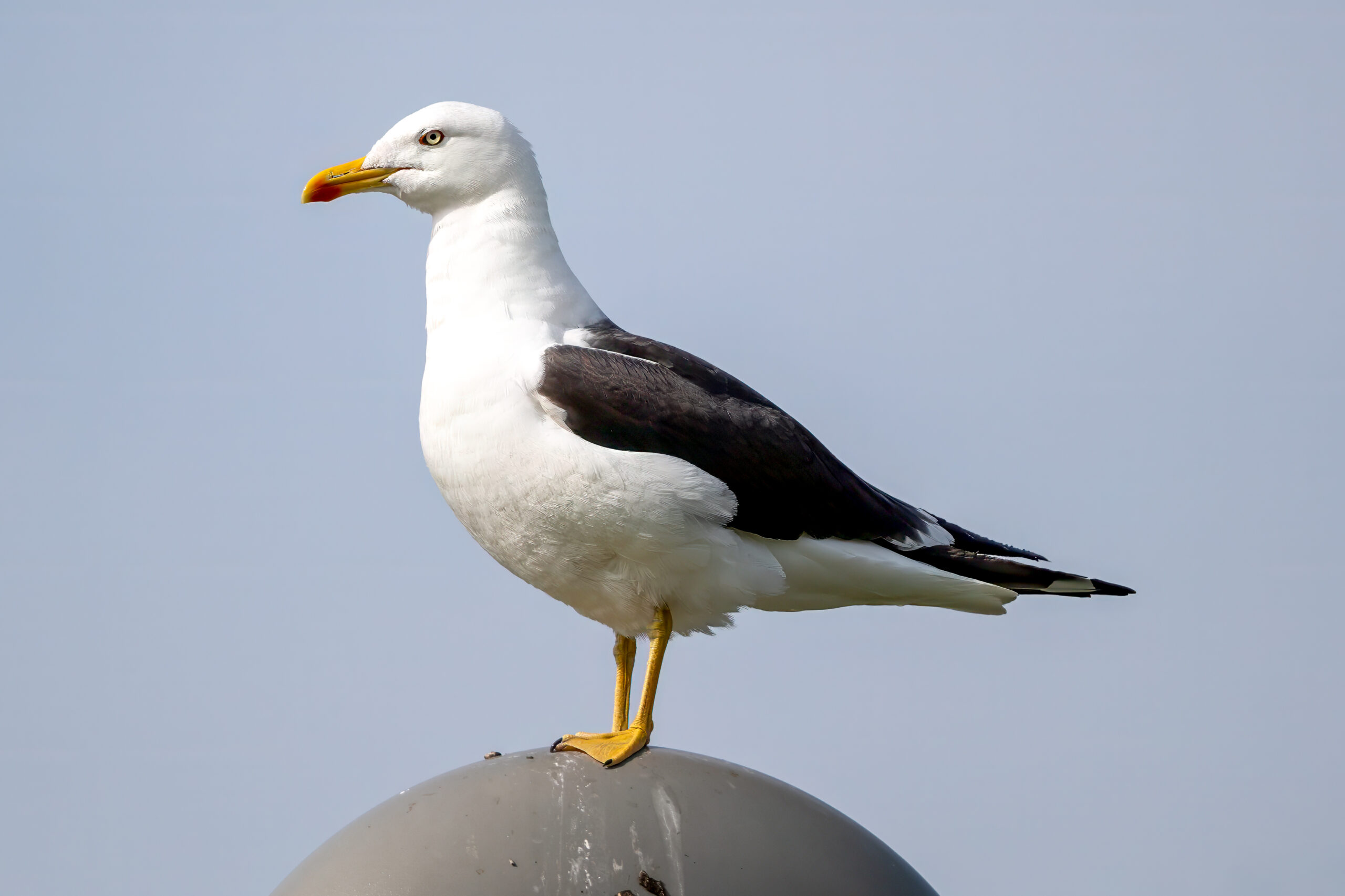
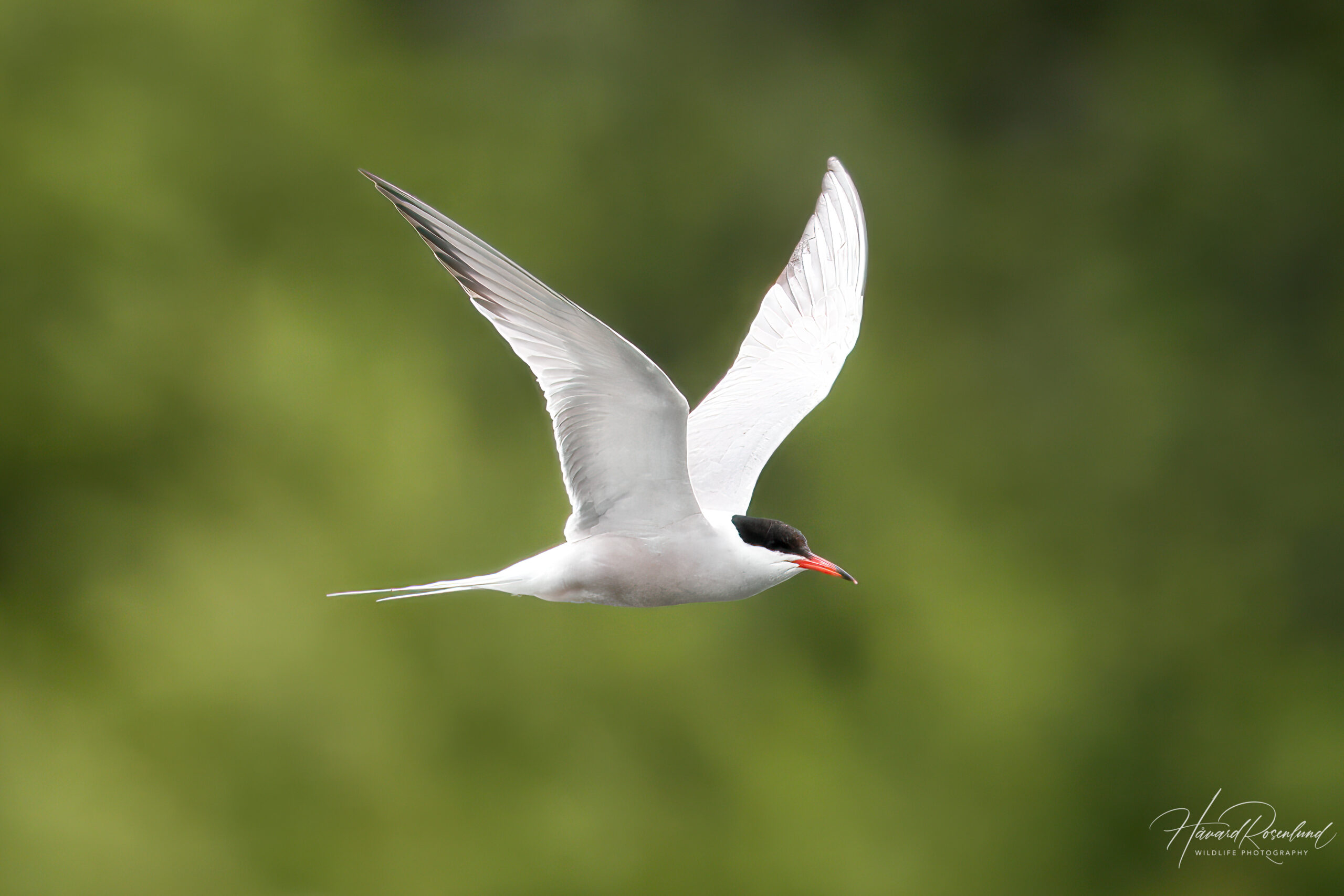
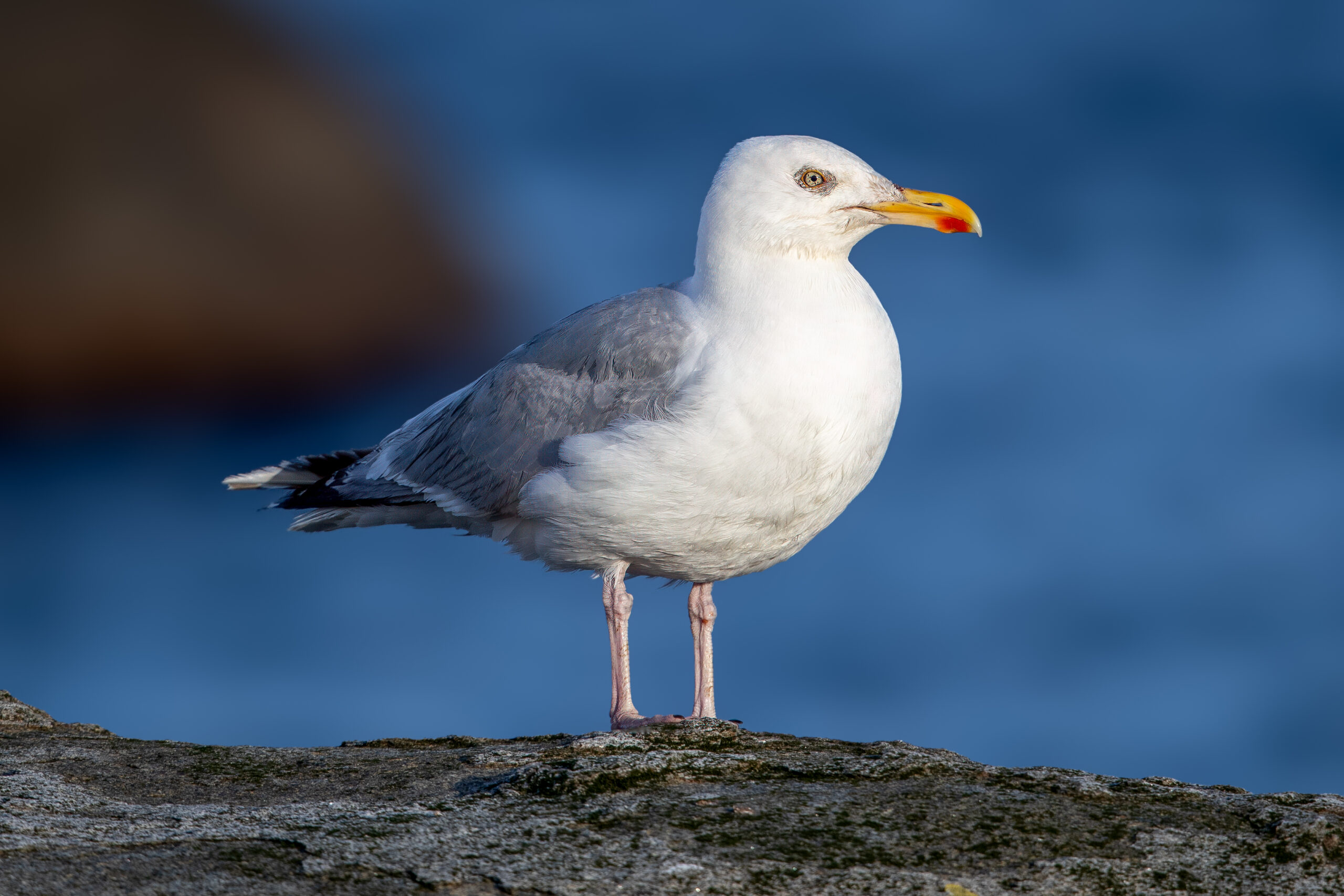
The UK abundance index for natural-nesting lesser black-backed gulls was 72% below its 1986 baseline in 2024 and 81% below the 2000 level. For natural-nesting European herring gulls, the corresponding declines were 51% and 47%. The common tern index was 63% below 1986 and 60% below 2000. These are relative abundance indices from monitored breeding sites rather than complete national counts of every breeding bird. All six changes were statistically significant.
The gull indices for lesser black-backed and European herring gulls cover birds nesting in natural or semi-natural habitats rather than rooftop and other urban colonies. This distinction matters because urban colonies are much harder to monitor consistently and are not represented by these long-term natural-nesting trends.
Great black-backed gulls diverged sharply between Scotland and Wales
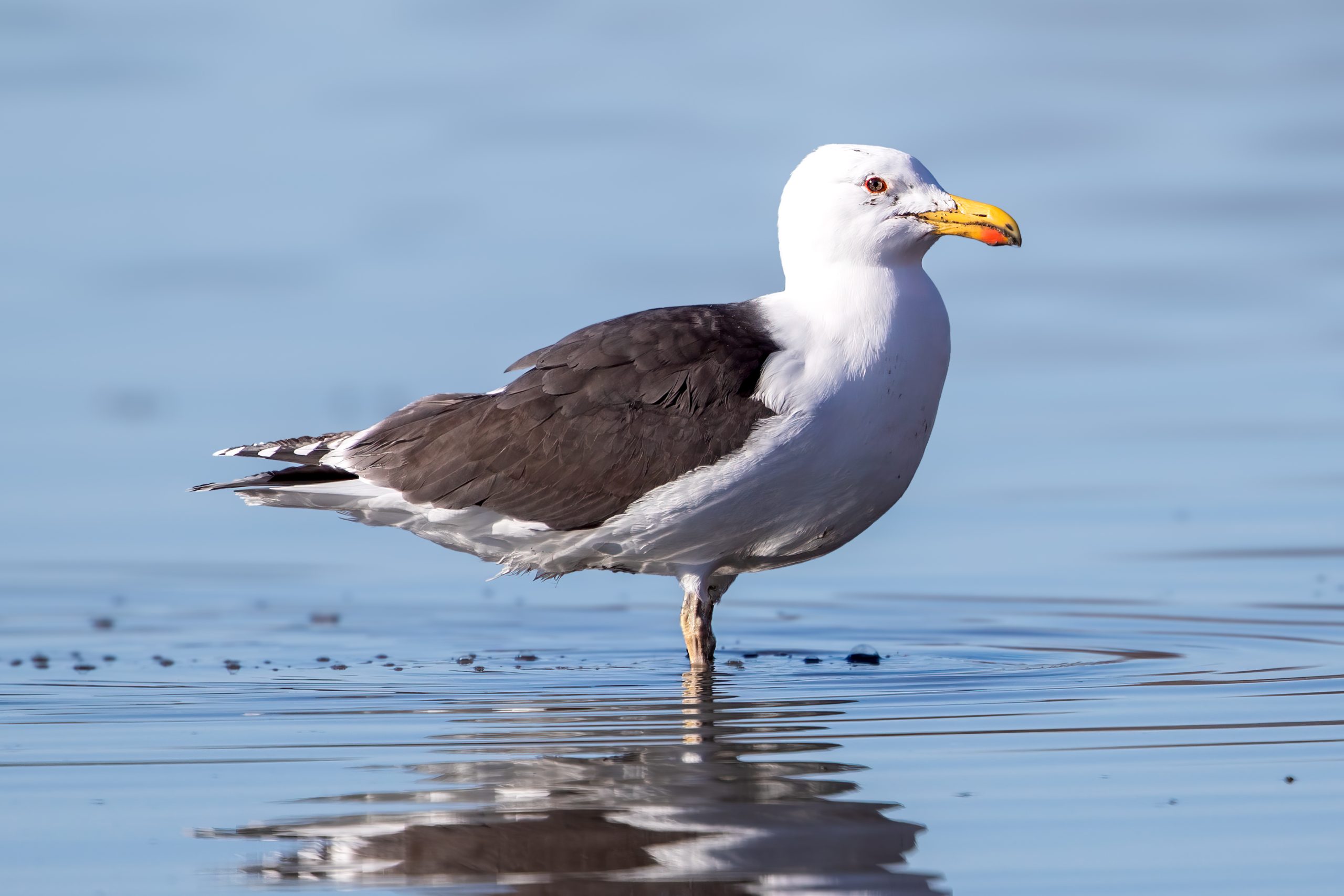
Across the UK, the great black-backed gull abundance index was 16% below the 1986 baseline and 20% below the 2000 level, but these changes were too uncertain to distinguish clearly from no change. Its estimated breeding productivity nevertheless increased from 2023 to 2024.
The country-level abundance trends were much more divergent. In Scotland, the index was 59% below 1986 and 57% below 2000, with both declines clearly supported. In Wales, by contrast, the abundance index was 170% above the 1986 baseline, a clear long-term increase. The shorter-term increase from 2000 to 2024 was too uncertain to distinguish clearly from no change.
Productivity moved in different directions in 2024
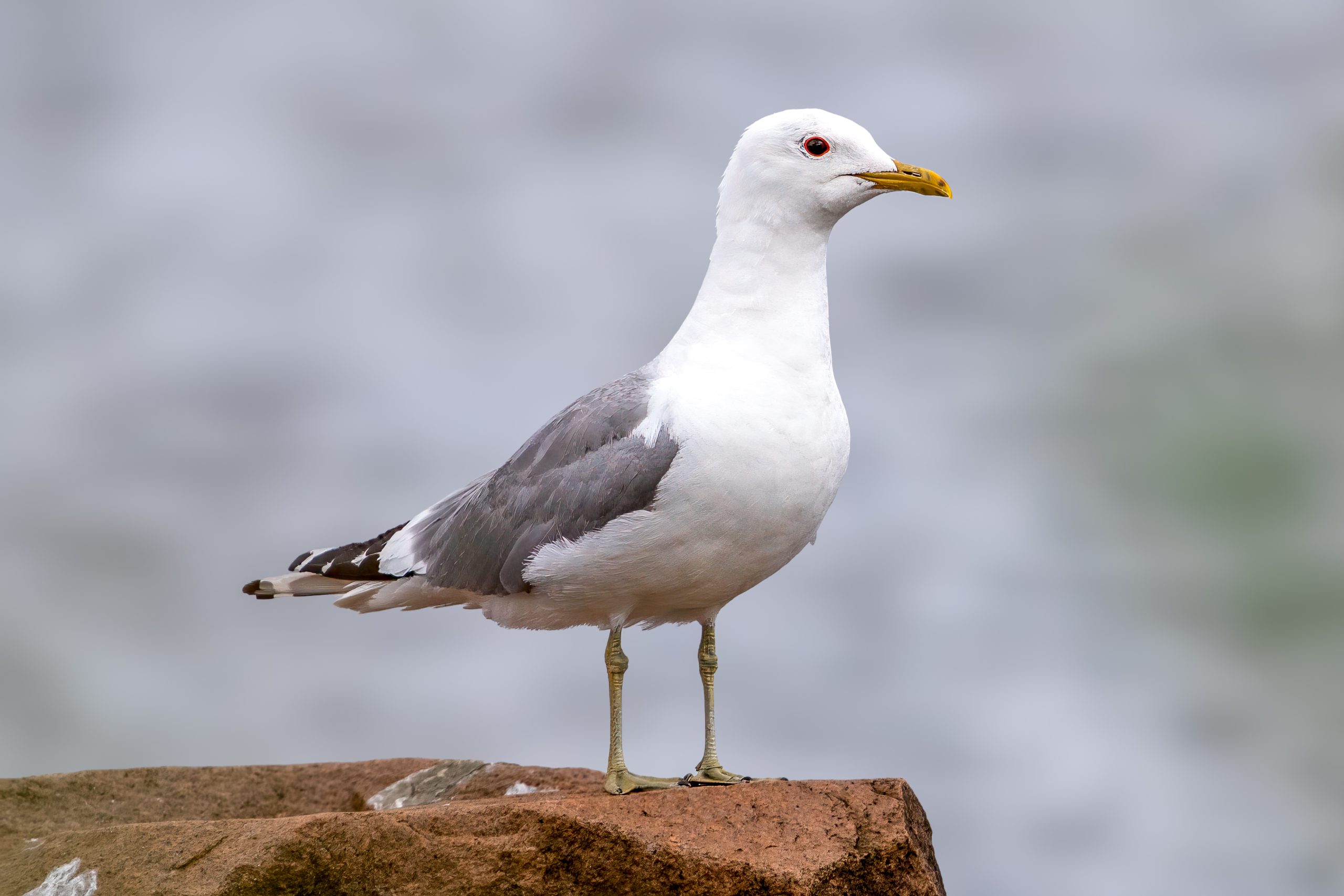
The annual productivity estimates did not all move in the same direction. Common gull, lesser black-backed gull and common tern productivity was lower in 2024 than in 2023, while European herring gull and great black-backed gull productivity increased. The year-to-year productivity differences are annual estimates rather than established long-term trends and should be read separately from the abundance changes above.
Population & status
Related news
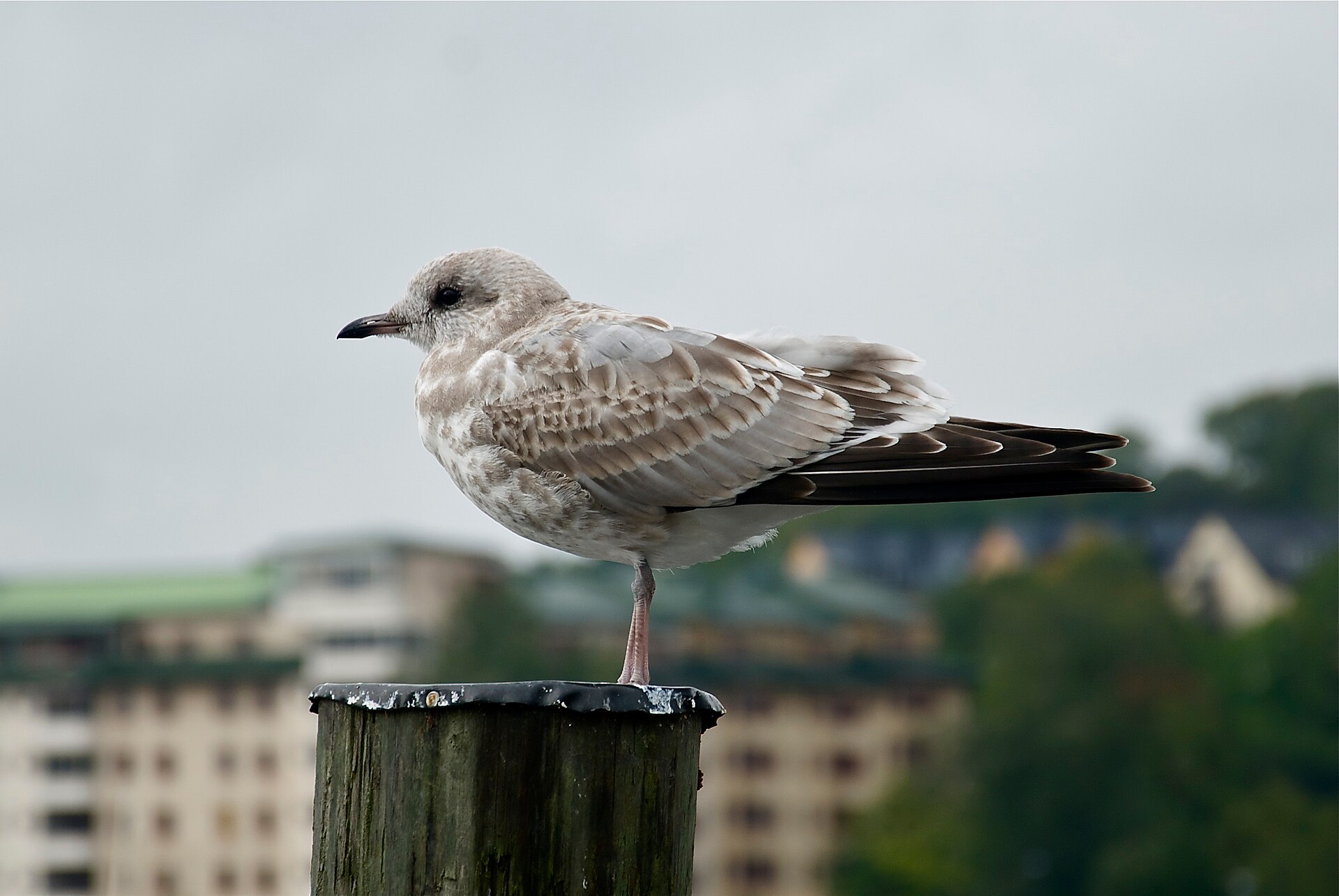
Scotland Requires Five-Year Population Reports for Five Gull Species
Scotland’s Natural Environment Act 2026 requires recurring five-year reports on coastal and urban populations of five named gull…
Read story →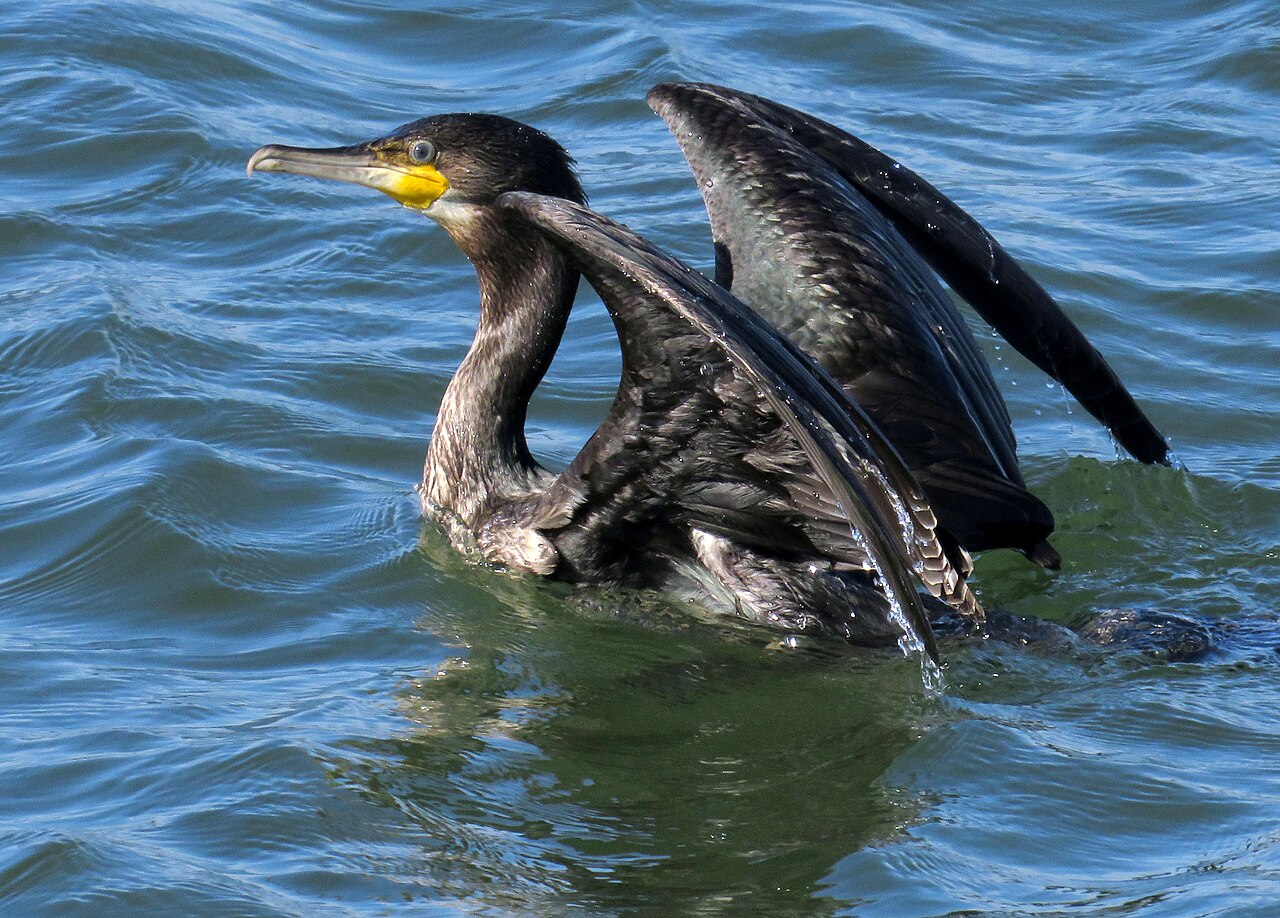
Cormorant and Large-Gull Counts Fell at a Danish Pound Net, but the Difference Disappeared Within Weeks
At one Danish pound net fitted with Looming-Eye Buoys, great cormorant and large-gull counts dropped sharply relative to…
Read story →
Winter Gull Survey: Great Black-backed Gull Fell 66%, Lesser Black-backed Gull 47%, Herring Gull Stayed Near 720,000
Britain’s first comprehensive winter-gull survey in two decades estimated 66.3% fewer great black-backed gulls and 47.2% fewer lesser…
Read story →SPECIES IN THIS STORY
Species in this story
Independent research and conservation news archive
Did you find this information useful?
Wildlife Vagabond is independently built and maintained. Voluntary support helps cover source verification, hosting and continued work on research and conservation news.
Support Wildlife VagabondThe news archive will remain freely available.