
Global Photo Dataset Shows Common Kestrel Diet Shifts With Season and Latitude
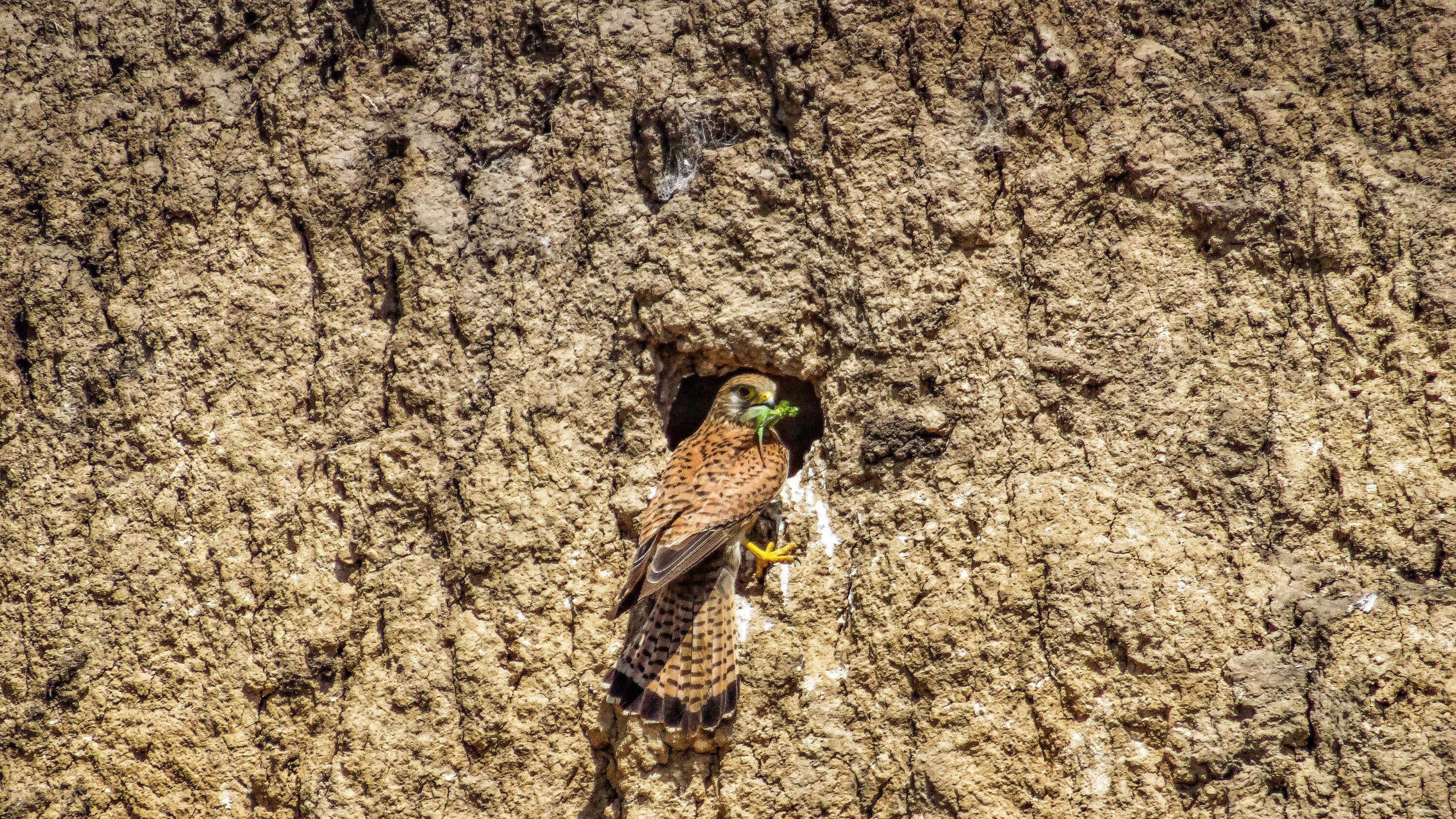
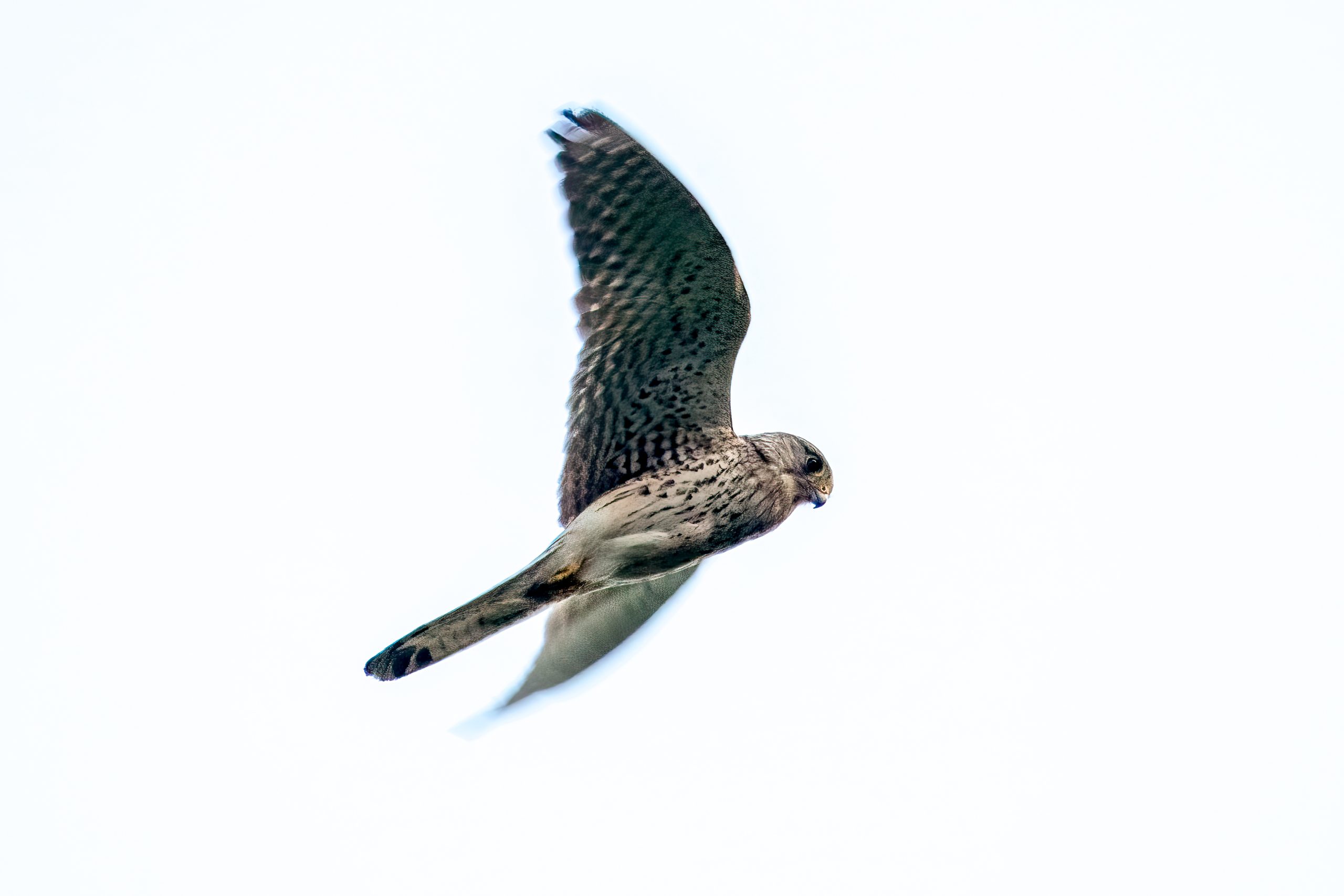
A global analysis of web-sourced bird photographs found clear seasonal and latitudinal variation in the diet of the common kestrel (Falco tinnunculus). The study was published on 13 March 2026 in Avian Research.
Researchers systematically screened 80,158 common kestrel photographs in the Macaulay Library, spanning 1973 to April 2025. They identified 1,708 independent predation events and retained 1,693 for detailed analysis. Mammals made up 36.4% of identified and unidentified predation records combined, followed by invertebrates at 14.9%, reptiles at 14.6%, birds at 11.9% and amphibians at 0.2%; 21.9% of prey could not be identified.
Kestrel diet shifted with season and latitude
Diet composition varied significantly with both season and latitude. Mammals contributed a larger proportion in winter and at higher latitudes, while invertebrate predation increased in autumn and toward lower latitudes. The researchers found no significant seasonal difference in prey size and no overall latitudinal trend in prey size. Within mammals, however, prey size decreased significantly with increasing latitude.
The authors describe the work as the first large-scale quantification of seasonal and latitudinal variation in common kestrel diet. They also highlight the value of large photographic archives for studying raptor feeding ecology across spatial and temporal scales that are difficult to cover through conventional field sampling alone.
Ecology
Related news
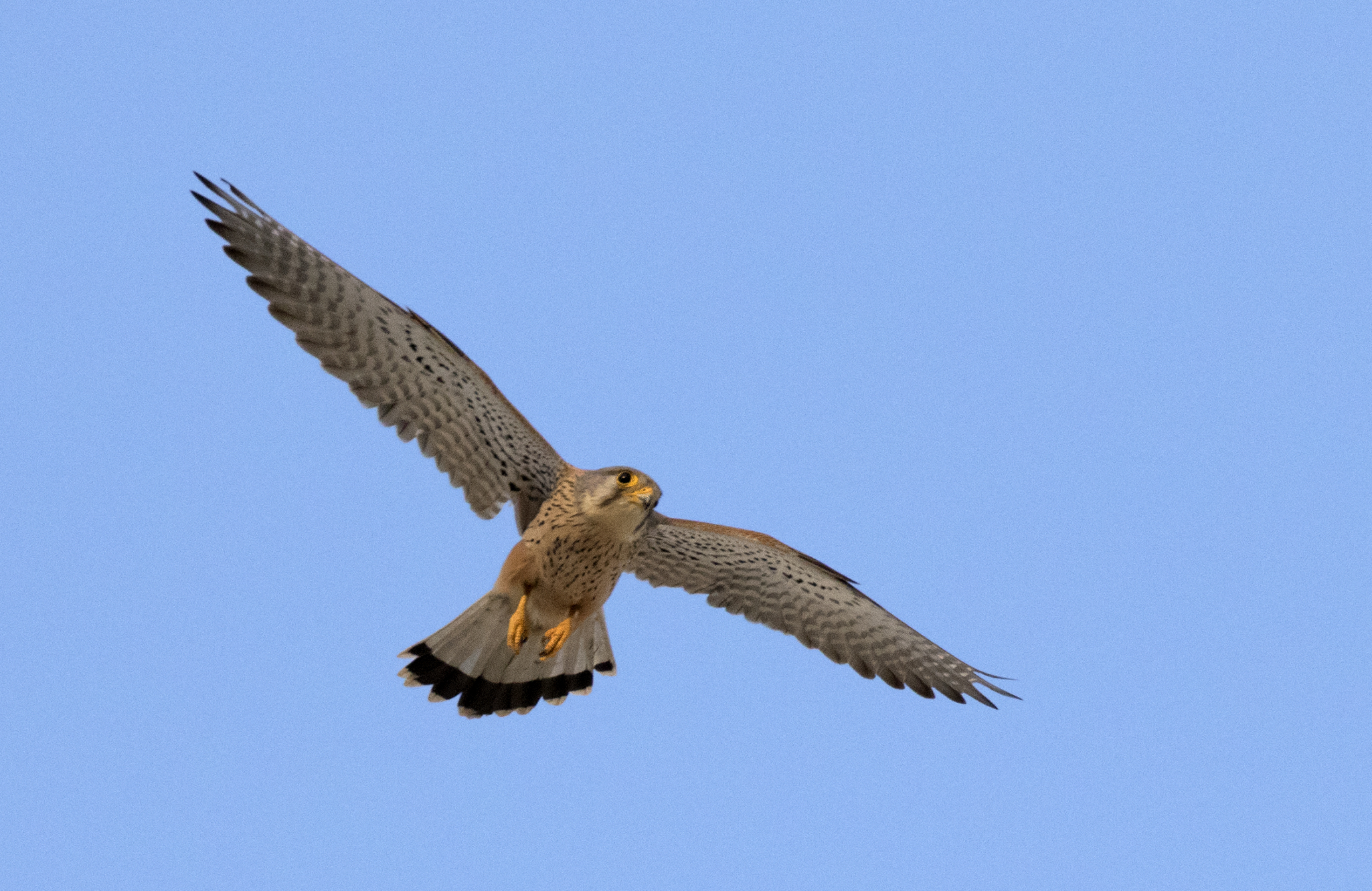
Kestrels Had More Densely Packed Mucous Glands Than Storks
A small study in Türkiye found roughly twice the density of mucus-producing glands in common kestrels’ windpipes as…
Read story →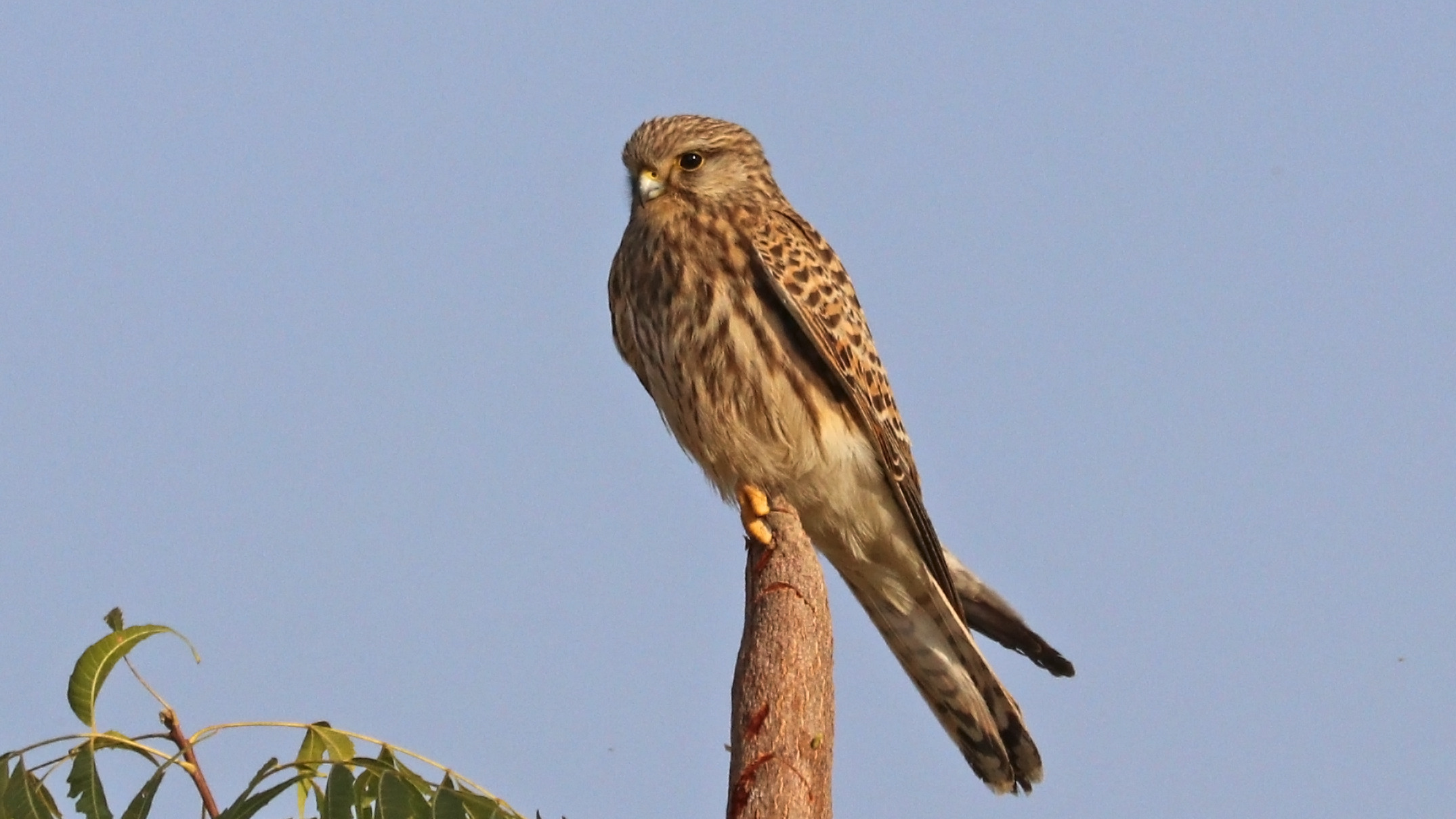
No Common Kestrels Were Recorded at Rani for Three Consecutive Winters
Fourteen winters of surveys at Rani in Assam produced 422 common kestrel records, but sightings declined after 2020…
Read story →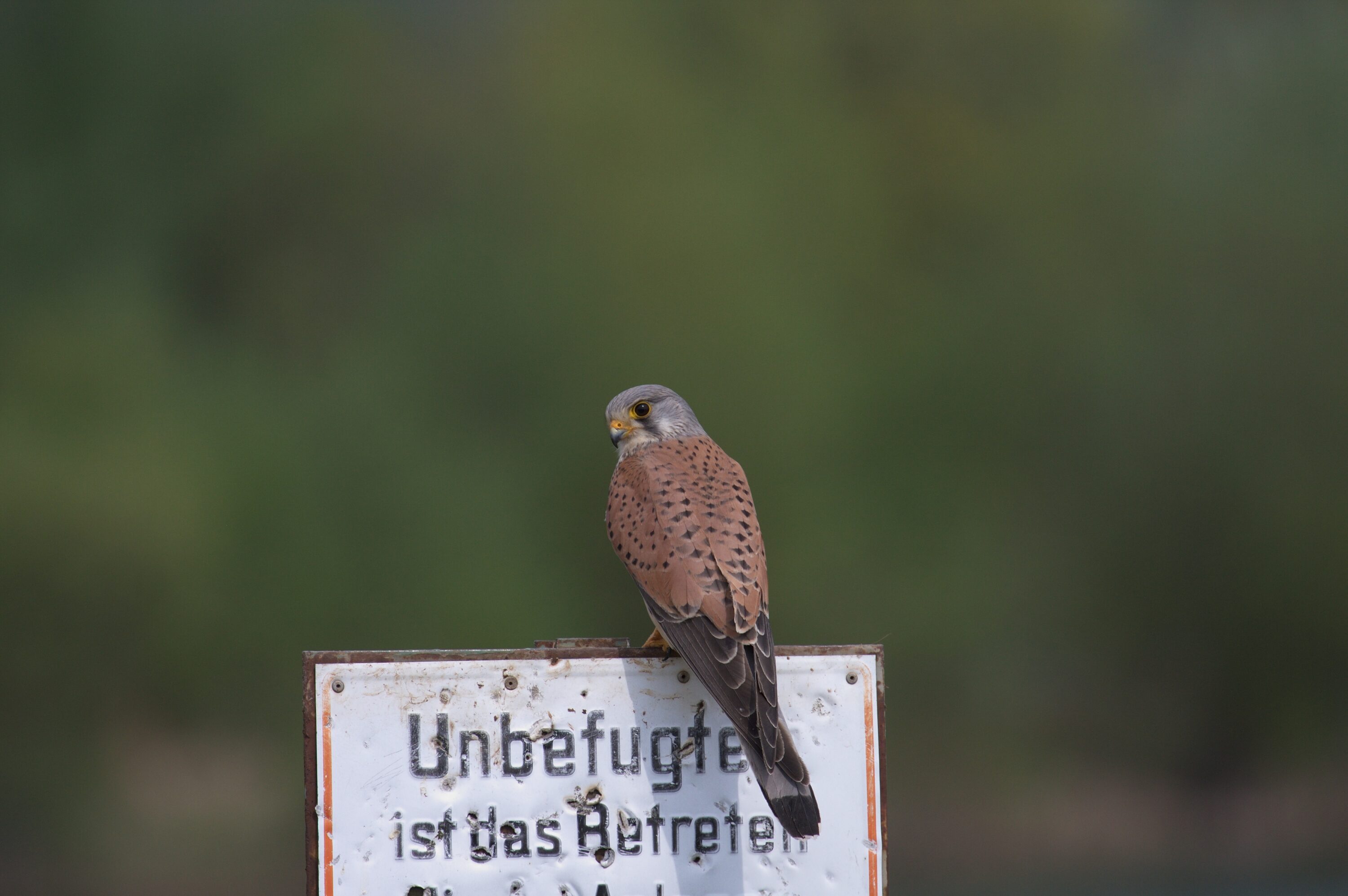
Winter Surveys Estimated 5.59 Common Kestrels and 2.61 Common Buzzards per km² in Parma Farmland
Roadside distance sampling in northern Italy estimated 5.59 common kestrels and 2.61 common buzzards per km², while the…
Read story →SPECIES IN THIS STORY
Species in this story
Independent research and conservation news archive
Did you find this information useful?
Wildlife Vagabond is independently built and maintained. Voluntary support helps cover source verification, hosting and continued work on research and conservation news.
Support Wildlife VagabondThe news archive will remain freely available.