
Common Pheasants Were Not More Abundant in English Survey Squares With More Protected Land
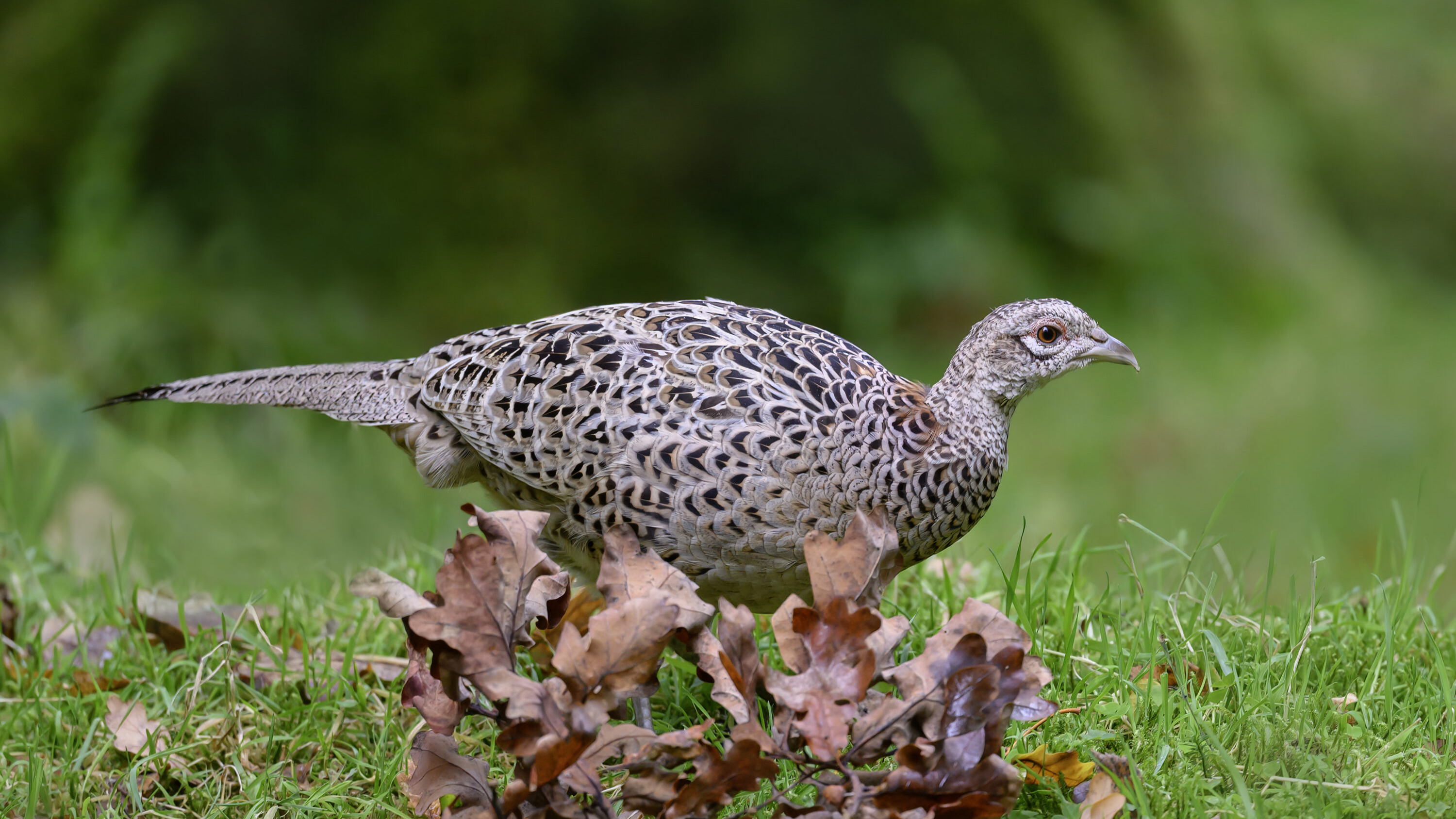
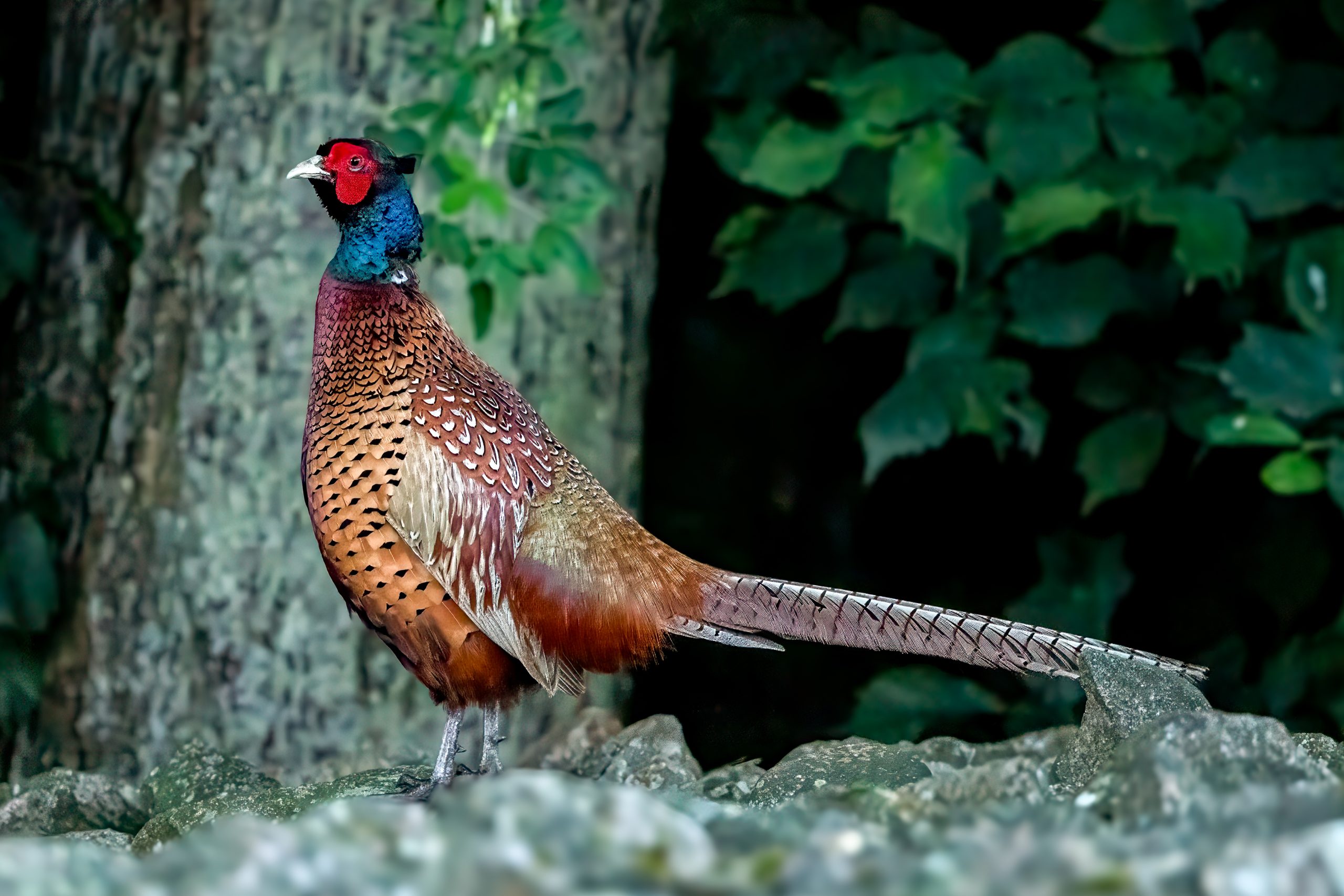
Tens of millions of common pheasants (Phasianus colchicus) are released across the UK for shooting, raising concern about ecological effects if the birds move into protected areas. Using British Trust for Ornithology atlas data, researchers tested whether pheasants were relatively more abundant in English survey squares with a larger share of suitable protected land. They analysed 3,793 2 × 2 km tetrads across Berkshire, Cornwall, Devon and Hertfordshire, comparing winter and breeding-season records. The relative-abundance measure compared each tetrad with the county-level pheasant population at that time, so it described where pheasants were concentrated rather than estimating an absolute number of birds.
Protected-Area Coverage Did Not Predict Pheasant Abundance
There was no evidence that relative pheasant abundance increased as protected-area coverage increased. The relationship did not differ between winter and the breeding season or among the four counties. Habitat was more clearly linked to pheasant abundance: relative abundance was higher with more broadleaf woodland and arable cover and lower with more built-up areas and gardens.
The seasonal comparison tested whether pheasants shifted into or remained in protected areas after game management associated with the shooting season had declined. The authors say the lack of a protected-area relationship suggests pheasants did not preferentially disperse into or stay in protected areas compared with surrounding unprotected land. They therefore found no evidence that ecological impacts from released pheasants would be more likely inside protected areas simply because the birds were more abundant there.
The Analysis Provides a Baseline
The atlas data were collected between 2000 and 2013 and came from four predominantly lowland counties in southern England. Pheasant release numbers, land use and licensing around protected areas have changed since then, and effects or movements within a single survey square could be obscured at the 2 × 2 km scale. The authors therefore describe the analysis as a baseline, not as evidence that released pheasants cannot have ecological effects within protected areas.
Ecology
Related news
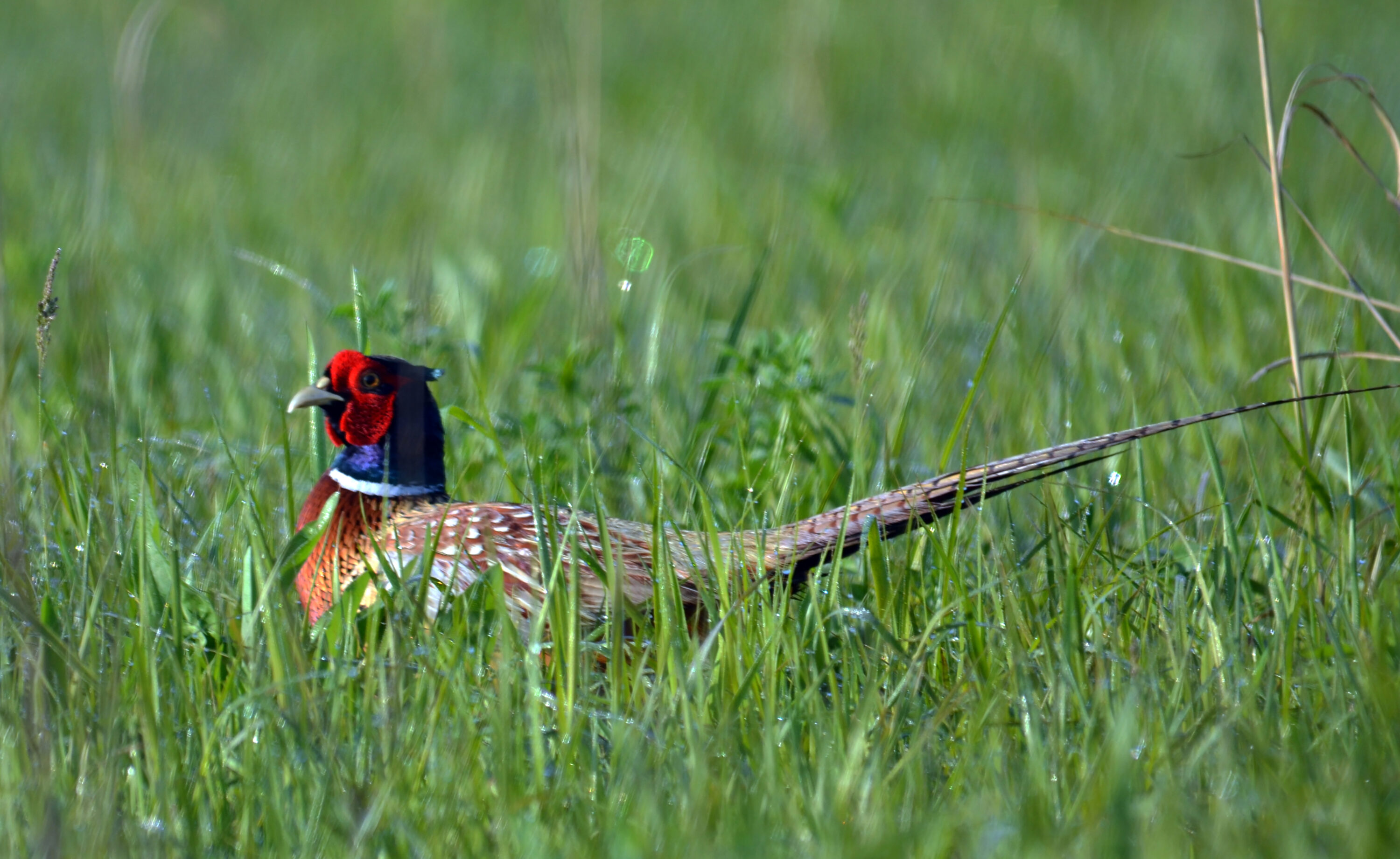
Iowa’s Pheasant Roadside Index Fell 17% From 2025 but Stayed Above the 10-Year Trend
Iowa’s 2026 August roadside survey averaged 22.6 pheasants per comparable 30-mile route, down 17% from 2025 but still…
Read story →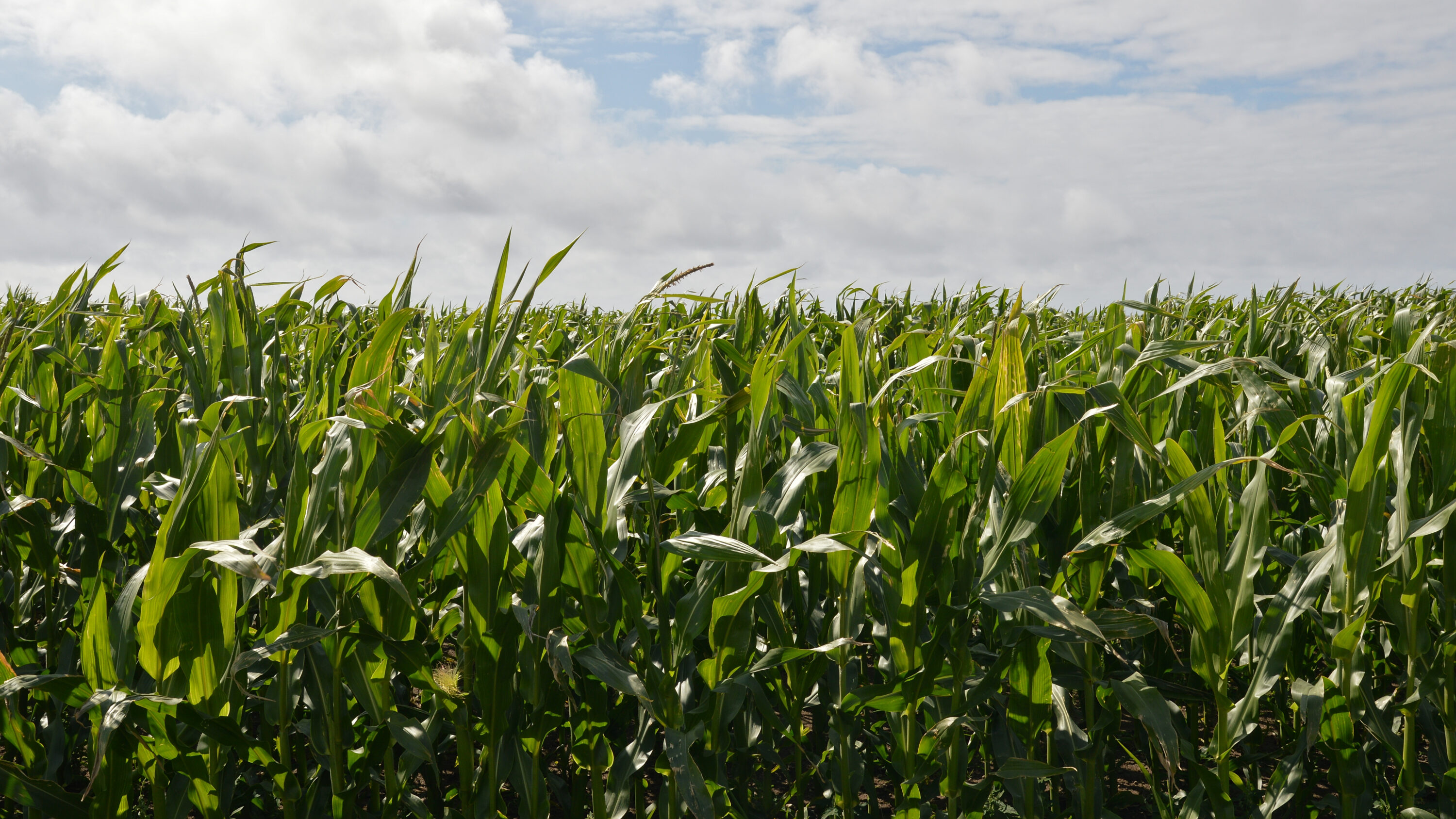
Polish Maize Fields Had Fewer Breeding Bird Species and Lower Bird Density
Across 122 plots in Poland, maize fields had fewer breeding bird species and lower bird density than mosaics…
Read story →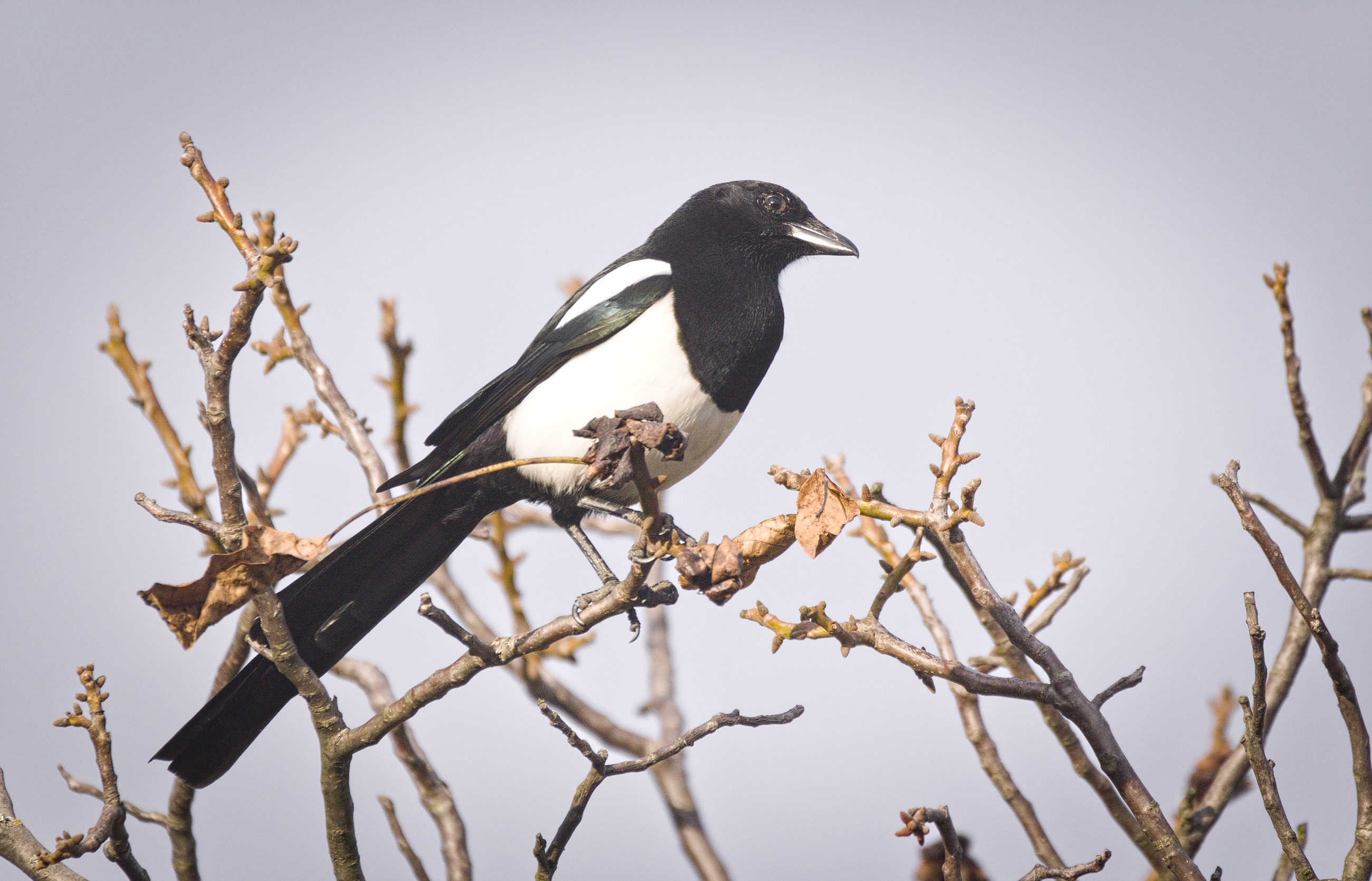
Magpies Dominated Predation on Artificial Pheasant Nests in Polish Urban Sites, Red Foxes in Farmland
Eurasian magpies were the main predator at destroyed artificial pheasant nests in Polish urban sites, while red foxes…
Read story →SPECIES IN THIS STORY
Species in this story
Independent research and conservation news archive
Did you find this information useful?
Wildlife Vagabond is independently built and maintained. Voluntary support helps cover source verification, hosting and continued work on research and conservation news.
Support Wildlife VagabondThe news archive will remain freely available.