
Common Swift Faecal Sacs Contain Measurable Energy That Parents May Recycle
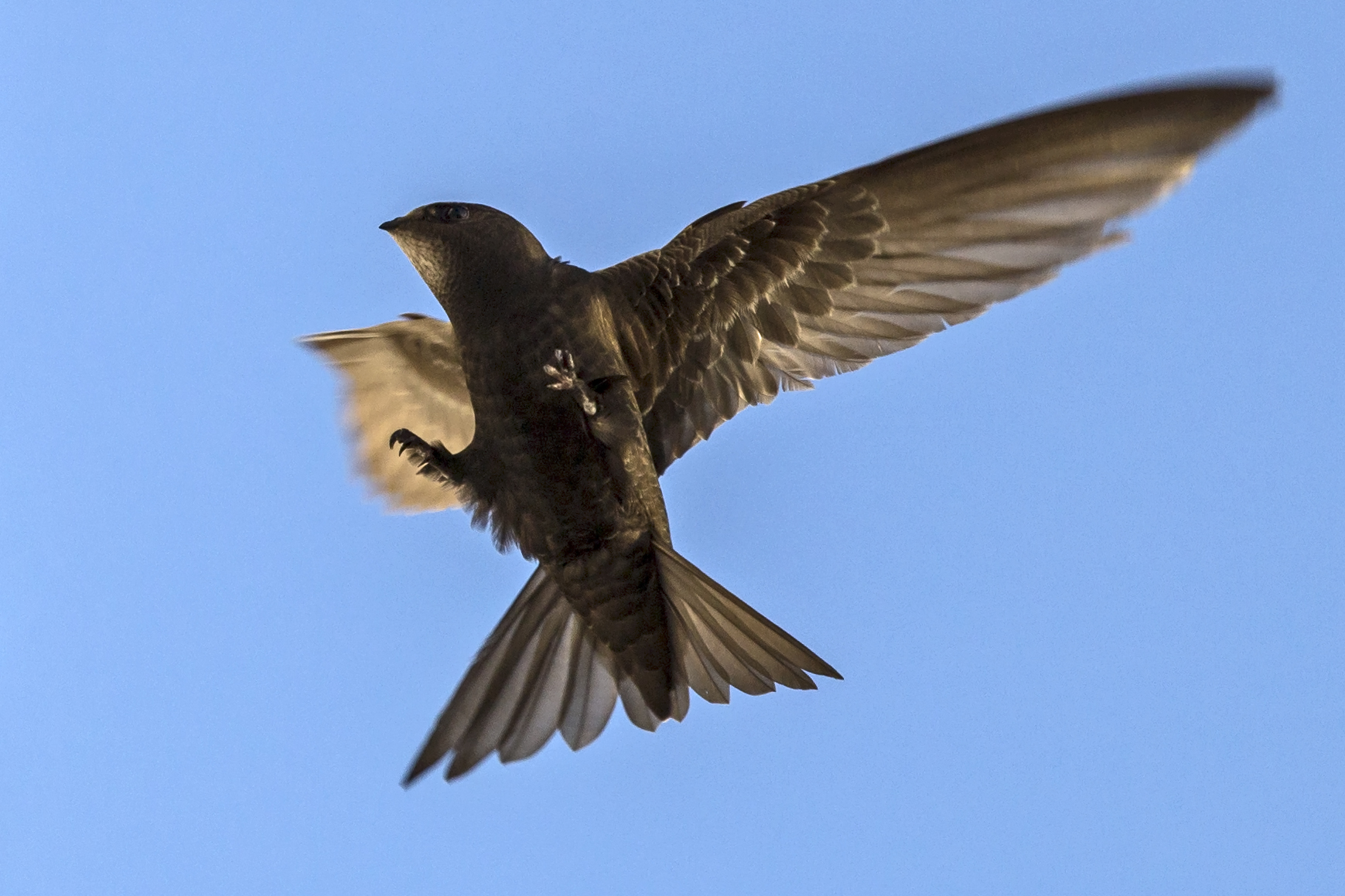
Common swifts (Apus apus) are known to swallow some of the faecal sacs produced by their nestlings, and a 2026 study has now measured how much chemical energy those sacs actually contain. The result gives researchers a quantitative basis for testing whether eating nestling waste can return a meaningful amount of energy to provisioning parents.
Average energy per faecal sac was 1.94 kJ
Researchers collected 224 faecal sacs remaining in nine swift nests in central Israel after the young had fledged. Using bomb calorimetry, they measured an average gross energy content of 1.94 kilojoules per sac, with individual samples ranging from 0.20 to 5.51 kilojoules. Larger dry sacs generally contained more energy. Energy also differed among nests: nest identity accounted for about 23% of the total variation, although the sampling design could not identify what caused those differences.
The behaviour is usually discussed as nest sanitation. Removing or swallowing faecal sacs can reduce waste around the nest and potentially lower exposure to pathogens and parasites. In common swifts, however, adults have previously been filmed ingesting sacs frequently during the early nestling period, raising the possibility that sanitation also provides some nutritional return.
The authors describe faecal-sac ingestion as a possible form of energetic recycling in addition to nest sanitation. Their measurements show that the sacs contain gross chemical energy, which is a necessary condition for such recycling.
The study did not demonstrate a net energy benefit
They stress, however, that the study does not demonstrate a net energetic benefit to the adults. The researchers did not measure how often sacs were eaten or how efficiently their contents were digested and assimilated, and the samples were collected after fledging rather than from sacs known to have been consumed.
The authors conclude that resolving the ecological importance of the behaviour will require combining energy measurements with data on ingestion frequency, chick age, provisioning, diet and adult energy budgets.
Physiology
Related news
Study Reports First Documented Avipoxvirus Infection in a Swift Species
Four juvenile Common Swifts from three breeding sites in Germany developed avipoxvirus-associated wing lesions. Two recovered and were…
Read story →
Common Swifts Reused Previous Nest Sites in More Than 94% of Repeat Breeding Records
A 15-year study found that common swifts reused previous nest sites in about 94–95% of repeat breeding records.…
Read story →
2023 Survey Found Eurasian Tree Sparrows in 7.8% of a Beijing Swift Tower’s Usable Boxes
A 2023 breeding-season survey found Eurasian tree sparrows in 137 of 1,763 usable boxes in a Beijing tower…
Read story →SPECIES IN THIS STORY
Species in this story
Independent research and conservation news archive
Did you find this information useful?
Wildlife Vagabond is independently built and maintained. Voluntary support helps cover source verification, hosting and continued work on research and conservation news.
Support Wildlife VagabondThe news archive will remain freely available.