
Common Tern Eggs Had More PCBs, HCB and Mercury Than Oystercatcher Eggs in 40-Year Wadden Sea Study
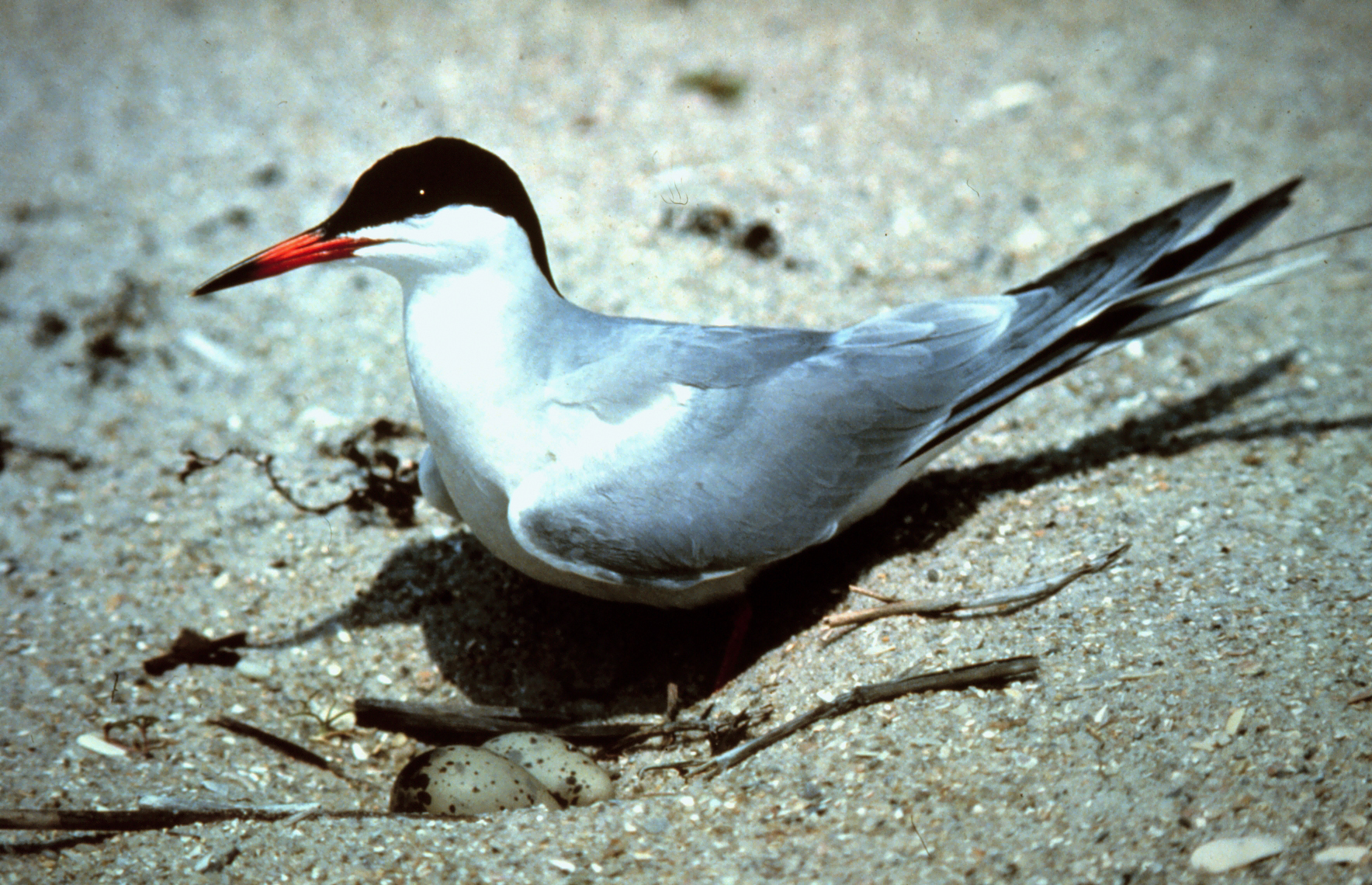
Four decades of bird-egg monitoring in the Wadden Sea found higher concentrations of 18 consistently monitored individual PCB compounds, hexachlorobenzene (HCB) and total mercury in common tern (Sterna hirundo) eggs than in Eurasian oystercatcher (Haematopus ostralegus) eggs. The study analysed pollution records spanning 1981–2023 and was published online in late August 2026.
The monitoring formed part of the Trilateral Monitoring and Assessment Programme (TMAP) for the Wadden Sea. Across the study period, the researchers examined 77 pollutants or pollutant compounds in eggs from the two bird species. These included several groups of persistent organic pollutants (POPs) — chemicals that break down slowly and can remain in ecosystems for long periods — as well as total mercury. PCBs are a family of long-lived chlorinated industrial compounds. The study included DDT-related compounds, chlordanes, hexachlorocyclohexanes, up to 62 individual PCB compounds, HCB and mercury; 18 PCB compounds were analysed consistently across the monitoring period.
Common tern eggs carried the higher contaminant burden
Common tern eggs contained higher concentrations of the consistently monitored PCB group, HCB and total mercury than oystercatcher eggs. The researchers also found that concentrations of most of the organochlorine pollutants were correlated with one another, whereas total mercury followed a different pattern. The authors therefore highlight concern about combined effects from simultaneous exposure to several contaminants.
Pollution was not evenly distributed across the Wadden Sea. Hotspots occurred around the estuaries of the Elbe, Ems and Weser rivers. Despite the long-term decline in many contaminants, the study reports that levels of most pollutants in almost all eggs still exceeded the safety thresholds used in the assessment.
Most pollutants declined, but some have risen again
The overall long-term trend was nevertheless downward. Concentrations of every pollutant group except summed chlordane decreased over the monitoring period. For mercury, the proportion of eggs above the study’s low-risk threshold for detrimental effects fell from 74% in the 1980s to 22% in the 2020s.
The decline was not uniform through time. Several pollutants showed slight increases again in recent years, which the authors identify as a reason to continue long-term monitoring and to add emerging contaminants to future surveillance. Bird eggs are useful for this purpose because repeated sampling can reveal both geographic differences and long-term changes in contamination experienced by breeding females and their environment.
Threats
Related news
Lapwings Nest Later Further North in Britain, but Oystercatchers Start Earlier
Lapwings and oystercatchers follow different breeding calendars. British nest records show that fixed grazing and mowing dates can…
Read story →
DNA in Common Tern Chick Droppings Closely Matched the Fish Adults Delivered
Across three breeding seasons, the proportion of dietary DNA reads assigned to each prey type closely matched the…
Read story →
Common Terns Extended Foraging Trips by Up to 87% in Poor Prey and Productivity Years
Four Gulf of Maine breeding seasons showed that common terns increased foraging-trip duration by 23–87% and expanded foraging…
Read story →SPECIES IN THIS STORY
Species in this story


Independent research and conservation news archive
Did you find this information useful?
Wildlife Vagabond is independently built and maintained. Voluntary support helps cover source verification, hosting and continued work on research and conservation news.
Support Wildlife VagabondThe news archive will remain freely available.