
ACTH Challenge Produced a Detectable Rise in Stress-hormone Metabolites in Common Waxbill Droppings
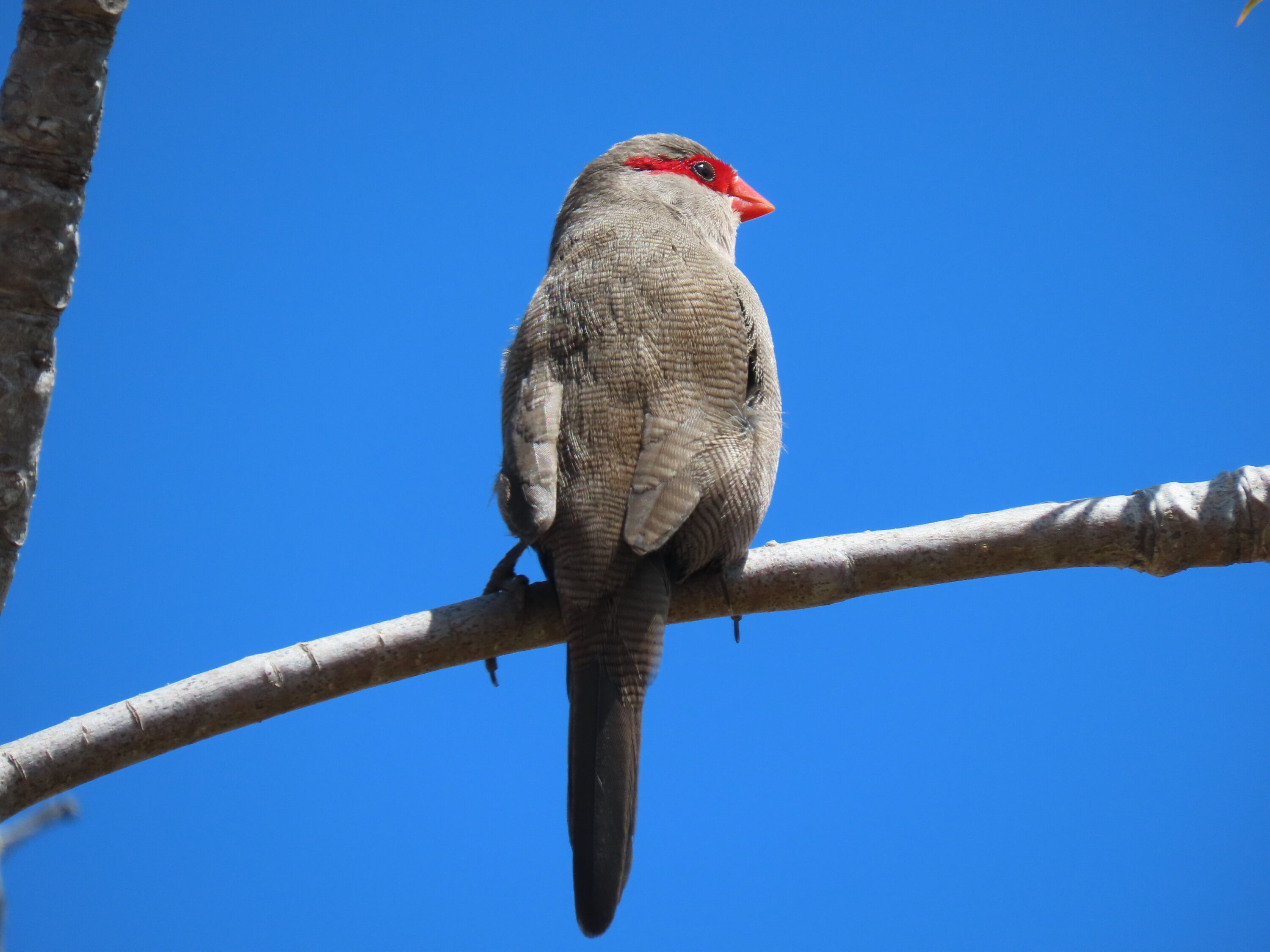
A controlled physiology study first published on 4 May 2026 showed that stress-related hormone metabolites can be measured non-invasively in droppings from common waxbills (Estrilda astrild). Steroid metabolites are breakdown and processing products formed as hormones are transformed in the body before being excreted. Glucocorticoids are central to the physiological stress response, while androgens include reproductive hormones such as testosterone. The 24 birds had been captured from agricultural areas near Póvoa de Varzim in northern Portugal and were later studied in captivity to test which excreted metabolites could provide reliable indicators of these two hormonal systems.
Many steroid metabolites were excreted in bound forms
The analytical screening recovered 18 of 23 candidate steroids from the droppings, and 11 were detected reliably enough to be considered useful candidates. For the physiological validation, the researchers focused on 18-OH-corticosterone, cortisone, 11-deoxycorticosterone and testosterone; androsterone fell below detection limits. Enzymatic hydrolysis before liquid chromatography–mass spectrometry increased the overall recovery of steroid metabolites by more than fourfold. This indicates that much of the steroid material was excreted in conjugated forms that had to be chemically cleaved before the metabolites could be recovered efficiently.
ACTH produced the clearest glucocorticoid response
Twelve birds received adrenocorticotropic hormone (ACTH), which stimulates the adrenal stress response. Cortisone-like glucocorticoid metabolites rose clearly and peaked about two to three hours after the challenge. 18-OH-corticosterone showed a similar-looking peak around two hours, but the evidence for that change was too weak to separate it clearly from normal variation, and neither 11-deoxycorticosterone nor testosterone showed a clear response to ACTH.
A separate group of 12 birds received luteinizing hormone-releasing hormone (LHRH) to test reproductive-hormone responses, but testosterone metabolites showed no clear change within six hours. The authors therefore identify cortisone-like glucocorticoid metabolites as the clearest validated marker and present the method as a way to monitor physiological stress with minimal disturbance and handling bias.
Physiology
Related news

Older Female Common Waxbills Became More Subordinate During Breeding Seasons
In a five-year semi-natural study in Portugal, male and female common waxbills began with similar dominance, but ageing…
Read story →
Three Invasive Songbirds Had Higher Heat-Tolerance Limits Than Native Mediterranean Counterparts
Three invasive songbirds had heat-tolerance limits averaging 6.2 °C higher than three native species including European goldfinch and…
Read story →
Acute Corticosterone Increase Raised Aggression in Common Waxbills
Captive experiments found that common waxbills with higher baseline corticosterone were less aggressive, but an acute experimental increase…
Read story →SPECIES IN THIS STORY
Species in this story

Independent research and conservation news archive
Did you find this information useful?
Wildlife Vagabond is independently built and maintained. Voluntary support helps cover source verification, hosting and continued work on research and conservation news.
Support Wildlife VagabondThe news archive will remain freely available.