
First Complete Mitochondrial Genome Published for the Common Whitethroat
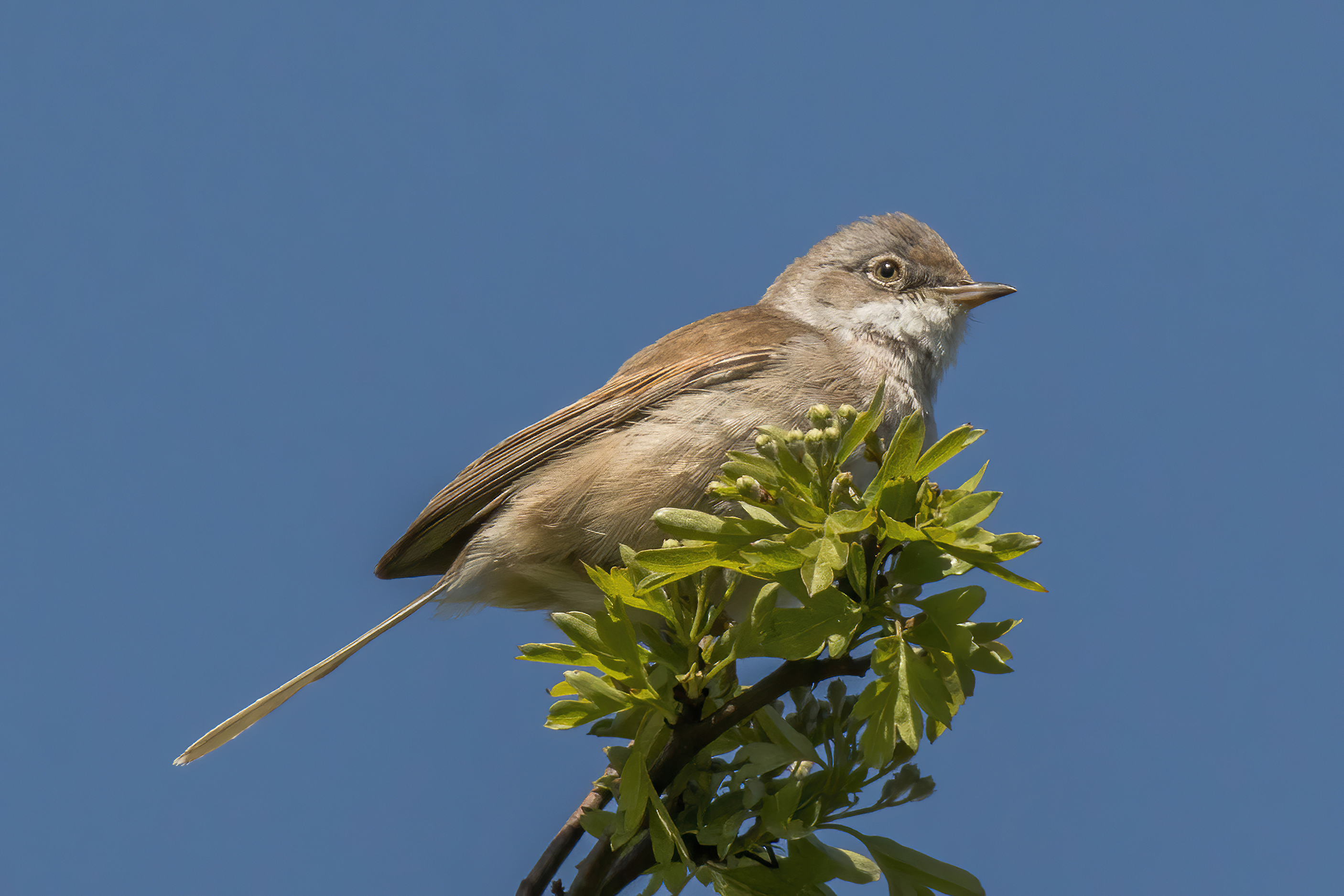
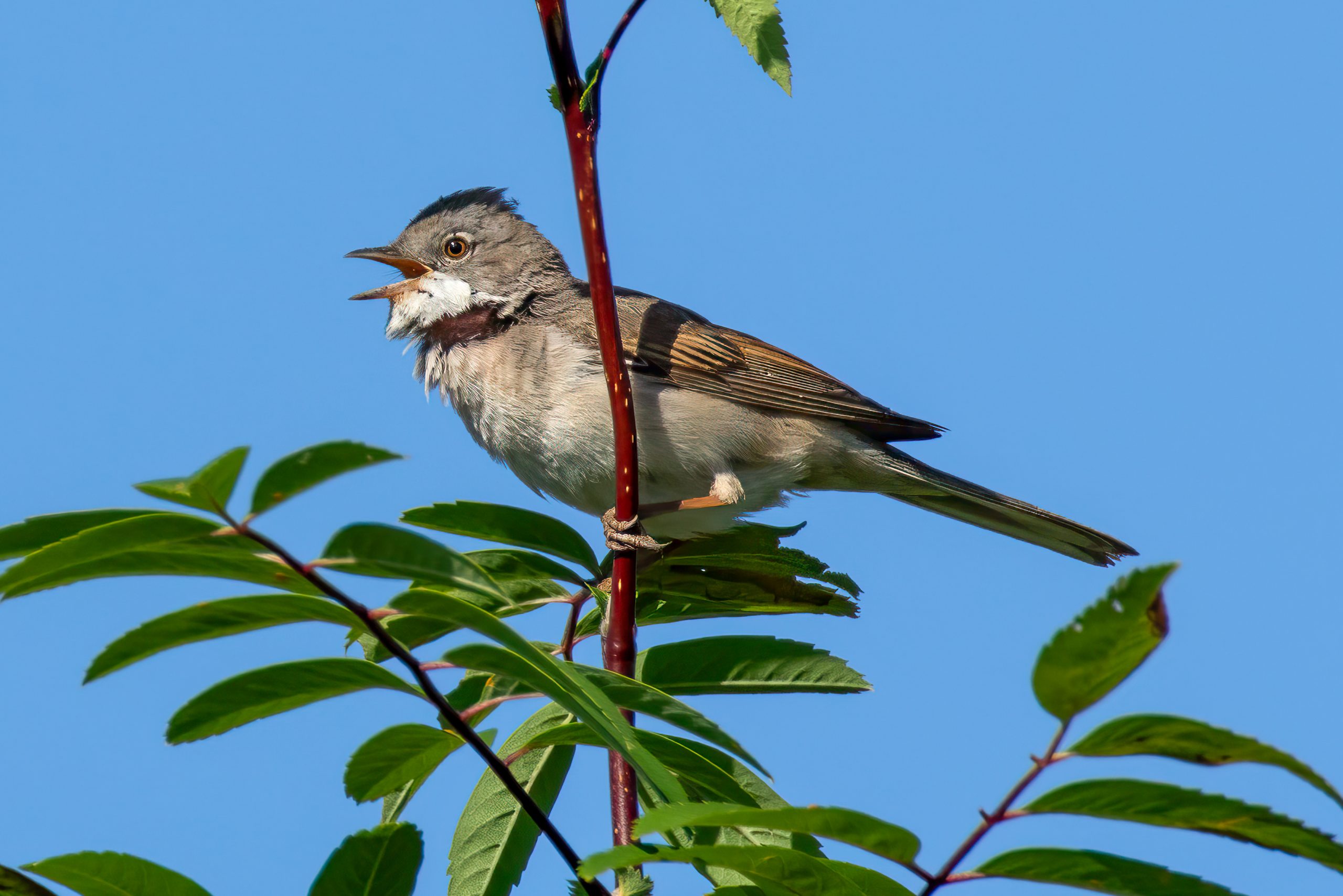
Researchers have published the first complete mitochondrial genome for the common whitethroat (Curruca communis). A mitogenome is the complete DNA sequence carried by the mitochondria, separate from the much larger genome in the cell nucleus. Complete mitochondrial sequences provide a common genetic reference for comparing evolutionary relationships and genetic variation among species and populations.
The new common-whitethroat mitogenome was assembled after enrichment of mitochondrial DNA and is 17,141 base pairs long. It contains the standard set of 13 mitochondrial protein-coding genes, two ribosomal RNA genes and 22 transfer RNA genes.
One long and one shortened control region
The genome also contains two control regions of unequal length. These are non-protein-coding parts of the mitochondrial genome. The same structural pattern occurred in the other Curruca mitogenomes used in the comparison: one control region was long and the second was shortened.
This differed from most known mitochondrial genomes of the related genus Sylvia, where two control regions of nearly equal length are more common. The authors note that the unequal pair is unusual more broadly within the passerine superfamily Sylvioidea, making genome structure itself useful for comparative evolutionary work.
The sequence clarified relationships within Curruca
A phylogenetic analysis using mitochondrial sequences placed the common whitethroat as the sister lineage to the clade formed by the two other Curruca species with complete mitogenomes in the analysis. This relationship received the maximum support reported by the analysis.
The protein-coding genes of all three Curruca species also showed strong purifying selection. Purifying selection means that genetic changes that disrupt conserved protein function tend to be removed over generations, so protein-coding sequences remain comparatively constrained.
The authors present the new sequence as a reference for future studies of common-whitethroat evolution and population genetics, and for broader work on phylogeny and taxonomy within Sylviidae. Its main contribution is therefore not a new behavioural or ecological finding, but a complete genetic reference and a clearer comparison of mitochondrial genome structure among closely related warblers.
Genetics & genomics
Related news
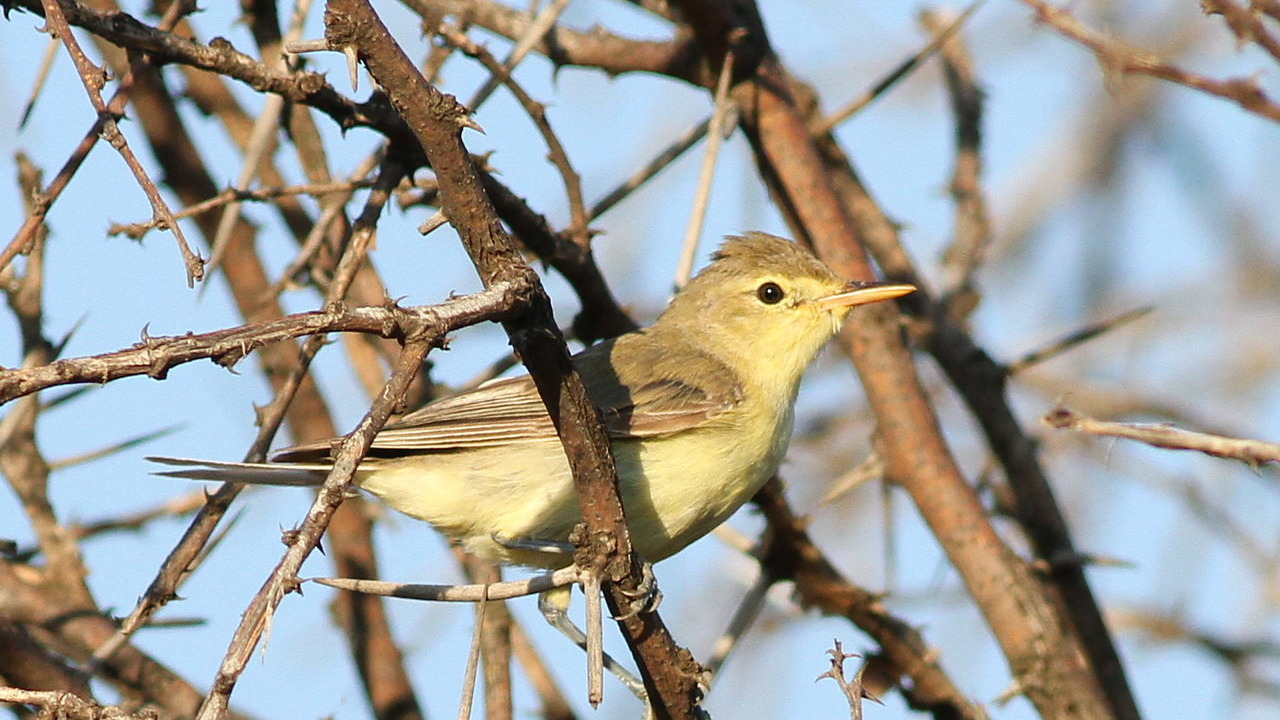
Ten Migrants Followed Early-slow and Late-fast Passage Strategies Through Nigeria
Twenty-four years of ringing data from Jos showed striking species differences in migration timing: Icterine Warblers were among…
Read story →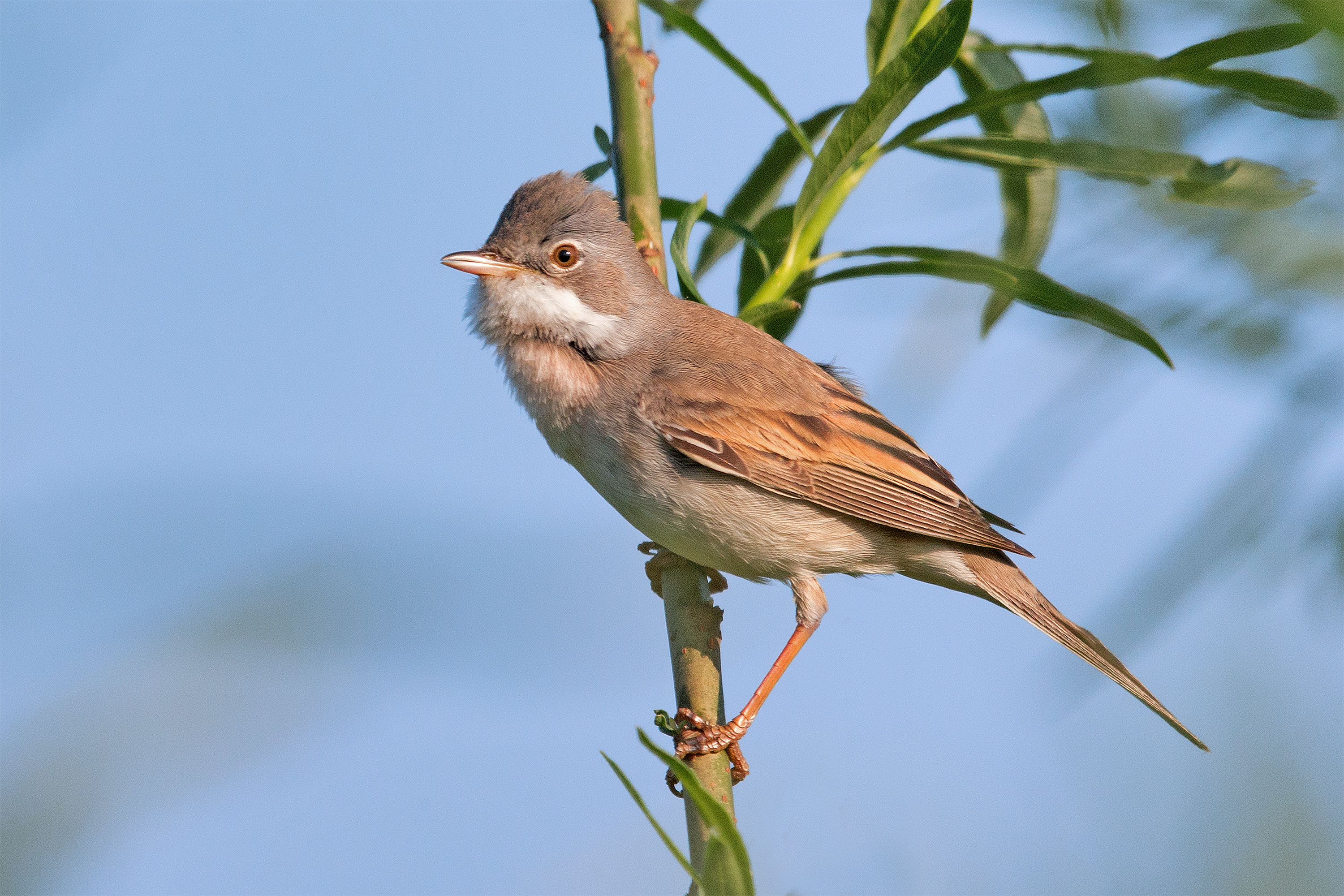
Darwin Tree of Life Released a Chromosome-level Common Whitethroat Genome Assembly
Darwin Tree of Life registered two genome assemblies from one adult common whitethroat collected in Dorset. Haplotype 1…
Read story →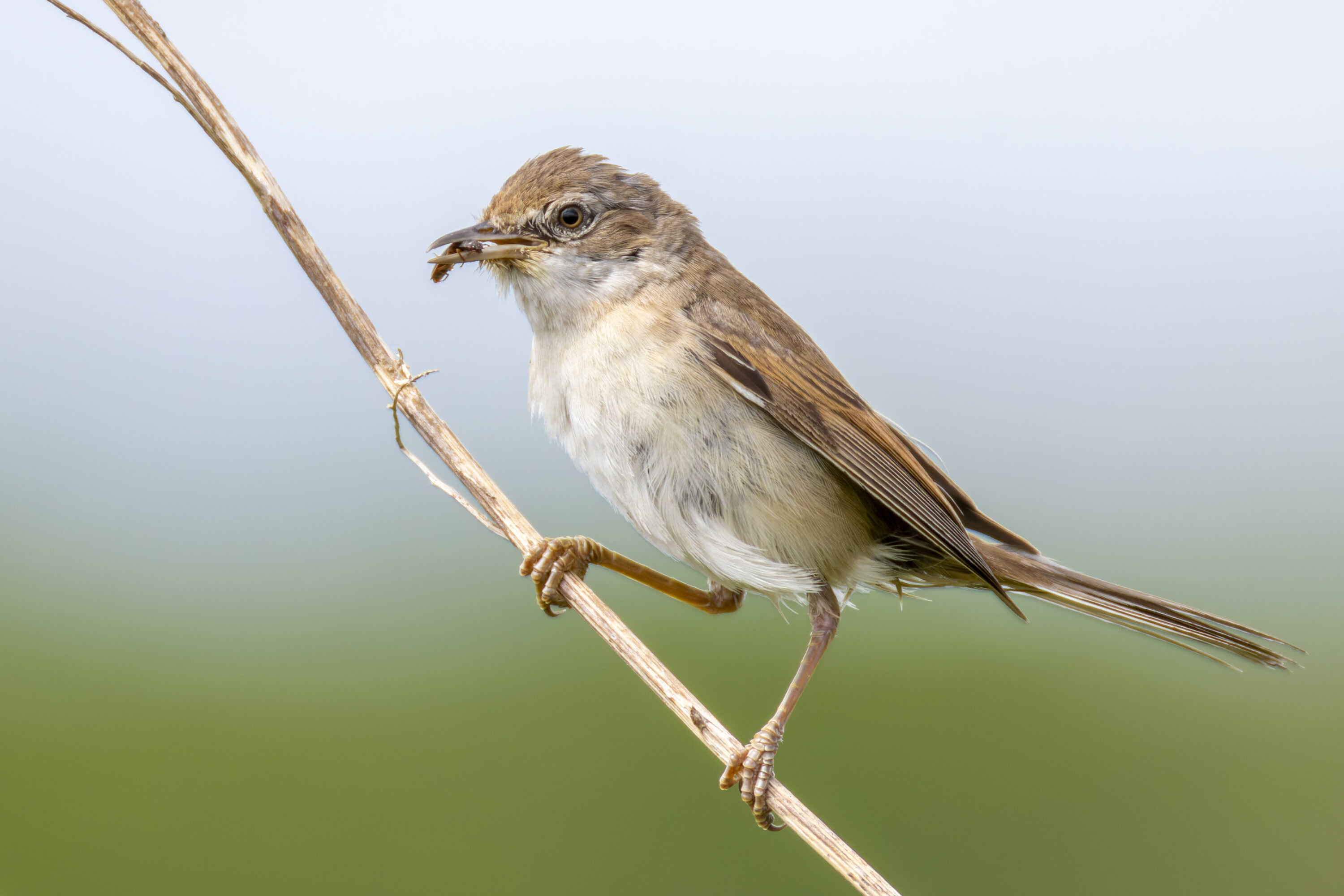
Three Migratory Warblers Showed Distinct Wing Shapes on Antikythera
Measurements of 117 warblers on Antikythera showed distinct wing shapes in garden warbler, Eurasian blackcap and common whitethroat,…
Read story →SPECIES IN THIS STORY
Species in this story
Independent research and conservation news archive
Did you find this information useful?
Wildlife Vagabond is independently built and maintained. Voluntary support helps cover source verification, hosting and continued work on research and conservation news.
Support Wildlife VagabondThe news archive will remain freely available.