
Ten Migrants Followed Early-slow and Late-fast Passage Strategies Through Nigeria
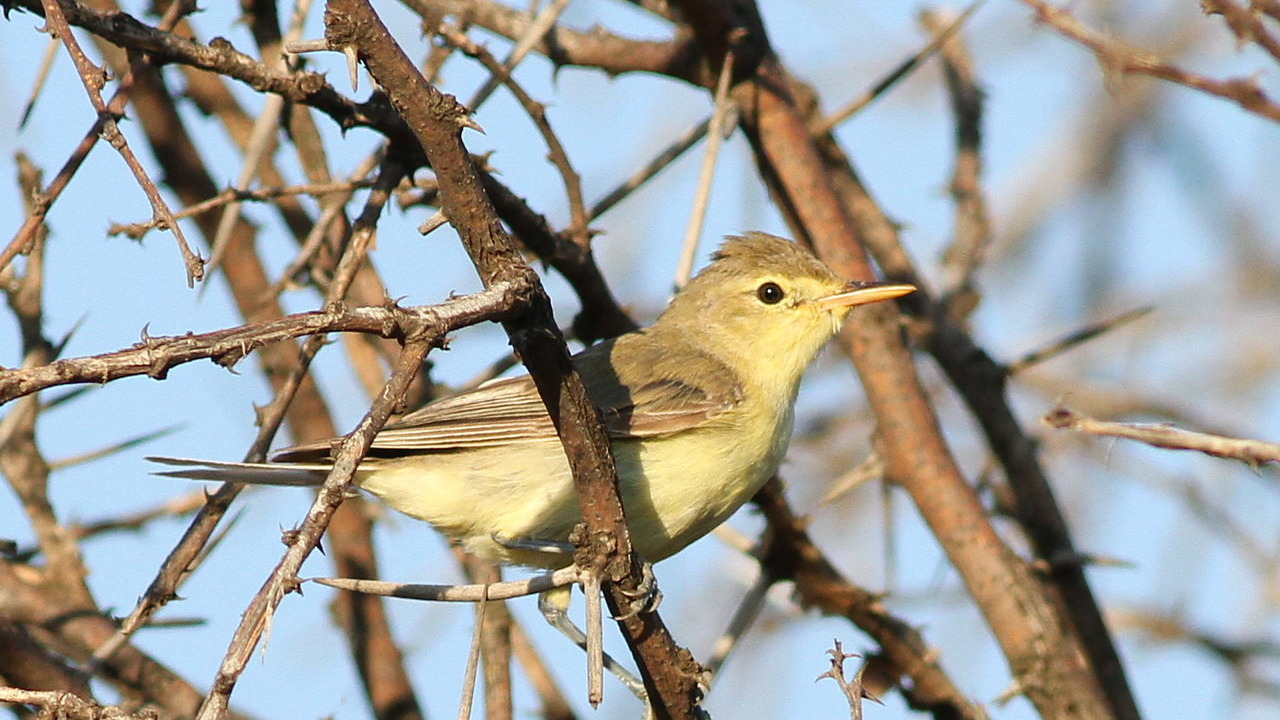
Twenty-four years of ringing data from Jos in central Nigeria revealed very different migration schedules among ten long-distance Afro-Palearctic migrants. The study included garden warblers (Sylvia borin), common whitethroats (Curruca communis), whinchats (Saxicola rubetra), willow warblers (Phylloscopus trochilus), European pied flycatchers (Ficedula hypoleuca), tree pipits (Anthus trivialis), spotted flycatchers (Muscicapa striata) and icterine warblers (Hippolais icterina), as well as common nightingales (Luscinia megarhynchos) and Eurasian wrynecks (Jynx torquilla).
The researchers analysed mist-net captures from 2001 to 2024 and placed the species along a local “stayer–mover” spectrum. Stayers were captured around Jos through much of the non-breeding season, while movers mainly appeared during passage. This gradient closely aligned with a second pattern: stayers tended to follow an early-slow strategy, starting passage early but spreading it over a long period, whereas movers tended to show later, faster passage through Jos. The authors suggest that these differences may reflect species-specific internal migration programmes, including how moult is fitted into the annual cycle.
Icterine warblers followed a late-fast strategy
Icterine warblers were among the clearest late-fast migrants. Their modelled pre-breeding passage began around 11 April and lasted about 33 days. Spotted flycatchers showed an even shorter spring window of about 25 days, while species such as common whitethroats and European pied flycatchers began much earlier and had substantially longer passage periods.
Long-term shifts differed among species
Long-term shifts were strongly species-specific. Tree pipits delayed peak post-breeding passage by about 17 days between 2001 and 2024, and whinchats by about 12 days. Common whitethroats showed the opposite seasonal pattern, with peak pre-breeding passage advancing by about 17 days. For most of the other species, including icterine warbler, no clear long-term shift was detected.
Local conditions also shifted migration timing
Conditions in Nigeria were also associated with migration timing. Hotter pre-migratory seasons were linked to later spring passage in whinchats, and the models pointed in the same direction for garden warblers, icterine warblers and willow warblers, although those associations were less certain. Common whitethroats instead passed earlier in hotter years. Ambient temperature had the strongest overall influence among the environmental predictors examined for pre-breeding migration phenology.
Vegetation timing showed additional species-specific associations. Common whitethroats, and probably spotted flycatchers, passed later in spring when vegetation green-up in Nigeria occurred later. During post-breeding migration, common whitethroats, whinchats and willow warblers passed earlier in years when vegetation senescence in western Europe occurred later. The authors interpret the mixed patterns as evidence that both conditions in departure areas and conditions farther along the annual cycle can shape migration timing.
Ecology
Related news
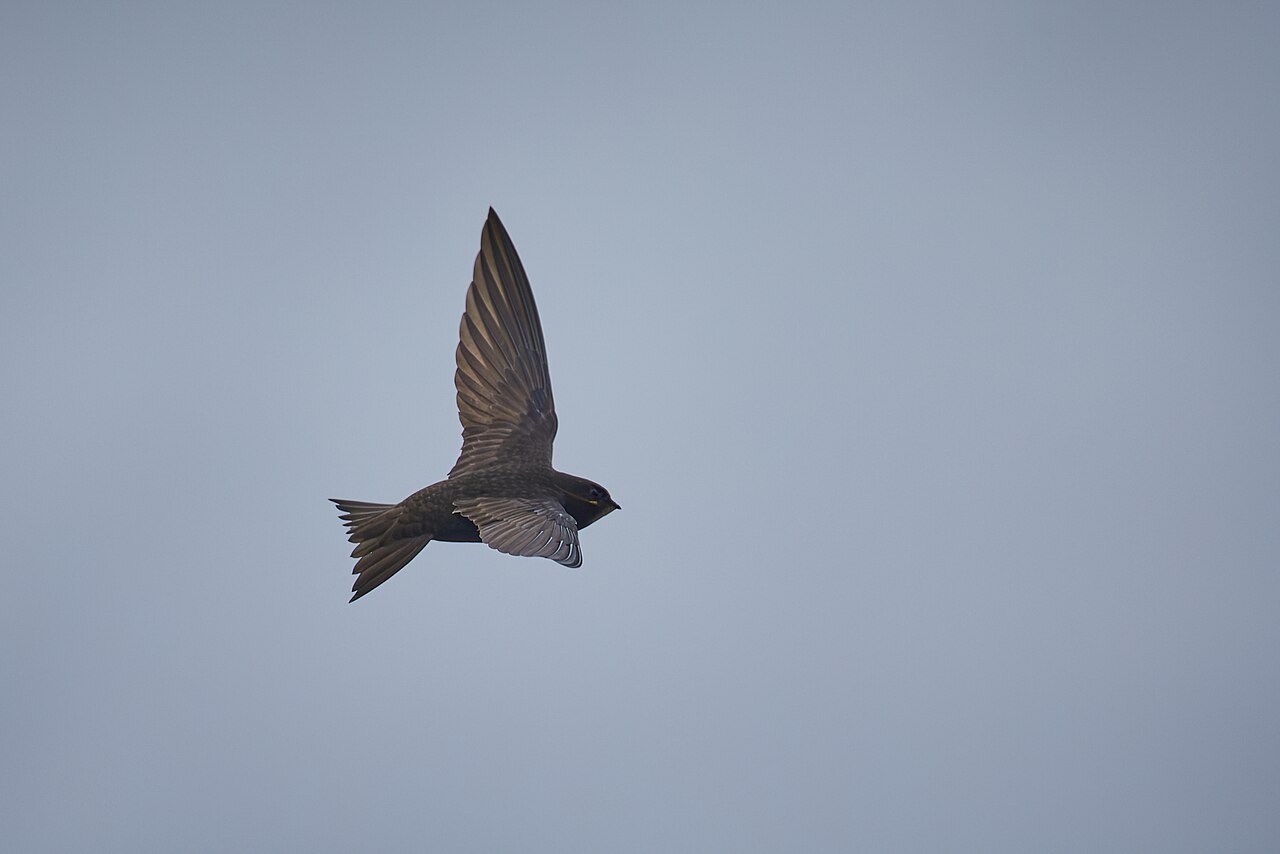
UK Breeding Bird Survey: Swift Index Fell 70% as Scotland’s Chiffchaff Index Rose 1,443%
The 2025 UK Breeding Bird Survey revealed steep long-term declines, major regional divergences and some striking increases, including…
Read story →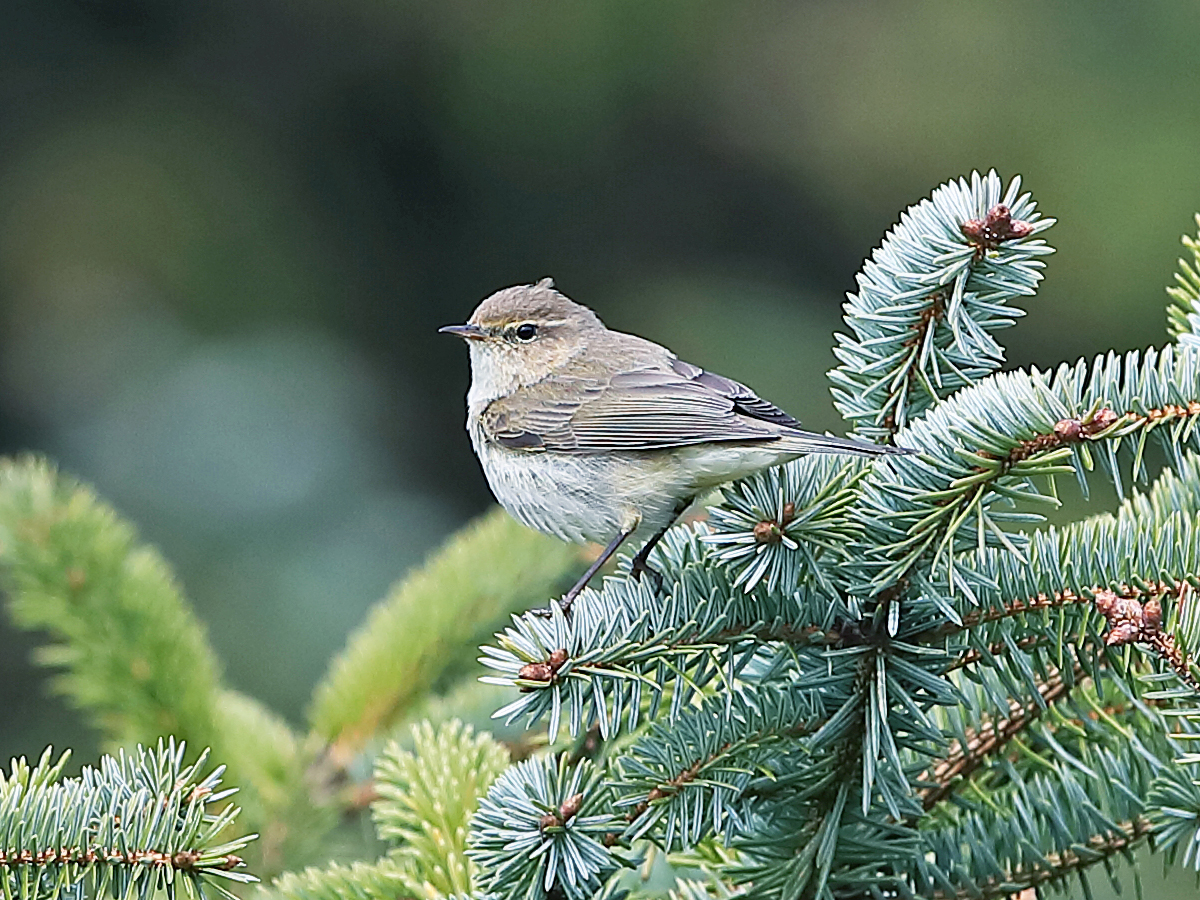
28 Acoustic Stations Tracked Spring Arrival of Three Migratory Songbirds Across Norway
A nationwide passive acoustic network collected 37,429 hours of audio and mapped the spring arrival of common chiffchaffs,…
Read story →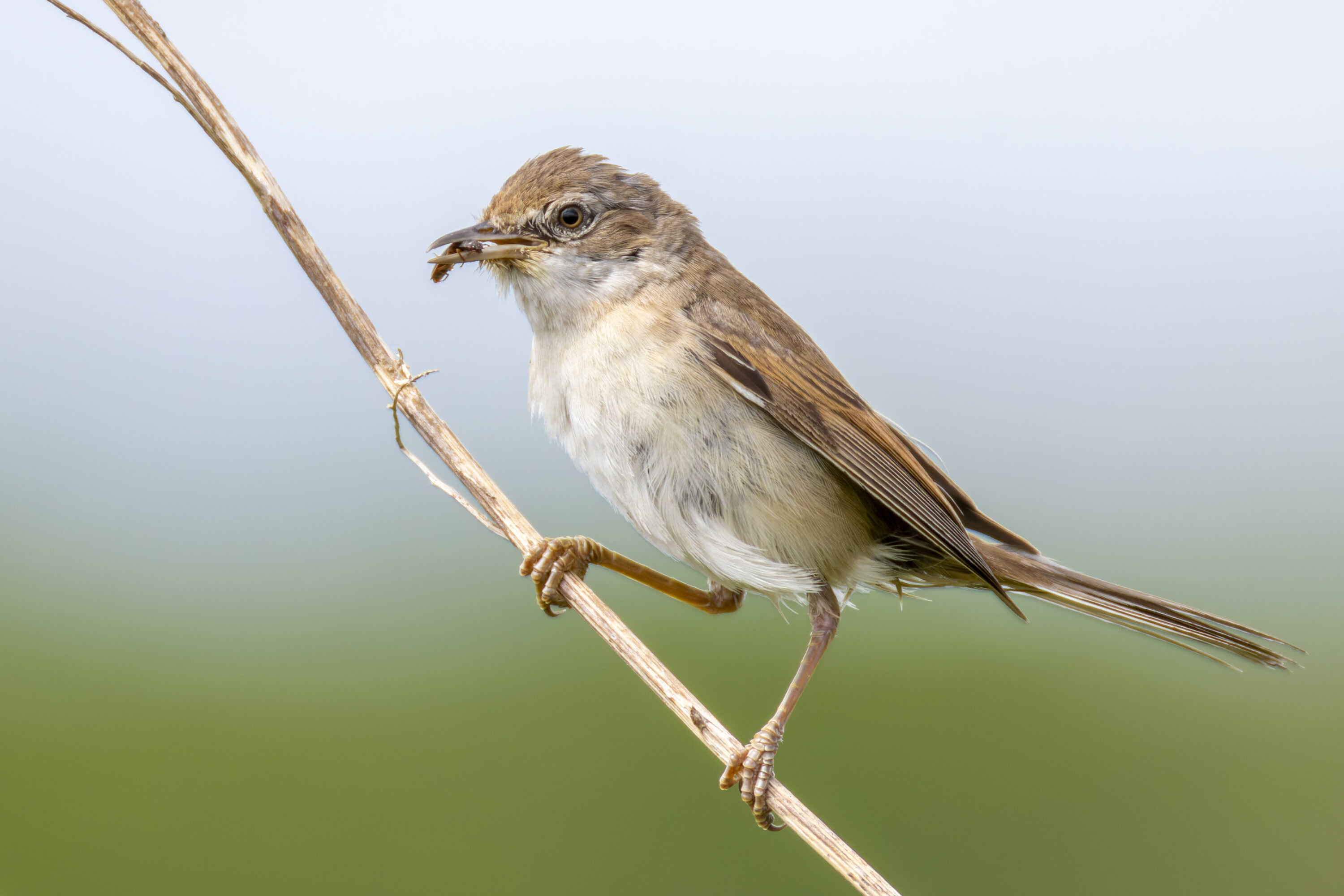
Three Migratory Warblers Showed Distinct Wing Shapes on Antikythera
Measurements of 117 warblers on Antikythera showed distinct wing shapes in garden warbler, Eurasian blackcap and common whitethroat,…
Read story →SPECIES IN THIS STORY
Species in this story
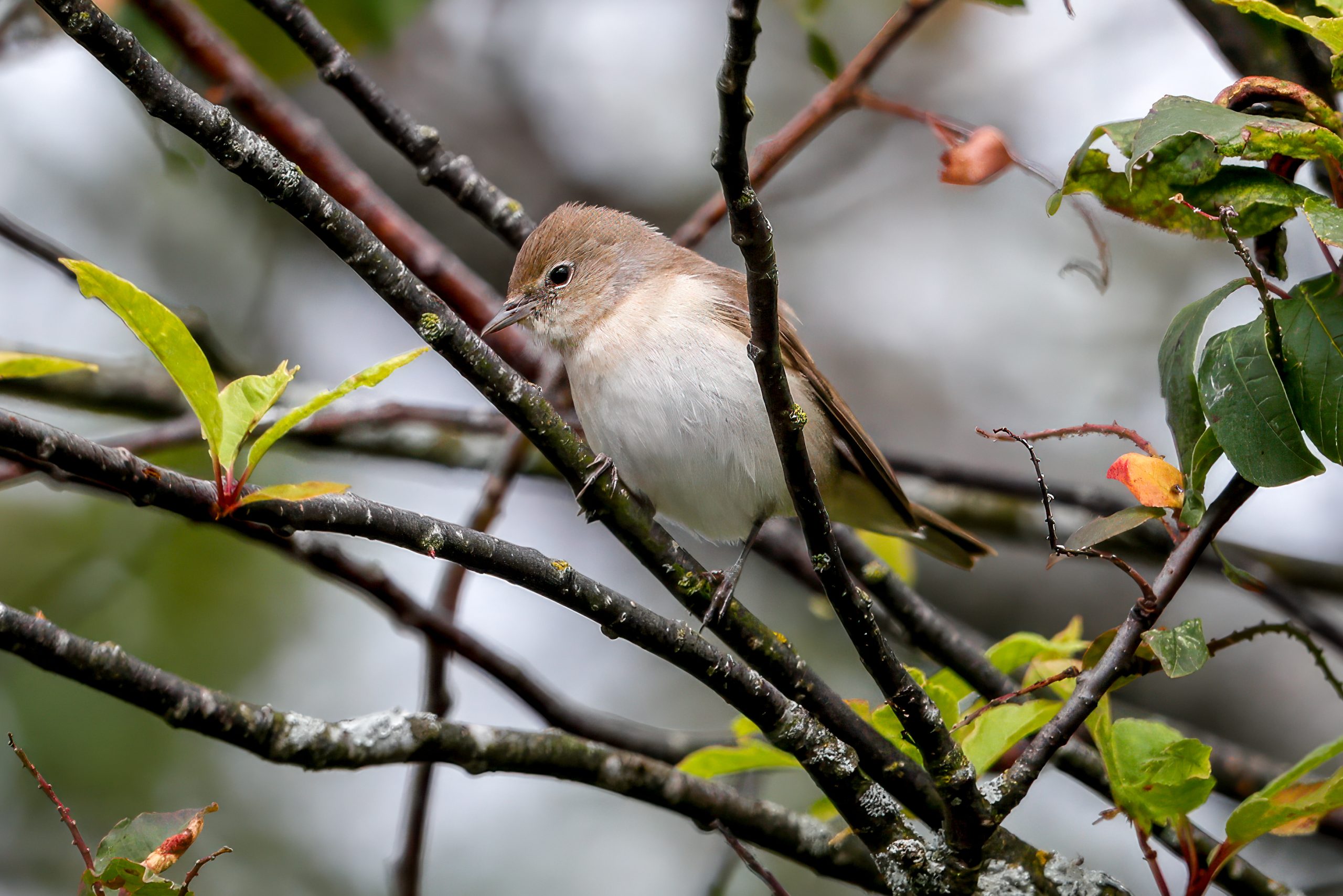 Garden Warbler
Sylvia borin Explore species →
Garden Warbler
Sylvia borin Explore species →
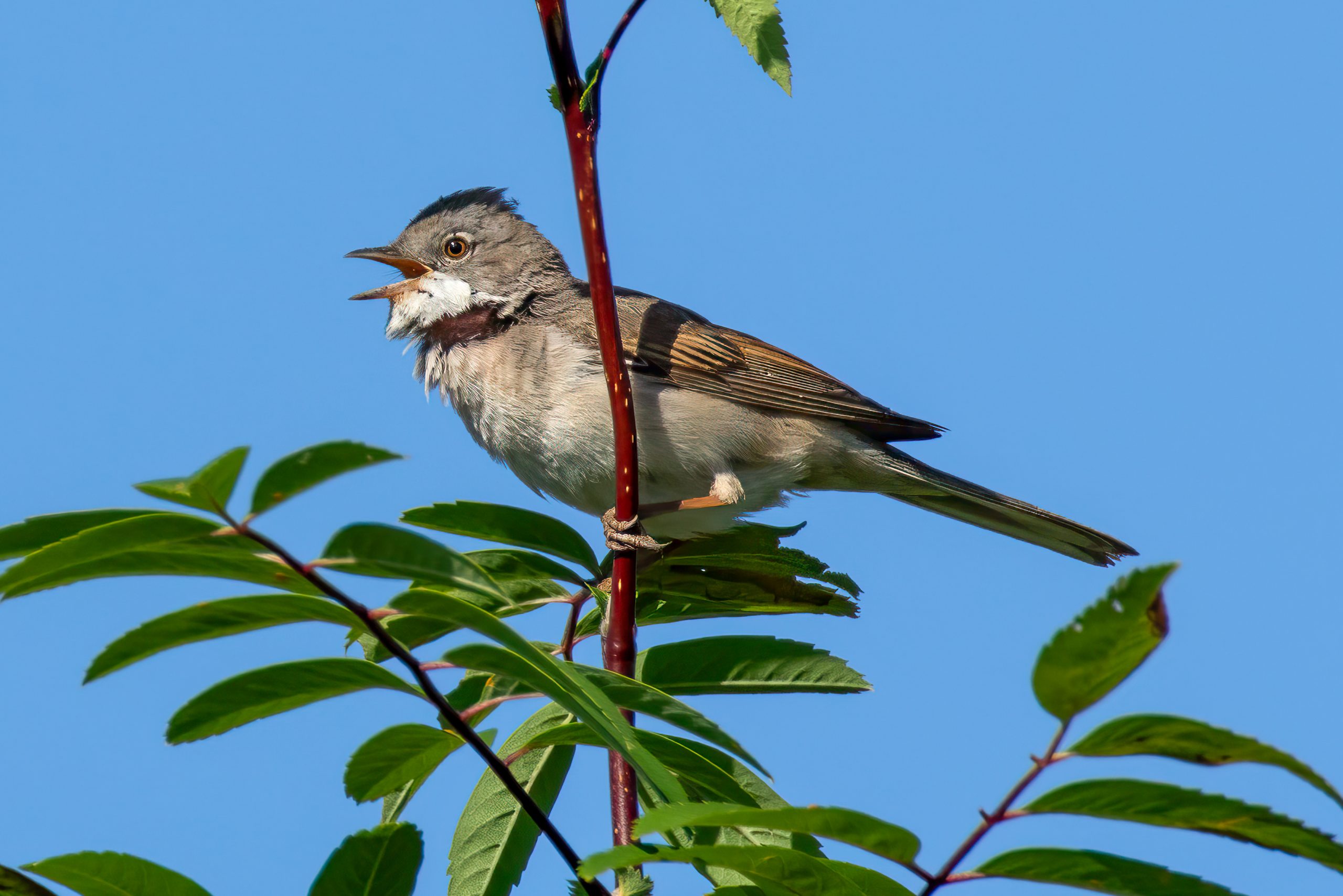 Common Whitethroat
Curruca communis Explore species →
Common Whitethroat
Curruca communis Explore species →
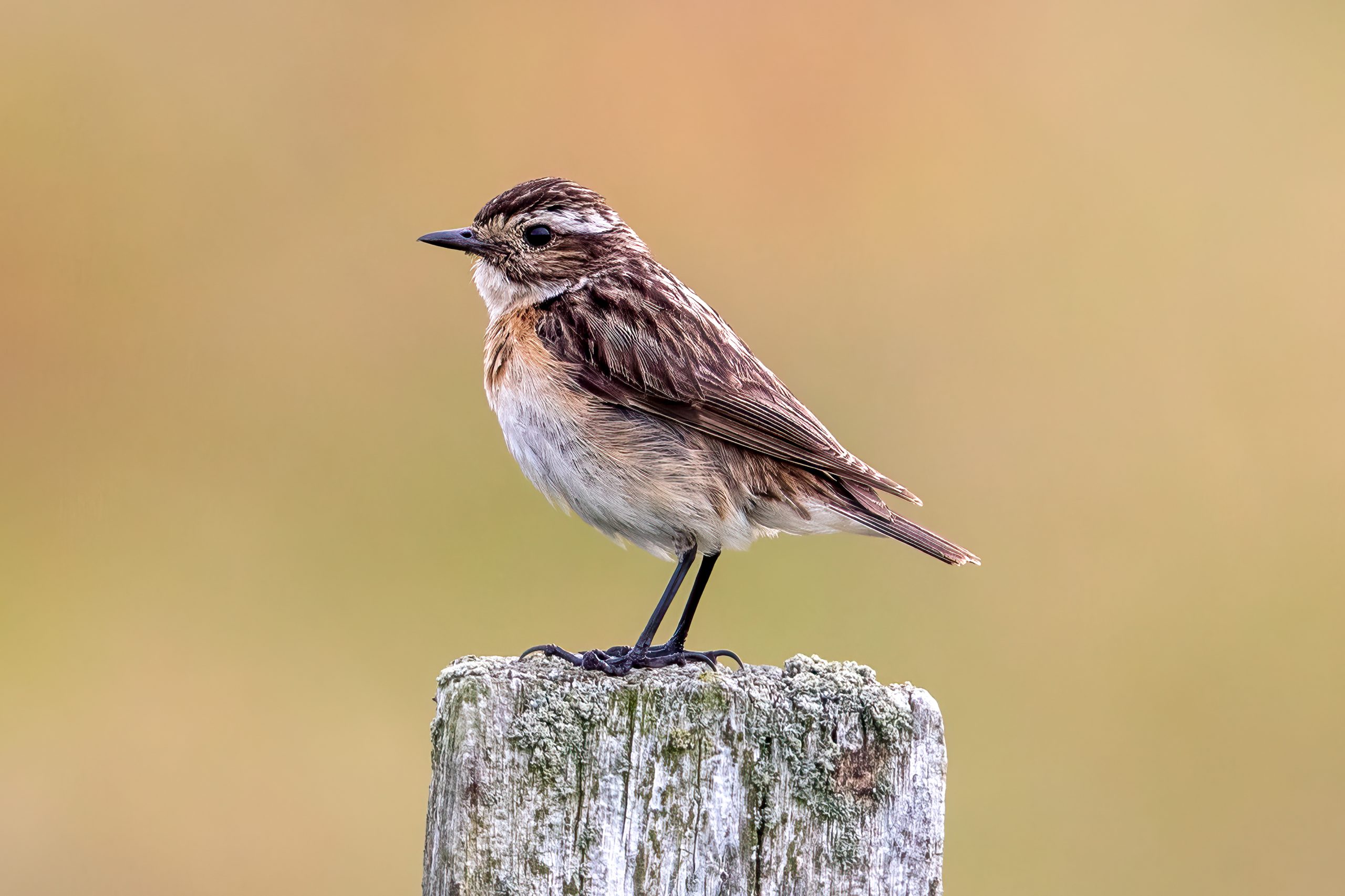 Whinchat
Saxicola rubetra Explore species →
Whinchat
Saxicola rubetra Explore species →
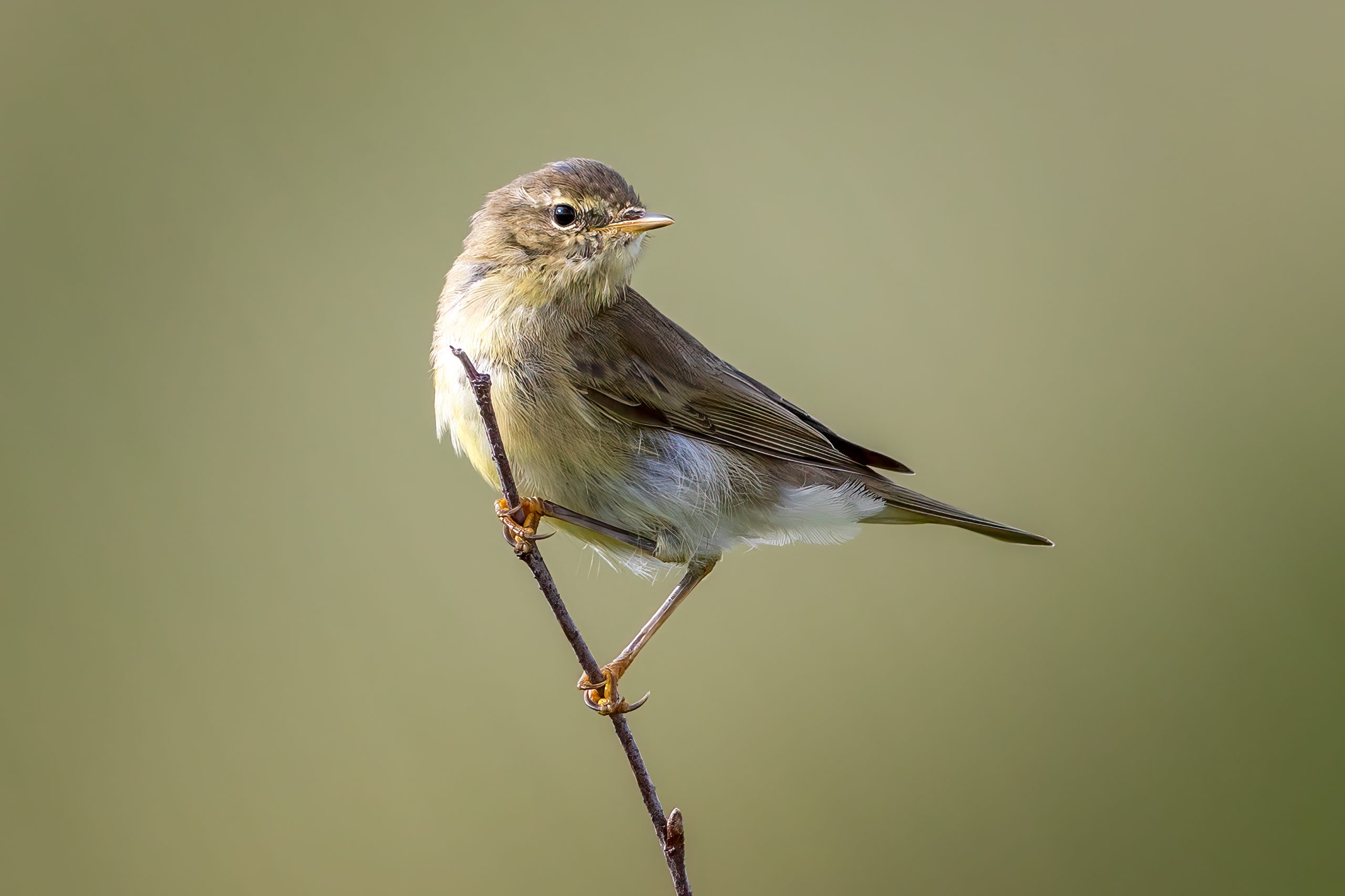 Willow Warbler
Phylloscopus trochilus Explore species →
Willow Warbler
Phylloscopus trochilus Explore species →
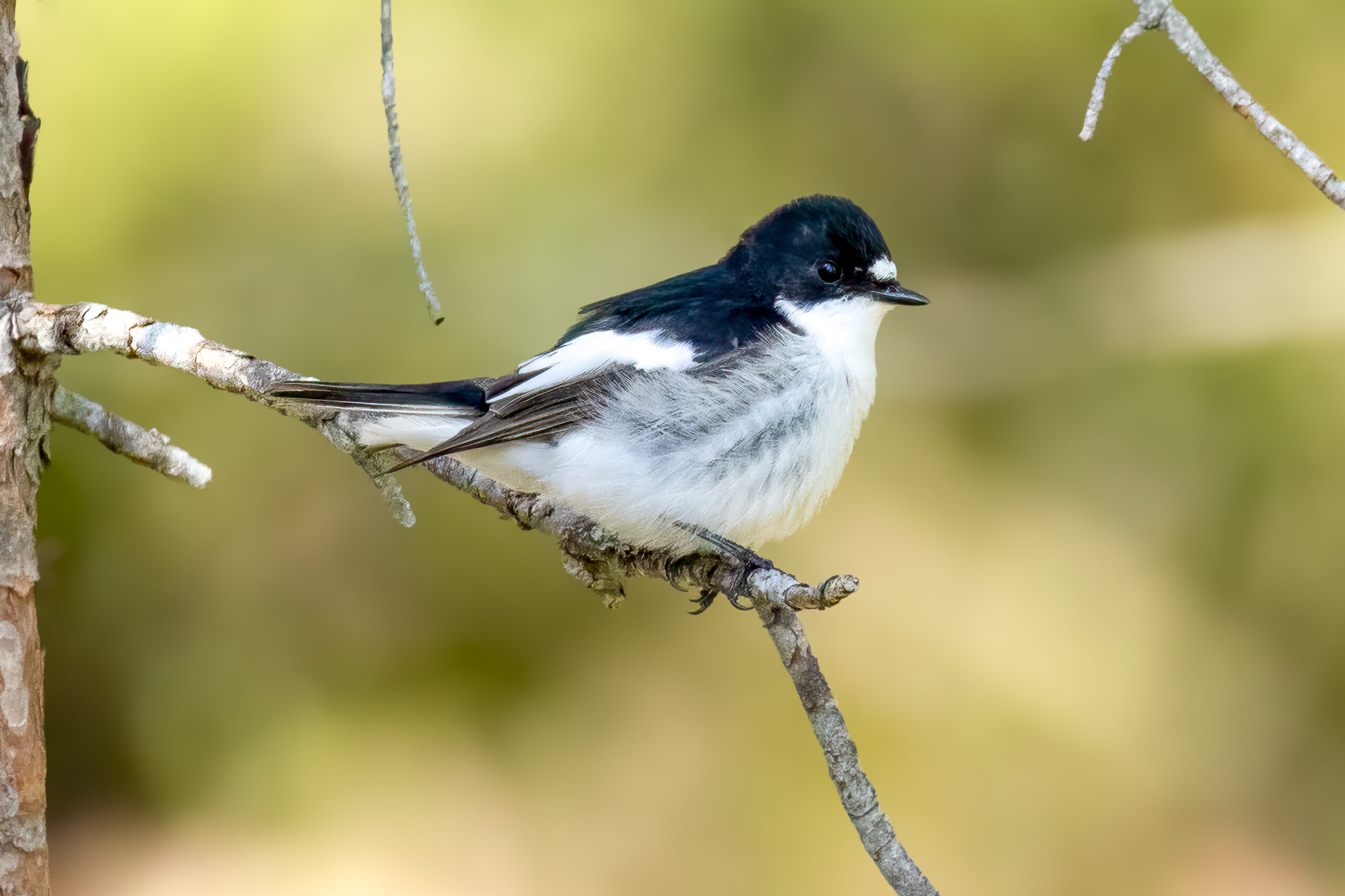 European Pied Flycatcher
Ficedula hypoleuca Explore species →
European Pied Flycatcher
Ficedula hypoleuca Explore species →
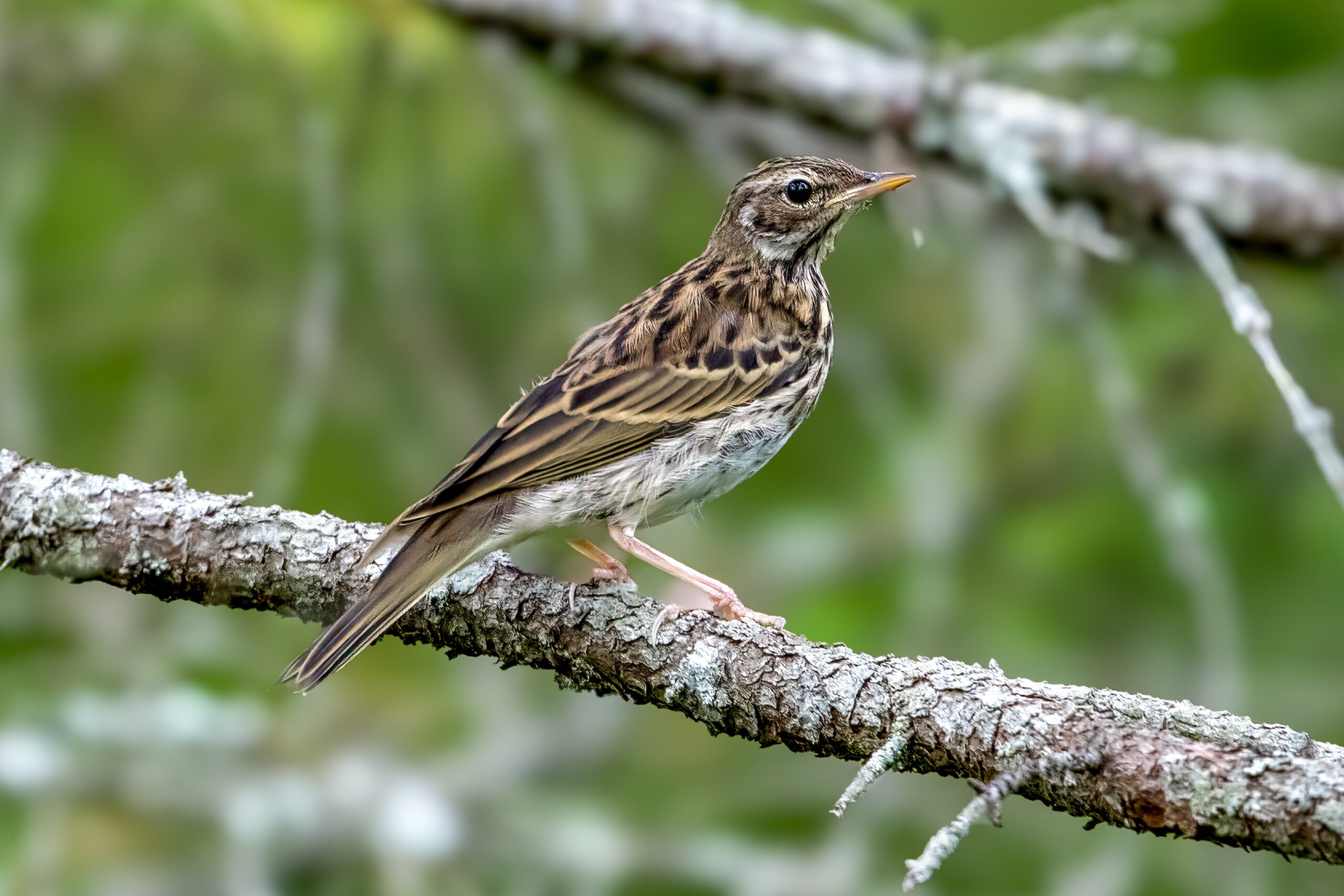 Tree Pipit
Anthus trivialis Explore species →
Tree Pipit
Anthus trivialis Explore species →
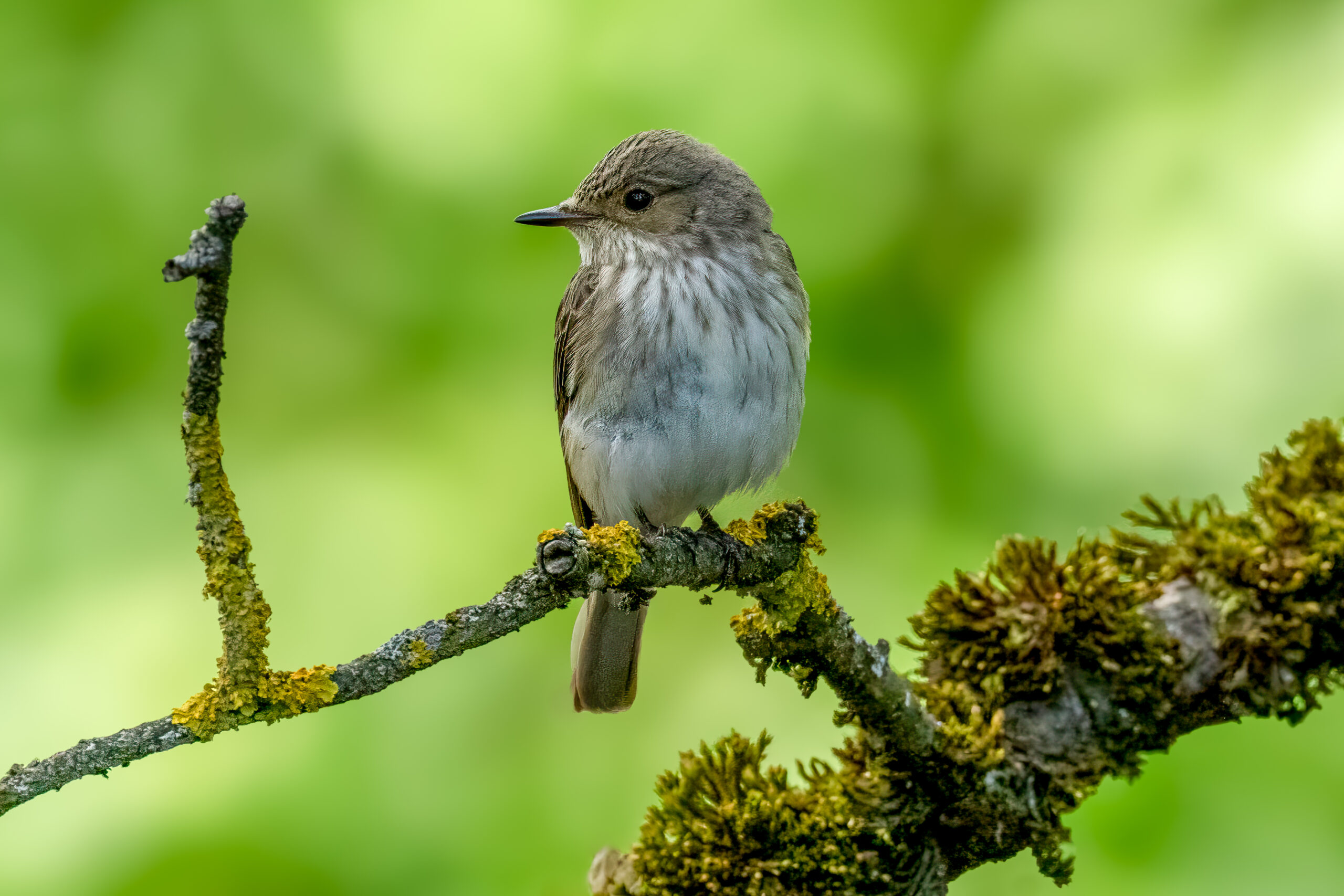 Spotted Flycatcher
Muscicapa striata Explore species →
Spotted Flycatcher
Muscicapa striata Explore species →
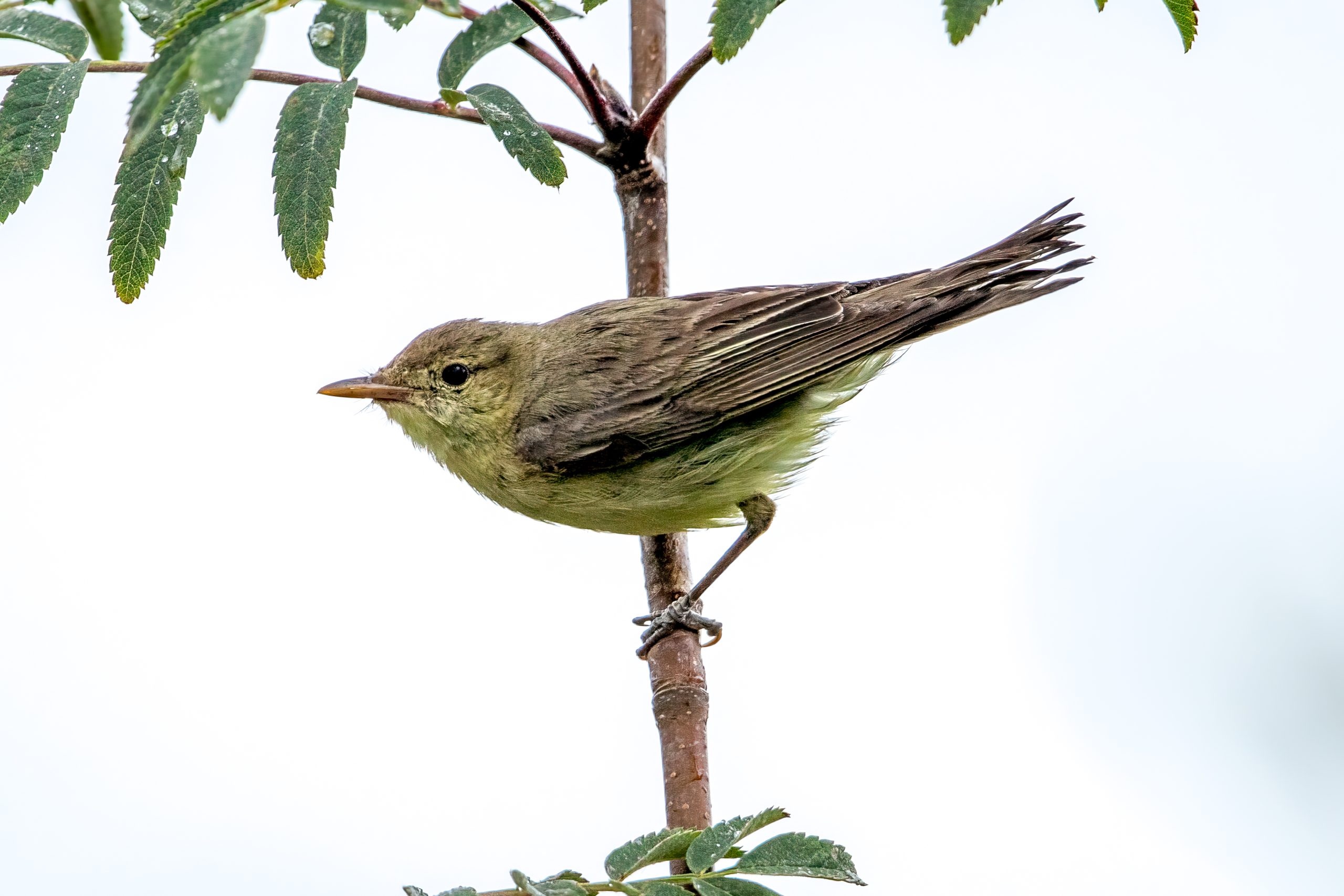 Icterine Warbler
Hippolais icterina Explore species →
Icterine Warbler
Hippolais icterina Explore species →
Independent research and conservation news archive
Did you find this information useful?
Wildlife Vagabond is independently built and maintained. Voluntary support helps cover source verification, hosting and continued work on research and conservation news.
Support Wildlife VagabondThe news archive will remain freely available.