
Coyotes Provided the First Wild-Host Detection of Echinococcus multilocularis on the U.S. West Coast
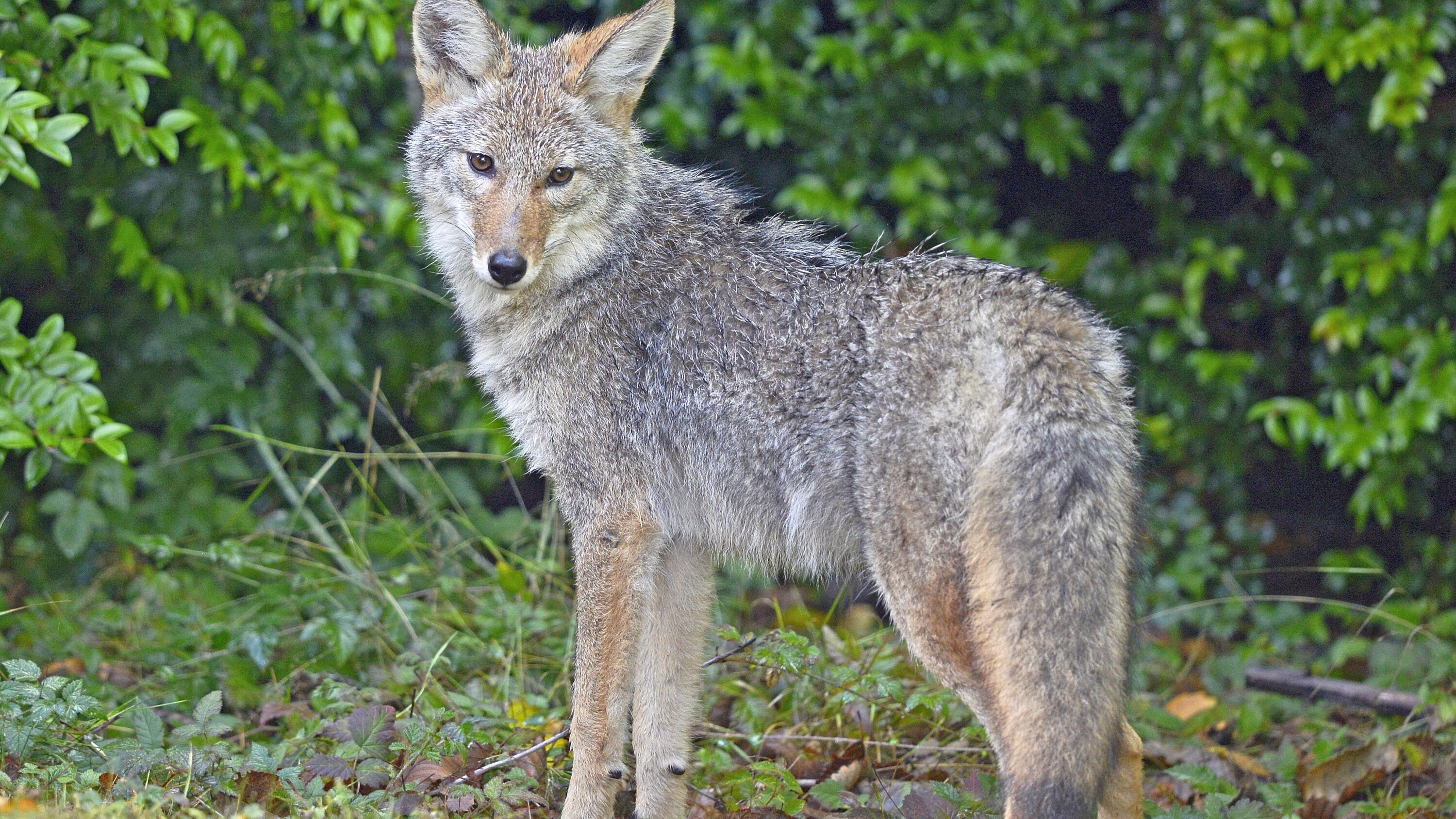
Free-ranging coyotes (Canis latrans) in Washington, USA State have provided the first confirmation of Echinococcus multilocularis in a wild host on the west coast of the contiguous United States. The study, published on 24 March 2026 in PLOS Neglected Tropical Diseases, detected the zoonotic tapeworm in 37 of the 100 coyotes represented in the combined dataset.
Echinococcus multilocularis uses canids as definitive hosts, where the adult tapeworm lives and reproduces, while rodents normally act as intermediate hosts. Humans can become accidental intermediate hosts and develop alveolar echinococcosis, a severe disease caused by the parasite’s larval stage.
The researchers examined coyote carcasses and field-collected scats from a densely populated part of Washington. Adult tapeworms found in intestinal samples were first identified by their morphology and then confirmed with next-generation DNA sequencing. The team also used molecular methods to test fecal material for parasite DNA.
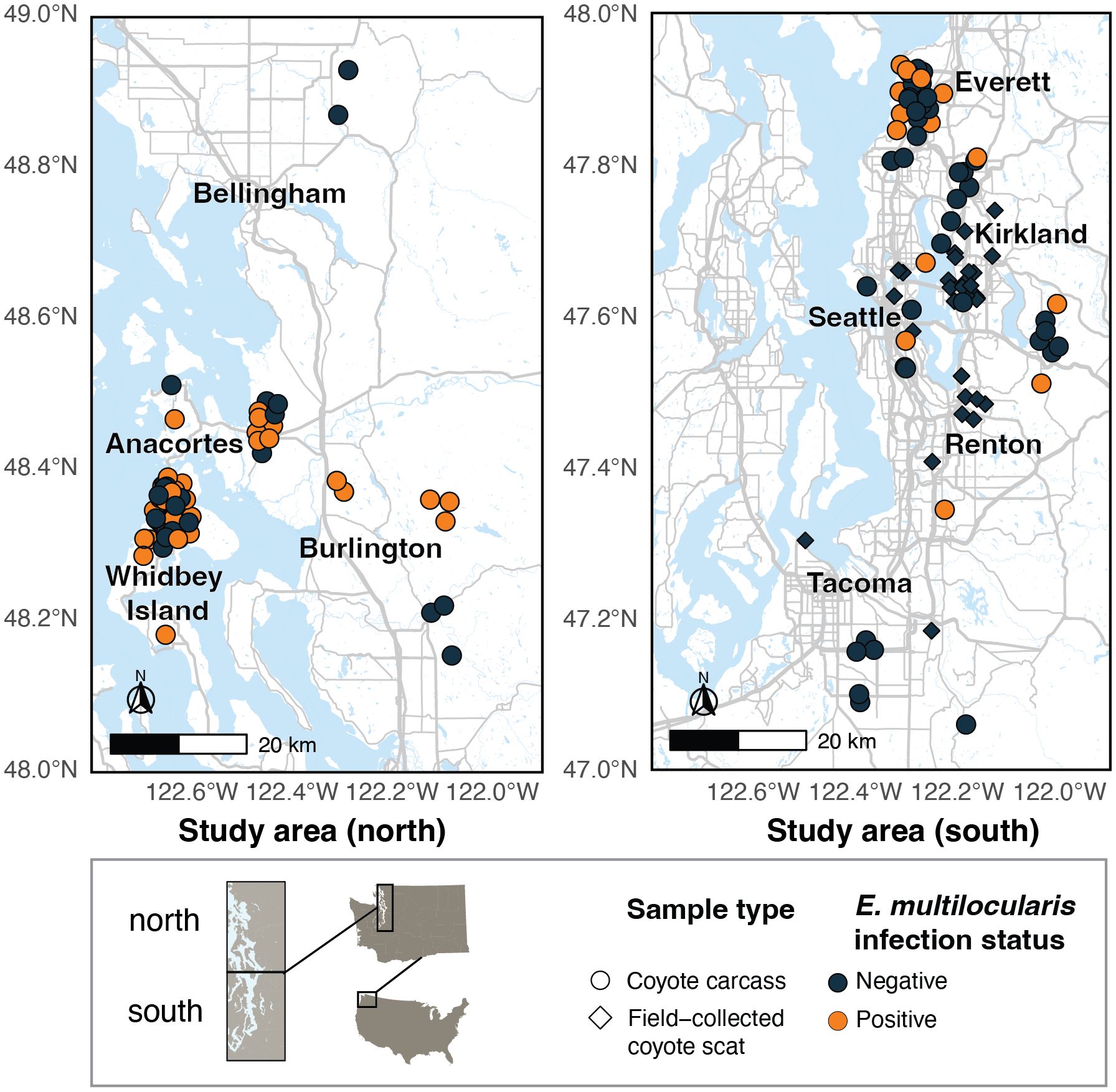
37 of 100 coyotes were positive
Combining the different approaches, 37 of the 100 coyotes represented across all sample types were positive for E. multilocularis. The authors describe the finding as evidence that the parasite is established and widespread in the sampled area, rather than an isolated detection in a single animal.
Sequencing also revealed a parasite haplotype — a genetic variant defined by a particular combination of DNA sequence differences — matching one previously documented in British Columbia, Canada, and regarded as being of European origin. The genetic match adds information that can be used to follow the geographic expansion of the parasite in western North America.
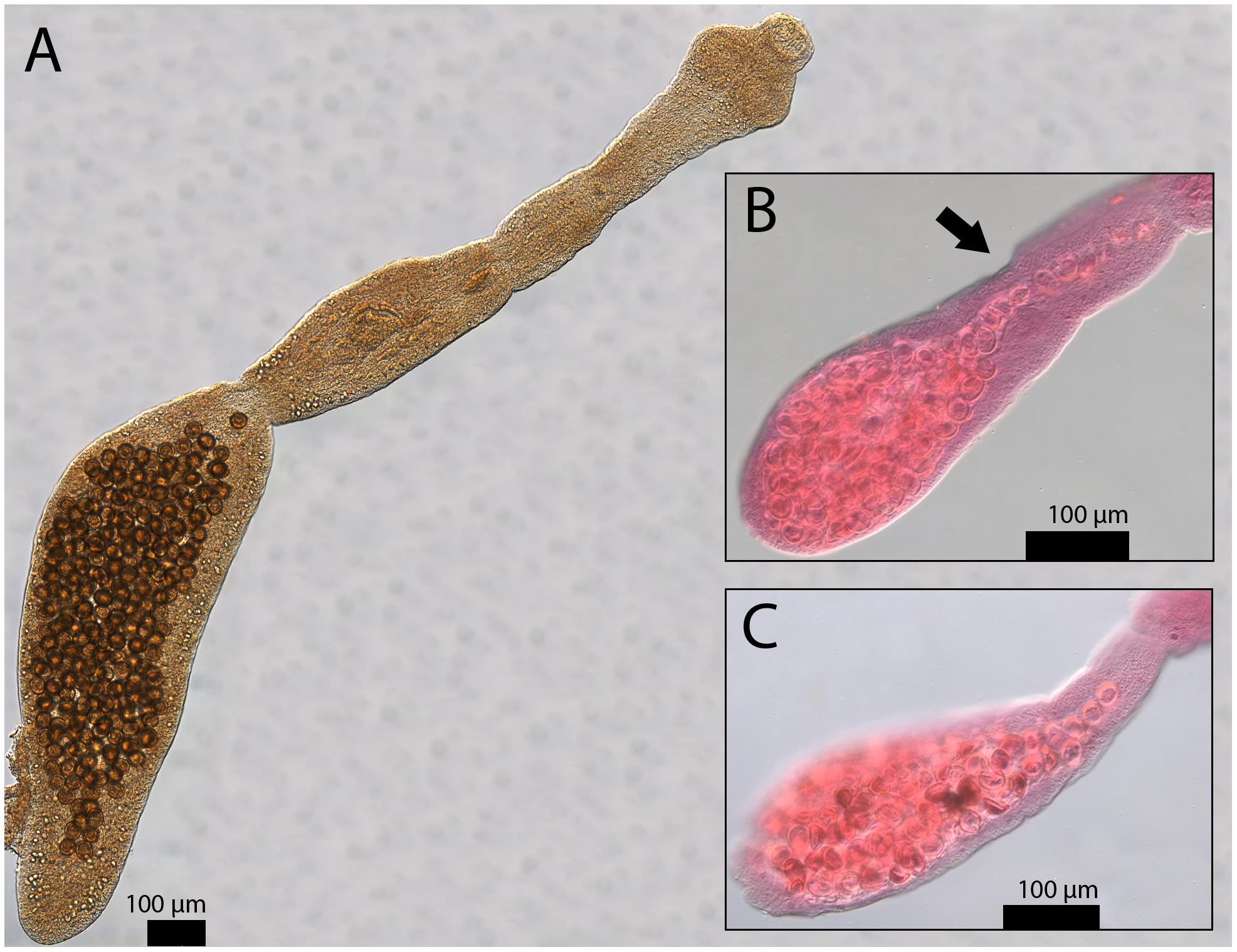
Fecal DNA alone may underestimate occurrence
The study found that parasite DNA was detected less reliably in fecal samples than in intestinal material. One-third of infections were detected with intestinal swabs and/or morphological identification but not with fecal samples, and none of the 30 field-collected scats tested positive. The authors therefore warn that non-invasive surveillance based only on fecal DNA metabarcoding — sequencing DNA from mixed samples to identify the organisms present — may underestimate how commonly the parasite occurs. As part of the work, they also developed a new next-generation sequencing primer, a short DNA sequence designed to target cestodes in canid samples.
Because coyotes are common in Washington and frequently occupy landscapes shared with people and domestic dogs, the researchers argue that wild-canid surveillance can provide an early indication of changes in the parasite’s distribution. Their results extend the confirmed wild-host range of E. multilocularis to the U.S. Pacific coast and highlight coyotes as an important species for tracking its continued spread.
Disease, parasites & microbiology
Related news

Coyotes Increased Across Illinois Over Four Decades, but County Trends Varied
Four long-running Illinois surveys together showed a statewide coyote increase from 1980–2023, while county-level populations followed more variable…
Read story →
Mange in Coyotes Varied With Urban Density and Habitat Connectivity Across North American Cities
Camera-trap data linked visible mange in coyotes to urban intensity and habitat connectivity at two spatial scales, while…
Read story →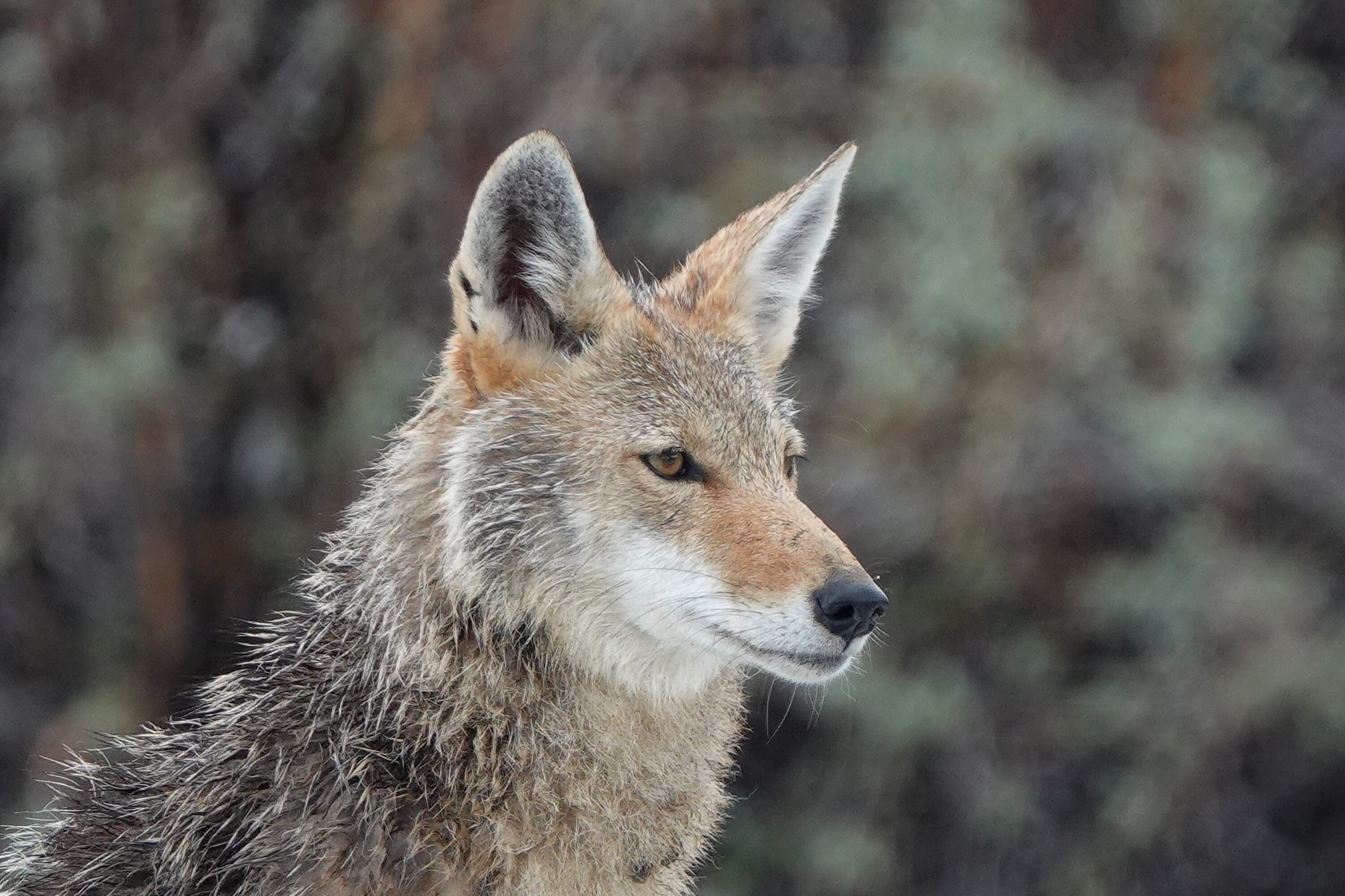
Coyotes Chose Steep Slopes and Stable Soils for Dens in Elk Island National Park
A study of 42 coyote dens in Elk Island National Park found that steep slopes, stable soils and…
Read story →SPECIES IN THIS STORY
Species in this story
Independent research and conservation news archive
Did you find this information useful?
Wildlife Vagabond is independently built and maintained. Voluntary support helps cover source verification, hosting and continued work on research and conservation news.
Support Wildlife VagabondThe news archive will remain freely available.