
Urban Coyotes Selected Forested Den Sites and Avoided Developed Areas Around Chicago
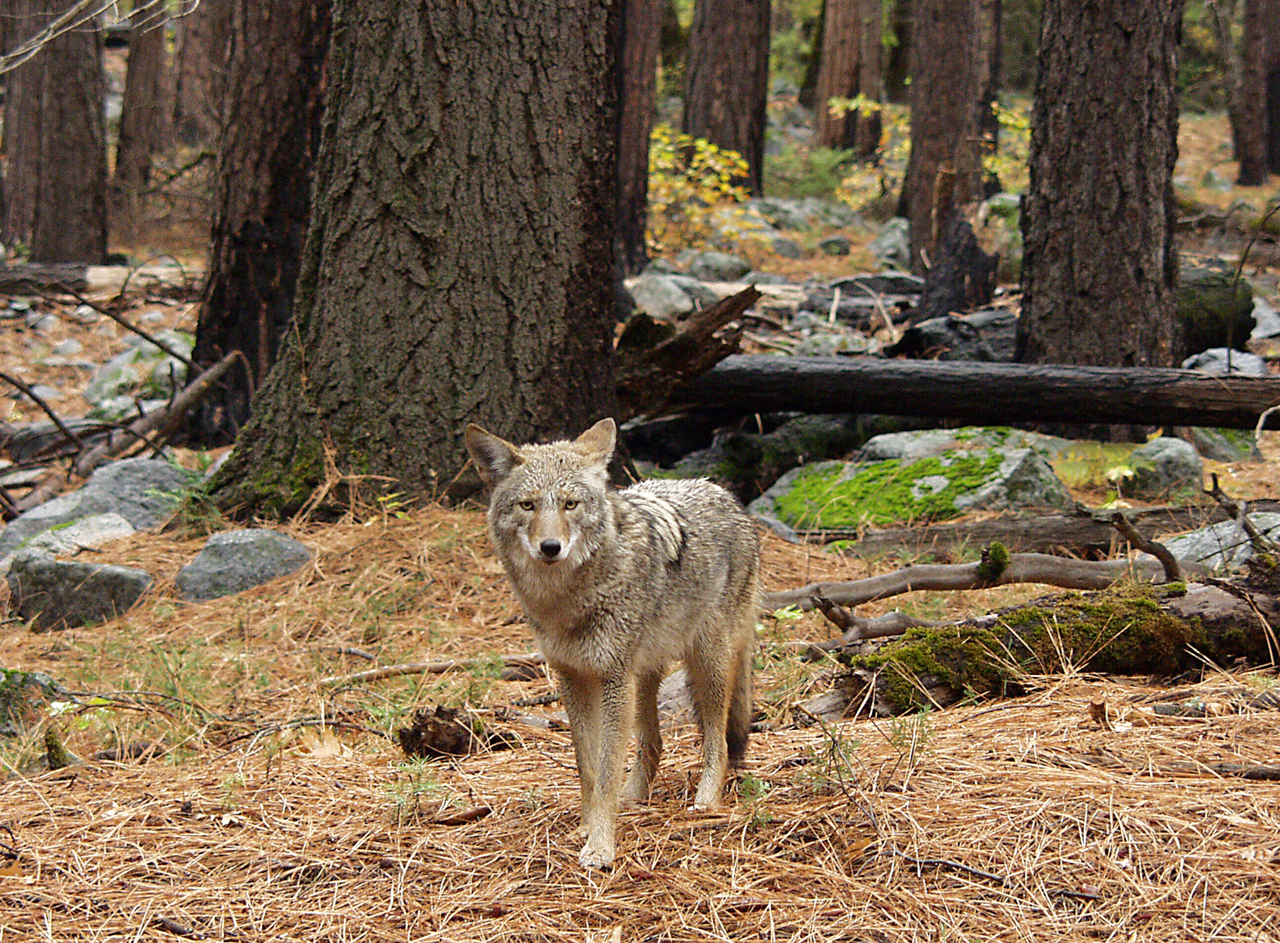
Coyotes (Canis latrans) in suburban parts of the Chicago metropolitan area selected forested den sites and avoided more heavily developed locations. The study, available online on 3 March 2026 in Urban Forestry & Urban Greening, examined den-site selection in a city region with an extensive network of forest preserves.
The researchers analysed 44 natal dens used between 2002 and 2016 and compared them with available locations within the coyotes’ accessible pre-denning areas. Habitat was measured both within 30 m of each den and across a wider 200-m radius.
Dens Had More Forest and Less Developed Land Around Them
Used den sites had more forest and less developed land than available sites. Selection for forest appeared at both spatial scales, but models based on the 200-m patches were better at predicting den use. The result indicates that the coyotes selected forested surroundings across a broader patch rather than responding only to vegetation immediately beside the den.
Other Land-Cover Types Did Not Explain Den Choice
The researchers found no comparable effect of wetlands, open natural land or agriculture. Forest selection also did not change clearly with the amount of surrounding development or with the den’s position within the coyote’s pre-denning home range.
The result contrasts with studies from some other cities where coyotes have denned close to human structures. The authors point to Chicago’s extensive network of protected forest preserves as a possible reason coyotes there can select forested sites while avoiding developed land.
Because human-coyote encounters can increase around dens during pup rearing, the authors suggest that urban forest could help separate denning coyotes from intensive human activity. They stress, however, that whether greater forest cover actually causes lower conflict rates must be tested directly by combining den locations, human activity and conflict records across cities with different amounts of forest.
Ecology
Related news

Coyotes Increased Across Illinois Over Four Decades, but County Trends Varied
Four long-running Illinois surveys together showed a statewide coyote increase from 1980–2023, while county-level populations followed more variable…
Read story →
Mange in Coyotes Varied With Urban Density and Habitat Connectivity Across North American Cities
Camera-trap data linked visible mange in coyotes to urban intensity and habitat connectivity at two spatial scales, while…
Read story →
Coyotes Chose Steep Slopes and Stable Soils for Dens in Elk Island National Park
A study of 42 coyote dens in Elk Island National Park found that steep slopes, stable soils and…
Read story →SPECIES IN THIS STORY
Species in this story
Independent research and conservation news archive
Did you find this information useful?
Wildlife Vagabond is independently built and maintained. Voluntary support helps cover source verification, hosting and continued work on research and conservation news.
Support Wildlife VagabondThe news archive will remain freely available.