
Human Food Resources Buffered Seasonal Diet Shifts in Coyotes South of Mexico City
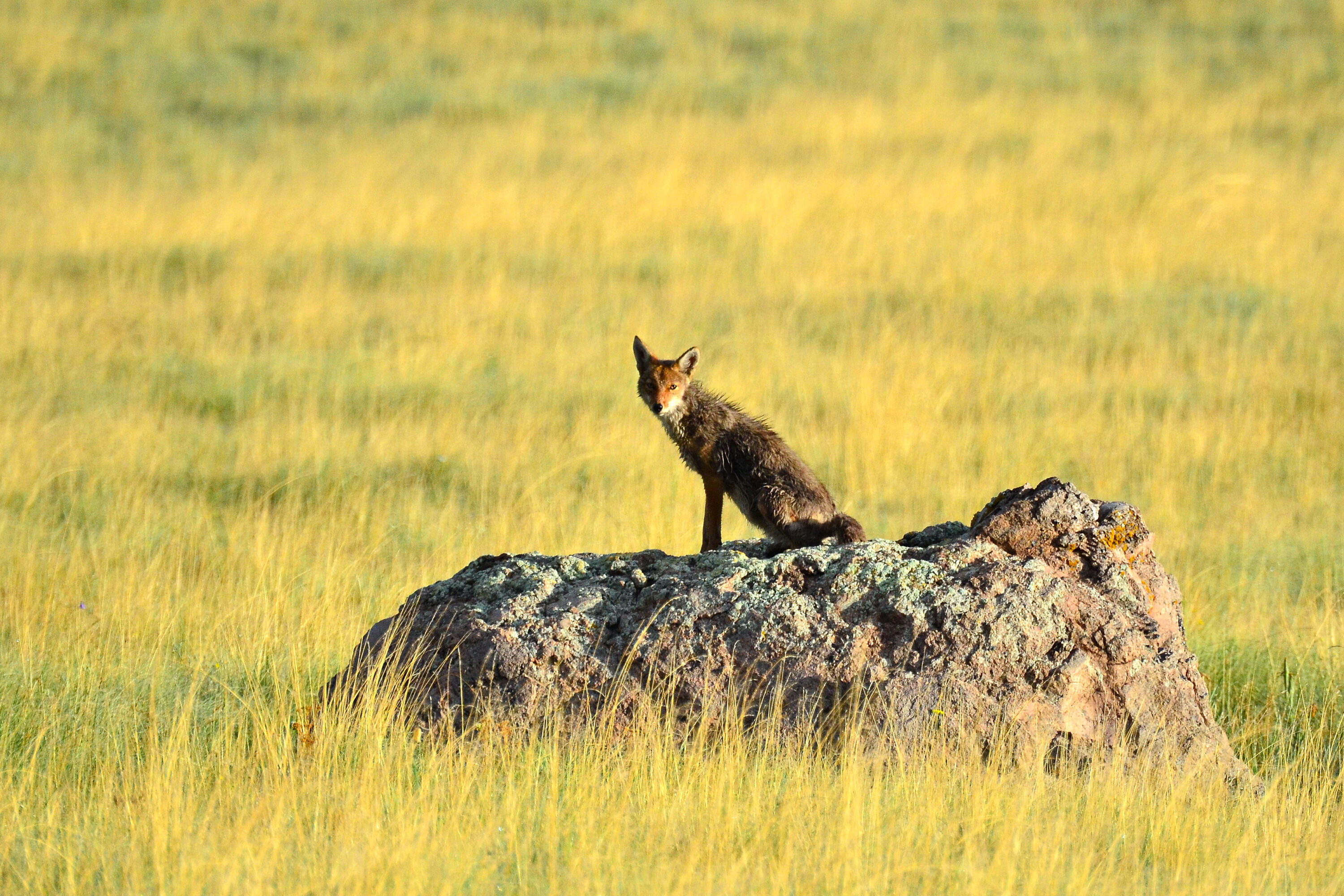
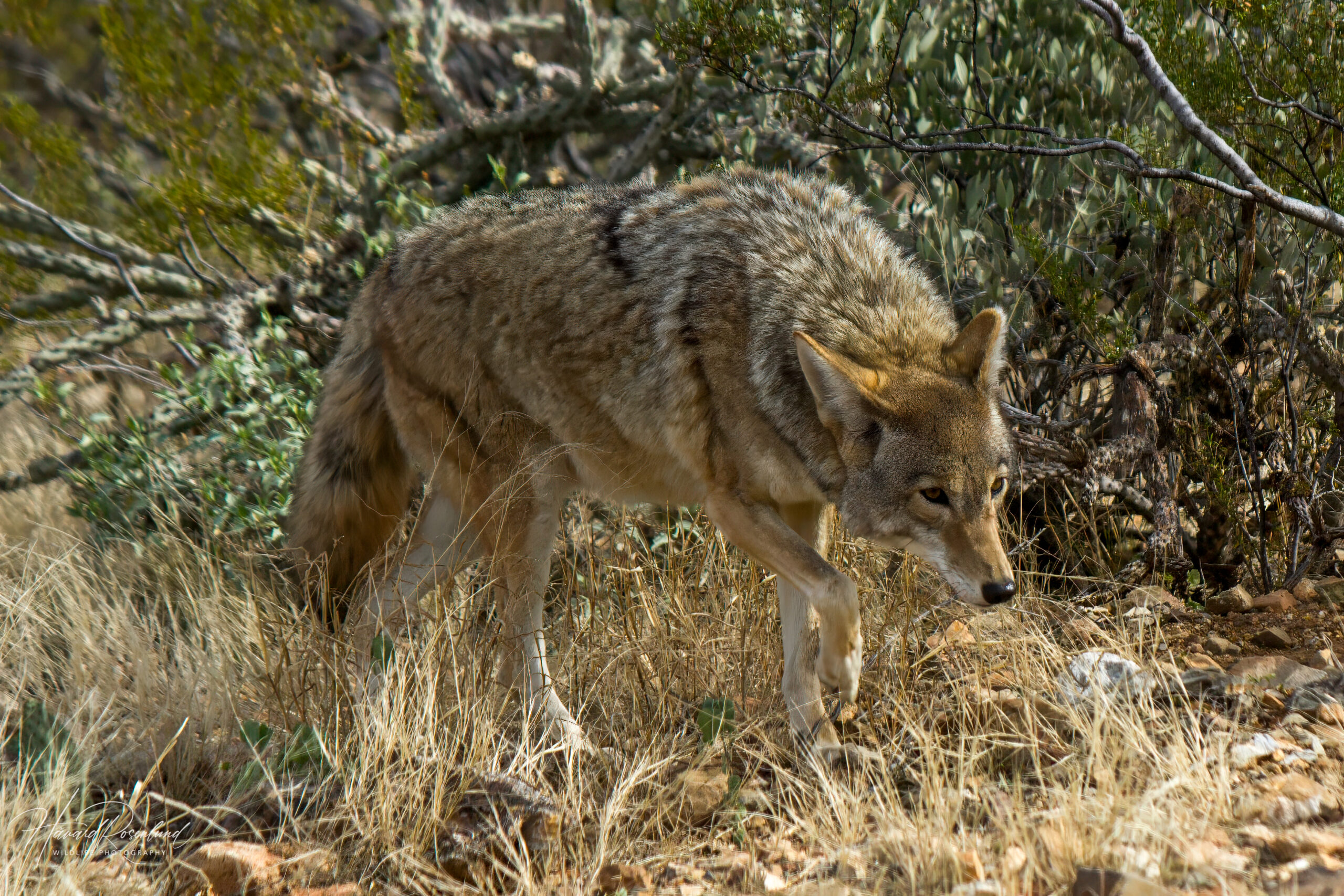
Coyotes (Canis latrans) living in a human-modified landscape south of Mexico City showed much less seasonal change in their diet than coyotes in a nearby conserved area. A study published on 8 June 2026 in Ecology and Evolution compared feeding ecology at two sites in the Sierra del Ajusco across an entire year.
Researchers collected 198 coyote scats along repeated survey routes at Las Rosas, a more conserved site, and Las Maravillas, a more human-modified site. The scats were washed and sifted so that hair, bones, feathers, seeds and other remains could be identified. The researchers then compared dietary diversity between places and seasons. Their Shannon–Wiener diversity measure combines how many food types are present with how evenly they occur, so a higher value represents a broader, less strongly dominated diet.
Mammals dominated the diet at both sites, and the Mexican vole (Microtus mexicanus) was the main prey species. When the full year was considered, dietary diversity did not differ clearly between the conserved and human-modified sites. The major contrast appeared when the researchers examined seasonal change.
Seasonal change was clear only at the conserved site
At Las Rosas, dietary diversity was higher in the rainy season and fell in the dry season. The Mexican vole occurred in 37.7% of rainy-season scats but 62.7% of dry-season scats, showing how the diet became more strongly centred on its main prey. At Las Maravillas, by contrast, overall dietary diversity remained similar between seasons even though individual food items changed. The authors interpret this difference as evidence that food associated with human activity provides a more constant supply of resources through the year and buffers the seasonal changes that would otherwise occur in the coyote’s diet.
Human-associated resources buffered the seasonal cycle
The study therefore found that human disturbance did not primarily change how broad the annual diet was. Instead, it altered how strongly the diet shifted through the year. At Las Maravillas, agriculture, livestock and rubbish dumps provided additional human-associated resources, and the authors argue that this more continuous supply reduced the coyotes’ dependence on natural seasonal fluctuations in prey and other foods.
The authors describe this as a decoupling of feeding ecology from natural seasonal cycles in the human-modified landscape. They note that such changes may affect the ecological role of coyotes at the wildland–urban interface, because a predator whose diet is buffered by human resources can respond differently to seasonal changes in natural prey than animals living in less modified habitat.
Ecology
Related news
Coyotes Increased Across Illinois Over Four Decades, but County Trends Varied
Four long-running Illinois surveys together showed a statewide coyote increase from 1980–2023, while county-level populations followed more variable…
Read story →
Mange in Coyotes Varied With Urban Density and Habitat Connectivity Across North American Cities
Camera-trap data linked visible mange in coyotes to urban intensity and habitat connectivity at two spatial scales, while…
Read story →
Coyotes Chose Steep Slopes and Stable Soils for Dens in Elk Island National Park
A study of 42 coyote dens in Elk Island National Park found that steep slopes, stable soils and…
Read story →SPECIES IN THIS STORY
Species in this story
Independent research and conservation news archive
Did you find this information useful?
Wildlife Vagabond is independently built and maintained. Voluntary support helps cover source verification, hosting and continued work on research and conservation news.
Support Wildlife VagabondThe news archive will remain freely available.