
Coyotes Increased Across Illinois Over Four Decades, but County Trends Varied
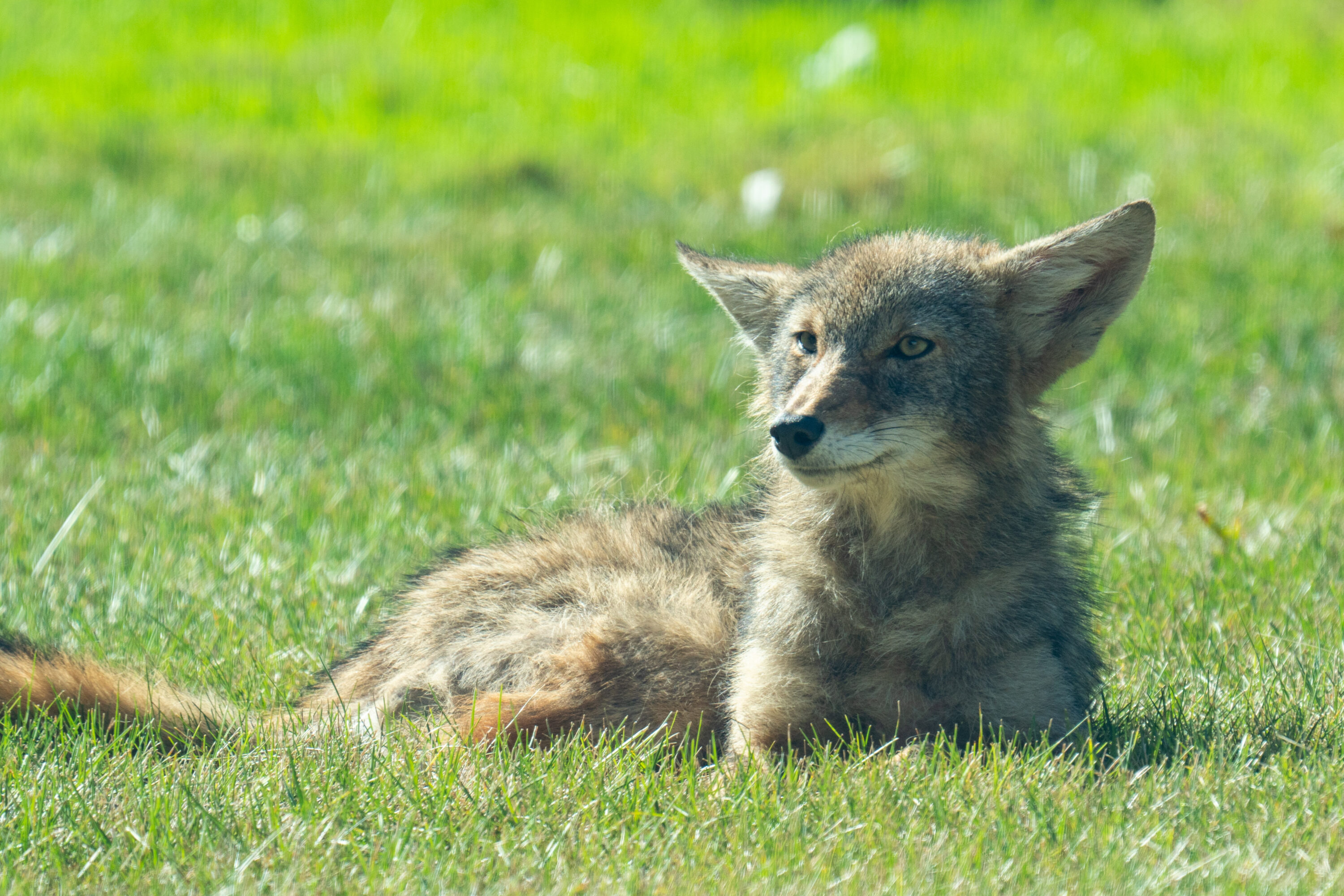
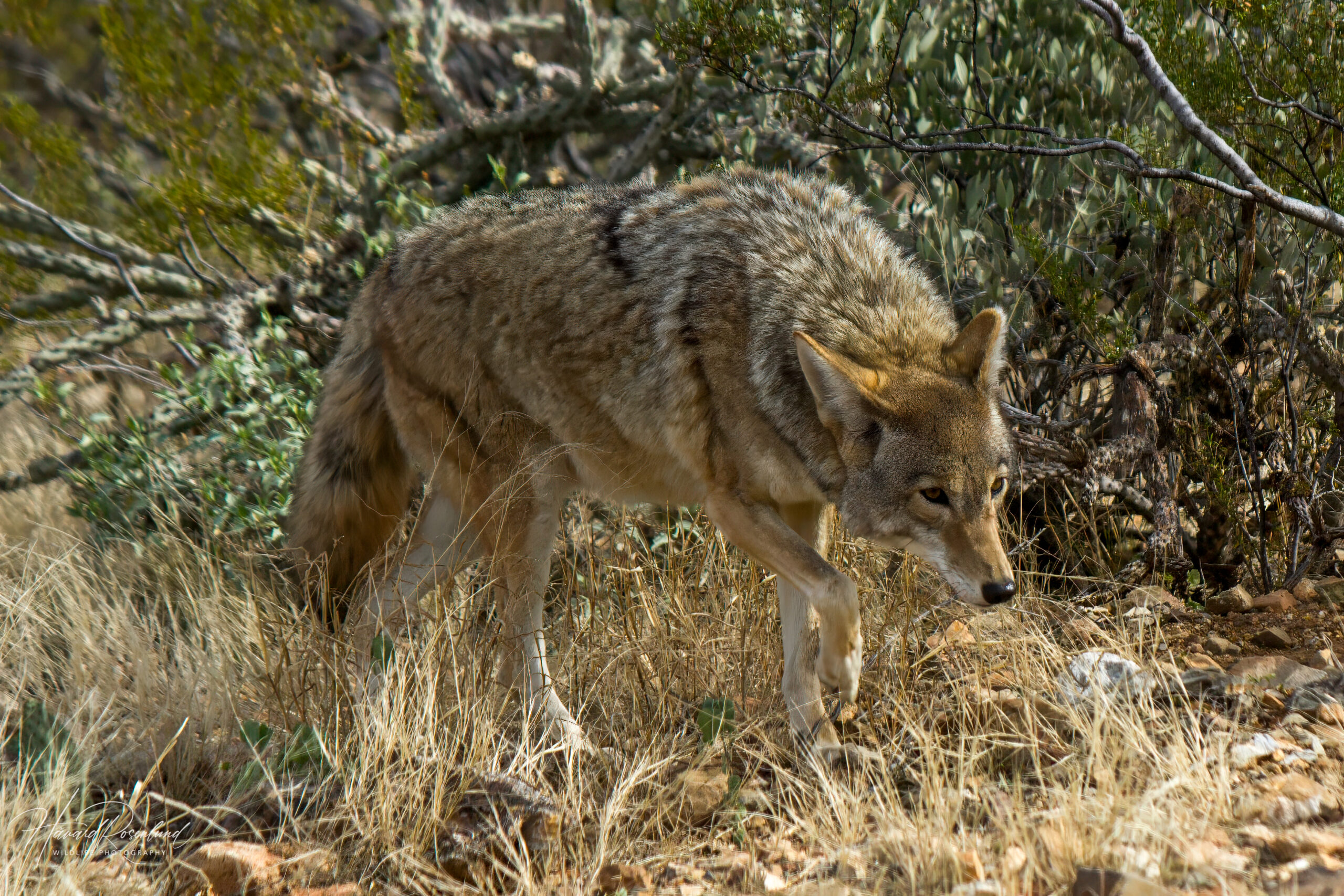
Coyotes (Canis latrans) increased across Illinois, USA over the four decades covered by long-running wildlife surveys, although local trends differed substantially among counties and periods. The conclusion comes from an analysis that combined four independent measures of relative abundance collected between 1980 and 2023.
The four datasets came from nocturnal spotlight counts, observations by archery deer hunters, trapper harvest records and hunter harvest records. None provides a direct count of the total coyote population. Each instead gives an index of how common coyotes appeared through a particular type of monitoring, and each is influenced differently by observer effort and detection.
Combining surveys separated population signal from survey noise
That mattered when the datasets were analysed separately. Only the spotlight survey produced clear evidence of long-term statewide population growth on its own, even though it also had the greatest estimated observation error. The archery, trapper and hunter datasets were individually too uncertain to show a consistent long-term increase.
When all four datasets were analysed together in an integrated state-space model, the statewide pattern became clearer. A state-space model separates variation caused by observation error from the underlying population process, allowing the surveys to contribute information without treating their raw counts as directly equivalent: the combined estimate showed positive long-term population growth and was more precise than estimates from any single survey. The authors argue that combining independent data sources can reduce the influence of biases specific to one monitoring method and reveal a population signal that is difficult to detect from any one dataset alone.
County trends shifted between decades
The statewide increase did not occur uniformly. County-level estimates showed periods of both growth and decline, and the locations of those changes shifted between decades. The researchers tested several ecological variables but could not identify clear causes for the fine-scale patterns from the available data. Human-caused mortality, prey availability and habitat quality are discussed as possible contributors, not as effects demonstrated by the study.
The study therefore supports a long-term increase in Illinois coyotes at the statewide scale while showing that local populations can follow different trajectories. The authors recommend finer-scale demographic work and continued use of both harvest-based and harvest-independent monitoring to understand those local changes.
Population & status
Related news
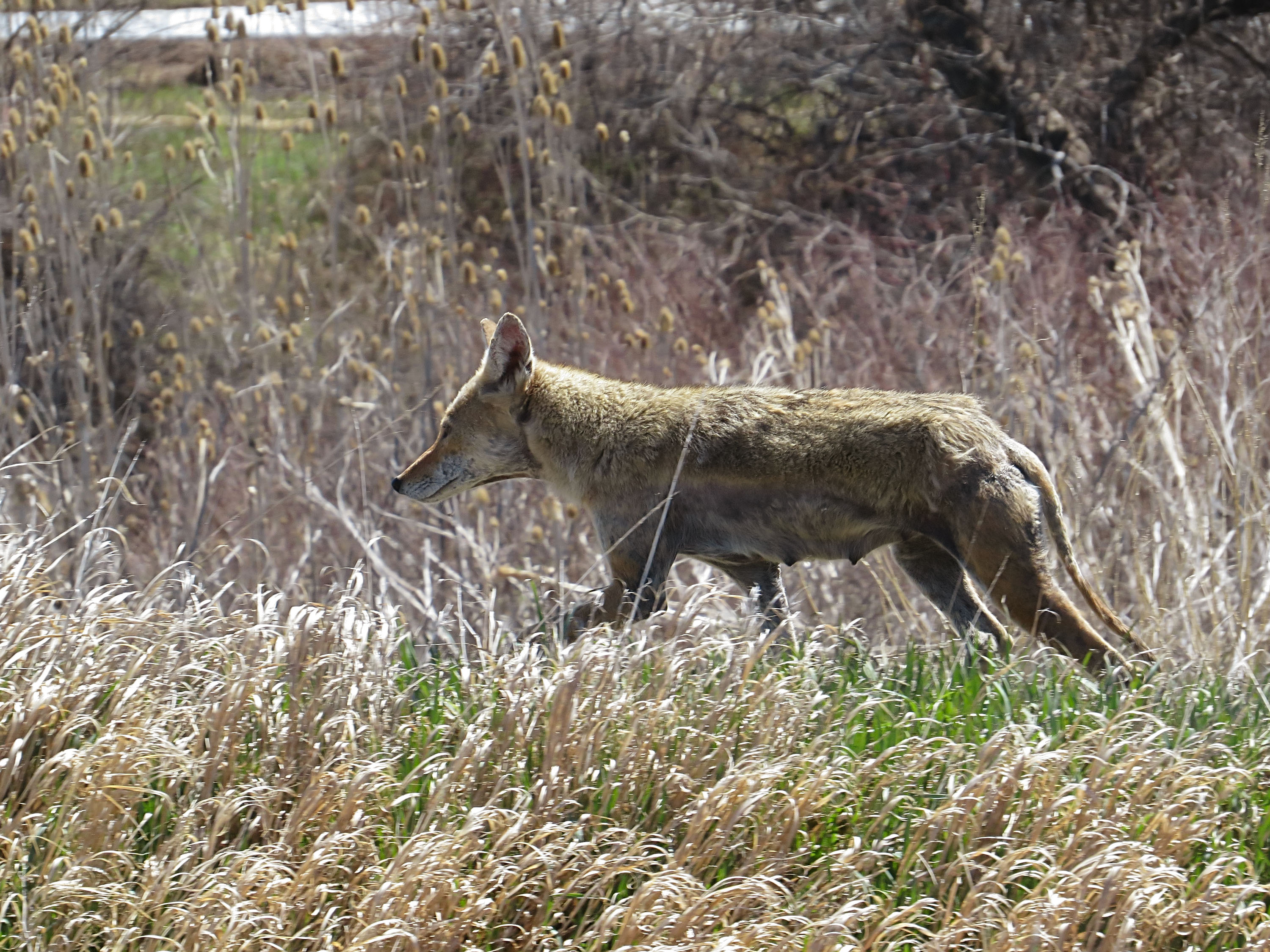
Mange in Coyotes Varied With Urban Density and Habitat Connectivity Across North American Cities
Camera-trap data linked visible mange in coyotes to urban intensity and habitat connectivity at two spatial scales, while…
Read story →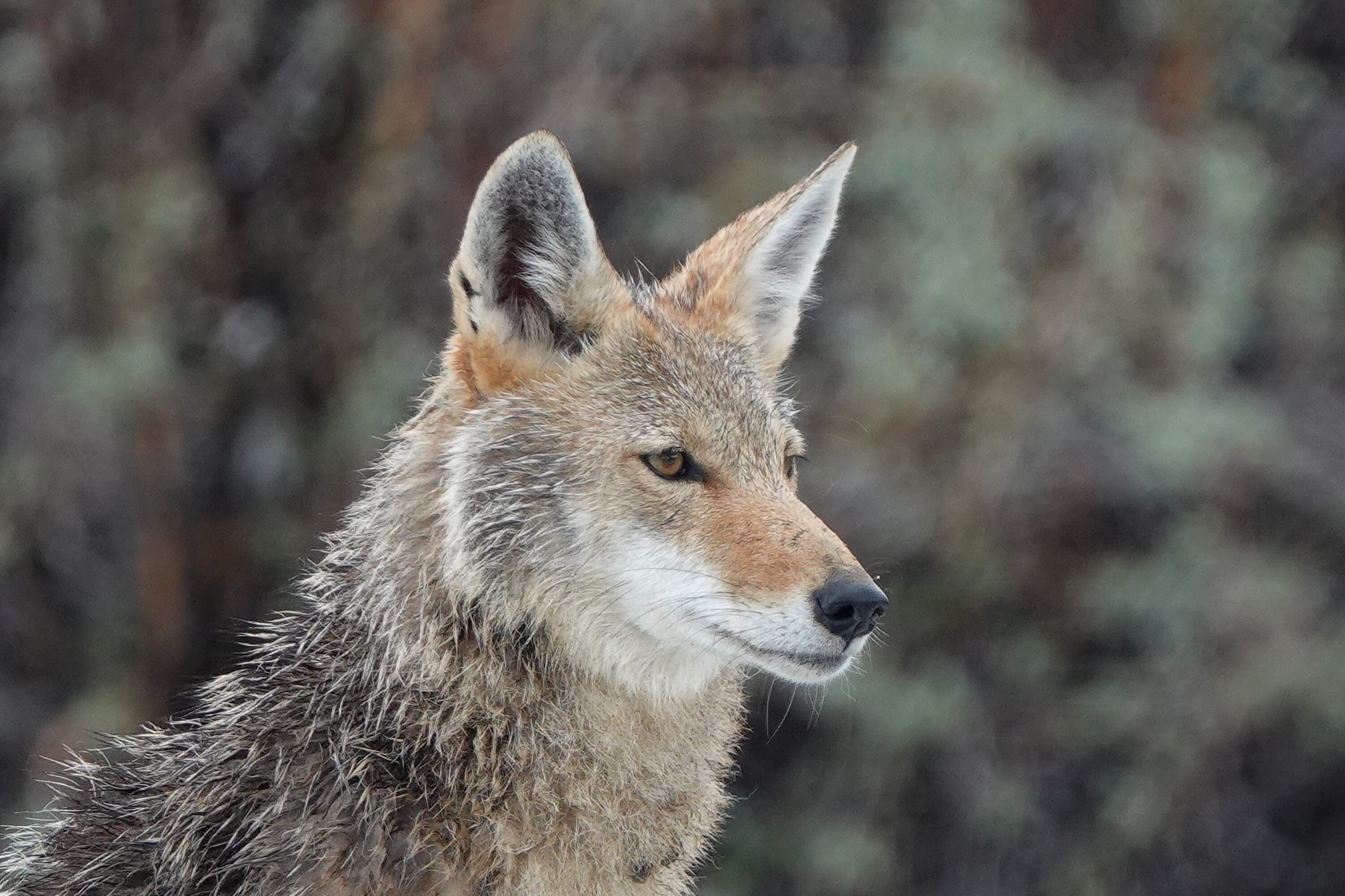
Coyotes Chose Steep Slopes and Stable Soils for Dens in Elk Island National Park
A study of 42 coyote dens in Elk Island National Park found that steep slopes, stable soils and…
Read story →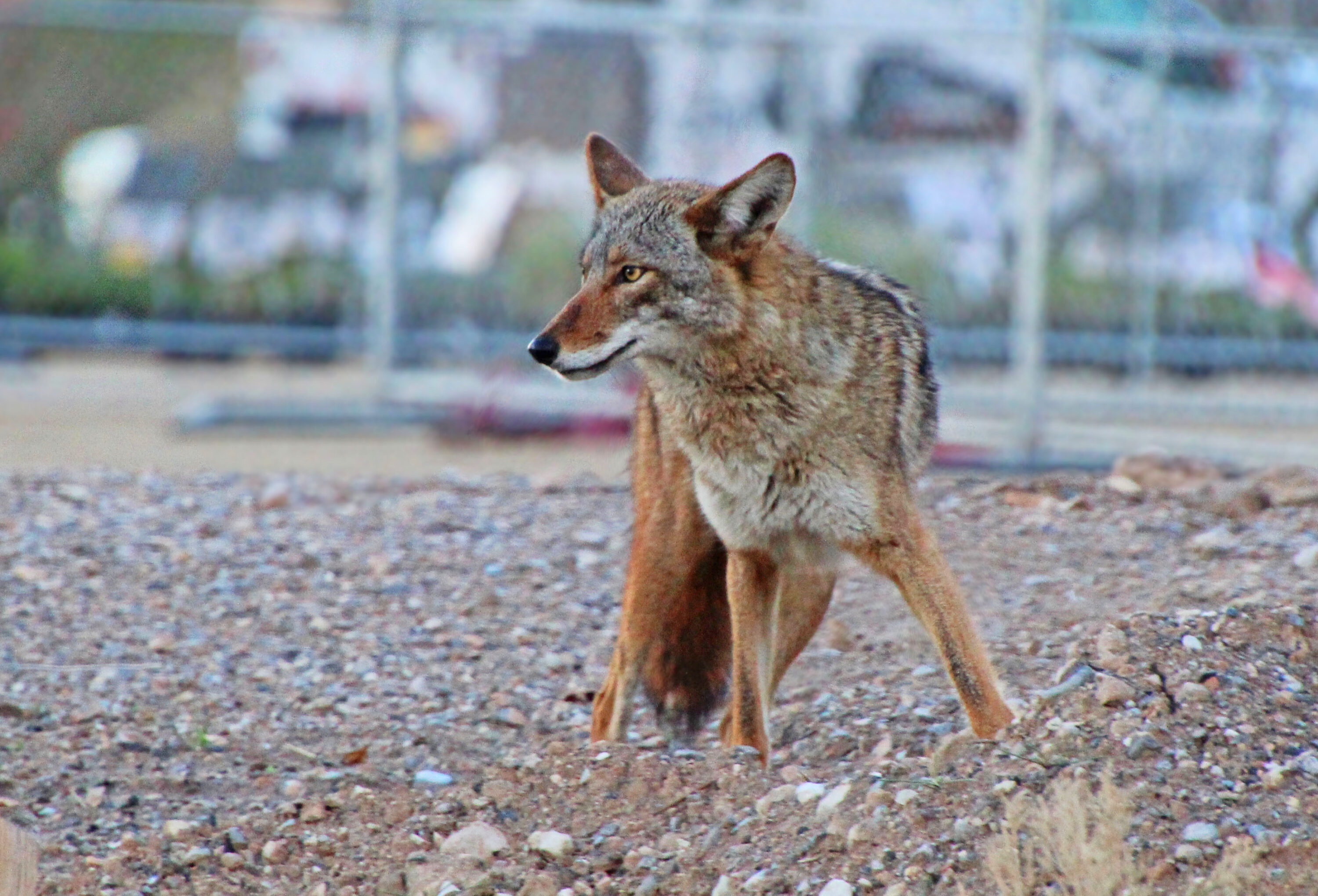
Stanley Park Recorded 108 Aggressive Human–Coyote Encounters in Nine Months
From December 2020 to August 2021, Stanley Park recorded 45 coyote attacks involving bites or scratches and 63…
Read story →SPECIES IN THIS STORY
Species in this story
Independent research and conservation news archive
Did you find this information useful?
Wildlife Vagabond is independently built and maintained. Voluntary support helps cover source verification, hosting and continued work on research and conservation news.
Support Wildlife VagabondThe news archive will remain freely available.