
Crithidia mellificae DNA Was Detected in Two Golden Jackals in Israel
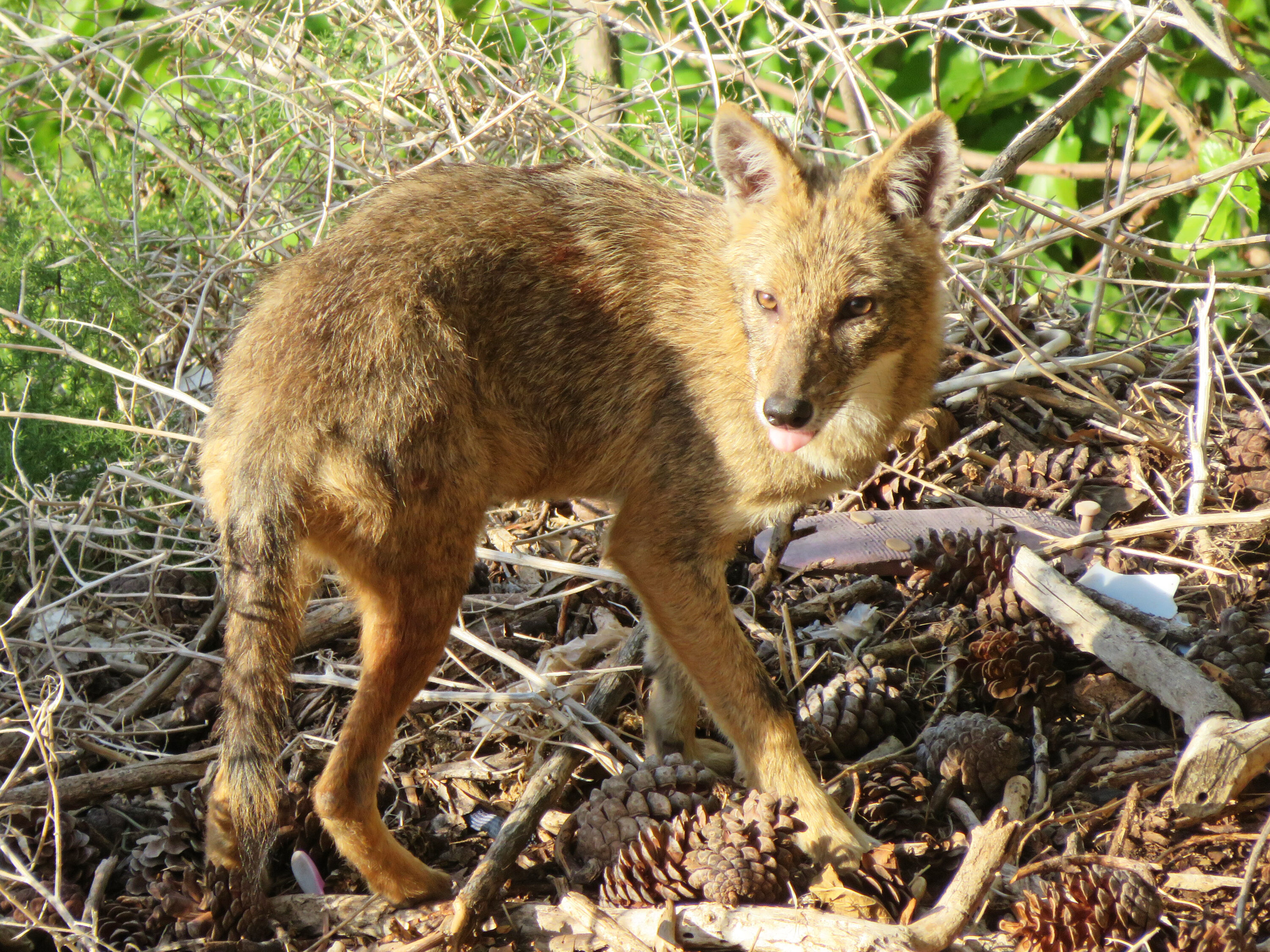
DNA from Crithidia mellificae, a trypanosomatid parasite best known from honey bees, was detected in blood from two golden jackals (Canis aureus) in north-eastern Israel, providing the first published report of the parasite in jackals. The short communication was first published online on 1 July 2026.
The finding came from a molecular survey investigating Leishmania in 303 golden jackal blood samples from Israel. PCR targeting the ITS1 locus and the 18S rRNA gene detected C. mellificae DNA in two animals, corresponding to 0.7% of the sampled jackals. Two other jackals in the same survey were positive for Leishmania infantum.
Sequencing and phylogenetic analysis verified the identity
The researchers sequenced the amplified DNA and used phylogenetic analysis to verify that the two unexpected PCR detections belonged to C. mellificae. The species is best known as a parasite of honey bees and has also been reported from other flying insects, wild mammals, several bat species and a domestic dog in Brazil.
The Israeli detections therefore add golden jackals to the vertebrates in which C. mellificae has been reported. The study did not assess whether the parasite caused clinical disease in the jackals, how long it persisted, which transmission route was involved or what biological role the animals might play.
The finding matters for molecular diagnosis
A central practical point of the paper is that C. mellificae can be amplified by PCR assays used to search for Leishmania or Trypanosoma. A positive result at these targets therefore cannot automatically be assigned to the expected parasite. Sequencing and identification of the amplified DNA are needed when unexpected trypanosomatids are present.
The paper also notes that other Crithidia species have been reported in human disease, but it does not show that C. mellificae caused disease in the sampled jackals. The authors describe the two detections as infection verified by PCR and DNA sequencing, while leaving the clinical significance, transmission route and possible reservoir role unresolved.
The authors call for further research on the importance of canids and other vertebrates in the transmission and epidemiology of Crithidia species. For wildlife surveillance, the immediate implication is diagnostic: sensitive molecular assays can reveal unexpected organisms, but the sequence must be identified before conclusions are drawn about which trypanosomatid is present.
Disease, parasites & microbiology
Related news

Similar Mammal Diversity, Different Activity Patterns in Grazed and Ungrazed Areas
Camera traps in four northern Israeli reserves found similar numbers of mammal species with and without livestock grazing.…
Read story →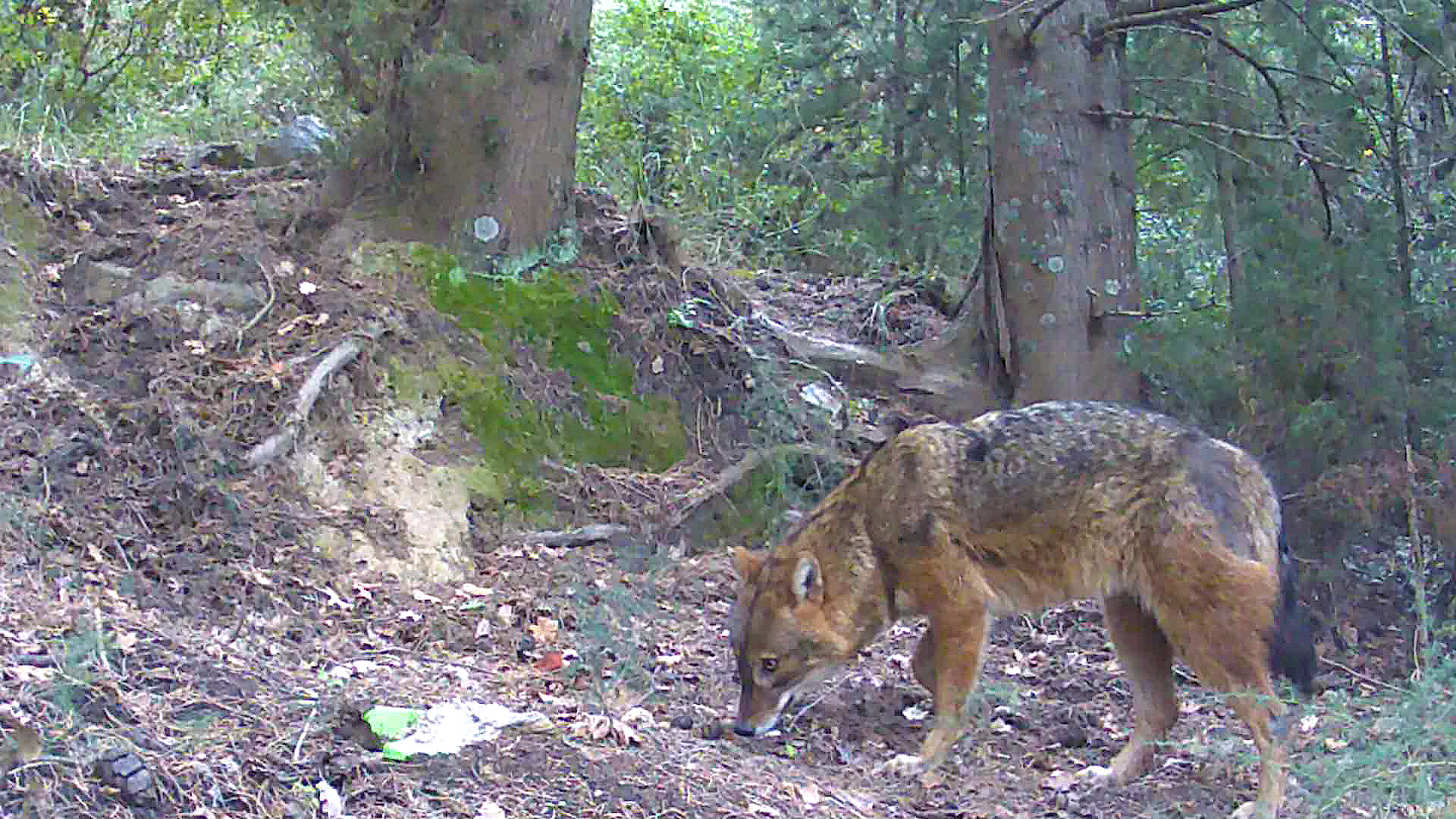
Climate Best Explained Fine-Scale Genetic Connectivity in Expanding Golden Jackals
A Eurasian landscape-genomics study of 363 golden jackals found that geography dominated genetic structure at continental scale, while…
Read story →
Most New Golden Jackal Samples Around the Adriatic Matched the Pannonian Genetic Cluster
Microsatellite analysis of 27 new golden jackal samples from Croatia, Italy, Austria and Greece assigned most animals to…
Read story →SPECIES IN THIS STORY
Species in this story
Independent research and conservation news archive
Did you find this information useful?
Wildlife Vagabond is independently built and maintained. Voluntary support helps cover source verification, hosting and continued work on research and conservation news.
Support Wildlife VagabondThe news archive will remain freely available.