
Crowned Eagle Incubated Two Egyptian Goose Eggs Alongside Its Own
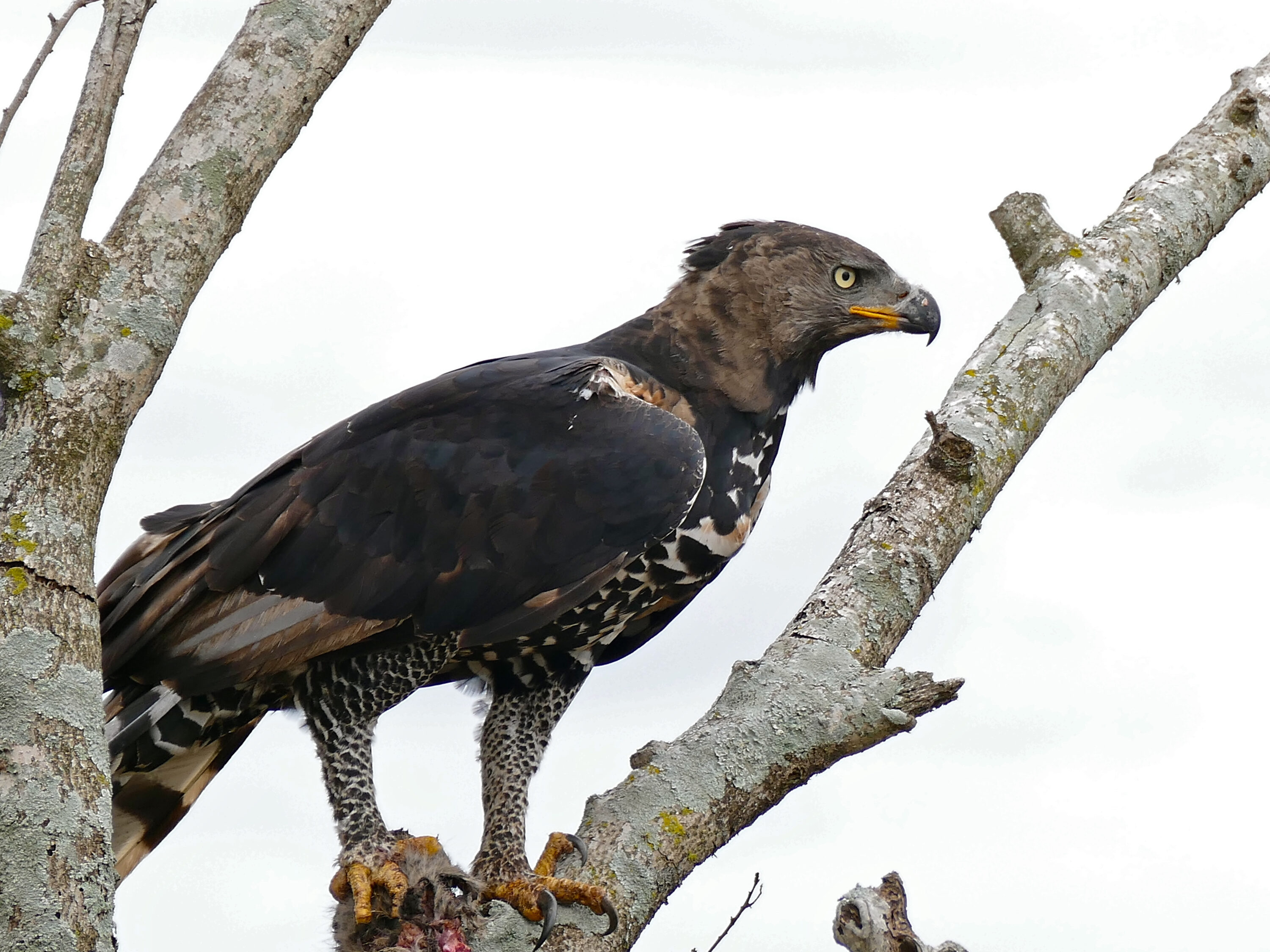
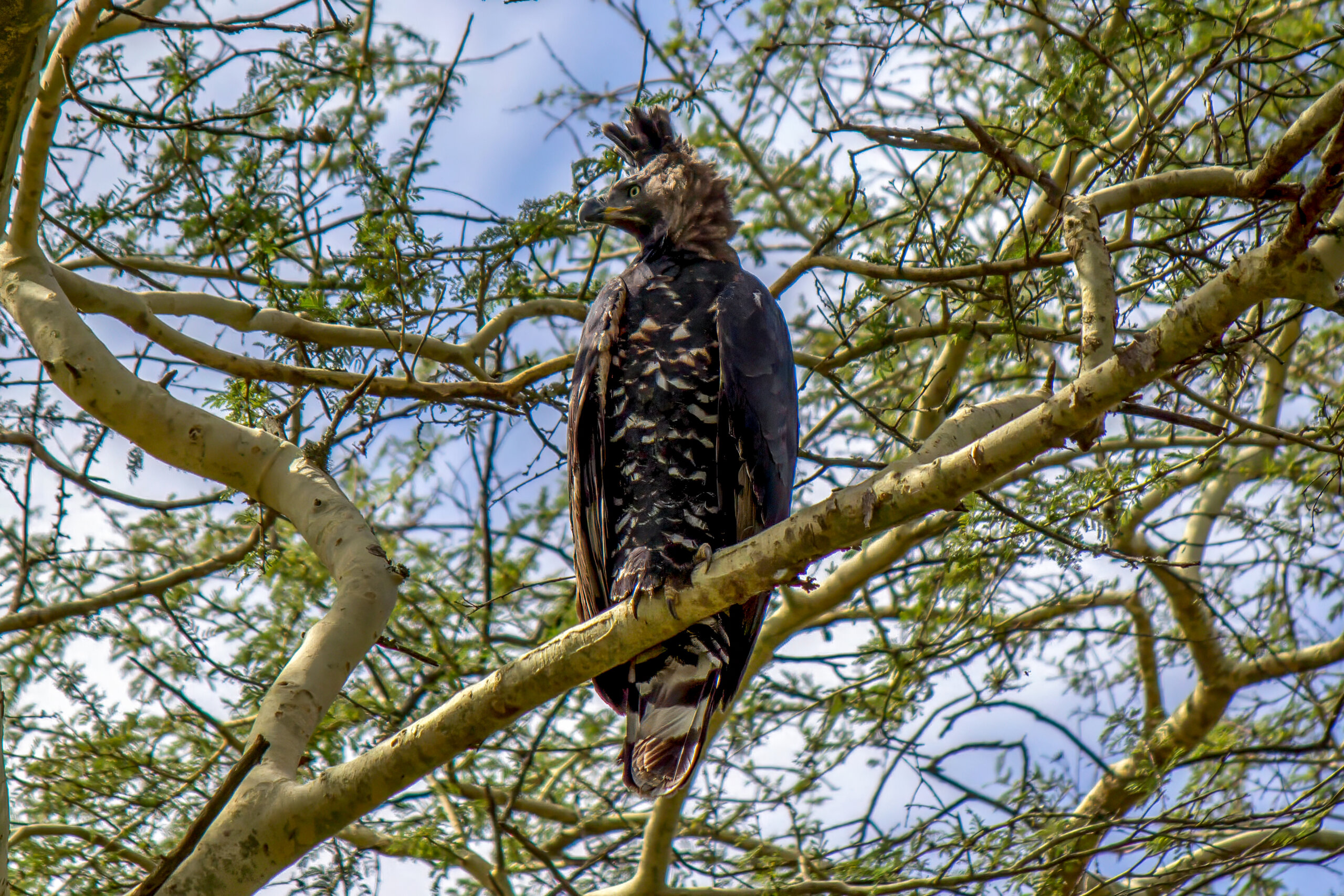
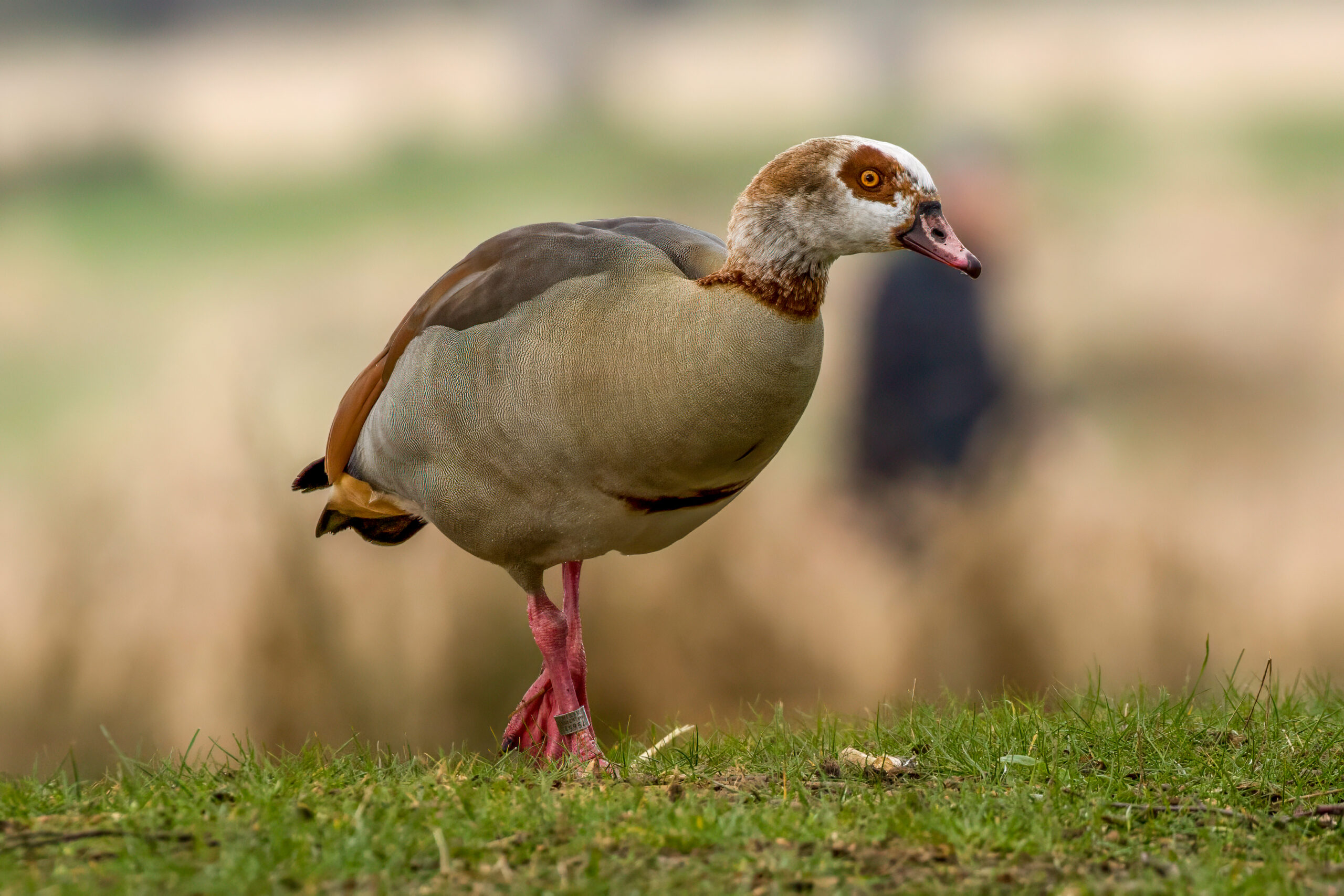
An unusual nesting event in South Africa documented a crowned eagle (Stephanoaetus coronatus) incubating a mixed clutch containing one of its own eggs and two eggs laid by an Egyptian goose (Alopochen aegyptiaca). Crowned eagles normally lay only one or two eggs, and strong sibling aggression means that usually only one eagle chick is raised, making a three-egg nest especially unusual even before the foreign eggs hatched.
The case arose after Egyptian geese used the eagle nest during the breeding attempt. Rather than removing or abandoning the foreign eggs, the crowned eagle incubated all three eggs together.
Both Egyptian goose eggs hatched
Both Egyptian goose eggs hatched. The adult eagle continued to brood the newly hatched goslings alongside its own unhatched egg and even attempted to feed them. This was particularly unusual because Egyptian goose young are precocial: unlike an eagle chick, they hatch relatively well developed and normally leave the nest with their parents soon after hatching.
The mixed brood ended without an eagle chick
The mixed brood did not persist for long. One gosling jumped from the eagle nest and was later found by people after the adult geese had left the area. The second gosling remained with the crowned eagle for longer, but was eventually killed and eaten by the eagle. The crowned eagle’s own egg did not hatch, so the breeding attempt ultimately failed.
The authors describe the observation as a previously undocumented example of a crowned eagle accepting and incubating Egyptian goose eggs. They note that Egyptian geese do not build their own tree nests and can use or aggressively take over nests built by other large birds, including raptors.
In this case, the crowned eagle did not appear to recognise or reject the foreign eggs after regaining the nest. The authors highlight the event as an example of how nest competition between the two species can interfere with raptor breeding, particularly in human-modified landscapes where Egyptian goose populations and large raptors increasingly overlap.
The study was published in the Journal of Raptor Research in April 2026.
Behaviour
Related news
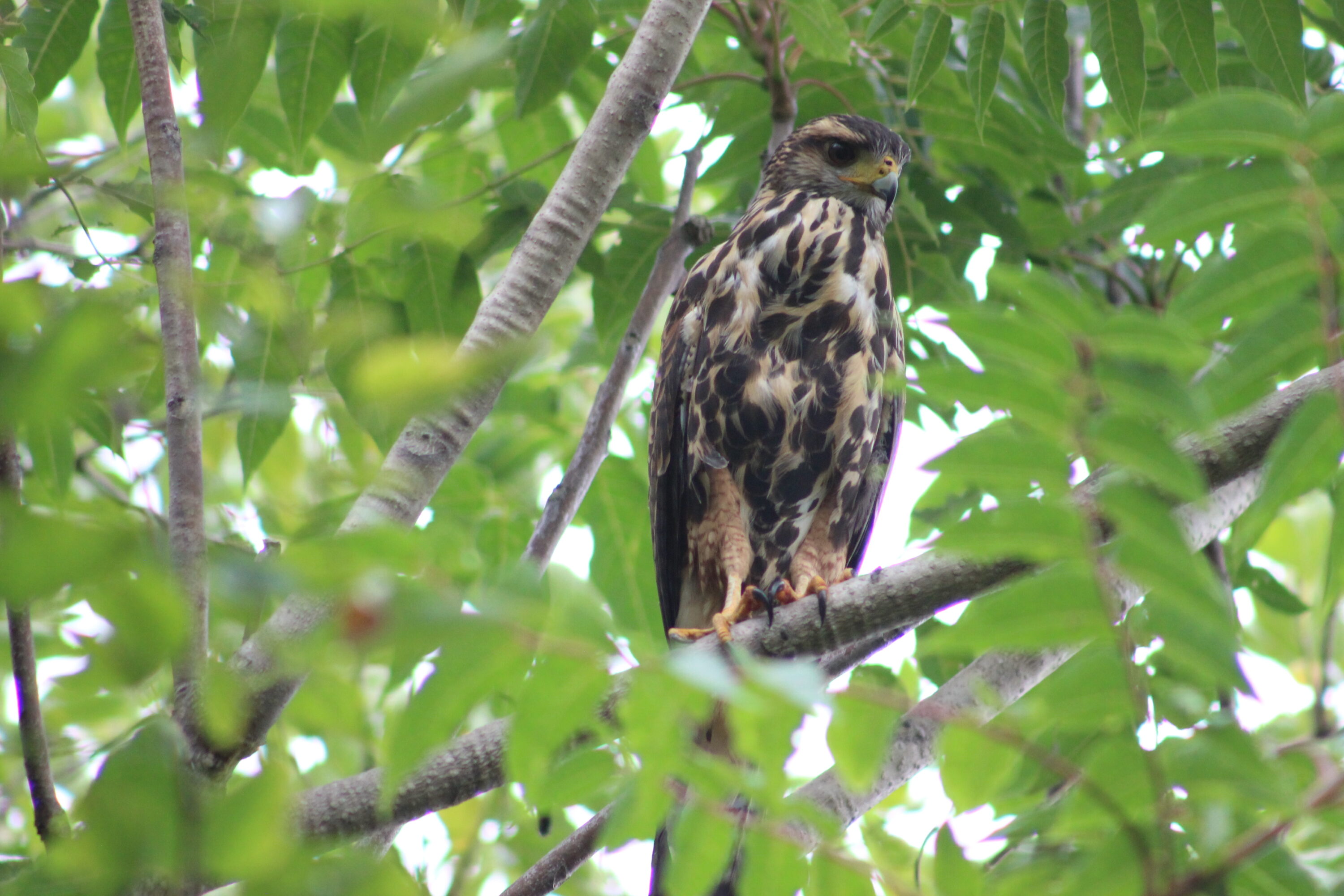
Juvenile Harris's Hawks Manipulated Pine Cones for About Five Minutes
Two juvenile Harris's hawks in Buenos Aires Province tore pine cones from trees, carried them to new perches…
Read story →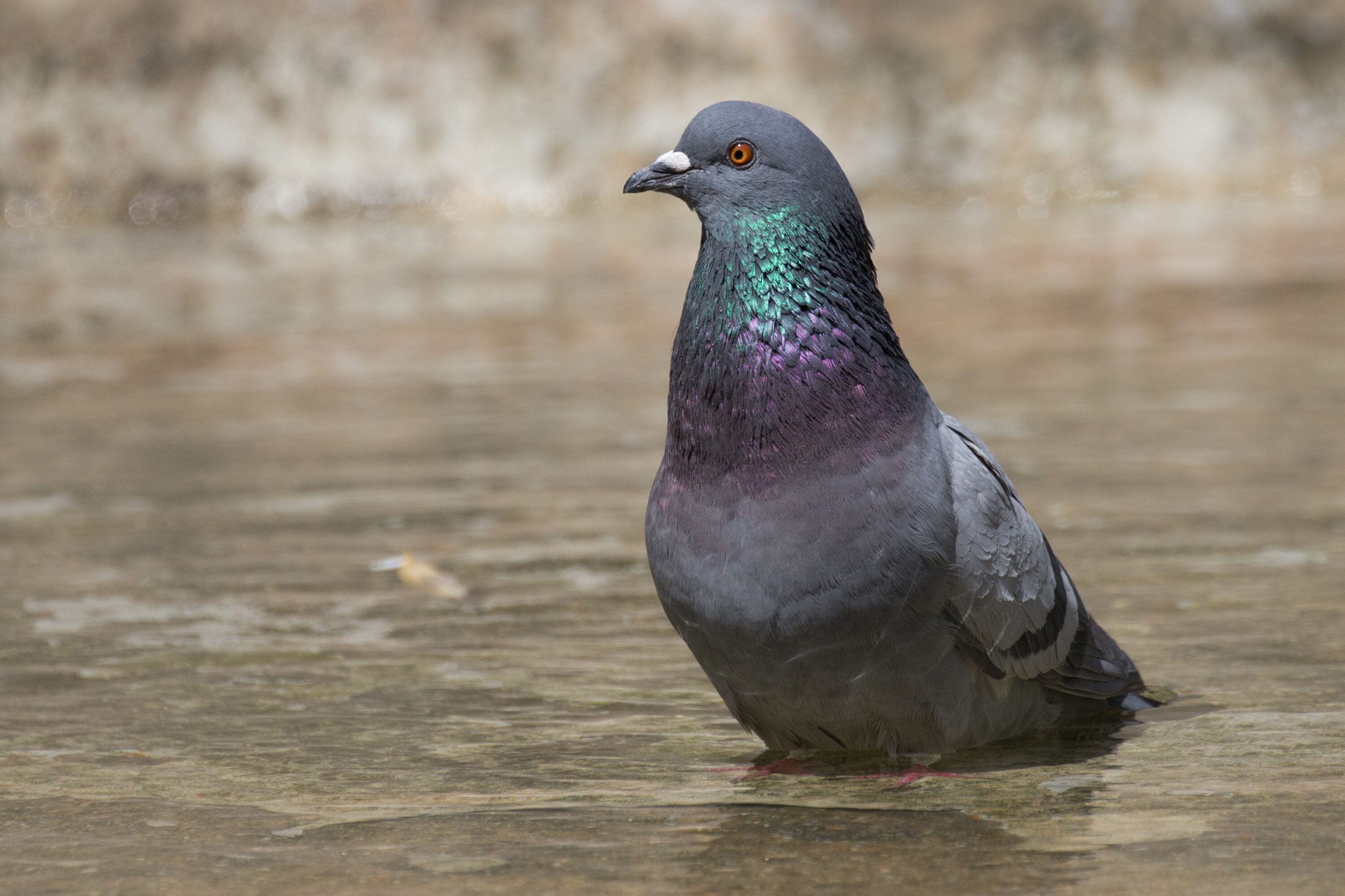
Rock Doves Preferred Predictive Information Despite a Lower Food Payoff
Seven rock doves preferred an informative option that paid on 20% of trials over a non-informative option that…
Read story →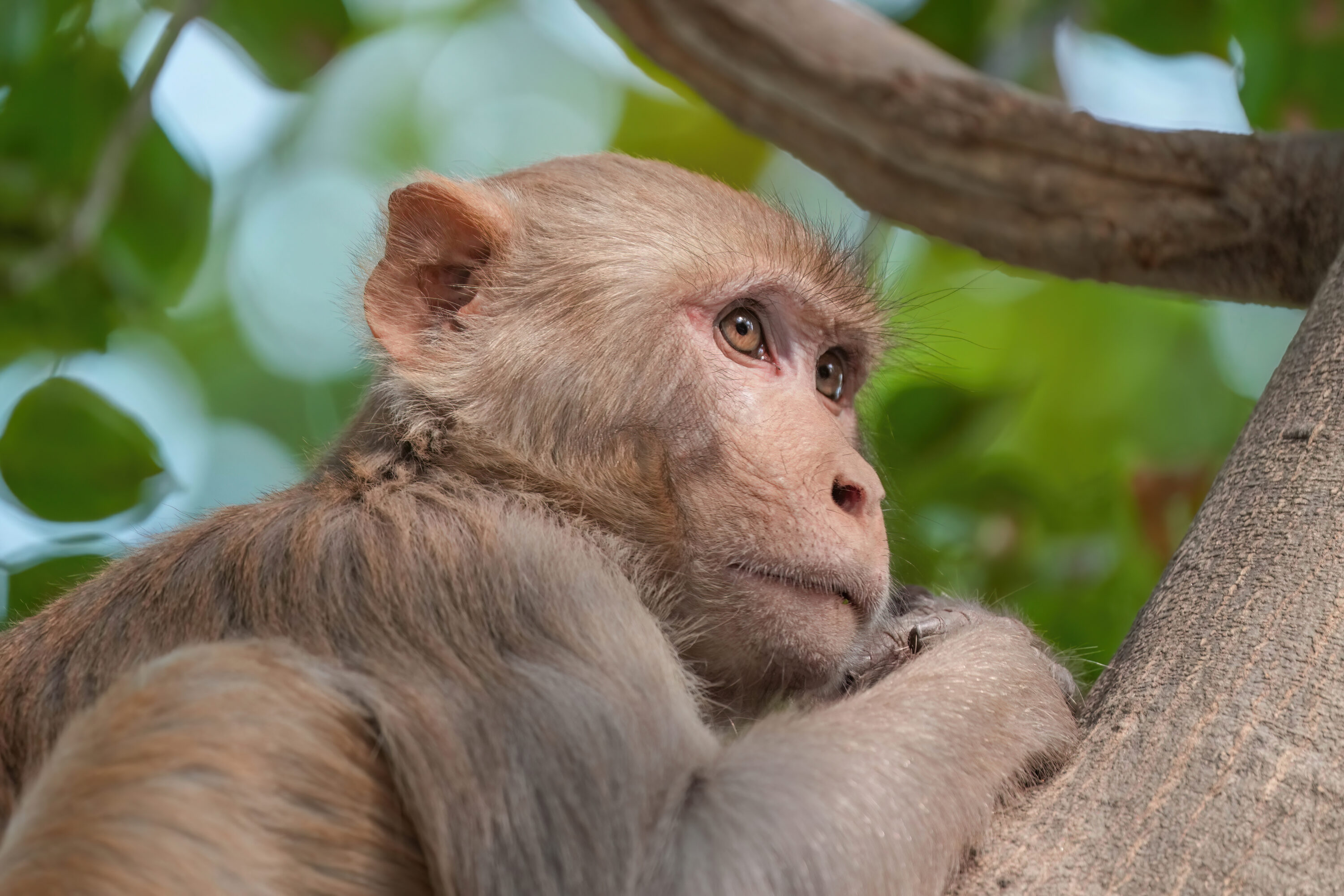
Task Uncertainty Increased Interference From Irrelevant Visual Information in Rhesus Macaque Decisions
Two rhesus macaques made less accurate visual decisions under task uncertainty; recordings and microstimulation in primary visual cortex…
Read story →SPECIES IN THIS STORY
Species in this story
Independent research and conservation news archive
Did you find this information useful?
Wildlife Vagabond is independently built and maintained. Voluntary support helps cover source verification, hosting and continued work on research and conservation news.
Support Wildlife VagabondThe news archive will remain freely available.