
Urban Crowned Eagles Used More Energy Near Roads and Green-Space Boundaries in Durban
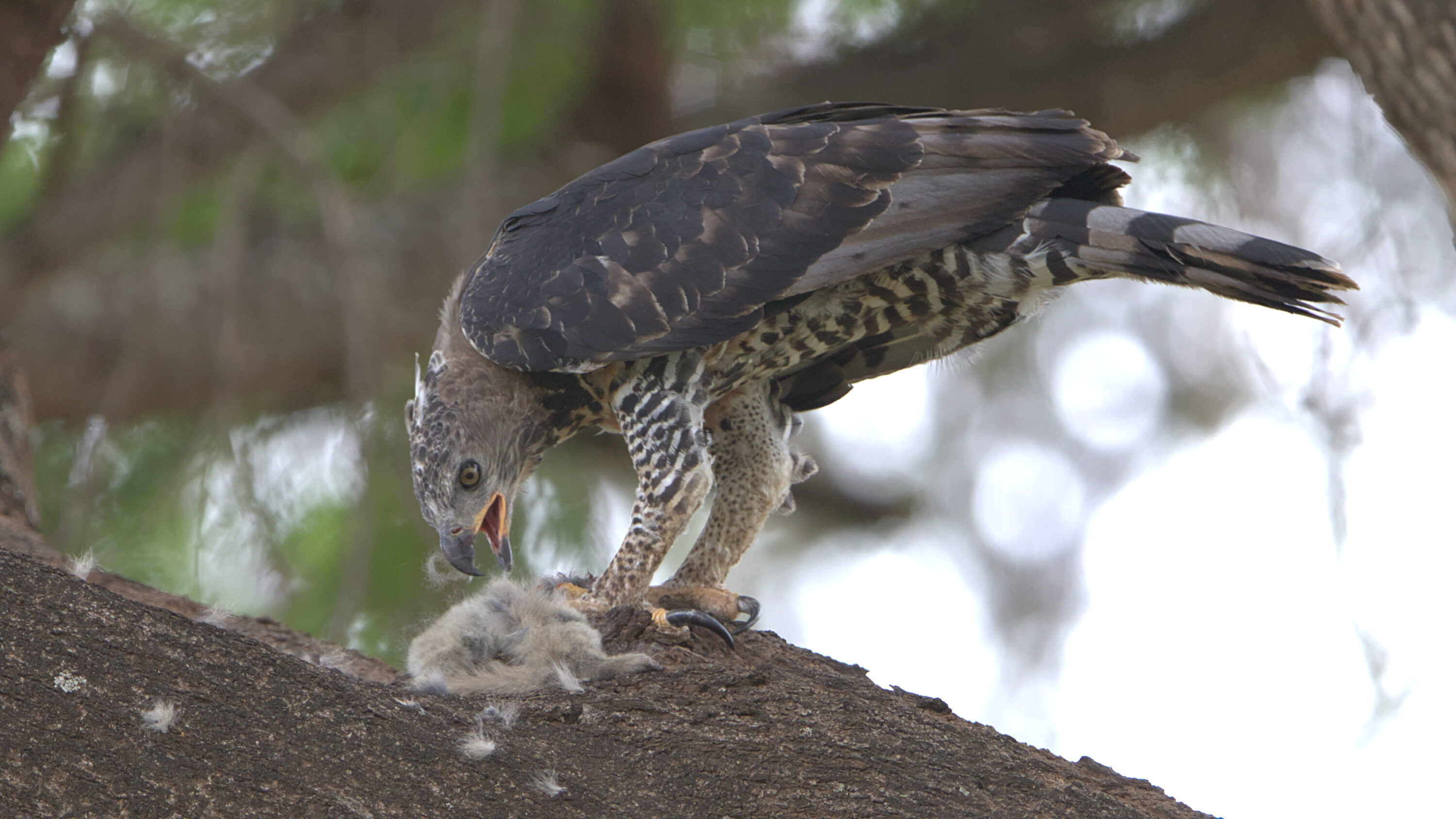
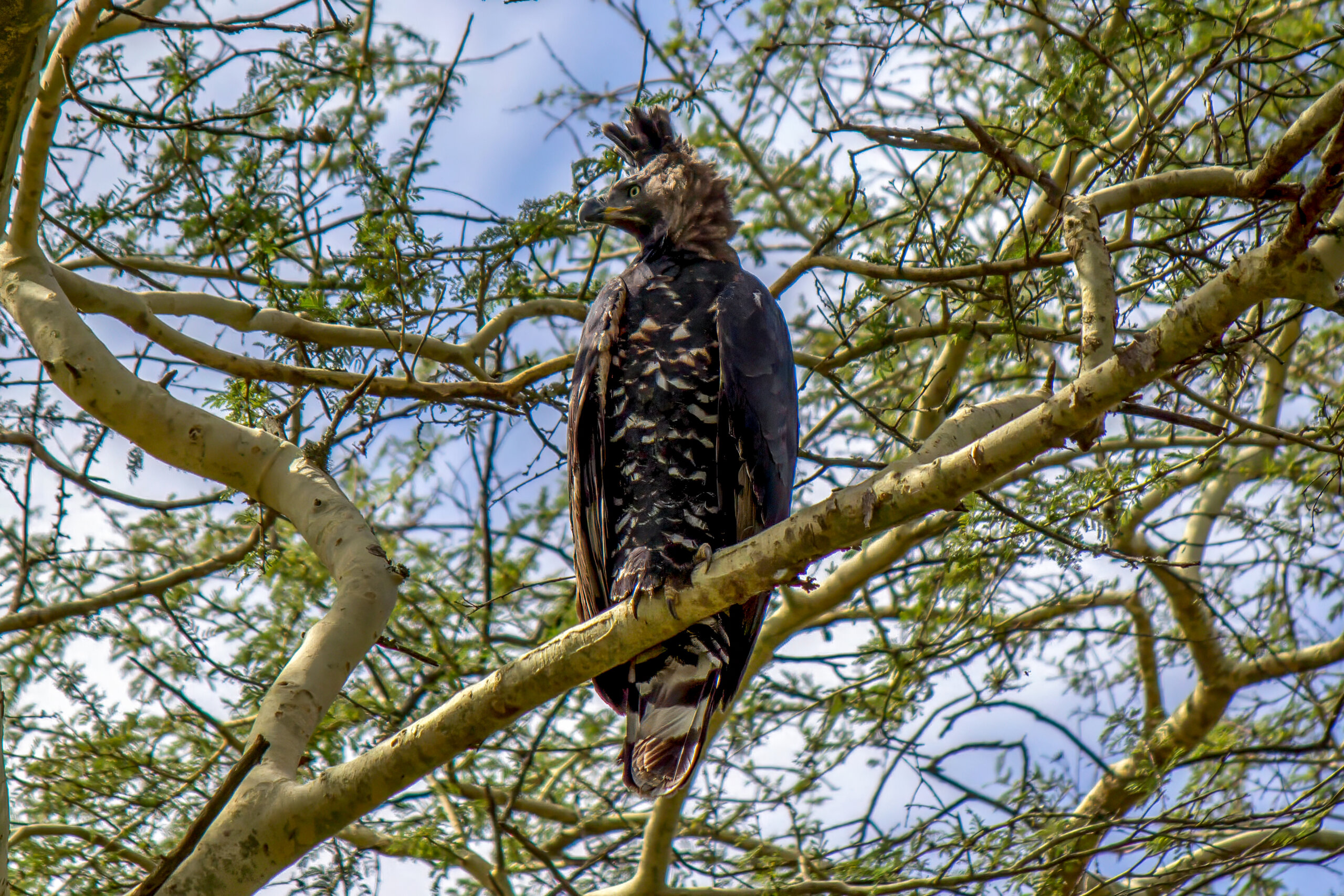
High-resolution tracking of urban crowned eagles (Stephanoaetus coronatus) in Durban, South Africa, showed that the birds expended substantially more energy in transformed parts of the city than in forest patches.
Researchers combined GPS tracking with triaxial accelerometers, which record body movement in three dimensions. They used Overall Dynamic Body Acceleration as a proxy for energy expenditure and combined these measurements with models of habitat selection to examine how the eagles moved through Durban’s urban landscape.
Energy use was highest near roads and green-space boundaries
The strongest pattern was associated with transformed habitats. Crowned eagles showed higher energy expenditure particularly near roads and along the boundaries of the Durban Metropolitan Open Space System (DMOSS), the network of green areas that runs through the metropolitan landscape. Forest patches, by contrast, were associated with lower energy expenditure and were described by the researchers as energetic refuges.
The tracking data do not identify a single cause
The authors do not assign a single cause to the higher energy use near roads and green-space boundaries. They suggest that it may reflect hunting activity or behavioural responses to human disturbance. The tracking data therefore show where energy expenditure changes, but do not by themselves distinguish between these possible explanations.
Durban is unusual in supporting relatively high densities of a large forest raptor inside a major city. Crowned eagles can nest in non-native eucalyptus trees and hunt urban prey including rock hyraxes, hadada ibises and vervet monkeys. The researchers are investigating whether this urban landscape functions primarily as a refuge or also imposes hidden energetic costs on the birds.
The study forms part of ongoing work in which breeding pairs are being tracked to map hunting movements, examine differences in prey capture between males and females and study how the adults divide provisioning of their young. The authors argue that such fine-scale movement data can also reveal aspects of urban connectivity and predator–prey interactions that are difficult to capture through conventional biodiversity monitoring.
The research was published as an abstract for the World Biodiversity Forum 2026 on 10 March 2026 and presented at the forum in Davos in June.
Physiology
Related news

Inland Mute Swans Had Higher Winter Body Condition Despite Harsher Winters and Supplemental Feeding
A study of 853 mute swans from four Polish wintering regions found higher body condition inland than on…
Read story →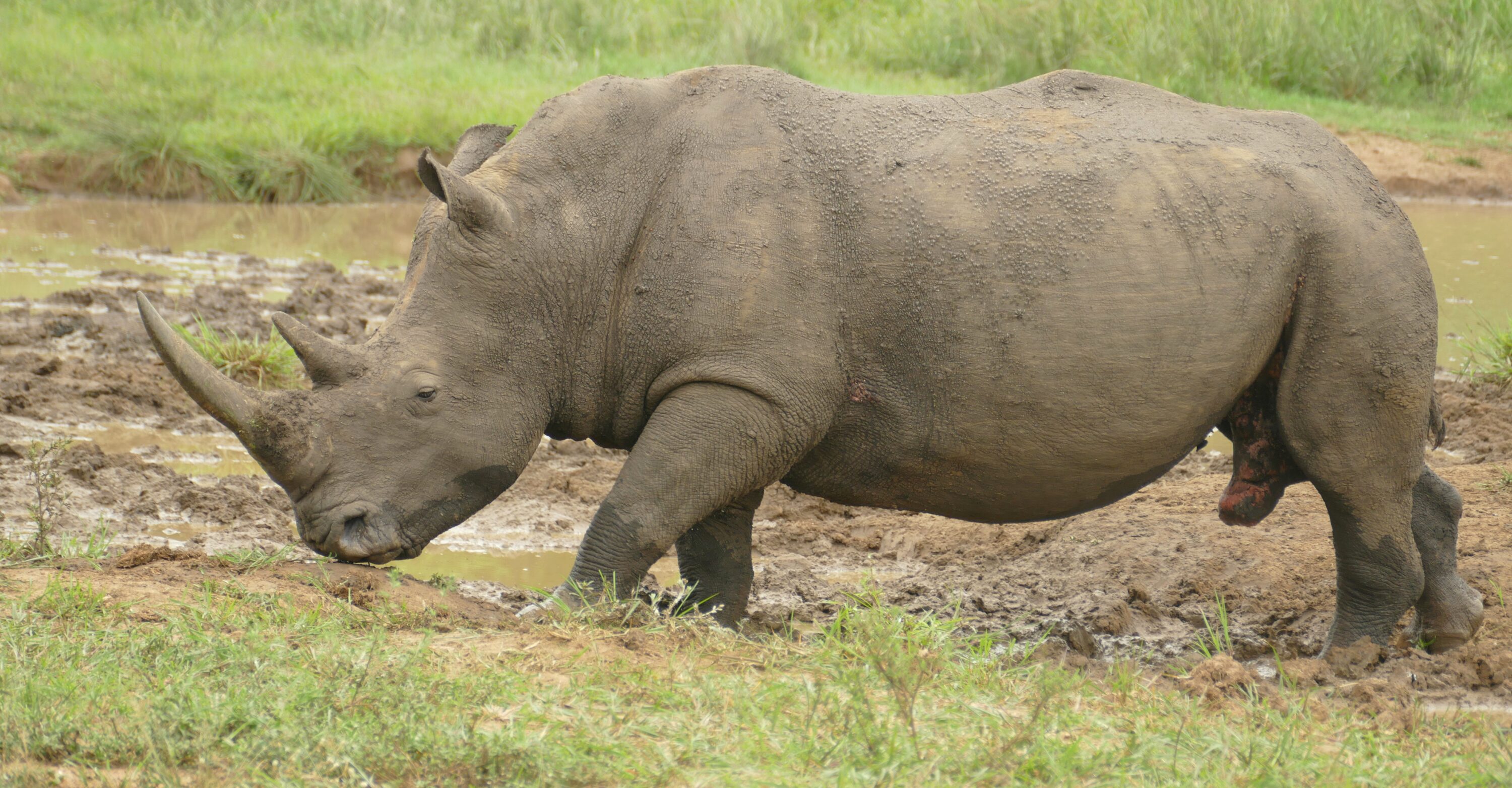
pH-Adjusted Hill Equation Reliably Estimated Blood Oxygen Saturation From 70–100% in Immobilised White Rhinos
A South African study of 16 immobilised male white rhinos in Kruger National Park found that a pH-adjusted…
Read story →
Task Uncertainty Increased Interference From Irrelevant Visual Information in Rhesus Macaque Decisions
Two rhesus macaques made less accurate visual decisions under task uncertainty; recordings and microstimulation in primary visual cortex…
Read story →SPECIES IN THIS STORY
Species in this story
Independent research and conservation news archive
Did you find this information useful?
Wildlife Vagabond is independently built and maintained. Voluntary support helps cover source verification, hosting and continued work on research and conservation news.
Support Wildlife VagabondThe news archive will remain freely available.