
Eurasian Curlews Used Larger Areas and More Mudflats Early in the Wintering Season
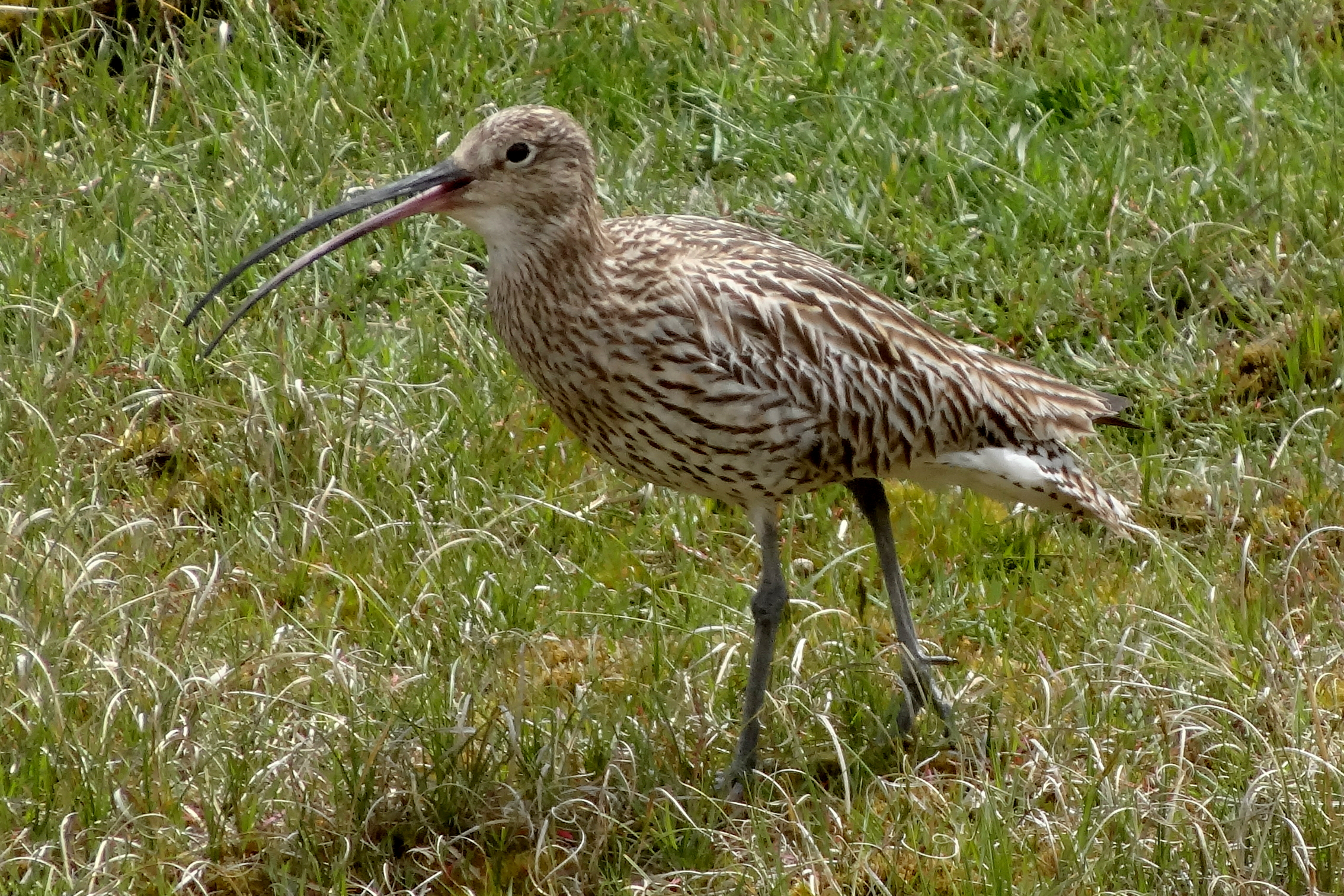
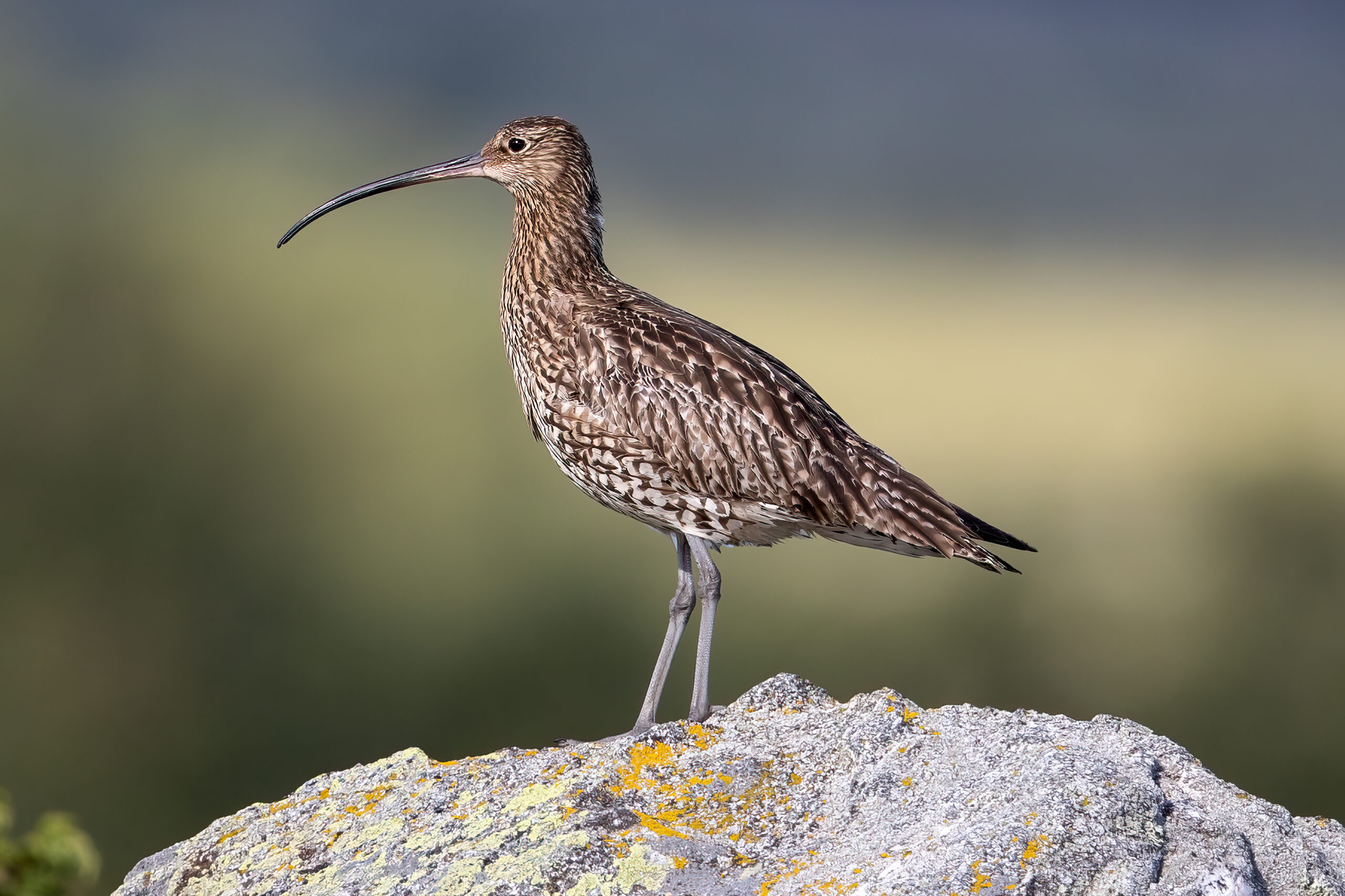
GPS tracking of 62 Eurasian curlews (Numenius arquata) at two major European wintering sites found that the birds used larger areas and spent more time on mudflats during the first stage of the wintering season. The study, published on 24 August 2026, compared curlews in the Pertuis Charentais in France with birds in the German part of the Wadden Sea.
Home-range size was similar between the two sites despite their contrasting waterbird densities. Here, home range means the area an individual bird used during a given stage of the winter, rather than a defended territory. Curlews used larger home ranges during the day than at night, and individuals varied considerably in the amount of space they used, without a clear relationship with sex.
The strongest seasonal difference appeared during the first winter stage, from arrival through September. Average home-range size was about 669 hectares at this stage, compared with 468 hectares from October to January and 437 hectares from February until departure. Curlews also spent a greater share of time on mudflats and selected foraging areas farther from the coast early in the season. The authors suggest that the greater early-winter space use may reflect higher energy requirements at this stage, together with weaker competition with other species.
Habitat use also differed between the two wintering areas. Birds in the German Wadden Sea fed mainly on mudflats. In the Pertuis Charentais, curlews used mudflats as well as biogenic reefs, oyster-farming areas and seagrass beds, with seagrass particularly favoured during the first stage. The authors argue that early-winter distributions deserve greater attention in conservation planning because birds are more mobile at this time while coastal tourism pressure remains high.
Ecology
Related news
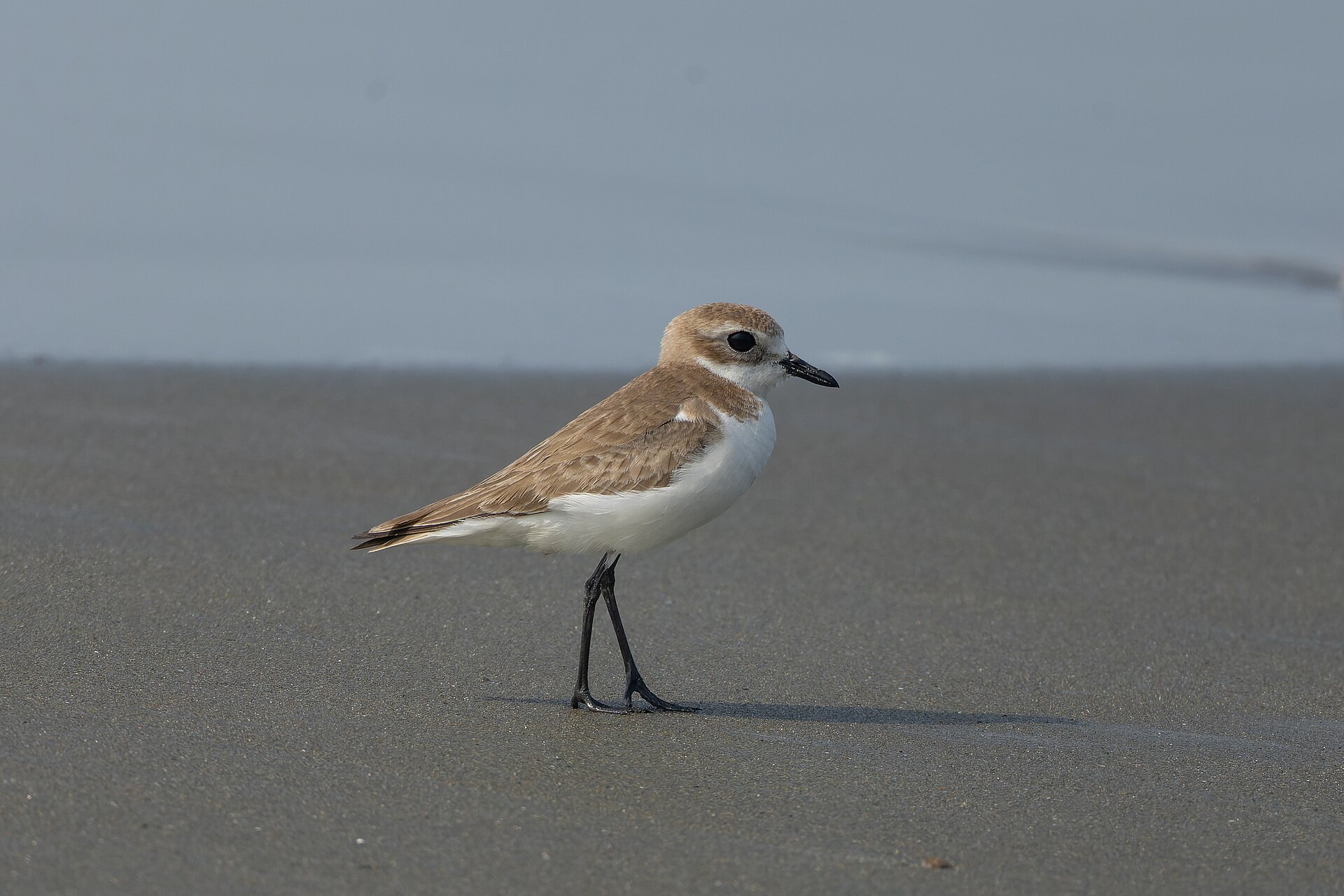
Six Migratory Shorebirds Were Linked to Habitat Complexes Beyond Tidal Flats
Across the East Asian–Australasian Flyway, six shorebirds were associated not only with tidal flats but also with nearby…
Read story →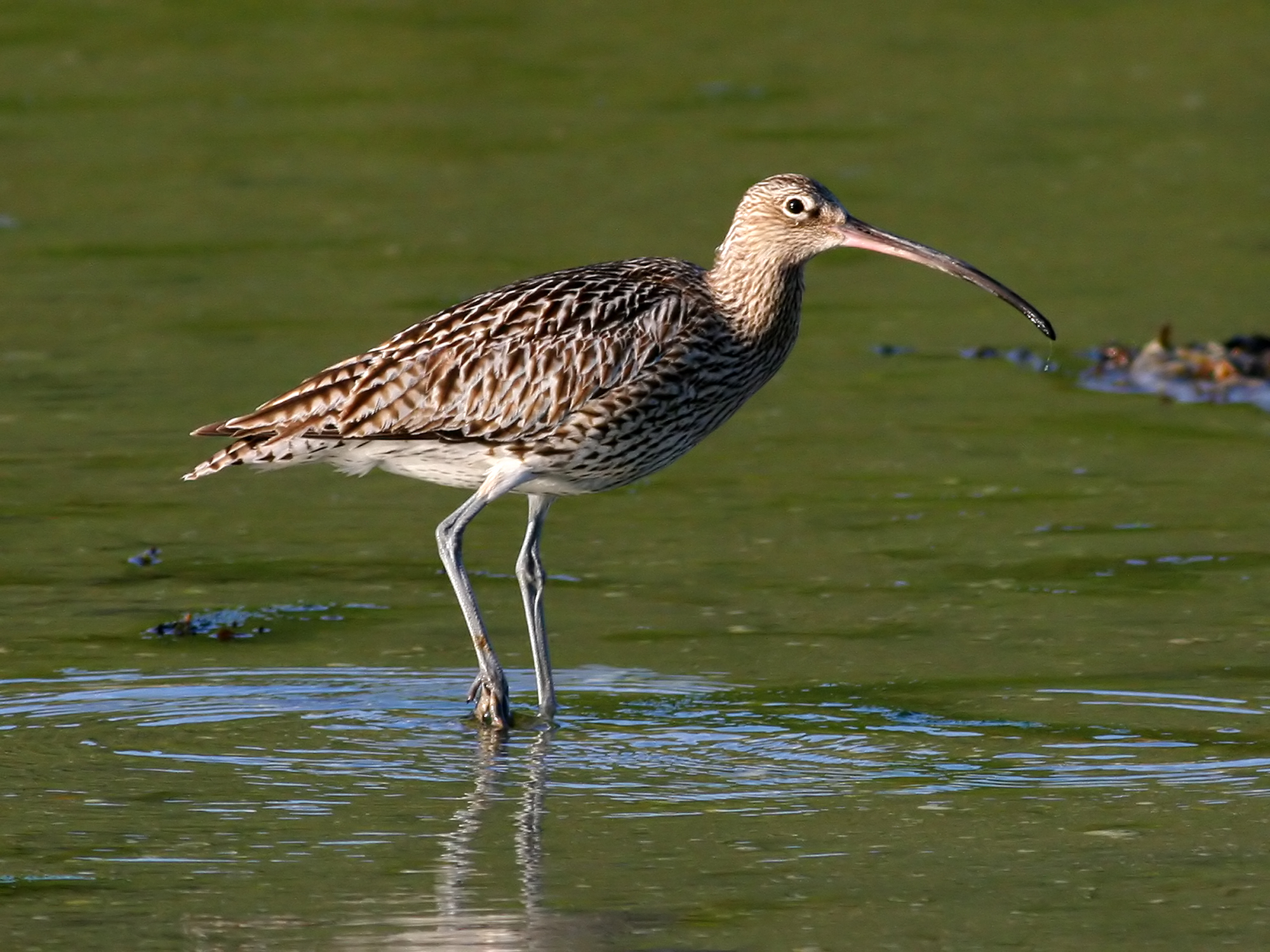
Irish and British Curlews Showed Little Genetic Separation but Both Differed From Swedish Birds
Whole-genome data from 56 Eurasian curlews found little differentiation between Irish and British birds but clear separation from…
Read story →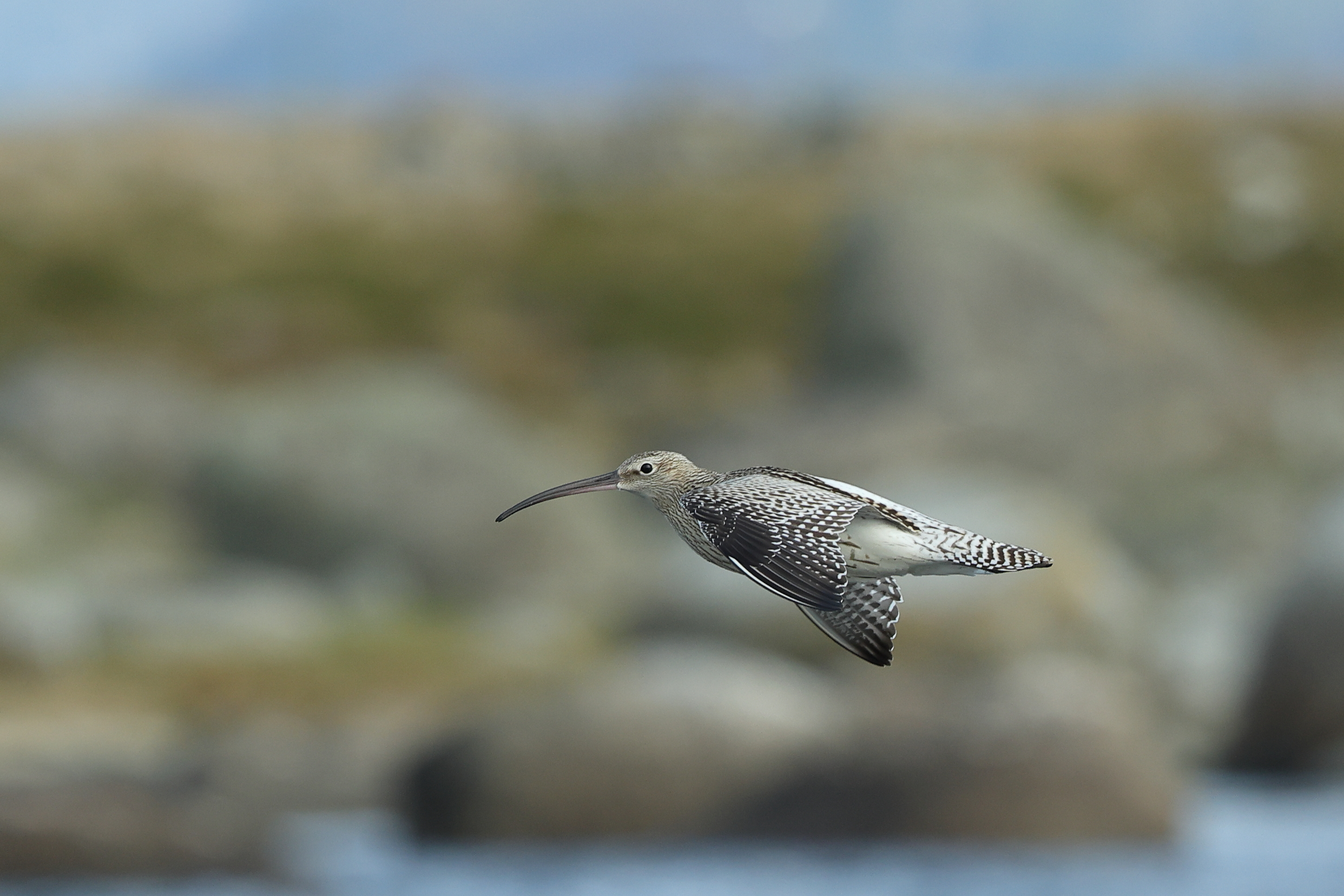
Half of Headstarted Eurasian Curlews Explored Beyond Their Main Area Before Migration
GPS tracking of 34 headstarted Eurasian curlews in Poland found that 17 moved outside their main post-release area…
Read story →SPECIES IN THIS STORY
Species in this story
Independent research and conservation news archive
Did you find this information useful?
Wildlife Vagabond is independently built and maintained. Voluntary support helps cover source verification, hosting and continued work on research and conservation news.
Support Wildlife VagabondThe news archive will remain freely available.