
Six Migratory Shorebirds Were Linked to Habitat Complexes Beyond Tidal Flats
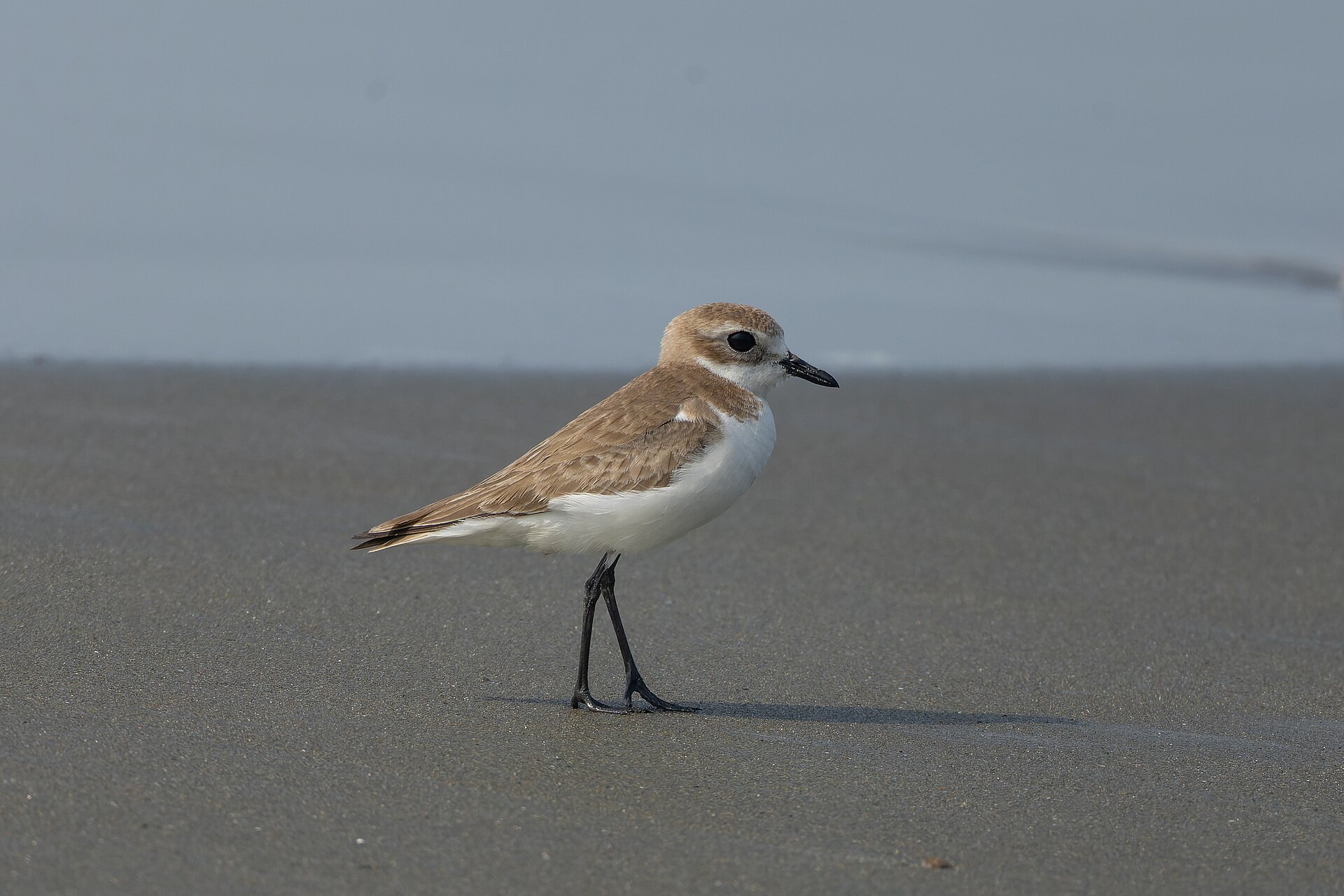
Six migratory shorebirds along the East Asian–Australasian Flyway were associated not only with tidal flats themselves, but also with the wider landscape around them. Nearby seasonal wetlands, the amount and arrangement of tidal-flat habitat and the diversity of surrounding land cover all helped identify more suitable non-breeding areas.
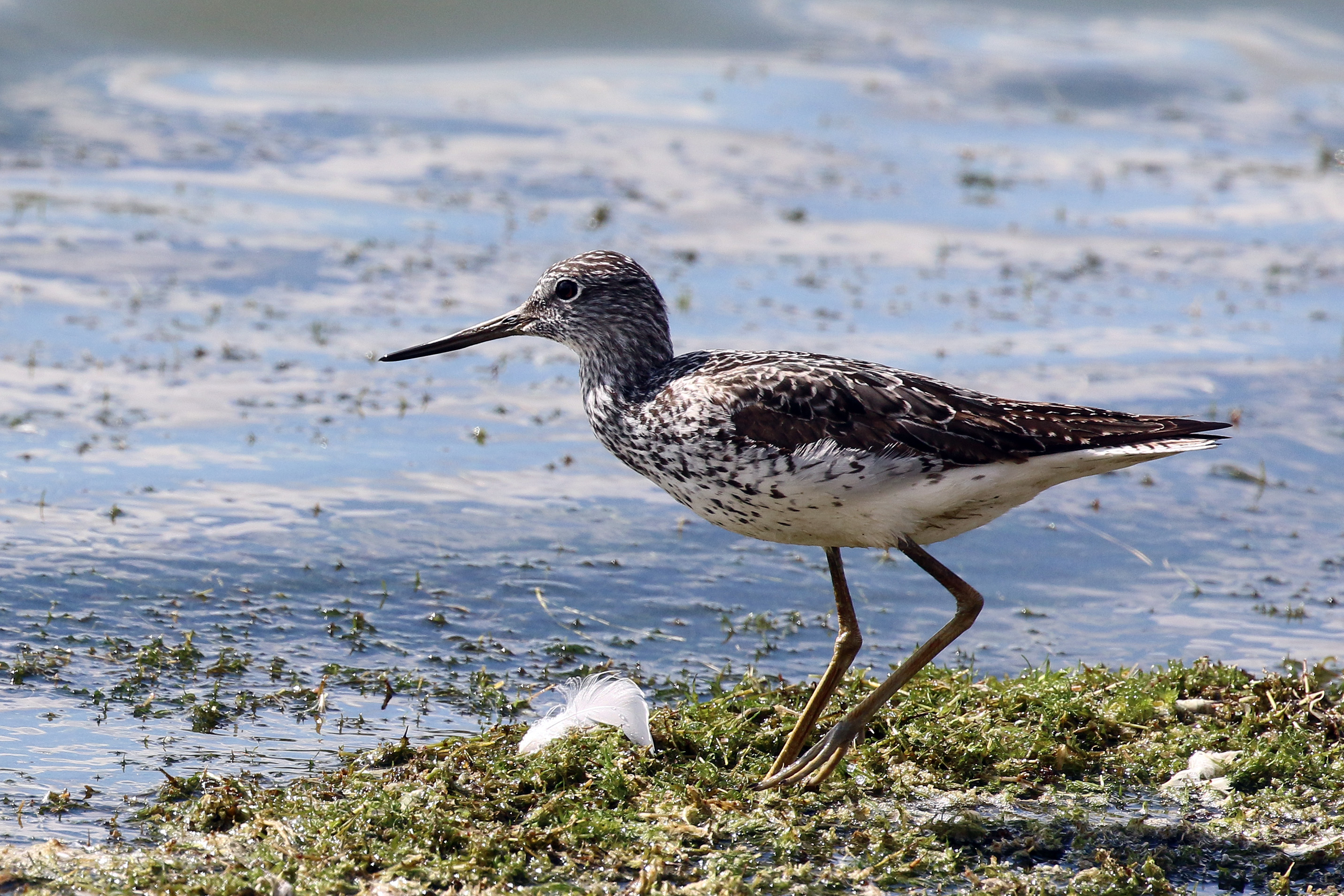
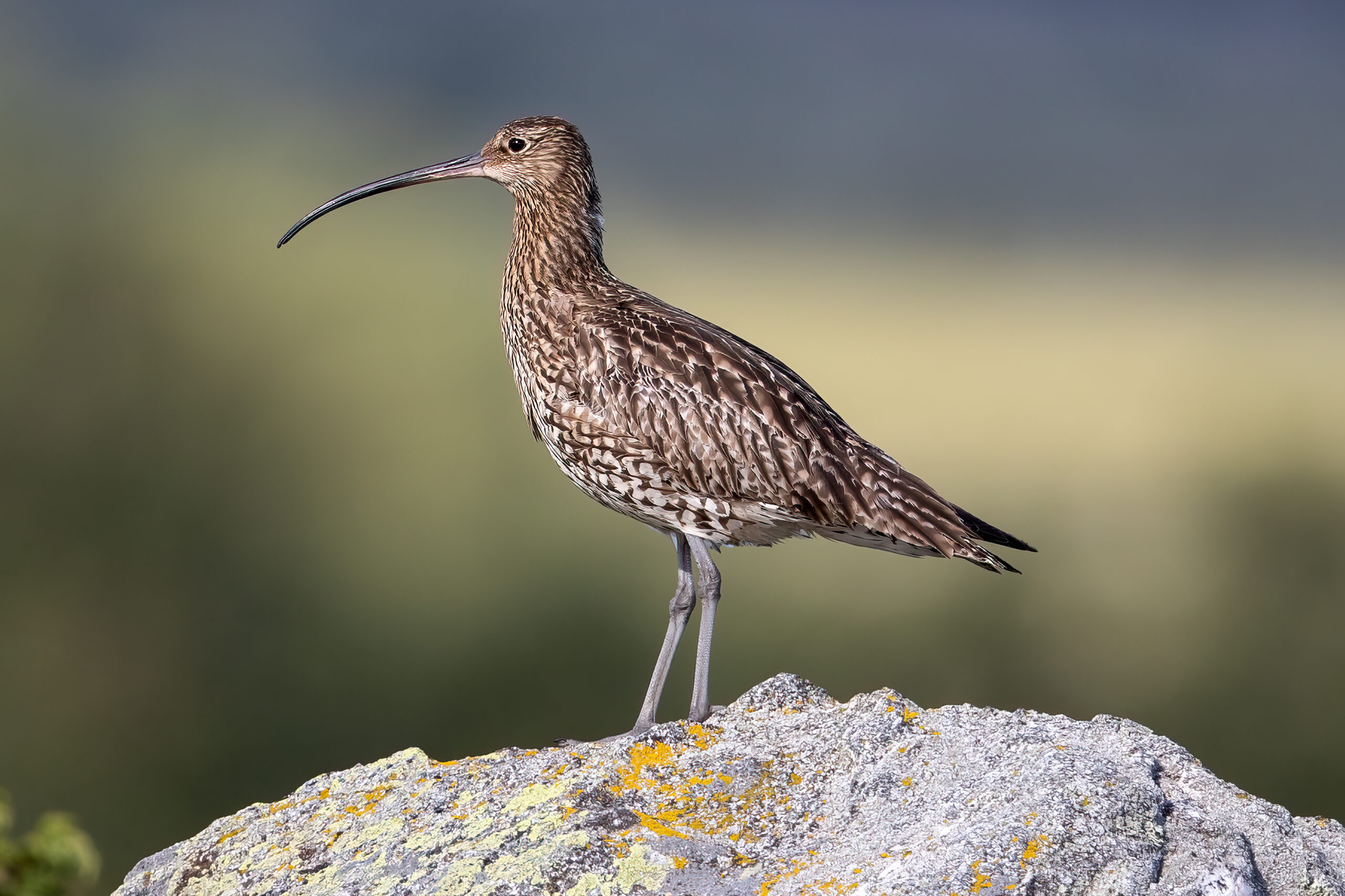
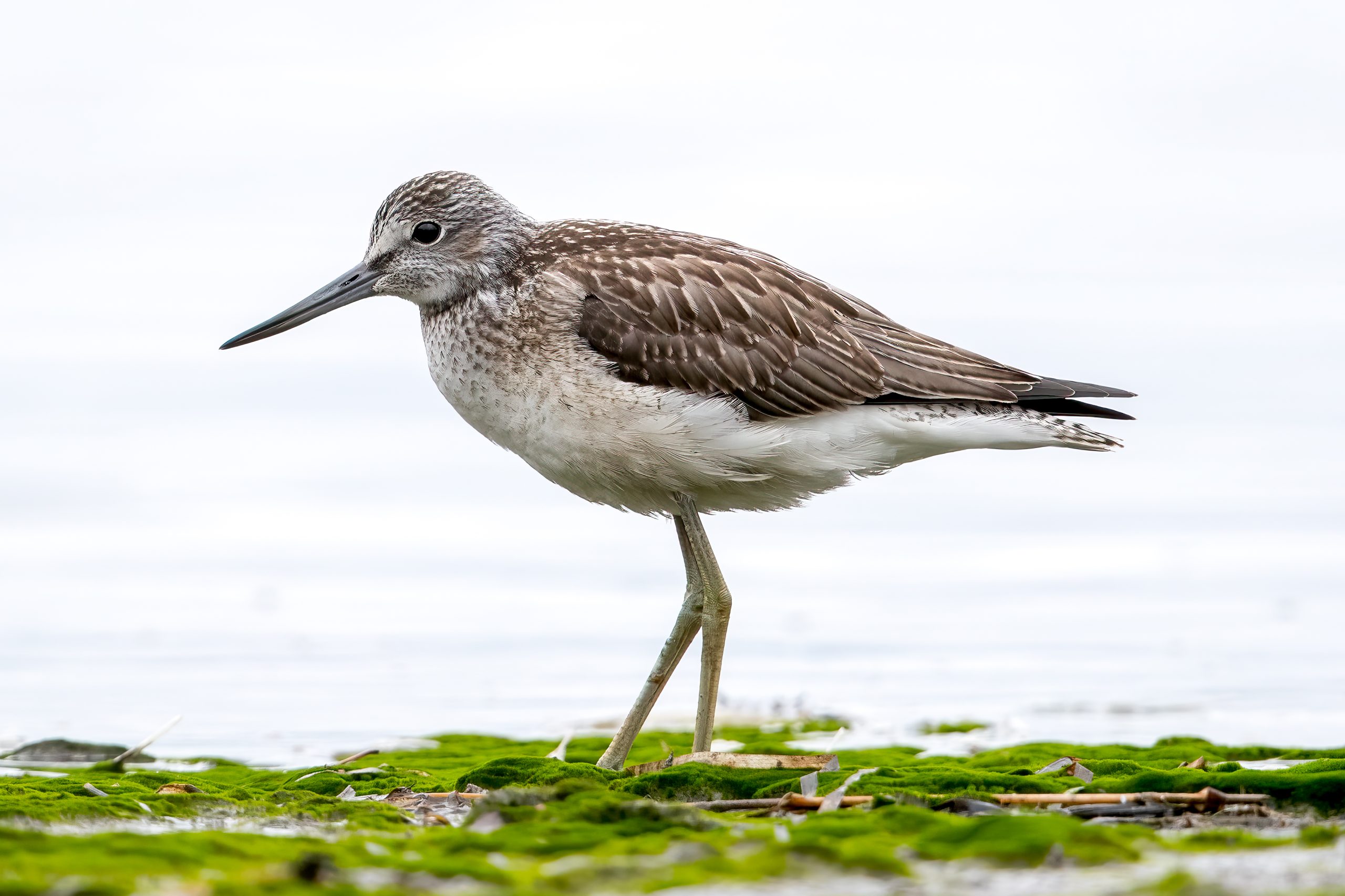
The study included Eurasian Curlew (Numenius arquata), Bar-tailed Godwit (Limosa lapponica), Great Knot (Calidris tenuirostris), Common Greenshank (Tringa nebularia), Black-bellied Plover (Pluvialis squatarola) and Greater Sand-Plover (Anarhynchus leschenaultii). The species did not respond to the surrounding landscape in exactly the same way.
The same tidal flat was not equally suitable in every landscape
The researchers used eBird records from the 2021–2023 non-breeding seasons and compared habitat conditions at the observation point with the landscape within three kilometres. Including this wider context improved habitat predictions for most of the six species.
Across species, important factors included distance to tidal flats, how much tidal-flat habitat surrounded a site, how fragmented it was, proximity to seasonal inland wetlands, land-cover diversity and elevation. In other words, the ecological value of a tidal flat depended partly on what else was available nearby.
The strongest relationships also differed between species. Common Greenshank was particularly associated with greater land-cover diversity and proximity to seasonal inland wetlands. Eurasian Curlew responded more strongly to the proportion of tidal-flat habitat in the surrounding landscape. A single description of “good shorebird habitat” therefore did not fit all six species.
Tidal flats and nearby wetlands formed habitat complexes
Areas with high predicted suitability often combined tidal flats with nearby seasonal wetlands. Tidal flats provide important feeding areas, while other wetlands can offer additional feeding opportunities or places to rest when intertidal areas are submerged.
This points toward shorebirds using connected habitat complexes rather than isolated patches. A tidal flat can be valuable partly because of the wetlands, roosting areas and other habitats around it, and those surrounding resources can differ in importance among species.
Suitable habitat did not necessarily hold more birds
The researchers also compared predicted habitat suitability with observed abundance. The relationships were generally positive but weak, reaching only about 0.4 at their strongest. A place identified as highly suitable therefore did not necessarily contain proportionally more birds.
Local numbers depend on more than the habitat variables represented in the models. The authors point to factors such as prey availability and competition, while eBird counts are also influenced by imperfect detection and uneven survey effort. The results are therefore better interpreted as broad maps of potentially suitable habitat than as forecasts of local flock size.
The main ecological message is that migratory shorebirds can depend on more than the patch where they are observed. For these six species, the surrounding mosaic of tidal flats, seasonal wetlands and other land cover contributed to what made a non-breeding landscape suitable.
Ecology
Related news
Coastal Stopover Dependence Best Predicted Which Shorebirds Declined in Bangladesh Counts
Fourteen years of counts on Sonadia Island found downward trends in 12 of 20 migratory shorebirds. Seven of…
Read story →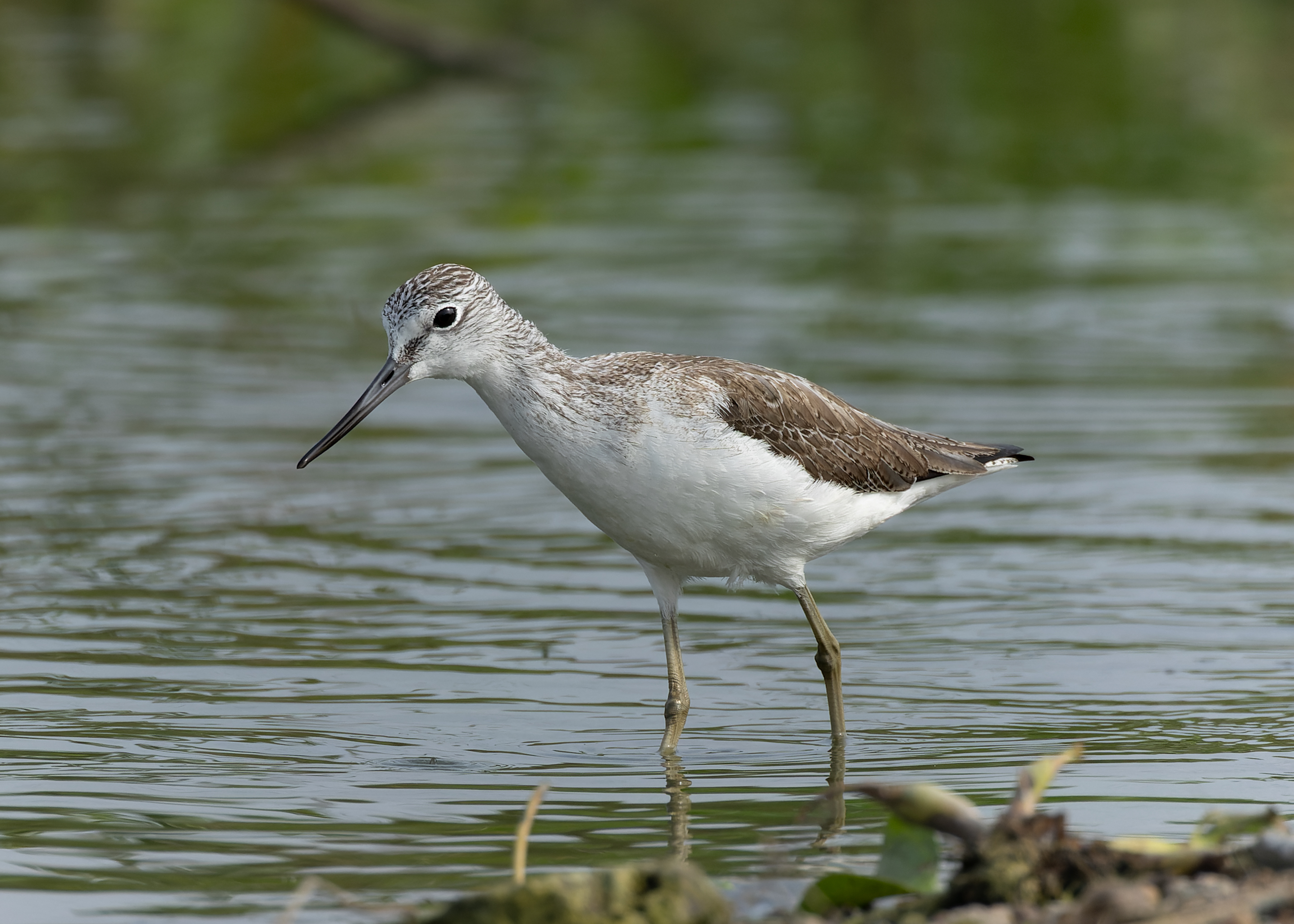
Nine Migratory Shorebirds Concentrated on a Prey-Rich Kerala Beach Despite High Predator Numbers
A nine-year Kerala study found that all nine migratory shorebird species reached their highest densities on the prey-rich…
Read story →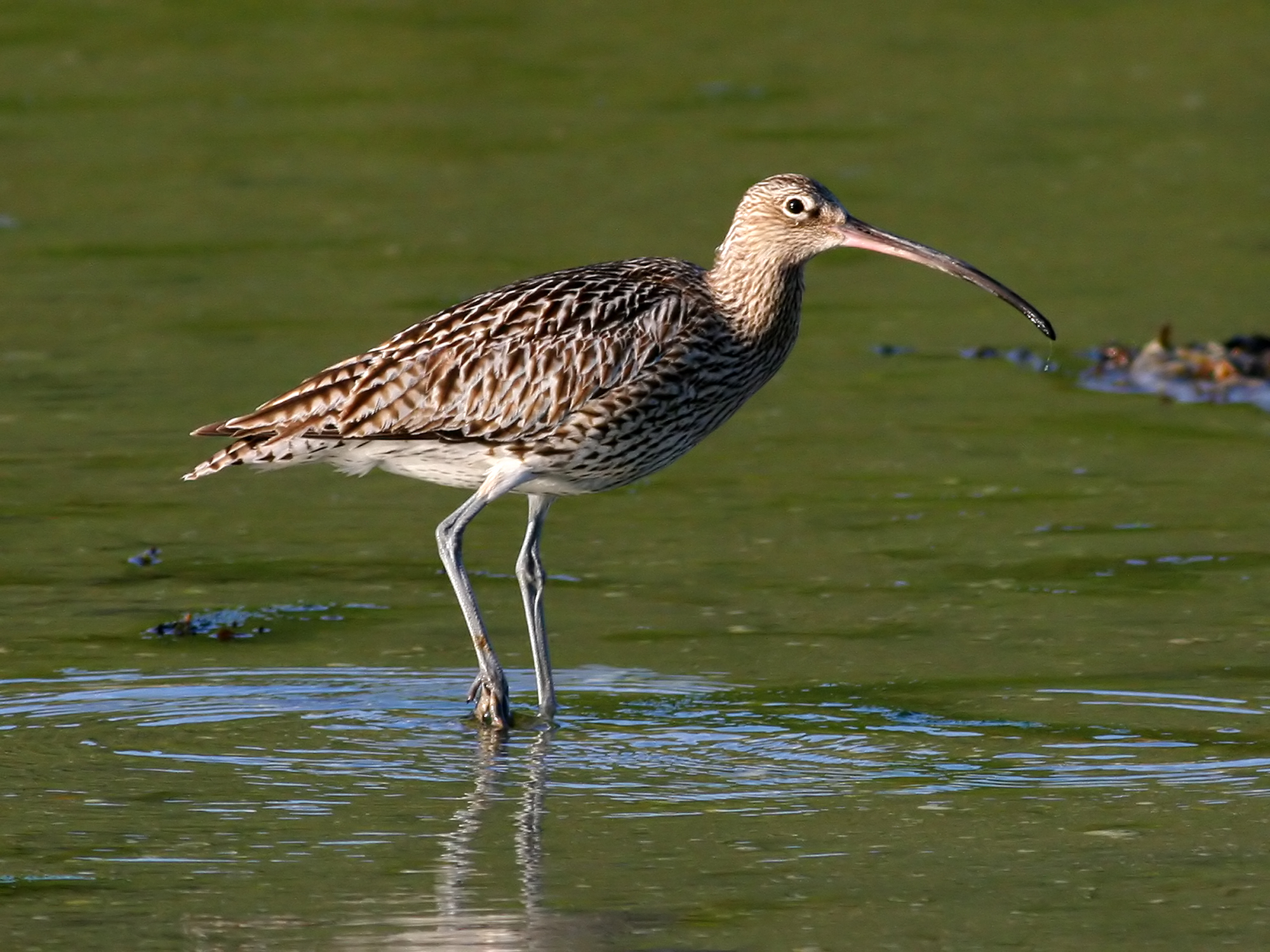
Irish and British Curlews Showed Little Genetic Separation but Both Differed From Swedish Birds
Whole-genome data from 56 Eurasian curlews found little differentiation between Irish and British birds but clear separation from…
Read story →SPECIES IN THIS STORY
Species in this story
Independent research and conservation news archive
Did you find this information useful?
Wildlife Vagabond is independently built and maintained. Voluntary support helps cover source verification, hosting and continued work on research and conservation news.
Support Wildlife VagabondThe news archive will remain freely available.